
Salads
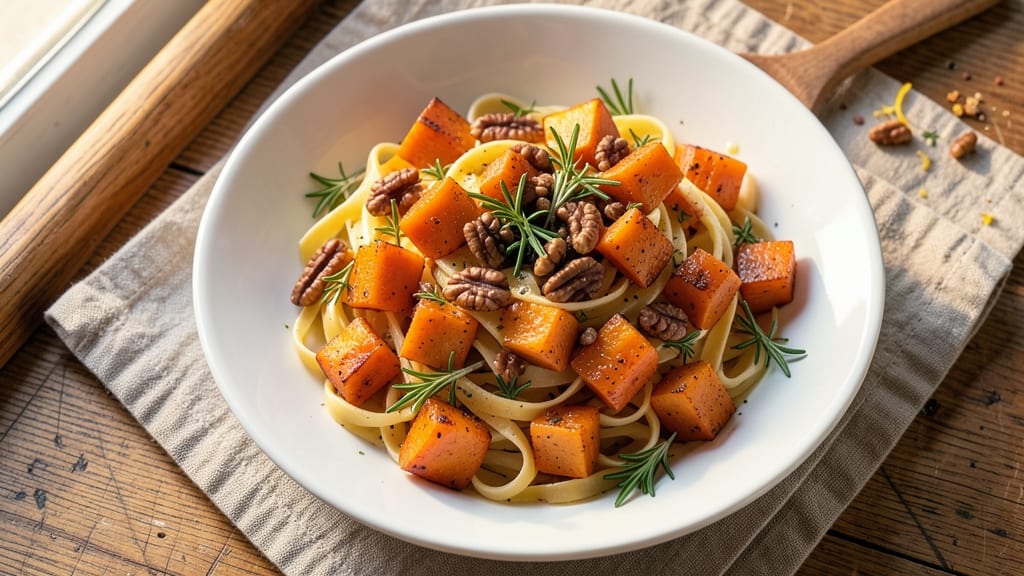
This butternut squash pasta salad transforms simple ingredients into a vegetarian masterpiece that balances sweet, savory, and herby flavors. 💛 Roasting the squash caramelizes its natural sugars, creating a depth that store-bought versions can't match.
I developed this recipe during fall harvest season when fresh squash was abundant, and it quickly became my go-to for potlucks and weeknight dinners.
The beauty of this dish lies in its textural contrast—creamy roasted squash, al dente pasta, and crisp toppings all come together in one satisfying bite. The dressing, a bright lemon-honey vinaigrette, ties everything together while keeping the salad light and refreshing.
Unlike heavy creamy pasta salads, this version stays fresh all day, making it perfect for meal prep.
What makes this recipe special is how it elevates humble ingredients through technique. Roasting the squash until tender but not mushy creates melt-in-your-mouth pieces that absorb the dressing beautifully. The pasta cooks just until al dente to maintain its bite, while toasted nuts add a satisfying crunch.
It's the kind of salad that feels indulgent yet remains balanced enough for lunch or dinner.
You can customize this salad with your favorite herbs, cheeses, or nuts—think pecans, goat cheese, or fresh basil. The base recipe delivers perfect harmony, but the variations make it endlessly adaptable. Let's get cooking!
Ingredients for butternut squash pasta salad
Roasted butternut squash meets al dente pasta in this vegetarian masterpiece—simple ingredients with restaurant-quality depth.
| Ingredient | Amount | Notes |
|---|---|---|
| Medium Butternut Squash 🎃 | 2 lb | Peeled, seeded, cut into 1-inch cubes |
| Fettuccine Pasta 🍝 | 12 oz | Uncooked, al dente preferred |
| Extra-Virgin Olive Oil 🫒 | ½ cup | For roasting and dressing |
| Fresh Thyme Leaves 🌿 | ¼ cup | Or 1 tbsp dried thyme |
| Fresh Rosemary 🌿 | ¼ cup | Finely chopped, fresh preferred |
| Pecans 🥜 | ½ cup | Toasted, roughly chopped |
| Red Onion 🧅 | ½ whole | Thinly sliced, red preferred |
| Lemon Juice 🍋 | ¼ cup | Freshly squeezed |
| Honey 🍯 | ¼ cup | Local preferred for flavor |
| Dijon Mustard 🌶️ | 1 tbsp | For dressing depth |
| Sea Salt 🧂 | 1 ½ tsp | Diamond Crystal preferred |
| Freshly Ground Black Pepper 🌶️ | ½ tsp | Freshly cracked |
| Goat Cheese 🧀 | 4 oz | Crumbled, optional for creaminess |
The butternut squash is the star here, and its quality makes all the difference. Look for firm, heavy squash with smooth skin—avoid any with soft spots or bruises. Local farmers markets often carry the sweetest varieties, especially in fall. For storage, keep whole squash in a cool, dark place for up to 3 months. Once cut, store peeled cubes in the fridge for 5 days or freeze for 6 months. The pasta should be high-quality durum wheat—De Cecco or Barilla work beautifully. For extra flavor, toast the pecans in a dry pan until fragrant and golden, then chop while still warm.
No fresh thyme or rosemary? Dried works at one-third the amount, but fresh delivers that bright, herby punch. Substitute pecans with walnuts or almonds if needed, though pecans add a lovely buttery richness. For the dressing, if you're avoiding honey, maple syrup or agave works in a 1:1 ratio. The Dijon mustard adds depth—skip it only if you prefer a sweeter vinaigrette. For a tangier profile, increase lemon juice by 1 tbsp. The goat cheese is optional but recommended for that creamy contrast; feta or crumbled blue cheese also work beautifully.
This salad keeps exceptionally well, making it perfect for meal prep. Store components separately in airtight containers—the squash and dressing can be prepped 2 days ahead, while the pasta should be cooked fresh to maintain its al dente texture. When ready to serve, toss everything together and let sit for 10 minutes to allow flavors to meld. The dressing will keep in the fridge for 1 week, and the roasted squash can be reheated gently in the microwave with a splash of water. For extra crunch, toast the pecans fresh before serving.
Why You'll Love This Recipe
- One-Pot Magic: I swear by this—roast the squash and toss it straight into the pot with al dente fettuccine. No extra pans, no extra mess, just that golden caramelized sweetness from the squash clinging to every strand of pasta.
- Herb-Packed Punch: That rosemary and thyme? It’s not just garnish—it’s the star. The fresh needles bloom in your mouth with every bite, cutting through the squash’s natural sweetness like a bright, earthy whisper.
- Lunchbox Hero: Between us, this keeps perfectly for days. Pack it cold for work lunches or reheat it for a quick dinner—still tastes like you slaved over it, even when you didn’t. (My kids’ favorite, and they’re the toughest critics.)
- Budget Bright Spot: Butternut squash is a steal this time of year, and pasta? Always affordable. You’re getting a restaurant-worthy dish for half the cost—plus, the leftovers stretch into soups or breakfast hash if you’re feeling clever.
Step-by-step instructions for butternut squash pasta salad
Transform seasonal squash into a restaurant-worthy salad with perfect caramelized texture and balanced flavors.
🔥 Step 1: Roast the Butternut Squash Until Caramelized
Preheat your oven to 400°F and line a baking sheet with parchment paper. Toss the peeled and cubed 2 lb medium butternut squash with 2 tablespoons of the extra-virgin olive oil, ½ teaspoon of the sea salt, and ¼ teaspoon of the freshly ground black pepper. Spread the cubes in a single layer, leaving space between them for even cooking.
Roast for 25-30 minutes until the edges are deep golden brown and the squash is tender when pierced with a fork. The squash should smell sweetly caramelized—this is your cue it's ready. If you prefer extra crispy edges, broil for 2-3 minutes at the end, watching closely to prevent burning.
🍳 Step 2: Cook the Fettuccine Al Dente
While the squash roasts, bring a large pot of water to a rolling boil and add 1 tablespoon of the sea salt. Add the 12 oz fettuccine pasta and cook for 1 minute less than the package instructions suggest for al dente texture. Reserve ½ cup of pasta water before draining—this starchy liquid will help emulsify your dressing.
Drain the pasta and immediately toss with 1 tablespoon of the remaining extra-virgin olive oil to prevent sticking. The pasta should still have a slight bite—this ensures it holds up well in the salad without becoming mushy when combined with the other ingredients.
👨🍳 Step 3: Toast the Pecans and Prepare the Herb Dressing
In a dry skillet over medium heat, toast the ½ cup pecans for 3-4 minutes until fragrant and lightly golden. Watch them closely—they burn quickly. Transfer to a plate to cool while you prepare the dressing.
In a small bowl, whisk together the remaining 0.25 cup extra-virgin olive oil, 0.25 cup honey, 0.25 cup lemon juice, 1 tbsp Dijon mustard, 0.25 cup fresh thyme leaves, 0.25 cup finely chopped fresh rosemary, and the remaining 1 teaspoon sea salt and ¼ teaspoon black pepper. The dressing should be emulsified and glossy—if it separates, whisk in 1-2 tablespoons of the reserved pasta water to bring it together.
🥘 Step 4: Assemble and Chill the Salad
In a large bowl, combine the roasted butternut squash, cooked fettuccine, ½ whole thinly sliced red onion, and the toasted pecans. Pour the dressing over the salad and gently toss everything together with tongs. The squash should be evenly coated in the herby dressing, and the fettuccine should glisten with the olive oil mixture.
Fold in the 4 oz crumbled goat cheese (if using) just before serving to maintain its creamy texture. For the best flavor, cover the salad and refrigerate for at least 30 minutes to allow the flavors to meld together. The chilling time also helps the squash absorb the dressing more fully, resulting in a cohesive, flavorful bite.
🍽️ Step 5: Garnish and Serve with Confidence
Before serving, give the salad one final toss and garnish with any remaining fresh thyme leaves and a sprinkle of cracked black pepper. The presentation should show the deep caramelized squash, toasted pecans, and vibrant red onion slices peeking through the herby dressing.
Serve immediately while the goat cheese is still creamy and the squash retains its warm, roasted character. This salad holds up well for 2-3 hours at room temperature, making it perfect for potlucks or meal prep. Pair with a crisp white wine or sparkling water with lemon to complement the dish's bright, herby flavors.
Pro Tips For Making Butternut Squash Pasta Salad
- ROAST SQUASH UNTIL TENDER: I learned this the hard way—cutting butternut squash into ½-inch cubes and roasting at 400°F (200°C) until they’re fork-tender (about 25-30 minutes) makes all the difference. If you’re impatient and check too early, you’ll end up with mushy, sad squash that turns the salad into a gluey mess. Toss with a light drizzle of olive oil (1 tsp per pound) and a pinch of salt before roasting—this keeps them from sticking to the pan.
- USE AL DENTE PASTA: Cook your fettuccine one minute less than the package says, then finish it in the salad’s dressing. The starch released in the cold pasta helps the squash cling better, and the slight bite keeps it from turning into a soggy pile. (Yes, even if you’re impatient like me.) Toss the drained pasta with a splash of pasta water—this guarantees a silky texture without overcooking.
- TOAST THE HERBS FIRST: Skip the fresh thyme and rosemary straight from the bunch—chop them fine (¼-inch pieces) and toast them in a dry pan over medium heat for 30 seconds until fragrant. This intensifies their flavor without bitterness, and they’ll hold up better in the salad. Add them to the dressing or sprinkle over the top right before serving—this keeps the herbs vibrant, not wilted.
- DRESS IT RIGHT AFTER MIXING: Combine the warm squash, pasta, and herbs first, then toss with the dressing just before serving. The residual heat from the squash helps the olive oil and herbs meld faster, but if you dress it too early, the pasta will absorb everything and turn the salad into a dull, oily blob. Use a ratio of 2 tablespoons olive oil to 1 tablespoon lemon juice or balsamic (if using), plus a pinch of salt—this balances the sweetness of the squash.
Make-ahead tips for this dish
Prep Ahead Components
Roast the butternut squash 2 days ahead and store it in an airtight container in the fridge. The flavors deepen overnight, and the texture remains perfect when tossed with dressing.
I always prep this first because it takes the longest—just reheat gently in the microwave with a splash of water if needed. 🎃
Dressing Prep
Make the lemon-honey vinaigrette 1 week ahead and store it in a sealed jar in the fridge. The flavors meld beautifully, and it stays fresh longer than you'd expect.
Whisk before using to re-emulsify. I keep a small jar in my fridge for quick salad assembly—it's my go-to dressing for fall dishes. 🍋
Pasta Prep Tip
Cook the pasta 1 day ahead but don't toss it with oil until ready to assemble. Store it in the fridge in a sealed container with a paper towel to absorb excess moisture.
This prevents sogginess when combining with other ingredients later. I learned this trick from my grandmother—she always said "dry pasta is happy pasta." 🍝
Assembly Strategy
Keep the goat cheese and pecans separate until serving. The cheese stays creamy and the nuts maintain their crunch when added last. I assemble everything in the morning and let it chill for 30 minutes before serving—this lets the flavors truly marry.
The red onion adds freshness, so slice it just before serving to prevent wilting. 🧀
Portioning for Meals
Divide the salad into quart-sized containers with the dressing on the bottom. This prevents soggy pasta at the bottom of the container. I use glass containers with snap-on lids—they're my favorite for meal prep.
Label with the date and store for up to 4 days. The squash stays tender when stored this way. ✨
Reheating Secrets
If the salad loses its crunch, pop it in the microwave for 1-2 minutes with a damp paper towel over it. For extra crispiness, toast the pecans fresh before serving.
I also keep a small container of dressing on the side to drizzle when reheating—it keeps everything vibrant. This salad tastes just as good cold or at room temperature! 💛
Nutrition facts
Frequently asked questions
Can I substitute butternut squash with another winter squash?
Acorn, delicata, or kabocha squash work beautifully—they all roast up with similar sweetness and texture. Just adjust the cooking time slightly (delicata needs about 20 minutes at 400°F), as their thinner skins cook faster. For extra flavor, add a pinch of cinnamon or smoked paprika to the roasting oil.
How do I keep the pasta from getting soggy when making this ahead?
Cook the pasta 1 minute less than package instructions and rinse it under cold water after draining. Store it in an airtight container with a paper towel to absorb moisture. When ready to assemble, toss with fresh olive oil and dressing just before serving. This trick keeps it al dente for hours!
Is this salad safe to eat cold or should it be served warm?
This salad is perfect served at room temperature or chilled—both work beautifully! The roasted squash stays tender, and the dressing flavors meld perfectly when refrigerated for 30 minutes. For a warm version, serve it immediately after assembly while the goat cheese is still creamy.
Can I make this without goat cheese?
Swap goat cheese for feta, blue cheese crumbles, or even vegan parmesan for a dairy-free option. For extra protein, add chickpeas or white beans—they hold up well in the salad and add satisfying texture. The dressing will still taste amazing without cheese!
Why does my dressing separate when I make it ahead?
This happens when the oil and vinegar separate over time. Simply whisk vigorously before using, or add 1-2 tablespoons of reserved pasta water to help re-emulsify. For extra insurance, store the dressing in a sealed jar and invert it daily. The honey and Dijon mustard help stabilize it better than plain vinaigrettes!