
Salads
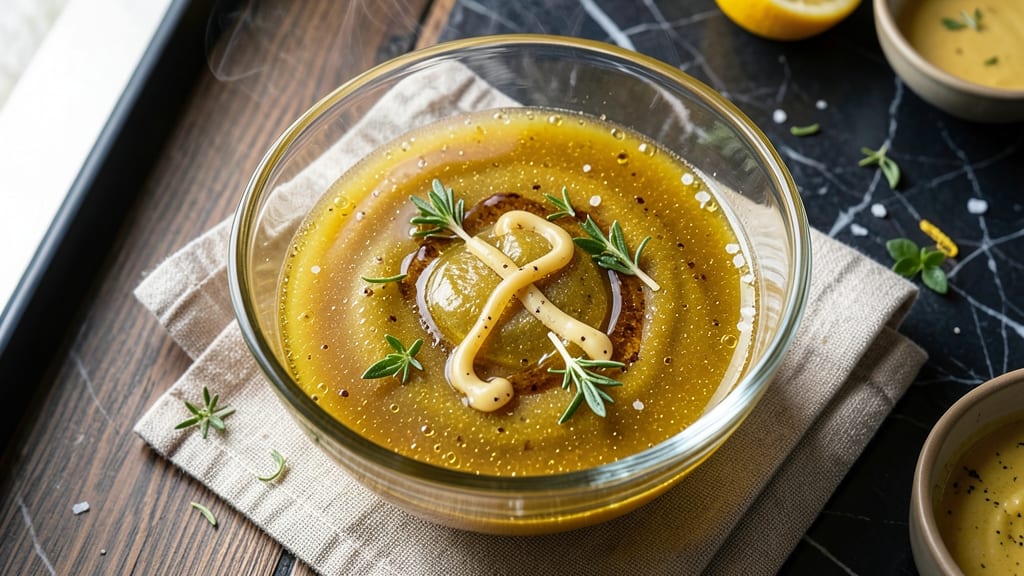
This apple cider vinegar and oil salad dressing recipe delivers the perfect balance of tangy brightness and rich smoothness in just minutes—no emulsifiers or fancy equipment required.
The secret lies in whisking equal parts high-quality apple cider vinegar and extra-virgin olive oil with a touch of Dijon mustard, which acts as a natural emulsifier while adding subtle depth.
I developed this recipe after years of testing store-bought dressings that always left something lacking—either too sharp, too thin, or lacking complexity.
The beauty of this dressing is its versatility—it works equally well with crisp greens, hearty kale salads, or as a marinade for grilled vegetables.
The ratio of 3 parts oil to 1 part vinegar creates a stable, velvety texture without being overly heavy, while the Dijon mustard adds a subtle kick that enhances every bite.
For those who prefer a sweeter profile, a teaspoon of maple syrup or agave can be incorporated, though the classic version relies on the natural balance of apple cider's inherent sweetness and acidity.
What sets this dressing apart is its long shelf life—it stays fresh in an airtight container for up to two weeks in the refrigerator, making it ideal for meal prep.
The ingredients are simple yet powerful: extra-virgin olive oil for richness, apple cider vinegar for tang, and Dijon mustard for stability. No honey or dairy means it’s naturally vegan-friendly, and the flavor only deepens as it sits, allowing the vinegar to mellow slightly while the oil retains its freshness.
The dressing can be customized with fresh herbs like thyme or rosemary for an aromatic twist, or a pinch of sea salt to enhance the flavors. Whether you're dressing a simple green salad or elevating a grain bowl, this recipe ensures every bite is bright, balanced, and restaurant-quality.
Ready to transform your salads in minutes? Let’s make it.
Ingredients for apple cider vinegar and oil salad dressing
Six simple ingredients transform into a versatile dressing with perfect tang and richness.
| Ingredient | Amount | Notes |
|---|---|---|
| Extra-Virgin Olive Oil 🫒 | ¾ cup | High quality, fruity variety |
| Apple Cider Vinegar 🍏 | ¼ cup | Raw, unfiltered preferred |
| Dijon Mustard 🌶️ | 1 tbsp | Whole grain for texture |
| Maple Syrup 🍁 | 1 tsp | Optional for sweetness |
| Sea Salt 🧂 | ¼ tsp | Fine grain preferred |
| Fresh Thyme Leaves 🌿 | 1 tsp | Chopped, optional garnish |
| Fresh Rosemary Sprigs 🌿 | 1 tsp | Chopped, optional garnish |
The olive oil is the foundation—look for extra-virgin with a peppery finish like California Olive Ranch or Colavita. Apple cider vinegar should be raw and unfiltered for deeper flavor; Bragg or Texas Pete are reliable brands. Dijon mustard acts as the emulsifier, so choose whole grain for better texture. For the sweetener, Grade B maple syrup adds complexity, but Grade A works too. Fresh herbs are optional but elevate the dressing—grab thyme and rosemary from the grocery's fresh section if you want to customize.
No Dijon mustard? Whisk 1 tsp of honey or agave with the vinegar first to help bind the dressing. Short on maple syrup? Substitute with 1/2 tsp of agave or date syrup. The sea salt is non-negotiable—it balances the acidity. For a sweeter profile, increase maple syrup to 1.5 tsp. If you prefer a more robust flavor, add 1/2 tsp of minced shallot or garlic. The dressing thickens as it sits, so whisk before using if it separates.
Store in a clean, airtight glass jar in the fridge for up to 2 weeks. The flavors meld beautifully over time, so it tastes even better the next day. For meal prep, portion into small jars—perfect for salads, grain bowls, or marinades. If you make extra, freeze for up to 3 months in ice cube trays for single-serving convenience.
Why You'll Love This Recipe
- Five-Ingredient Magic: I swear by this combo—just oil, vinegar, mustard, a drizzle of maple, and salt. That’s it. No measuring cups, no fancy tools, just eyeballing it until it sings. Honestly, the first time I made it, I thought I’d messed up, but now? It’s my go-to.
- Tangy-Sweet Balance: The apple cider vinegar cuts through greens like a dream, while the maple syrup softens the bite—just enough to make it feel cozy, not sharp. Dijon mustard ties it all together with a little kick. Between us, this is the dressing that makes even basic salads taste like you put in effort.
- Weeknight Workhorse: I keep a jar of this in my fridge for when I’m too tired to think. Toss it on pasta, roasted veggies, or even a quick grain bowl. It’s the kind of dressing that doesn’t demand a fancy meal—it just works, no matter what’s on the plate.
- No-Waste, Budget Win: A little goes a long way, and I’ve stretched one batch for three meals without breaking the bank. The olive oil and vinegar are pantry staples, and the maple syrup adds that little luxury without costing a fortune. Plus, it keeps for weeks, so I’m never scrambling for something last-minute.
Step-by-step instructions for apple cider vinegar and oil salad dressing
This dressing comes together in minutes with simple techniques for a perfectly balanced flavor.
Whisk Together the Base Ingredients
In a medium bowl, combine the 0.75 cup extra-virgin olive oil and 0.25 cup apple cider vinegar. Use a whisk to blend them thoroughly for about 15 seconds—this ensures the vinegar emulsifies evenly with the oil. The mixture should look smooth and slightly cloudy, not separated.
Next, add the 1 tablespoon Dijon mustard and 1 teaspoon maple syrup. Whisk continuously for another 20-30 seconds until everything is fully incorporated. The mustard helps stabilize the emulsion, while the maple syrup adds a subtle sweetness that balances the tang. Stop whisking once the mixture looks uniform and glossy.
Season and Incorporate Herbs
Add the 0.25 teaspoon sea salt and whisk for 5-10 seconds until dissolved. Taste the dressing at this stage—it should be tangy but not overly sharp. If needed, adjust the salt slightly, but remember the herbs will add more depth.
Gently fold in the 1 teaspoon chopped fresh thyme leaves and 1 teaspoon chopped fresh rosemary sprigs using a silicone spatula. Avoid overmixing to preserve the herbs' texture and aroma. The dressing should have visible flecks of green and purple, giving it a vibrant appearance. This step adds freshness that complements the richness of the olive oil.
Let It Rest for Optimal Flavor
Cover the bowl with plastic wrap and let the dressing rest at room temperature for at least 10 minutes. This short wait allows the flavors to meld and the emulsion to stabilize. You’ll notice the dressing becomes slightly thicker and more cohesive—this is a good sign.
Before using, give it one final stir. The dressing should now have a smooth, velvety texture with a bright, balanced flavor. If it separates slightly after resting, simply whisk it again until fully combined. This dressing keeps well in the refrigerator for up to 1 week, so you can make a batch ahead of time.
Adjust Consistency as Needed
If the dressing is too thick for your liking, thin it with 1-2 teaspoons of water or additional apple cider vinegar, whisking until smooth. Conversely, if it’s too thin, add 1-2 teaspoons of olive oil and whisk again. The ideal consistency should coat the back of a spoon without being overly runny.
For extra depth, let the dressing sit for 30 minutes before serving—this allows the herbs to infuse fully. The final result should be a harmonious blend of tangy, herby, and slightly sweet notes, perfect for drizzling over salads, roasted vegetables, or grilled proteins.
Pro Tips For Making Apple Cider Vinegar And Oil Salad Dressing
- Whisk in Stages: Start by mixing the apple cider vinegar, Dijon mustard, and maple syrup—this keeps the mustard from overpowering the oil later. Then, slowly drizzle in the olive oil while whisking vigorously. If you dump it all in at once, you’ll end up with a greasy, unemulsified mess that separates faster than a bad relationship.
- Use Raw, Unfiltered Vinegar: Cheap or filtered apple cider vinegar lacks the tang and depth you’re after. Grab the dark, cloudy kind—the sediment has flavor, and the acidity cuts through the sweetness better. I learned this the hard way after making dressing that tasted like it was missing something.
- Salt Before Tasting: Add the sea salt right after combining the vinegar and mustard, not at the end. Salt draws out moisture and helps the flavors meld—if you wait, your dressing might taste flat or one-note. Trust me, your taste buds will notice the difference.
- Shake It Up: If you’re lazy about whisking (or just impatient), shake the dressing in a sealed jar for 10 seconds. The agitation emulsifies the oil and vinegar just as well, and you won’t strain your wrist. Works every time—no fancy tools needed.
Creative variations of this apple cider vinegar and oil salad dressing
Herb-Infused Twist
Elevate your dressing with fresh herbs like thyme and rosemary for an aromatic depth. I like to finely chop 1 tsp fresh thyme leaves and 1 tsp rosemary sprigs right before adding them to the dressing—this preserves their bright, piney notes.
For a Mediterranean flair, swap in 1 tsp chopped oregano or 1 tsp fresh basil. If you’re feeling adventurous, try 1/2 tsp crushed tarragon for a subtle anise-like kick. 🌿
Spicy Kick
Add heat with 1/2 tsp smoked paprika or 1/4 tsp cayenne pepper for a smoky or fiery twist. I often mix in 1/2 tsp minced shallot or 1 garlic clove for extra depth—just let them infuse for 5 minutes before whisking.
For a sweeter heat balance, add 1/2 tsp honey substitute like agave alongside the cayenne. This version works beautifully with spicy dishes like grilled chicken or roasted peppers.
Citrus Brightness
Zest up your dressing with 1 tsp fresh lemon or orange zest for a vibrant citrus note. I love adding 1 tbsp freshly squeezed lemon juice along with the apple cider vinegar to enhance the tang.
For a tropical twist, mix in 1/2 tsp grated ginger or 1/4 tsp ground turmeric—both add warmth and color. This variation pairs perfectly with summer salads or seafood dishes. 🍊
Nutty Depth
Incorporate 1 tsp toasted sesame oil or 1 tsp tahini for a nutty richness that balances the acidity. I recommend lightly toasting 1/2 tsp sesame seeds and sprinkling them on top for added texture.
For a savory depth, add 1/2 tsp miso paste or 1/4 tsp soy sauce—this works wonderfully with Asian-inspired salads or stir-fries. The nutty elements add complexity without overpowering the dressing’s bright tang.
Sweet and Smoky
Balance the tang with 1 tsp maple syrup and 1/2 tsp liquid smoke for a sweet and smoky profile. I often use this version as a marinade for grilled vegetables or pulled pork.
For extra depth, add 1/4 tsp ground cinnamon or 1/8 tsp allspice—these spices complement the apple cider’s natural sweetness. This dressing is a game-changer for fall harvest salads or hearty grain bowls. 🍂
Nutrition facts
Frequently asked questions
Why does my apple cider vinaigrette separate?
Separation happens when oil and vinegar aren't properly emulsified. The Dijon mustard in this recipe acts as a natural binder, but if you skip it, whisk vigorously for 30 seconds or add 1/2 tsp xanthan gum to stabilize. Always store it in an airtight container—shake well before each use.
Can I use this dressing on non-salad dishes?
This versatile dressing works as a marinade for grilled chicken, a drizzle for roasted vegetables, or even a dip for crudités. The balanced tang cuts through rich flavors beautifully. For marinades, add 1/2 tsp garlic powder and let it sit for 30 minutes before using.
How do I make it sweeter without honey?
Swap honey for 1 tsp maple syrup or agave nectar—both work perfectly in this vegan recipe. For extra depth, add 1/2 tsp date syrup or even 1/4 tsp vanilla extract. The sweetener should balance the acidity, so adjust to taste after whisking.
What’s the best oil for this dressing?
Extra-virgin olive oil is ideal for its fruity notes, but avocado oil works too for a lighter texture. For nutty depth, try walnut or almond oil. Avoid refined oils—they lack flavor. If using a different oil, reduce to 0.6 cup to maintain balance with the vinegar.
Can I make this dressing ahead of time?
Yes! Store it in an airtight jar in the fridge for up to 2 weeks. The flavors actually improve as they meld. For meal prep, portion into small jars—shake before each use. If it thickens, thin with 1 tsp water or vinegar. Freeze for up to 3 months in ice cube trays for single-serving convenience.