
Salads
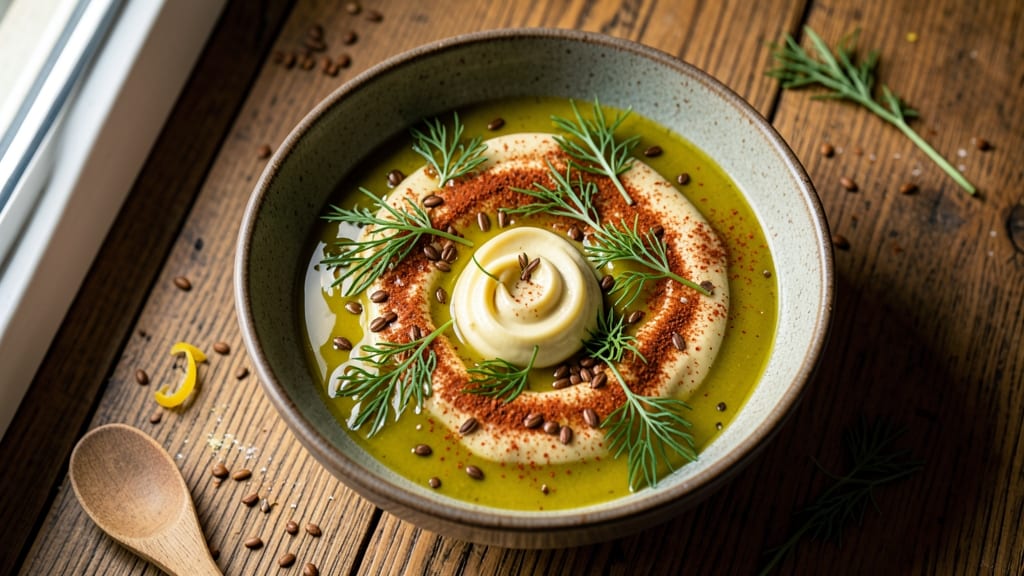
This Austrian salad dressing recipe transforms simple greens into a flavorful masterpiece with its bold herb-infused oil and tangy vinegar balance. The secret lies in blending traditional Austrian flavors—paprika, caraway, and fresh tarragon—into a harmonious dressing that elevates salads, meats, and roasted vegetables alike.
No emulsifiers needed; just whisk together the ingredients for a dressing that clings beautifully to every bite.
The recipe relies on high-quality extra-virgin olive oil as its base, infused with a medley of herbs and spices that deliver a distinctively European taste profile. A touch of Dijon mustard adds depth, while apple cider vinegar brightens the flavor without overpowering.
The result is a dressing that’s versatile enough for hearty winter salads or light summer dishes, yet always carries that signature Austrian flair.
What sets this dressing apart is its ability to enhance rather than dominate—each component plays a role in creating a well-rounded flavor. The herbs stay fresh, the spices add warmth, and the acidity cuts through richness, making it perfect for everything from crisp cabbage slaw to grilled sausages.
Best of all, it keeps well in the fridge for up to a week, ready to elevate your meals whenever inspiration strikes.
Whether you're serving a traditional Austrian spread or modernizing a classic dish, this dressing brings authenticity and depth. The instructions are straightforward, ensuring professional results without fuss. Let’s dive into the recipe and bring that Alpine-inspired taste to your table.
Ingredients for austrian salad dressing
Nine ingredients blend traditional Austrian flavors into a dressing that elevates salads and meats with herb-infused oil and vinegar harmony.
| Ingredient | Amount | Notes |
|---|---|---|
| Extra-Virgin Olive Oil 🫒 | 1 cup | High-quality, fruity, cold-pressed |
| Apple Cider Vinegar 🍏 | ⅓ cup | Raw, unfiltered preferred |
| Fresh Tarragon Leaves 🌿 | ¼ cup | Finely chopped, stems removed |
| Dried Caraway Seeds 🌾 | 1 tbsp | Toasted lightly for aroma |
| Smoked Sweet Paprika 🌶️ | 1 tbsp | For depth and color |
| Dijon Mustard 🍯 | 1 tbsp | Whole-grain preferred |
| Granulated Sugar 🍬 | 1 tsp | Balances acidity |
| Diamond Crystal Kosher Salt 🧂 | ½ tsp | Adjust to taste |
| Freshly Ground Black Pepper 🌶️ | ¼ tsp | Freshly cracked |
The extra-virgin olive oil forms the foundation—opt for a single-origin Italian or Spanish variety with robust fruity notes. Trader Joe's or Whole Foods bulk sections often carry high-quality options. Fresh tarragon is non-negotiable for authenticity; dried loses its delicate anise-like flavor. For caraway seeds, toast them in a dry pan for 30 seconds before grinding to release their aromatic oils. Smoked paprika adds depth without overpowering, while Dijon mustard ensures proper emulsification without relying on commercial additives.
No fresh tarragon? Dried tarragon at one-third the amount works, though flavor will differ. Substitute fennel seeds for caraway if unavailable, but reduce to 0.75 tbsp to avoid bitterness. For a sweeter profile, maple syrup replaces sugar in a 1:1 ratio. If you prefer a tangier dressing, increase apple cider vinegar to 0.5 cup—just remember it intensifies over time. Olive oil substitutes like avocado oil maintain stability, though flavor will shift slightly. Always whisk ingredients thoroughly to achieve the signature Alpine-inspired balance between richness and acidity.
Store in an amber glass bottle in the refrigerator for up to 1 week—the vinegar preserves freshness while the oil prevents separation. Shake vigorously before each use. For longer storage, transfer to a freezer-safe container and freeze for up to 3 months. This dressing thrives in herb-forward salads, grilled sausages, or roasted vegetables, where its complex, layered flavor shines. The Dijon mustard acts as a natural emulsifier, eliminating the need for commercial stabilizers while ensuring a smooth, clinging texture that clings beautifully to every bite.
Why You'll Love This Recipe
- I’ll be real: this dressing works everywhere. Drizzle it on summer salads, toss it with roasted veggies, or even use it as a marinade for sausages. (Yes, even on a Tuesday night when you’re too tired to think.)
- Five-Ingredient Magic: Honestly, this dressing is one of those rare recipes where you won’t even notice the effort. Just toss together olive oil, vinegar, tarragon, caraway, and smoked paprika—no measuring cups, no fancy techniques, just a quick shake in a jar.
- Herb-Packed Punch: Between us, that tarragon and caraway combo is next-level—bright, earthy, and just a little smoky from the paprika. It’s the kind of flavor that makes you forget you’re eating salad, especially when it clings to crisp greens or grilled chicken.
- Weeknight & Picnic Hero: I’ll be real: this dressing works everywhere. Drizzle it on summer salads, toss it with roasted veggies, or even use it as a marinade for sausages. (Yes, even on a Tuesday night when you’re too tired to think.)
Step-by-step instructions for herb-infused Austrian salad dressing
This method delivers a perfectly balanced dressing with vibrant herb notes and subtle smokiness.
Toast the Caraway Seeds for Maximum Aroma
Heat a small dry skillet over medium-low heat. Add the 1 tablespoon dried caraway seeds and toast for 1-2 minutes until they release their nutty aroma and begin to darken slightly. You'll see them puff up and smell intensely aromatic—this is your cue to remove them immediately from the heat.
Transfer the toasted seeds to a small bowl and let them cool completely. The cooling process allows their flavors to fully develop before infusion. If you rush this step, the seeds will release bitterness rather than their characteristic earthy sweetness into the dressing. Keep the skillet handy—you'll use it next for a different purpose.
Infuse the Olive Oil with Tarragon and Spices
Return the now-cooled skillet to low heat and add the 1 cup extra-virgin olive oil. Once the oil is gently warm (about 1 minute at low heat), remove it from the heat and stir in the 1 tablespoon smoked sweet paprika, 1 tablespoon Dijon mustard, and 1 teaspoon granulated sugar. Let this mixture steep for 5 minutes while you prepare the remaining ingredients.
After the steeping time, add the 0.25 cup finely chopped fresh tarragon leaves and the toasted caraway seeds to the warm oil mixture. Gently stir to combine, ensuring the tarragon is fully submerged. The oil should take on a vibrant green hue from the tarragon, indicating proper infusion. This step is where the dressing gets its signature herbaceous character.
Combine with Vinegar and Seasonings
In a separate bowl, whisk together the 0.33 cup apple cider vinegar, 0.5 teaspoon Diamond Crystal kosher salt, and 0.25 teaspoon freshly ground black pepper until the salt and pepper are completely dissolved. The vinegar should be well-mixed and free of any graininess.
Slowly pour the vinegar mixture into the oil infusion while whisking continuously. This gradual combination prevents the dressing from separating. You'll notice the mixture emulsify slightly as you whisk, creating a smooth, balanced consistency. The acidity of the vinegar will cut through the richness of the oil, creating that perfect Austrian dressing balance we're after.
Rest and Emulsify for Perfect Texture
Cover the dressing and let it rest at room temperature for at least 30 minutes. This resting period allows all the flavors to meld together and the emulsion to stabilize. During this time, give the dressing a gentle stir every 10 minutes to help distribute the flavors evenly.
After resting, taste and adjust the seasoning if needed. The dressing should have a harmonious balance of tangy, herby, and slightly smoky flavors. If it needs more acidity, add a splash of additional vinegar. For more richness, incorporate a small amount of the infused oil. Once perfectly balanced, your Austrian salad dressing is ready to elevate any green salad or grain bowl.
Pro Tips For Making Austrian Salad Dressing
- Toast the Caraway: I learned this the hard way—raw caraway seeds just sit there like dull pebbles. Lightly toast them in a dry pan over medium heat for 30 seconds until fragrant (not brown). That quick step unlocks their nutty depth, which cuts through the vinegar’s sharpness like a knife.
- Chill Before Mixing: Cold ingredients emulsify better, and this dressing isn’t forgiving. Pop your olive oil and vinegar in the fridge for 10 minutes before combining—it smooths out the texture and keeps the tarragon from wilting into the mix the second you add it.
- Whisk Like You Mean It: This isn’t a lazy vinaigrette. Use a fork first to break up the paprika and caraway, then switch to a whisk and work the hell out of it for 30 seconds. The goal is to dissolve the paprika completely—otherwise, you’ll get gritty bits that ruin the whole dish.
- Measure Vinegar Precisely: Apple cider vinegar varies wildly in acidity. If your bottle says "aged" or "strong," use 1 tablespoon less than the recipe calls for—it’s easier to fix with extra oil than to deal with a dressing that tastes like you soaked the salad in pickling juice.
Serving suggestions for this recipe
Herb-Forward Salads
This dressing transforms simple greens into a flavorful experience. Toss it with mixed baby greens (arugula, spinach, frisée) and add thinly sliced radishes, crisp apples, and toasted walnuts for texture.
The tarragon and caraway complement the peppery greens beautifully. For a heartier option, try it with shredded cabbage and caramelized onions—the dressing's acidity cuts through the cabbage's natural sweetness. 🌿
Grilled Meats
Brush this dressing onto grilled sausages (like Austrian bratwurst) or chicken thighs during the last 5 minutes of cooking. The herbs and smoky paprika caramelize slightly, creating a delicious crust. For a full meal, serve with roasted potatoes and sautéed green beans—the dressing ties everything together.
I love using it as a marinade for pork chops too, letting the flavors infuse for at least 2 hours before grilling.
Roasted Vegetables
Drizzle over roasted Brussels sprouts, asparagus, or carrots after roasting. The dressing's tangy-sweet balance enhances the natural sweetness of the vegetables. Toss halved baby potatoes with the dressing before roasting for extra flavor.
For a complete dish, pair with grilled halloumi cheese—the salty, creamy cheese contrasts perfectly with the dressing's acidity. 🍽️
Cheese Boards
Use this dressing as a dip for soft cheeses like brie or camembert on a cheese board. Its herby, slightly smoky profile pairs wonderfully with aged cheddar, goat cheese, and blue cheese.
Add cured meats (like prosciutto or salami) and crusty bread to round out the spread. The dressing also works as a marinade for grilled cheese sandwiches—brush it on the bread before grilling for a gourmet touch.
Grain Bowls
Elevate quinoa bowls or farro salads by mixing in 2-3 tablespoons of this dressing. Add roasted chickpeas, avocado slices, and pickled red onions for a balanced meal. The caraway and tarragon add depth to the grains, while the vinegar keeps the dish bright.
For a protein boost, stir in grilled shrimp or shredded rotisserie chicken. This dressing turns a simple grain bowl into a restaurant-worthy dish. ✨
Dips and Spreads
Thin the dressing with a splash of water or broth to create a dipping sauce for vegetable sticks, pita chips, or fresh bread. Its herby, tangy flavor makes it perfect for hummus or baba ganoush as a complementary dip.
For a smoky twist, add 1 teaspoon of smoked paprika to the thinned dressing. Store leftovers in an airtight container for up to 3 days—the flavors only deepen over time. 💫
Nutrition facts
Frequently asked questions
Can I use this dressing on non-salad dishes?
This Austrian-inspired dressing works beautifully on grilled meats, roasted vegetables, and even as a marinade for chicken or pork. The caraway and tarragon add depth to proteins, while the acidity cuts through richness. Try brushing it on sausages during the last 5 minutes of grilling for a caramelized crust.
What if I don't have fresh tarragon?
Use dried tarragon at one-third the amount (about 1 teaspoon instead of 0.25 cup fresh) or substitute with fennel seeds (reduce to 0.75 tbsp to avoid bitterness). For a different but still herby flavor, try dill or thyme, though the dressing will have a distinct taste. The key is balancing the herb notes with the other spices.
Why does my dressing separate after a few days?
This is normal for oil-and-vinegar dressings! The Dijon mustard helps emulsify, but natural separation can still occur. Before using, simply whisk or shake vigorously to recombine. For longer shelf life, store in an amber glass bottle and refrigerate. If separation persists, add 1 teaspoon of mustard or a splash of water to help stabilize.
Can I make this dressing without mustard?
Yes, but the texture may be less stable. Replace the 1 tbsp Dijon mustard with 1 tbsp honey or 1 tsp xanthan gum (dissolved in the vinegar) to help bind the oil and vinegar. The flavor will be slightly sweeter, but the dressing will still hold together well. For a tangier option, add 1 tsp lemon juice instead.
How long can I store this dressing?
In an airtight container in the fridge, it keeps for up to 1 week. For longer storage, freeze in a freezer-safe container for up to 3 months. Thaw overnight in the fridge before using. The flavors actually improve over time—just shake well before each use! The vinegar and herbs preserve freshness better than you'd expect.