
Salads
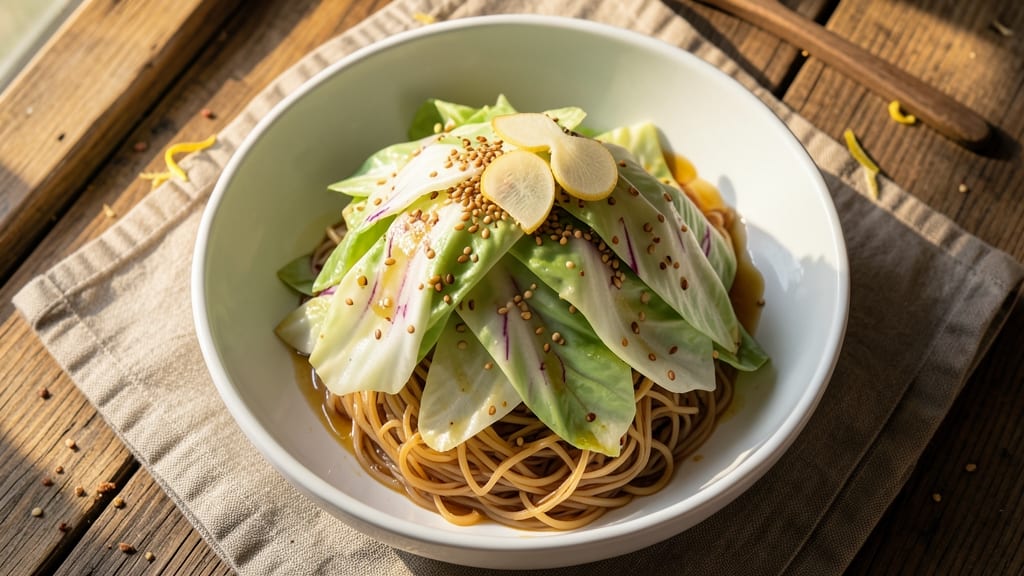
This Chinese cabbage salad recipe with ramen noodles transforms a classic Asian side into a satisfying, textured bowl that balances crisp freshness with warm, savory depth.
The secret lies in cooking ramen just until al dente—keeping it chewy and packed with umami—then tossing it with thinly sliced cabbage, a bright sesame-ginger dressing, and toasted sesame seeds for contrast.
I developed this dish after craving something heartier than traditional coleslaw but still fresh enough to cut through rich flavors.
The magic happens when cold, crunchy cabbage meets warm, chewy noodles in one bowl—each bite delivers a satisfying contrast of temperatures and textures. You’ll need just 15 minutes of active prep (plus 5 minutes for noodles) to create a dish that’s restaurant-worthy yet simple enough for weeknight dinners.
The dressing, made with rice vinegar, sesame oil, and a touch of honey, ties everything together without overpowering the natural sweetness of the cabbage or the umami of the ramen.
What you’ll end up with is a bowl that’s equally at home as a light lunch or a side for grilled meats—crisp cabbage holds its shape, noodles stay tender, and the dressing clings to every strand.
The toasted sesame seeds add a nutty crunch that elevates the dish from ordinary to extraordinary. This isn’t just a salad; it’s a textured, flavor-packed meal that redefines how you think about ramen beyond soup.
Serve immediately for the best texture contrast, or let it sit for 10 minutes to allow flavors to meld slightly. Pair with grilled chicken, shrimp, or even a simple miso soup for a complete meal. Here’s how to make it—simple steps, big impact.
Ingredients for chinese cabbage salad recipe ramen noodles
Crisp cabbage, chewy ramen, and nutty sesame dressing come together for a dish that's anything but ordinary.
| Ingredient | Amount | Notes |
|---|---|---|
| Chinese Cabbage (Napa Cabbage) 🥬 | 8 cups | Thinly sliced, core removed |
| Ramen Noodles 🍜 | 2 packages | Regular or spicy, cooked al dente |
| Sesame Oil 🫒 | 1 tbsp | Toasted, for aroma |
| Rice Vinegar 💧 | 3 tbsp | Seasoned preferred |
| Toasted Sesame Seeds 🌰 | 2 tbsp | Plus extra for garnish |
| Fresh Ginger 🧄 | 1 tbsp | Finely grated, peeled |
| Honey 🍯 | 1 tbsp | Or agave for vegan option |
| Soy Sauce 🥢 | 1 tbsp | Light or dark preferred |
| Sesame Seeds 🌰 | 1 tsp | For extra crunch |
| Green Onions 🧅 | 3 whole | Thinly sliced, whites separated |
| Vegetable Oil 🫒 | 1 tbsp | For toasting sesame seeds |
| Salt 🧂 | ½ tsp | Kosher or sea salt |
| Black Pepper 🌶️ | ¼ tsp | Freshly ground |
The Chinese cabbage is the star here—look for heads with crisp, vibrant leaves and minimal yellowing. Whole Foods or local Asian markets usually carry the freshest, but any grocery store’s produce section will do. If you can’t find Napa cabbage, regular green cabbage works in a pinch, though it’ll be slightly less tender. For the ramen, store-brand packs are fine, but Nissin or Maruchan always deliver consistent texture. Cook them just until al dente—they’ll finish cooking in the dressing. Pro tip: Save the seasoning packet from the ramen for extra flavor in the dressing if you’re feeling adventurous.
No sesame oil? Toasted peanut oil at half the amount gives a similar nutty depth, though the flavor will differ slightly. Subbing honey for agave keeps it vegan, but the texture might be marginally less glossy. Fresh ginger is ideal, but if you’ve got dried, use one-third the amount—though it won’t have the same bright punch. The dressing is forgiving, so don’t stress over exact measurements. For extra crunch, lightly toast your sesame seeds in a dry pan over medium heat for 2-3 minutes, stirring constantly. Watch them like a hawk—they burn faster than you’d think.
This salad is best served immediately for that perfect crunch contrast, but if you need to prep ahead, store the cooked noodles and dressing separately in the fridge for up to 2 days. Toss everything together right before serving. The cabbage stays crisp for 3-4 days if wrapped in a damp towel, but it’s best within 24 hours. For leftovers, the noodles soften slightly, but the flavors only get better. Pack it in a container with a tight lid—it’s perfect for lunchboxes or meal prep. The dressing keeps for 1 week in the fridge, so make extra if you’re planning to use it elsewhere.
Why You'll Love This Recipe
- No-Cook Crunch: Between us, I love recipes that don’t require boiling cabbage or standing over a stove. Shred that Napa cabbage once, toss it with cold ramen noodles (yes, uncooked—they soften perfectly), and a splash of rice vinegar. Honestly, the only heat comes from the sesame oil, and that’s the good kind.
- Umami Magic: Here’s what sold me—the way the toasted sesame seeds and sesame oil cling to the noodles like a savory hug. The ramen’s saltiness balances the cabbage’s fresh bite, and the vinegar cuts through it all. It’s not fancy, but it’s ridiculously good—the kind of flavor that makes you pause mid-bite.
- Packable Anywhere: I make this for lunch meetings, picnics, or even my kid’s school lunchbox. The noodles hold up in containers, and the dressing won’t leak. Pro tip: Pack the dressing separately and toss it in right before eating—keeps everything crisp.
- Pantry Staple Power: This recipe uses things I already have: a bag of ramen, a head of cabbage, and a bottle of vinegar. No specialty ingredients, no last-minute grocery runs. And leftovers? They’re even better the next day—if there are any, which there usually aren’t.
Step-by-step instructions for crunchy noodle Asian greens salad
Here's how to transform simple ingredients into a refreshing, crunchy salad that keeps the best qualities of both ramen and Asian greens.
Toast the Sesame Seeds for Maximum Flavor
Heat a small skillet over medium-low heat and add the 1 tablespoon vegetable oil. Once the oil shimmers, add the 2 tablespoons toasted sesame seeds and the 1 teaspoon sesame seeds. Stir constantly for 1-2 minutes until they turn a deeper golden color and release their nutty aroma.
Remove the pan from heat immediately to prevent burning—they'll continue to toast from residual heat. Let them cool for 2 minutes before transferring to a small bowl. This toasting step is crucial; raw sesame seeds lack that rich, toasty depth that makes this salad truly special.
Cook the Ramen Noodles Al Dente
Boil water in a pot and add the 2 packages ramen noodles. Cook for 2 minutes less than the package instructions—this ensures they remain al dente with a satisfying bite. Drain immediately and rinse under cold water for 10 seconds to stop the cooking process and remove excess starch.
Spread the noodles on a baking sheet and let them cool completely. This cooling step prevents the salad from becoming soggy when mixed with the cold cabbage. While they cool, prepare the dressing—this is where the magic happens.
Create the Signature Dressing
In a small bowl, whisk together the 3 tablespoons rice vinegar, 1 tablespoon honey, 1 tablespoon soy sauce, 1 tablespoon sesame oil, 1 tablespoon freshly grated ginger, 0.5 teaspoon salt, and 0.25 teaspoon black pepper. The mixture should be smooth with a glossy sheen—this indicates proper emulsification.
Taste and adjust seasoning if needed. I often add a tiny pinch more salt to enhance the umami from the soy sauce. Here's the thing—this dressing carries the entire salad, so balance is key. Let it sit for 2 minutes while you prepare the cabbage.
Prepare and Massage the Chinese Cabbage
Remove the core from the 8 cups Chinese cabbage and slice it thinly—about 1/8-inch thick slices. Place the cabbage in a large bowl and sprinkle with the toasted sesame seeds. Using clean hands, massage the cabbage gently for 2 minutes to soften the leaves slightly while maintaining their crisp texture.
Add the cooled ramen noodles and the 3 whole green onions (thinly sliced, with whites separated). Pour the dressing over everything and toss gently but thoroughly. The cabbage should be evenly coated but still retain its vibrant color—this means you've achieved perfect balance between tender and crisp.
Rest and Serve for Optimal Texture
Let the salad rest for 5 minutes before serving. This brief resting period allows the cabbage to fully absorb the dressing while preventing the noodles from becoming mushy. Divide among 4 serving plates and garnish with the reserved green onion whites for a pop of color.
Serve immediately while the cabbage maintains its perfect bite. Each bite should deliver a satisfying contrast between the tender noodles, crisp cabbage, and nutty sesame seeds. The dressing should cling beautifully to every component, creating a harmonious blend of sweet, tangy, and umami flavors.
Pro Tips For Making Chinese Cabbage Salad Recipe Ramen Noodles
- Shock the Cabbage: Toss your Napa cabbage in ice water for 30 seconds after slicing—it crisps up instantly and stops wilting when mixed with the noodles. I learned this the hard way after serving a sad, limp salad that looked like it’d been sitting in the fridge for days.
- Rinse Those Noodles: Drain your cooked ramen, then rinse under cold water twice—once to stop cooking, once to wash off excess seasoning. Skipping this leaves your noodles gummy and overpowered by the broth packet’s salt. Trust me, your salad will taste cleaner.
- Toast Seeds Dry: Cook your sesame seeds in a completely dry pan over medium-low heat, stirring constantly—no oil needed. Burnt seeds taste bitter, and damp seeds won’t crisp. A minute or two is all it takes; watch them like a hawk.
- Balance the Vinegar: Start with half the rice vinegar called for, taste, then add more. The cabbage soaks up acid like a sponge, and you’ll regret overdoing it. A splash of sesame oil afterward fixes flatness, but you can’t undo too much tang.
Regional styles of these flavors
Japanese-Inspired Version
For a lighter take, swap the ramen for shirataki noodles (konjac-based) and use mirin instead of honey in the dressing. Thinly slice daikon radish to add to the cabbage for extra crunch.
Garnish with pickled ginger and toasted nori strips for an authentic Japanese izakaya vibe. The shirataki noodles cook in just 3 minutes, making this a quick, gluten-free option. 🌿
Korean Kimchi Twist
Add ½ cup finely chopped kimchi (drained) to the cabbage while massaging it—this adds tangy, spicy depth. Replace the sesame oil with 1 tbsp gochujang for heat, and use 1 tbsp toasted sesame seeds plus 1 tsp crushed red pepper flakes for garnish.
Serve with a side of steamed rice or grilled bulgogi beef for a full Korean-inspired meal. The kimchi’s fermentation brings extra umami to the dish. 🌶️
Thai-Inspired Peanut Dressing
Skip the sesame oil and replace the dressing with a peanut-lime version: blend 2 tbsp creamy peanut butter, 1 tbsp lime juice, 1 tsp soy sauce, 1 tsp honey, and 1 tsp sriracha.
Toss the cabbage and noodles in this dressing, then top with crushed peanuts and cilantro. Add thinly sliced jalapeños for heat. This version feels like a Thai noodle salad but keeps the crunchy texture you love. 🥜
Vietnamese Fresh Herb Upgrade
Infuse the dressing with 1 tbsp fish sauce and 1 tsp sugar, then stir in 1 tbsp chopped Thai basil and 1 tbsp mint. Toss with the cabbage and noodles, then top with sliced cucumber, mint leaves, and crushed peanuts.
Serve with a drizzle of hoisin sauce for a Vietnamese-inspired twist that’s bright and herbaceous. The fish sauce adds a salty depth that balances the sweetness. 🌱
Spicy Szechuan Fusion
Use spicy ramen noodles and add 1 tbsp Szechuan peppercorn oil to the dressing for a tingling kick. Toss in 1 tbsp chopped scallions and 1 tsp chili crisp for extra heat. Garnish with crushed peanuts and sesame seeds.
This version is bold, spicy, and perfect for those who love a fiery contrast to the cabbage’s crispness. Pair with steamed dumplings for a full Szechuan-inspired meal. 🔥
Nutrition facts
Frequently asked questions
Can I use regular green cabbage instead of Chinese cabbage?
Yes, but expect slightly different texture! Chinese cabbage stays crisp and tender, while green cabbage is heartier and may hold up better to longer tossing. For best results, slice it thinner and massage it for 3 minutes to soften the leaves slightly.
How do I prevent the noodles from getting soggy?
Cook the ramen exactly 2 minutes less than package instructions, rinse in cold water, and spread on a baking sheet to cool completely before adding to the salad. The key is temperature contrast—keep the cabbage cold and the noodles only slightly warm when combining.
Can I make this salad ahead of time?
Prep the dressing and store it separately for up to 1 week, and keep the cooked noodles refrigerated for 2 days. Assemble right before serving to maintain the perfect crunch. The cabbage stays crisp for 3-4 days if wrapped in a damp towel.
What's the best way to adjust the dressing for spicier flavors?
Add ½ teaspoon sriracha or 1 teaspoon chili crisp to the dressing for heat. For extra depth, swap sesame oil for Szechuan peppercorn oil—it adds a tingling sensation that pairs perfectly with the cabbage's crunch. Start with small amounts and taste as you go!
Is this dish gluten-free?
Only if you use gluten-free ramen! Regular ramen contains wheat, so check the package. For a fully gluten-free version, substitute with shirataki noodles (konjac-based) and ensure all sauces are certified gluten-free. The rest of the recipe is naturally gluten-free.