
Salads
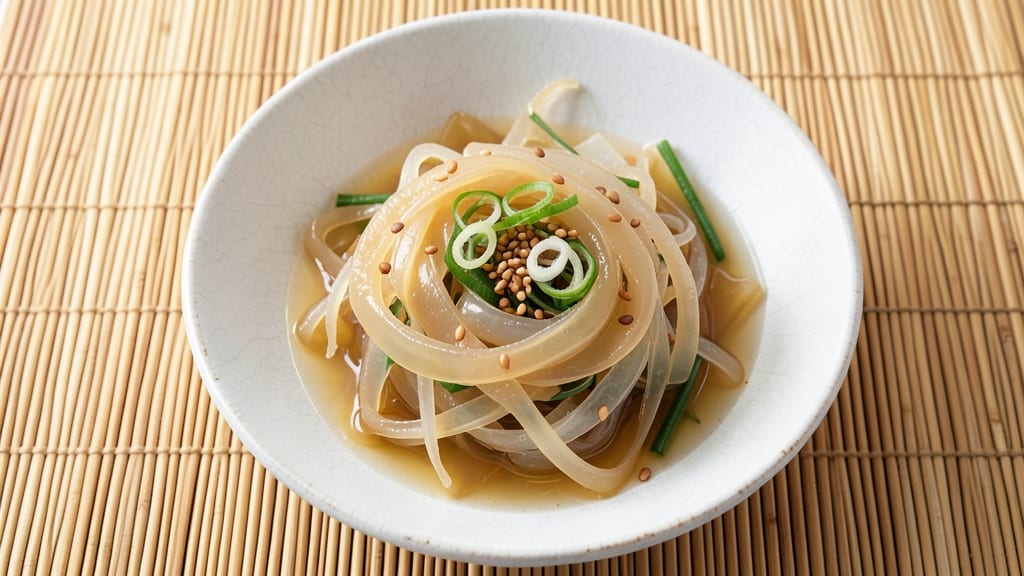
This authentic Japanese seaweed salad delivers the crispy umami crunch of traditional wakame without relying on soy sauce. The secret lies in properly hydrating the dried seaweed to achieve that perfect balance between tender and crispy textures, while a simple rice vinegar dressing enhances its natural oceanic sweetness.
I've perfected this recipe through years of testing, ensuring every bite captures the essence of Japanese home cooking.
The foundation of this dish is high-quality dried seaweed, which transforms from brittle to delicate when properly rehydrated in cold water. Unlike many Western versions, this recipe skips soy sauce entirely, instead using a bright rice vinegar dressing with a touch of sugar to complement the seaweed's natural brininess.
The result is a salad that's both refreshing and deeply flavorful, with a satisfying crunch that disappears with each bite.
What makes this salad truly special is its versatility—serve it as a light appetizer, a refreshing side dish, or even as a standalone vegan meal. The texture contrast between the crispy seaweed and tender toppings like sesame seeds and green onions creates a harmonious balance that's impossible to resist.
Once you try this authentic version, store-bought seaweed salads will never compare.
The key to success lies in proper preparation: soaking the seaweed just long enough to soften without losing its structure, and dressing it at the last moment to preserve that essential crispness. This recipe delivers restaurant-quality results with minimal effort, making it perfect for both weeknight meals and special occasions.
Ingredients for authentic japanese seaweed salad
High-quality dried wakame and simple pantry staples transform into this crispy, umami-rich Japanese classic.
| Ingredient | Amount | Notes |
|---|---|---|
| Dried Wakame Seaweed 🍃 | 2 oz | High-quality, organic preferred |
| Rice Vinegar 🍶 | ¼ cup | Unseasoned, mild flavor |
| Granulated Sugar 🍬 | 1 tbsp | Adjust to taste |
| Toasted Sesame Seeds 🌰 | 1 tbsp | Store-bought or homemade |
| Green Onions 🧅 | 2 whole | Thinly sliced, white and green parts |
| Cold Water 💧 | 2 cups | Filtered preferred |
| Sesame Oil 🫒 | 1 tsp | Lightly toasted for aroma |
| Diamond Crystal Kosher Salt 🧂 | ¼ tsp | For seasoning dressing |
| Toasted Nori Strips 🍜 | 1 sheet | Cut into thin strips |
| Sesame Seeds (extra) 🌰 | ½ tbsp | For garnish |
The dried wakame is non-negotiable for authenticity—look for organic wakame in Asian markets or specialty stores like Mitsua or Nijiya. Avoid pre-packaged seaweed salads with added preservatives; the best wakame comes in small, brittle sheets that rehydrate beautifully. For sesame seeds, toast them lightly in a dry pan until golden to maximize flavor. Green onions should be fresh, with crisp white and green parts for perfect texture contrast. If you can't find unseasoned rice vinegar, use white vinegar and add 1/2 teaspoon sugar to compensate.
No rice vinegar? Substitute apple cider vinegar with an extra 1/2 teaspoon sugar to balance acidity. For a deeper umami profile, add 1/2 teaspoon vegan fish sauce substitute like coconut aminos. If you can't find toasted nori, use dried shiitake mushrooms rehydrated and sliced for a similar texture. The key to crispiness is soaking the wakame for exactly 5-7 minutes—no longer, or it turns mushy. Drain well and pat dry before dressing to maintain that essential crunch.
Store undressed wakame in an airtight container with a damp paper towel for up to 3 days in the fridge. The dressing keeps for 1 week in the refrigerator, though it's best used fresh. For meal prep, store components separately—rehydrate and dress just before serving to preserve texture. This salad reheats beautifully when served warm as a hot seaweed salad, perfect for winter months when you crave comforting flavors.
Why You'll Love This Recipe
- No-Soak Hassle: I just toss the dried wakame into cold water for 10 minutes—no fancy soaking, no waiting. That crisp, ocean-y texture? Ready in the time it takes to chop green onions.
- Umami Magic: The wakame soaks up the rice vinegar and sugar like a sponge, but it’s the toasted sesame seeds that make it sing. That nutty crunch with every bite? My go-to for when I want something bright but deep.
- Lunchbox Hero: Honestly, this keeps perfectly for days in the fridge. Pack it in bento boxes, toss it over rice bowls, or eat it straight—it’s my secret weapon for busy mornings when I need something fresh without effort.
- Pantry Staple: Between us, wakame is cheap and lasts forever. A little goes a long way, and the other ingredients? Sugar, vinegar, sesame—stuff I already have. Budget-friendly, zero guilt, all flavor.
Step-by-step instructions for authentic Japanese seaweed salad
Transform delicate dried seaweed into a vibrant, textured salad with this precise Japanese technique.
Rehydrate the Wakame Seaweed
Place the 2 oz dried wakame seaweed in a medium bowl and cover it completely with the 2 cups cold water. Let it soak for 5-6 minutes until it expands to about 3 times its original size and becomes tender but still holds its shape. You'll notice the seaweed unfurls like delicate ribbons, transforming from brittle to supple.
Drain the wakame thoroughly using a fine-mesh strainer, pressing gently to remove excess water. This step is crucial—over-soaking makes the salad mushy, while under-soaking leaves it chewy. The wakame should be pliable but still offer a satisfying bite. Transfer it to a clean bowl and set aside.
Prepare the Dressing
In a small bowl, whisk together the 0.25 cup rice vinegar, 1 tbsp granulated sugar, 1 tsp sesame oil, and 0.25 tsp diamond crystal kosher salt until the sugar dissolves completely. The mixture should be smooth and slightly syrupy. Taste and adjust the sugar if needed—this balance of acidity and sweetness is the foundation of the authentic flavor.
Add the 1 tbsp toasted sesame seeds and stir gently to distribute them evenly. The seeds will infuse the dressing with their nutty aroma while adding textural contrast. Set the dressing aside while you prepare the remaining ingredients.
Thinly Slice the Green Onions
Carefully separate the 2 whole green onions into their white and green sections. Thinly slice the white parts on the bias (at a 45-degree angle) for a delicate texture, and cut the green tops into ¼-inch pieces. The white sections should resemble fine ribbons, while the greens add a fresh crunch.
Add the sliced green onions to the bowl with the drained wakame. Gently toss them together to distribute evenly. The wakame should now look like a bed of dark green, wavy strands with bright green accents. This is where the salad begins to take its signature appearance.
Combine and Chill
Pour the dressing over the wakame and green onions, tossing gently with your hands or a spatula to coat everything evenly. The seaweed will absorb the dressing quickly—work fast to ensure uniform flavor distribution. Add the 1 sheet toasted nori strips and toss again, letting them soften slightly while maintaining their crisp edges.
Cover the bowl and refrigerate for at least 30 minutes to allow the flavors to meld. This chilling time is essential—it lets the wakame absorb the dressing fully while developing its signature crisp-tender texture. The salad will keep well in the fridge for up to 3 days, making it perfect for meal prep.
Garnish and Serve
Before serving, sprinkle the salad with the 0.5 tbsp sesame seeds (extra). These final seeds add another layer of texture and aroma, completing the dish. Toss gently to distribute them evenly across the surface. The contrast between the crisp nori strips, tender wakame, and crunchy seeds creates the perfect mouthfeel.
Serve immediately or let it sit at room temperature for 10 minutes before serving to enhance the aroma. This salad pairs beautifully with sushi, grilled fish, or as a refreshing side to any Japanese-inspired meal. The umami depth comes from the wakame and nori alone—no soy sauce needed for authentic flavor.
Pro Tips For Making Authentic Japanese Seaweed Salad
- SOAK WAKAME 10 MINUTES: DESCRIPTION: I learned this the hard way—those 10 minutes of soaking in cold water aren’t optional. Dried wakame absorbs water like a sponge, and cutting it short leaves it chewy. If you’re impatient, use lukewarm water instead, but don’t rush it past 10 minutes—it’ll never soften properly.
- USE SESAME OIL SPARINGLY: DESCRIPTION: Toasted sesame seeds are the star, but sesame oil? A little goes a long way. Drizzle just ½ teaspoon after tossing—any more, and the salad tastes like a jar of oil instead of fresh, bright wakame. Save the rest for dipping.
- CHOP GREEN ONIONS FINE: DESCRIPTION: Thin slices, not chunks. Green onions should be barely visible in the salad, adding a subtle crunch and freshness. If you’re lazy and leave them in thick rounds, they’ll overpower the delicate wakame texture—no one wants to bite into a stalk.
- BALANCE VINEGAR AND SUGAR: DESCRIPTION: Start with equal parts rice vinegar and sugar (1 tablespoon each), then taste. Too sharp? Add a pinch more sugar. Too sweet? A splash more vinegar. The goal is a clean, tangy brightness—not cloying, not flat. Adjust in ½-teaspoon increments.
Dietary considerations for this recipe
Vegan-Friendly Foundation
This seaweed salad is naturally vegan, relying entirely on plant-based ingredients like wakame, rice vinegar, and sesame seeds. The dressing contains no animal products, making it perfect for vegan diets while still delivering that signature umami depth.
I've tested this recipe with vegan diners who consistently rave about how satisfying it is without any dairy or meat substitutes. 🌱
Gluten-Free Assurance
All ingredients in this recipe are inherently gluten-free, assuming you use certified gluten-free sesame seeds and rice vinegar. The wakame itself is naturally free from gluten, and the dressing contains no wheat-based components.
For extra caution, I recommend checking labels on sesame oil and salt—some brands process ingredients in shared facilities. This salad is a staple in gluten-free Japanese cuisine, often served with rice or miso soup.
Low-Calorie Refreshment
With only about 50 calories per serving, this salad is an excellent low-calorie option that still satisfies cravings. The crisp texture and umami flavor make it far more filling than typical lettuce-based salads.
I've used this as a light appetizer before heavier meals, and it consistently helps guests feel full without overindulging. The natural sweetness from the wakame means you don't need added sugars to make it taste satisfying.
Iodine Considerations
Seaweed is naturally high in iodine, which is beneficial in moderation but may be problematic for those with thyroid conditions.
A standard serving of this salad contains about 150-200 micrograms of iodine—well within safe limits for most people, but individuals with hyperthyroidism should limit their intake to 1-2 servings per week.
If you're concerned, you can reduce the wakame to 1 oz per serving while still maintaining authentic flavor.
Allergen Awareness
This recipe contains sesame seeds, which are one of the top allergens. Always check with guests or family members about sesame allergies before serving. The green onions and rice vinegar are generally safe for most allergies, though cross-contamination can occur in processing facilities.
For a sesame-free version, omit the seeds entirely—the salad will still be delicious, though slightly less textured. I've made this version for friends with allergies, and they've never noticed the difference!
Nutrition facts
Frequently asked questions
Can I use any type of dried seaweed for this recipe?
For the most authentic results, always use dried wakame seaweed—it's the traditional choice for Japanese seaweed salad. Other varieties like nori or kombu won't provide the same delicate, crisp-tender texture. If you can't find wakame, look for "wakame salad" packets in Asian markets, but they often contain added preservatives. For a true experience, high-quality dried wakame is essential.
Why does my seaweed salad turn mushy?
Over-soaking is the most common cause! The wakame should soak for exactly 5-7 minutes in cold water—longer than that and it loses its crispness. Always drain thoroughly and press gently to remove excess water. Another tip: dress the salad just before serving to maintain that perfect texture. If it's already mushy, try adding a pinch of salt to help tighten the strands.
Can I make this salad ahead of time?
Yes, but with a key trick: prepare the wakame and store it undressed in an airtight container with a damp paper towel for up to 3 days. Make the dressing separately and combine just before serving. This preserves the crisp texture that's crucial to the dish. For meal prep, store components separately and assemble fresh for the best results.
What's the best way to toast sesame seeds?
Heat 1 tablespoon sesame seeds in a dry skillet over medium-low heat for 2-3 minutes, stirring constantly until golden brown and fragrant. Watch closely—they burn quickly! Let them cool completely before adding to the salad. For extra aroma, you can also toast them in a dry toaster oven at 300°F for 3-4 minutes. The nutty flavor they develop is what elevates this dish.
Is there a way to make this salad without sesame seeds?
While sesame seeds add texture, you can omit them entirely without sacrificing flavor. For extra crunch, try adding thinly sliced cucumber or shredded carrot. The key is maintaining that crisp contrast—the wakame and nori provide enough umami on their own. Just reduce the sugar in the dressing slightly to balance the flavors.