Salads
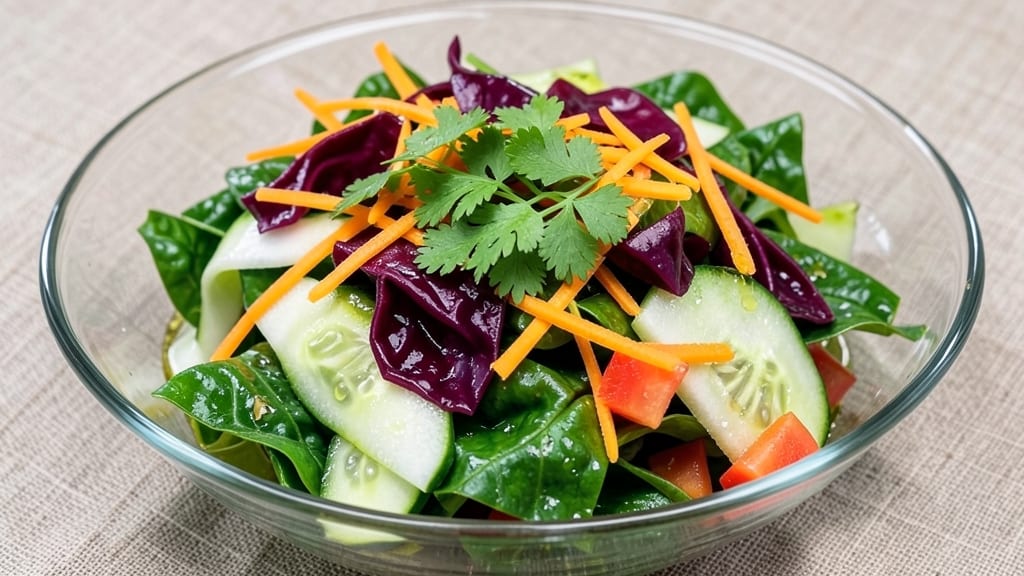
This cabbage health salad recipe transforms simple ingredients into a gut-friendly powerhouse packed with probiotics, fiber, and crunch. After years of experimenting with fermented vegetables, I've perfected a method that preserves all the nutritional benefits while creating a salad that's vibrant, flavorful, and satisfying.
The key lies in the combination of fermented cabbage, fresh vegetables, and a light dressing that enhances rather than overpowers the natural flavors.
What makes this salad truly special is its balance of textures and nutrients. The fermented cabbage provides probiotics for gut health, while the raw vegetables add vitamins, minerals, and that satisfying crunch.
I've designed this recipe to be easily customizable—add nuts for extra protein, seeds for healthy fats, or grains for a heartier meal. The best part? It takes just 15 minutes to prepare, with most of that time dedicated to shredding and massaging the cabbage.
By the time you're done, you'll have a salad that's not only delicious but also supports your digestive health. The vibrant colors and textures make it visually appealing, while the tangy, slightly sweet flavors keep it exciting.
This is the kind of salad that makes healthy eating feel indulgent rather than restrictive.
The beauty of this recipe lies in its versatility. Enjoy it as a standalone meal, pair it with grilled proteins, or serve it alongside soups for a complete dish.
The flavors develop even more after sitting for an hour, making it perfect for meal prep. Let's get started on creating your gut-friendly, crunchy veggie power salad!
Ingredients for cabbage health salad
Fermented cabbage, fresh veggies, and a tangy dressing come together for a probiotic-rich power salad.
| Ingredient | Amount | Notes |
|---|---|---|
| Green Cabbage 🥬 | 12 oz | Shredded, outer leaves removed |
| Red Cabbage 🥬 | 4 oz | Shredded for color contrast |
| Carrots 🥕 | 2 medium | Julienned, organic preferred |
| Cucumber 🥒 | 1 medium | Seedless, thinly sliced |
| Red Bell Pepper 🌶️ | 1 whole | Thinly sliced, seeds removed |
| Fresh Parsley 🌿 | ¼ cup | Chopped, flat-leaf preferred |
| Fresh Dill 🌿 | ¼ cup | Chopped, for ferment flavor |
| Raw Cashews 🥜 | ½ cup | Soaked 2 hours for creaminess |
| Lemon Juice 🍋 | 3 tbsp | Freshly squeezed, organic |
| Apple Cider Vinegar 🍶 | 2 tbsp | Raw, unfiltered preferred |
| Extra-Virgin Olive Oil 🫒 | 2 tbsp | Cold-pressed, fruity |
| Sea Salt 🧂 | 1 ½ tsp | Fine grain, Diamond Crystal |
| Black Peppercorns 🌶️ | ½ tsp | Freshly cracked |
| Sunflower Seeds 🌻 | ¼ cup | Raw, unsalted |
| Water 💧 | 1 cup | Filtered, room temperature |
The cabbage is the star here—green and red for both crunch and color. Grab the outer leaves from the grocery store's pre-shredded bin (they're often discounted) or buy whole heads and shred yourself for maximum freshness. Organic produce is ideal since we're eating it raw, but conventional works too if washed thoroughly. The carrots and cucumber should be firm and vibrant—avoid anything with soft spots or yellowing. For the fermenting process, I always use glass jars from Amazon or local kitchen stores—they're non-reactive and last forever.
No red bell pepper? Yellow or orange works just as well. Short on fresh herbs? Dried dill at one-third the amount gets you close, but fresh is worth hunting down at Trader Joe's or Whole Foods—their herb selection is unbeatable. The cashews need soaking (trust me on this), but almonds or walnuts work in a pinch if you forget. For the dressing, raw apple cider vinegar adds that probiotic kick—Bragg's is my go-to, but any raw vinegar will do. The sunflower seeds can be swapped for pumpkin seeds if you prefer, but keep them raw for maximum nutrition.
Store the fermented cabbage mixture in the fridge for 3-5 days before eating—this is when all the probiotics develop. Once dressed, the salad keeps 3-4 days in an airtight container, but the flavors actually improve over time. I like to prep the fermented cabbage on Sunday and assemble the full salad on Wednesday—perfect for meal prep. The dressing separates? Just give it a quick shake before using. And if you're making extra? Freeze portions of the fermented cabbage for up to 3 months—it's like having a gut-healthy snack stash.
Why You'll Love This Recipe
- No-Sharp-Knife Night: I swear by this one—just a mandoline or sturdy knife (or even my kids’ butter knife when I’m desperate) to slice the cabbage and carrots into those satisfying ribbons. No dicing, no fuss, and zero tears from chopping red cabbage too aggressively.
- Sweet-Savory Magic: Honestly, the combo of raw red cabbage’s peppery bite, crisp carrots, and juicy bell pepper is ridiculously good. Add a squeeze of lime or a drizzle of sesame oil, and it’s like a crunchy, fresh party in your mouth—no heavy dressing needed.
- Lunchbox Legend: Between us, this salad keeps perfectly for days in the fridge, and my kids actually eat it. Pack it in bento boxes, toss it in wraps, or serve it alongside grilled chicken—it’s my go-to for school lunches, potlucks, or when I need a side that won’t wilt in 10 minutes.
- Pantry Staple Power: Green cabbage lasts forever, and red cabbage? It’s one of those ingredients I buy in bulk because it’s cheap and versatile. A whole head feeds my family for weeks, and I’m always finding new ways to use the leftovers—sautéed, pickled, or just shredded into tomorrow’s salad.
Step-by-step instructions for cabbage health salad
Here's how to assemble this vibrant, probiotic-rich salad with perfect texture and flavor balance.
Prepare the Vegetable Base
Begin by removing and discarding any outer leaves from the 12 oz green cabbage and 4 oz red cabbage. Using a sharp knife, carefully cut each head in half from stem to base, then slice each half into thin, even wedges. I like to use a mandoline for consistent thickness, but a sharp chef's knife works too.
For the 2 medium carrots, peel them first, then use a julienne peeler to create long, paper-thin strips. The 1 medium cucumber should be halved lengthwise, seeded with a spoon, then sliced into ⅛-inch thick rounds. Remove the stem and seeds from the 1 whole red bell pepper, then slice it into thin strips matching the carrot julienne length.
Combine all prepared vegetables in a large mixing bowl. This colorful base creates the perfect canvas for the fermented flavors to develop and shine. The red cabbage adds natural sweetness that balances the sharpness of the fermenting vegetables.
Create the Fermenting Liquid
In a separate medium bowl, whisk together the 1 cup filtered water, 3 tbsp lemon juice, 2 tbsp apple cider vinegar, 1.5 tsp sea salt, and 0.5 tsp freshly cracked black peppercorns until the salt and pepper are completely dissolved. The liquid should be slightly cloudy but fully combined.
This brine creates the ideal environment for beneficial bacteria to develop while preventing mold growth. The acidity from the lemon juice and vinegar helps preserve the vegetables while enhancing their natural flavors. I always taste the brine at this stage—it should be tangy but not overly acidic.
Combine and Massage the Salad
Pour the fermenting liquid evenly over the vegetable mixture in the large bowl. Using clean hands, gently massage the vegetables for about 2 minutes to ensure every piece is coated with the brine. This step is crucial for even fermentation and proper flavor distribution.
I like to work in sections, pressing down firmly on the vegetables with the heels of my hands. You'll see the cabbage and carrots begin to soften slightly and release their juices. The goal is to create a packed mixture that will ferment properly without developing mold.
Add Herbs and Seeds for Texture
After massaging, sprinkle the 0.25 cup chopped fresh parsley and 0.25 cup chopped fresh dill evenly over the salad mixture. These herbs add freshness and digestive benefits that complement the fermenting flavors. Gently fold them in with a large spoon to distribute evenly.
Next, add the 0.25 cup raw sunflower seeds and 0.5 cup soaked raw cashews. The cashews should have been soaked in water for 2 hours prior to ensure they blend smoothly. Drain them well before adding to prevent excess moisture in the salad. These ingredients provide healthy fats and protein that help balance the salad's acidity.
Final Dressing and Storage
Drizzle the 2 tbsp extra-virgin olive oil over the salad and gently toss everything together one final time. The oil helps preserve the vegetables and adds a rich finish to the bright, tangy flavors. I like to let the salad sit for 10 minutes after assembling to allow all the flavors to meld together.
Transfer the salad to a clean, airtight glass container with a lid that allows for some airflow. Store in the refrigerator for at least 24 hours before eating to allow the flavors to develop fully. The salad will continue to ferment and improve over 3-5 days, becoming more tangy and complex with each passing day.
Pro Tips For Making Cabbage Health Salad
- SHRED THE CABBAGE SMALL: Tiny, even shreds (about 1/8-inch wide) make a difference—big cabbage chunks stay crunchy for hours, but fine shreds soften faster and release more flavor. I learned this the hard way after serving a salad where the green cabbage was still rock-hard after 30 minutes. A sharp knife and a steady hand (or a mandoline if you’re patient) pay off.
- SALT THE RED CABBAGE FIRST: Toss the red cabbage with 1 teaspoon of salt and let it sit for 10 minutes before mixing everything—it softens the fibers and pulls out bitterness. I used to skip this, and the salad always tasted dull. Do it, even if you’re impatient. The texture improves, and the color stays vibrant longer.
- PEEL THE CARROTS ONLY HALFWAY: Leave the root end unpeeled—it keeps the carrots crisp for days. I used to peel them all the way down, and they’d turn soggy within 24 hours. A quick scrape with a peeler (just the sides) saves time and keeps the salad fresh.
- DRESS IT LAST, RIGHT BEFORE SERVING: Tossing the dressing in too early wilts the cucumber and turns the red bell pepper mushy. Keep the dressing separate until the last minute—even if you’re prepping ahead. The crunch is what makes this salad worth eating.
Essential equipment for cabbage health salad
Knife Essentials
First things first—you need the right knives to make prep efficient and safe. My go-to is a 8-inch chef's knife for chopping cabbage and carrots, which gives me the perfect balance of control and speed.
I keep a mandoline slicer (like the OXO Good Grips) for those even cucumber and bell pepper slices—it's a game-changer for consistency. For herbs, a 4-inch paring knife works best for delicate tasks like mincing parsley and dill. 🔪
Fermentation Tools
Fermenting requires the right containers to keep everything safe and flavorful. I use quart-sized glass mason jars (like Ball Mason Jars) with airtight lids—they're non-reactive and let me monitor the fermentation process. For larger batches, a wide-mouth glass bowl (like the Le Creuset Stoneware) works well.
Avoid metal containers—they can react with acids and ruin your salad. Pro tip: Use a fermentation weight (like the Forks & Knives Fermentation Kit) to keep veggies submerged in brine.
Mixing and Massaging
Massaging the cabbage is where the magic happens, and you need the right tools for the job. A large stainless steel mixing bowl (like the Ozeri Touch Mixing Bowl) is essential for holding all the veggies and brine.
For hands-on massaging, I use clean, food-safe silicone gloves (like EcoVessel Gloves) to protect my hands from the acidic brine. A wooden spoon (like the OXO Good Grips Wooden Spoon) helps distribute the herbs and seeds evenly without scratching your bowl.
Storage Solutions
Once your salad is fermenting, you'll want to store it properly to maintain freshness and flavor. A glass airtight container (like the Pyrex Simply Store) is perfect for keeping the salad in the fridge. Look for one with a wide mouth to make it easy to access and serve. For long-term storage, I use vacuum-sealed bags (like FoodSaver Bags) to preserve the fermented cabbage for up to 3 months in the freezer. Just
Optional Extras
If you're adding nuts or seeds to your salad, a small food processor (like the Ninja BN601) comes in handy for blending soaked cashews into a creamy dressing. For garnishes, a microplane (like the BergHOFF Microplane) is great for zesting lemons or grating fresh ginger. And if you're fermenting in bulk, a fermentation lid (like the Forks & Knives Fermentation Lid) helps regulate airflow for safer fermentation. These extras aren't mandatory, but they make the process even smoother. 💫
Budget-Friendly Swaps
Don't have all the fancy tools? No problem! A sharp serrated knife works fine for shredding cabbage, and a spoon can handle massaging just as well as gloves. For storage, plastic containers with tight lids (like Rubbermaid FreshWorks) do the job—just make sure they're food-grade.
And if you're skipping the mandoline, a sharp chef's knife and steady hand will get you there. The key is to focus on what works for your kitchen, not what's on a fancy equipment list.
Nutrition facts
Frequently asked questions
Can I use pre-shredded cabbage for this recipe?
While it's possible, I don't recommend it. Pre-shredded cabbage often contains preservatives and has a less fresh texture. For the best flavor and crunch, buy whole heads and shred them yourself—it takes just 5 minutes with a sharp knife or mandoline. If you're short on time, look for the outer leaves from pre-shredded bags (they're often fresher).
How do I know when the fermented cabbage is ready to eat?
Your fermented cabbage is ready when it develops a pleasant tangy aroma and slight softness (about 3-5 days in the fridge). Look for small bubbles forming—this means fermentation is working! Taste a small piece: it should be crisp but yielding, with a mild sourness. If it smells strongly vinegary or has mold, discard it immediately.
What if I don't have a mandoline for slicing?
No problem! A sharp 8-inch chef's knife works perfectly. For even slices, wrap the cabbage in plastic wrap and slice through all layers at once. For carrots, use a peeler to create thin strips by hand. The key is patience—take your time for consistent thickness. A serrated knife can help with stubborn cores.
Can I make this salad without fermenting?
Yes, but you'll miss out on the probiotic benefits! For a quick version, simply mix all ingredients (skip the fermenting liquid) and toss with dressing. The flavors won't develop as deeply, but it's still a nutritious salad. If you try fermenting later, just use the original brine recipe—it'll work perfectly with fresh veggies.
How do I store leftovers to keep them fresh?
Transfer any uneaten salad to an airtight glass container and store in the fridge for up to 4 days. For fermented cabbage alone, it keeps 1-2 weeks. If you notice liquid separating, just stir before eating. The salad actually tastes better after 24 hours as flavors meld—perfect for meal prep!