
Salads
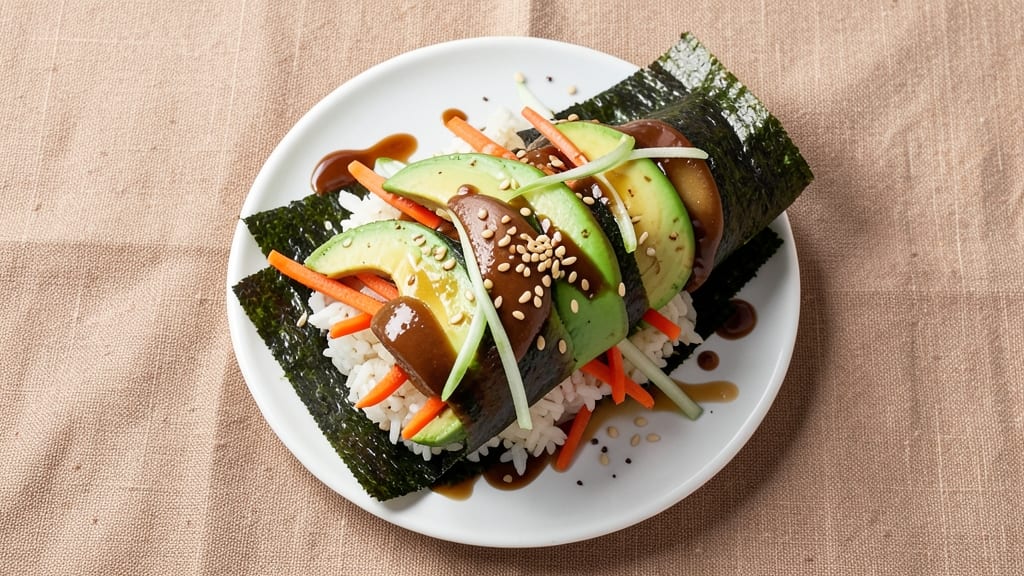
This avocado salad roll recipe delivers the perfect balance of creamy, crunchy, and fresh flavors in every bite—no sushi skills required. The secret lies in layering ripe avocado, crisp vegetables, and fluffy rice, then rolling them into bite-sized, handheld wraps that taste like a vacation in a single forkful.
Whether you're a sushi newbie or a seasoned pro, these rolls are foolproof and packed with plant-based protein.
What sets these rolls apart is the texture contrast—tender avocado blends with crunchy carrot and cucumber, while sesame seeds add a nutty finish. The rolling technique is simple: spread rice on nori sheets, add your fillings, and roll tightly before slicing into perfect portions.
No special tools needed—just patience and a sharp knife. Serve with soy sauce, spicy mayo, or vegan wasabi for the ultimate customizable experience.
The best part? These rolls are completely customizable—swap in mango for sweetness, tofu for extra protein, or sprouts for freshness. They’re vegan-friendly, packed with nutrients, and ready in under 30 minutes.
Each bite delivers a harmonious mix of textures and flavors that’ll have you reaching for seconds. Let’s get rolling!
Perfect for meal prep, potlucks, or a quick lunch, these avocado salad rolls prove healthy eating can be both satisfying and elegant. The key to success? Fresh ingredients and gentle rolling—no stress, just delicious results. Ready to transform your salad game?
Ingredients for avocado salad roll
Fresh avocados, crisp veggies, and fluffy rice create these vibrant, handheld bites—no sushi skills needed.
| Ingredient | Amount | Notes |
|---|---|---|
| Ripe Avocados 🥑 | 2 whole | Pitted, scooped into creamy chunks |
| Short-Grain White Rice 🍚 | 1 cup | Uncooked, sushi rice preferred |
| Carrots 🥕 | 1 medium | Julienned into thin strips |
| Cucumber 🥒 | 1 English | Seeded, thinly sliced lengthwise |
| Nori Sheets 🍣 | 8 pieces | Standard 7-inch size |
| Sesame Seeds 🌾 | 1 tbsp | Toasted for nutty crunch |
| Extra-Firm Tofu 🍱 | ½ lb | Drained, pressed, cubed |
| Lime Wedges 🍋 | 2 whole | Freshly squeezed for brightness |
| Rice Vinegar 💧 | 2 tbsp | Seasoned with 1 tsp sugar |
| Soy Sauce 🍶 | 2 tbsp | For dipping sauce |
| Spicy Vegan Mayo 🥄 | ¼ cup | Store-bought or homemade |
| Fresh Cilantro 🌿 | ¼ cup | Chopped, optional garnish |
| Sea Salt 🧂 | ½ tsp | Fine grain preferred |
| Sesame Oil 🫒 | 1 tsp | For rice seasoning |
The avocados are your flavor foundation—pick ripe but firm ones (they should yield slightly to gentle pressure). Whole Foods or local markets usually have the best selection, but any grocery store will do. For the nori sheets, Koyo or Marukyu brands are the gold standard—avoid the thin, brittle ones that tear easily. The rice is non-negotiable: short-grain sushi rice absorbs the vinegar perfectly, giving that signature sticky texture. If you can't find it, jasmine rice works in a pinch, though it'll be slightly less cohesive. Toast your sesame seeds in a dry pan for 30 seconds—they'll release their aroma and add that essential nutty crunch.
No ripe avocados? Slightly underripe ones work—let them sit at room temperature for an hour before using. Swapping tofu for mango? Use 1 cup of diced mango instead, but reduce the lime juice to 1 tablespoon to balance sweetness. Cucumber hating the heat? Chill the slices in ice water for 10 minutes before assembling. For the spicy mayo, Hellmann's Vegan or Sir Kensington's are my go-tos, but any vegan mayo with a dash of sriracha works. The rice vinegar should be seasoned—check labels or mix your own with 1 teaspoon of sugar. And if you're feeling fancy, add a sprinkle of toasted coconut flakes for a tropical twist.
Prep ahead like a pro: Cook the rice and mix it with vinegar/sesame oil the night before—it keeps beautifully in the fridge for 2 days. The avocado filling should be made last-minute (it browns fast), but the veggie prep can be done hours ahead. Store unassembled rolls in an airtight container with parchment between layers for up to 24 hours. Freezing isn't recommended—the nori gets soggy. For meal prep, assemble the rolls fresh and slice just before serving. These taste even better the next day once the flavors meld, so double the batch if you can—they disappear fast.
Why You'll Love This Recipe
- No-Cook Fillings: Honestly, I love that the rice and veggies just sit while I handle the nori—no chopping until the very end. The avocado and cucumber barely need prep; a quick mash and slice, and you’re golden.
- Umami-Packed Crunch: That nori sheet? It’s the star. Toast it lightly, and the crispy edge contrasts perfectly with the creamy avocado and sweet carrots. The rice soaks up all the flavors like a sponge.
- Lunchbox Hero: Between us, this is my go-to for work lunches or kids’ school meals. Wrap it tight, and it stays fresh for hours—no soggy rice here. My son even asks for it on Fridays. (Yes, even on a Tuesday night.)
- Budget Flexibility: Short-grain rice and seasonal veggies keep costs low, but the nori adds that restaurant-worthy touch. Leftovers? Just reheat the filling and roll fresh—no waste, all flavor. My wallet and taste buds thank me.
Step-by-step instructions for avocado salad rolls
Here's how to craft these vibrant, crunchy sushi-style rolls with perfect texture and flavor.
👨🍳 Step 1: Prepare the Avocado Salad Filling
In a medium bowl, gently mash the scooped avocado chunks with a fork until just combined—you want a creamy but slightly textured filling, not completely smooth. Add the juice from the lime wedges, the 0.25 cup spicy vegan mayo, and the 0.25 cup chopped cilantro. Mix lightly to preserve the avocado's natural structure. Season with the 0.5 teaspoon sea salt and taste—this is your flavor base. The filling should be bright green with just a hint of lime tang and spicy kick. If it needs more zing, add a pinch more salt or a squeeze of lime.
Here's the thing—don't overmix. You want visible avocado flecks in your rolls for that restaurant-quality look. Cover the bowl and set aside while you prepare the other components. The avocado will darken slightly as it sits, but that's normal and actually enhances the flavor when combined with the other ingredients.
🍳 Step 2: Cook and Season the Sushi Rice
Rinse the 1 cup short-grain white rice under cold water until the water runs clear, then drain well. Cook according to package instructions, but use slightly less water than recommended—you want the rice to be moist but not sticky. Once cooked, transfer to a large bowl and let it cool for 5 minutes.
While the rice is still warm, stir in the 1 teaspoon sesame oil and 0.5 teaspoon sea salt. Gently fold in the 2 tablespoons rice vinegar and 1 tablespoon toasted sesame seeds. The rice should be seasoned but not wet—it should hold its shape when pressed between fingers. If it feels too dry, add a teaspoon of water. Spread the rice on a tray lined with parchment paper and let it cool completely before using. This prevents your rolls from becoming soggy.
🥘 Step 3: Assemble the Crunchy Veggie Bites
Press the 0.5 pound extra-firm tofu between paper towels for 15 minutes to remove excess moisture, then cut into small cubes. Heat a non-stick skillet over medium heat with 1 teaspoon sesame oil. Add the tofu cubes and cook for 4-5 minutes until golden brown on all sides. Remove and set aside on a paper towel-lined plate.
Julienne the carrot into thin strips and slice the cucumber lengthwise into thin ribbons. Toss both with 1 teaspoon soy sauce and let sit for 5 minutes to soften slightly. This preparation creates the perfect crunchy contrast to the creamy avocado filling. The tofu should be firm and lightly crispy, while the vegetables remain crisp but slightly tender. Arrange these components on a plate for easy access during assembly.
🥘 Step 4: Build and Roll the Salad Rolls
Place a nori sheet shiny-side down on a bamboo rolling mat. Spread a thin, even layer of the seasoned rice over the nori, leaving about 1 inch bare at the top. Spoon 1-2 tablespoons of the avocado salad mixture about 1 inch from the bottom edge of the rice.
Arrange 2-3 tofu cubes, some carrot strips, and cucumber ribbons along the avocado line. Here's the trick—don't overfill or your rolls will burst. Fold the bottom edge of the mat over the filling, then roll tightly using the mat to guide you. Seal the edge with a dab of rice on the exposed nori. Repeat with remaining ingredients, making 4 rolls total. The rolls should be compact but not too tight—you want them to hold their shape when sliced.
🍽️ Step 5: Slice and Serve with Dipping Sauce
Using a sharp, wet knife, slice each roll into 6 equal pieces. The knife should be dampened between cuts to prevent sticking. Arrange the pieces on a platter and garnish with any remaining sesame seeds and chopped cilantro. For the dipping sauce, whisk together the 2 tablespoons soy sauce and 1 tablespoon rice vinegar in a small bowl.
Serve immediately for the best texture contrast—crispy tofu, crunchy vegetables, and creamy avocado all working together. The rolls should hold their shape when sliced, with no filling oozing out. If they feel too firm, let them sit at room temperature for 5 minutes before serving. Pair with the dipping sauce for an extra layer of umami flavor that complements the fresh avocado perfectly.
Pro Tips For Making Avocado Salad Roll
- MASH AVOCADOS SMOOTH: Skip the chunky texture—mash the avocado with a fork until it’s silky, then fold in the rice and veggies. Lumpy avocado means a messy roll; smooth avocado binds everything together like glue.
- COOK RICE TO PERFECT DRYNESS: Undercooked rice turns your rolls into a soggy disaster. Test doneness by pressing a grain—if it springs back, it’s ready. Short-grain rice should be firm but tender, not sticky or wet.
- SLICE CARROTS THINLY: Use a mandoline or sharp knife for even, paper-thin strips—thick slices won’t soften enough and ruin the texture. Soak them in cold water for 10 minutes first to remove excess starch.
- TOAST NORI QUICKLY: Heat your nori sheets for just 5 seconds over a gas flame (or 2 seconds in a toaster) until fragrant—longer than that, and they’ll burn. Warm nori bends better and sticks to fillings without cracking.
Essential equipment for this dish
Bamboo Rolling Mat
A bamboo rolling mat is your best friend for avocado salad rolls—it provides the perfect balance of flexibility and structure. I recommend a 12-inch x 18-inch mat with a textured surface for grip, like the Norpro 12" Bamboo Sushi Mat.
The mat helps you roll tightly without tearing the nori sheets, and the raised edges make it easier to guide the roll. If you don’t have one, a clean kitchen towel works in a pinch, but it won’t give you the same control. 🥣
Sharp Knife for Slicing
You’ll need a sharp, long knife (like a sashimi or chef’s knife) to slice the rolls cleanly. A Japanese sushi knife is ideal, but a high-quality 8-inch chef’s knife works too. Dull knives crush the rolls and make uneven cuts.
I like the Mercer Culinary Genesis—it’s affordable and stays sharp longer. Always wet your knife between slices to prevent sticking and ensure smooth cuts. 🔪
Nori Sheet Storage
Store your nori sheets in an airtight container or resealable bag with a damp paper towel to keep them flexible. I keep mine in the fridge for up to 2 weeks—this prevents them from drying out or becoming brittle.
If your nori feels stiff, place it between two damp paper towels for 5-10 minutes to soften before rolling. Never store nori in the freezer; it loses texture and becomes unusable. 🍣
Rice Cooker or Pot
For perfect sushi rice, a dedicated rice cooker (like the Zojirushi NS-LAC10) is a game-changer—it cooks rice evenly every time. If you’re cooking on the stovetop, use a heavy-bottomed pot to prevent scorching.
The rice should be moist but not mushy, so follow package instructions closely. I always rinse the rice 3-4 times to remove excess starch, which makes the rolls stick together better. 🍚
Sesame Oil Sprayer
A sesame oil spray bottle (or small squeeze bottle) makes seasoning the rice effortless. I use a glass spray bottle to lightly mist the rice with 1 tsp sesame oil before mixing in the vinegar.
This distributes the oil evenly without making the rice greasy. Avoid using too much—just enough to coat the grains lightly. A spray bottle also helps when adding rice vinegar to avoid clumping. 🫒
Cutting Board with Non-Slip Mat
Use a large cutting board (at least 12x18 inches) with a non-slip mat to keep your ingredients stable while prepping. I prefer a bamboo or plastic board—they’re gentle on knives and easy to clean.
Place a damp paper towel under the nori sheet before rolling to prevent sticking. For extra security, use a small bowl of water to dampen your fingers slightly while handling the nori. 🧺
Nutrition facts
Frequently asked questions
Can I make these avocado salad rolls without nori sheets?
For a different texture, wrap the filling in large lettuce leaves (like romaine or butter lettuce) or use whole wheat tortillas. If using tortillas, lightly toast them first to prevent sogginess. The key is to keep the filling compact—just roll tightly and slice carefully.
How do I prevent the avocado from turning brown in the rolls?
Mix the avocado filling last and add a squeeze of lime juice right before rolling. The acidity slows browning. Also, keep the rolls in an airtight container with parchment paper between layers to minimize oxidation. If browning happens, the flavor won't be affected—it's just less visually appealing.
What's the best way to store leftovers?
Store unassembled rolls in an airtight container with parchment between layers for up to 24 hours. For best texture, assemble fresh and slice just before serving. If storing sliced rolls, keep them in the fridge for no more than 6 hours—the nori can get soggy. Reheat in a steamer for 10-15 seconds to restore crispness.
Can I make these rolls gluten-free?
Yes! Use gluten-free tamari instead of soy sauce and gluten-free nori sheets (check labels). For extra security, verify all ingredients—some rice vinegars contain wheat. The recipe remains 100% plant-based and gluten-free with these swaps.
Why did my rolls fall apart when slicing?
This usually happens if the rice is too wet or the roll wasn't tightly sealed. Make sure your rice is cooled completely before rolling and press the edges firmly. Also, use a sharp, wet knife for clean cuts—dull knives crush the structure. Practice makes perfect!