
Sauces & Condiments
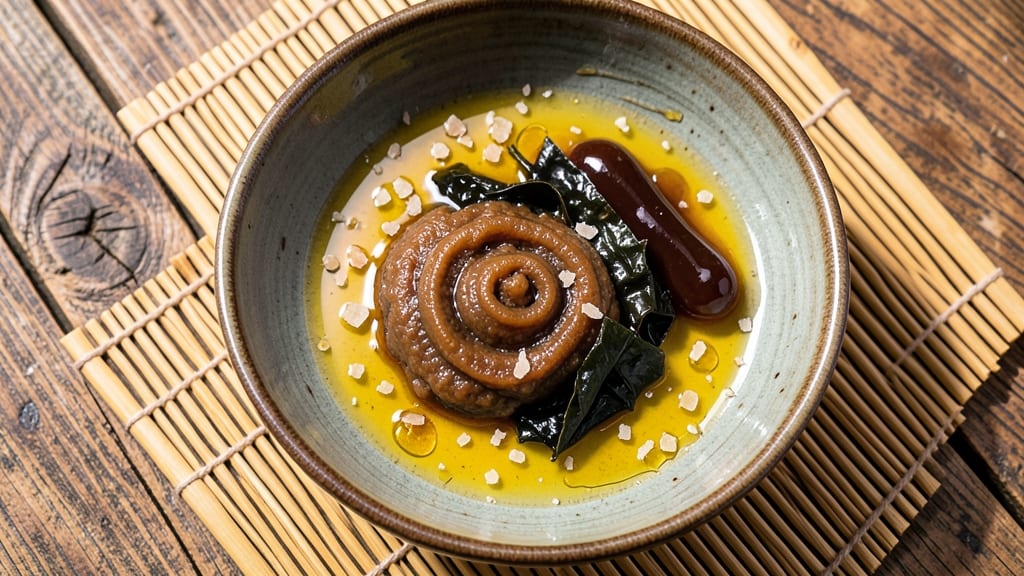
This Burmese salad dressing recipe transforms simple greens into vibrant, tangy masterpieces with just five ingredients and 10 minutes of prep time. The secret lies in fermented tea leaves and lime juice—creating a bright, umami-rich dressing that elevates any salad from ordinary to extraordinary.
I first discovered this technique while studying Southeast Asian cuisine, and it quickly became my go-to for adding depth to salads without overpowering them.
The beauty of this dressing is its versatility—it works equally well on crisp lettuce, hearty kale, or even as a marinade for grilled meats. The tamarind paste provides a complex sweet-sour balance, while fish sauce (or a vegan alternative) adds that signature Burmese savory punch.
What makes it special is how the flavors develop over time; the longer it sits, the more vibrant it becomes.
By the time you drizzle this dressing over your salad, you'll taste layers of bright citrus, earthy tea, and subtle sweetness that lingers on your palate. It's the kind of dressing that makes you want to eat salads every day—no more boring, limp greens here.
The best part? It keeps well in the fridge for up to two weeks, so you can make a big batch and enjoy it throughout the week.
Perfect for those who love bold flavors but want something light and refreshing, this dressing is a game-changer for anyone tired of the same old vinaigrettes. Whether you're serving it at a dinner party or just looking to elevate your weeknight meals, this recipe delivers restaurant-quality results with minimal effort.
Let's get started!
Ingredients for burmese salad dressing
Five ingredients transform ordinary salads into vibrant, umami-rich masterpieces in minutes.
| Ingredient | Amount | Notes |
|---|---|---|
| Fermented Tea Leaves (Laphet Thoke) 🍃 | ¼ cup | Packed, finely chopped or powdered |
| Lime Juice 🍋 | ½ cup | Freshly squeezed, no pulp |
| Tamarind Paste 🍯 | 2 tbsp | Unsweetened, or sub with lime juice |
| Fish Sauce 🍶 | 1 ½ tbsp | Red Boat preferred, or vegan alternative |
| Extra-Virgin Olive Oil 🫒 | ½ cup | Light, fruity variety |
| Coconut Sugar 🍯 | 1 tbsp | Or sub with brown sugar |
| Garlic Cloves 🧄 | 2 cloves | Minced, or garlic powder (1 tsp) |
| Shallots 🧅 | 2 whole | Finely minced, or sub with onion |
| Salt 🧂 | ½ tsp | Kosher or sea salt |
The fermented tea leaves are the heart of this dressing. Look for Laphet Thoke at Asian markets—it’s the dark, fermented kind that packs that earthy punch. If you can’t find it, black tea leaves steeped overnight work in a pinch, though the flavor won’t be identical. The lime juice should be freshly squeezed (none of that bottled stuff), and the tamarind paste? Trader Joe’s has a great unsweetened version that’s perfect. For the fish sauce, Red Boat is my go-to—it’s clean, flavorful, and worth the splurge. If you’re vegan, vegan fish sauce (like Thai Kitchen’s) works beautifully too.
No tamarind? Double the lime juice and add 1 tsp maple syrup for sweetness. Swap the fish sauce for soy sauce or coconut aminos if needed, but the umami will be different. The shallots can be swapped for red onion, though they’ll add a sharper bite. If you’re using garlic powder, toast it first in a dry pan for 30 seconds—it’ll add depth. The coconut sugar is optional but balances the tangy flavors beautifully; if you skip it, just add a pinch more salt to compensate.
This dressing gets better with time—let it sit for at least 30 minutes before using, and up to 2 weeks in the fridge. Store it in a sealed jar, and give it a good shake before each use. The flavors meld into something magical over time, so don’t rush it. If it separates, just whisk it back together. It’s perfect for drizzling over greens, but also amazing as a marinade for grilled meats or tofu—trust me on that.
Why You'll Love This Recipe
- No Chopping Needed: I swear by this one—just toss those fermented tea leaves, lime juice, and tamarind paste into a bowl. No knives out, no peeling, no fuss. The fish sauce and olive oil blend in with a few quick stirs, and boom, you’re done.
- Tangy Umami Bomb: Honestly, the combo of fermented tea leaves and fish sauce is chef’s kiss—earthy, funky, and deeply savory all at once. The tamarind adds that bright, sour punch that cuts through greasy food like a dream, especially on noodles or grilled meats.
- Weeknight Workhorse: This dressing keeps in the fridge for weeks, so I make a big batch on Sundays. Drizzle it over salads, toss it with rice, or use it as a marinade—it’s my go-to for lazy nights when I don’t want to think.
- Budget Magic: Between us, fish sauce and tamarind are dirt cheap, and a little goes a long way. I’ve stretched one jar of fermented tea leaves for months, and the olive oil adds richness without breaking the bank. Flavor on the cheap, every time.
Step-by-step instructions for Burmese salad dressing
This dressing balances funky fermented tea with bright citrus and umami depth.
Prepare the Fermented Tea Base
In a small bowl, combine the 0.25 cup Fermented Tea Leaves (Laphet Thoke) with 0.5 cup Lime Juice. Let this mixture sit for 5 minutes - you'll notice the tea leaves soften and release their deep, earthy flavors. This step is crucial because the fermentation process gives the dressing its signature complexity.
Use a fork to gently mash the tea leaves against the sides of the bowl, breaking them down into a fine paste. You want it smooth but still slightly textured - this creates the perfect balance between funk and brightness in the final dressing. Save any remaining tea leaves for garnish if desired.
Build the Flavor Foundation
In a separate measuring cup, whisk together the 2 tbsp Tamarind Paste, 1.5 tbsp Fish Sauce, and 0.5 tsp Salt. The tamarind adds that signature tangy sweetness while the fish sauce brings umami depth. I like to taste this mixture now - it should be intensely flavorful but balanced, with a slight saltiness that will mellow as we add more ingredients.
Add the 1 tbsp Coconut Sugar to the tamarind mixture and whisk until completely dissolved. This step ensures the sugar won't settle at the bottom of your dressing bottle later. The combination of tamarind and coconut sugar creates that perfect balance of sweet and sour that's characteristic of Burmese cuisine.
Incorporate Aromatics and Oil
Finely mince the 2 whole Shallots and 2 cloves Garlic Cloves - you want them as small as possible so they dissolve completely into the dressing. Add these to the tamarind mixture and stir well. Let the aromatics sit for 2 minutes to release their oils and soften slightly.
With the motor running on low speed, slowly drizzle in the 0.5 cup Extra-Virgin Olive Oil while whisking continuously. This emulsification step is what creates the silky texture of the dressing. Whisk for an additional 1 minute after all the oil is incorporated to ensure everything is fully combined and the dressing has a smooth, velvety consistency.
Combine All Components
Now carefully transfer the fermented tea mixture to the tamarind-aromatics-oil blend. Use a spatula to gently fold everything together, being careful not to create too many air bubbles. The dressing should take on a deep amber color with visible tea leaf particles suspended throughout.
Taste and adjust the balance - you might want to add a splash more lime juice for brightness or a pinch more salt for depth. The dressing should be tangy, slightly sweet, funky from the fermented tea, and umami-rich from the fish sauce. Let it sit for 10 minutes at room temperature to allow all the flavors to meld together completely.
Pro Tips For Making Burmese Salad Dressing
- Bloom the Tea First: Dump the fermented tea leaves in warm water (not boiling) for 10 minutes before using—this softens their funk and makes them blend smoothly. I used to just toss them in raw, and the dressing ended up gritty and overpowering. Trust me, the 10-minute soak is worth it.
- Balance the Sour: Start with half the lime juice called for, taste, then adjust—tamarind paste and fish sauce are sneaky flavor bombs. I learned this after making a batch so tart it made my guests flinch. The dressing should taste like a punch to the palate, not a slap.
- Whisk Like You Mean It: Use a fork or small whisk to emulsify the olive oil into the wet ingredients gradually—add it in drizzles, not all at once. Dumping oil in and shaking won’t cut it; you’ll end up with a sad, separated dressing. Patience here guarantees a silky finish.
- Store It Right: Keep the dressing in a sealed jar in the fridge, but give it a good shake before each use—settling happens fast. I used to just grab it from the bottom of the jar, and the first bite was always a letdown. Shake it like you’re mad at it.
Essential equipment for this recipe
Mixing Bowls
You'll need at least two medium-sized mixing bowls—one for the fermented tea leaves and lime juice, and another for the tamarind, fish sauce, and aromatics. I recommend stainless steel or glass bowls because they're non-reactive and easy to clean.
A small glass jar (like those from Ball Mason) works perfectly for storing the final dressing—it lets you see the beautiful amber color and keeps flavors fresh for weeks. 🍃
Whisk and Immersion Blender
For the emulsification step, a balloon whisk or handheld immersion blender is essential. The immersion blender (like the Ninja Foodi Immersion Blender) creates a silky texture in seconds, but a good whisk works just as well if you're patient.
If you don’t own one, a fork or chopstick works in a pinch—just whisk vigorously for 3-4 minutes to achieve the same smooth consistency.
Measuring Tools
Precision matters with this dressing, so grab a small liquid measuring cup for the lime juice and olive oil, and a spoon set for the tamarind paste, fish sauce, and coconut sugar.
I keep a small kitchen scale handy for measuring the fermented tea leaves—it’s easier to pack 0.25 cup accurately than eyeballing it. A microplane also comes in handy for zesting extra lime if you want to boost brightness.
Storage Containers
Transfer the finished dressing to an airtight glass jar or small mason jar for storage. I love Le Parfait jars because they’re wide-mouthed, making it easy to scoop and shake.
Label the jar with the date—this dressing keeps for up to 2 weeks in the fridge, and the flavors actually deepen over time. For longer storage, freeze in 1-tablespoon portions in ice cube trays, then transfer to a freezer bag for up to 3 months.
Optional Garnish Tools
If you want to garnish your salad with extra texture, keep a small mortar and pestle on hand to crush any leftover tea leaves into a powder. A pair of kitchen shears also helps for finely chopping fresh herbs like cilantro or Thai basil.
These tools aren’t required, but they add that restaurant-quality touch when you’re ready to serve.
Flavor Testing Spoon
Never skip tasting as you go! Keep a small spoon (preferably one you only use for food testing) nearby to check the balance of flavors. I like to use a silver or stainless steel spoon because it doesn’t absorb odors.
Taste the tamarind-fish sauce mix early—this is where you’ll decide if you need more sweetness or salt. Trust your palate; this dressing is all about balance! 💡
Nutrition facts
Frequently asked questions
What makes this Burmese salad dressing different from regular vinaigrettes?
The fermented tea leaves give it that unique funky depth you won't find in traditional vinaigrettes. Instead of just vinegar and oil, this dressing combines bright lime, umami-rich fish sauce, and the earthy complexity of fermented tea—creating layers of flavor that evolve beautifully over time. It's like a Southeast Asian twist on classic dressings!
Can I make this dressing without fermented tea leaves?
Yes! For a substitute, steep 2 tbsp black tea leaves in 0.5 cup hot water for 30 minutes, then strain and use the cooled tea in place of the fermented leaves. The flavor won't be identical, but it'll still add depth. If you can't find any tea, you could also try 1 tbsp miso paste for umami, though the texture will differ slightly.
How much dressing should I make for a typical salad?
This recipe makes about 1.5 cups—perfect for 4-6 servings of salad. For a single serving, use 2-3 tablespoons (about 1 ounce). The dressing is so flavorful that a little goes a long way! Store any leftovers in an airtight container in the fridge for up to 2 weeks—it actually tastes better after a day or two as the flavors meld.
What can I use this dressing for besides salads?
This versatile dressing works beautifully as a marinade for grilled chicken, shrimp, or tofu—the fermented tea and fish sauce add incredible depth to proteins. You can also drizzle it over steamed vegetables, noodle bowls, or even as a dipping sauce for spring rolls. The bright citrus and umami flavors cut through rich dishes perfectly!
Why does my dressing look separated after storing?
This is completely normal! The natural oils and fermented tea can separate over time. Just give it a good shake before using—it should emulsify back together. For a smoother texture, whisk vigorously for 30 seconds or use an immersion blender. The separated dressing won't affect the flavor, so don't worry about it!