
Salads
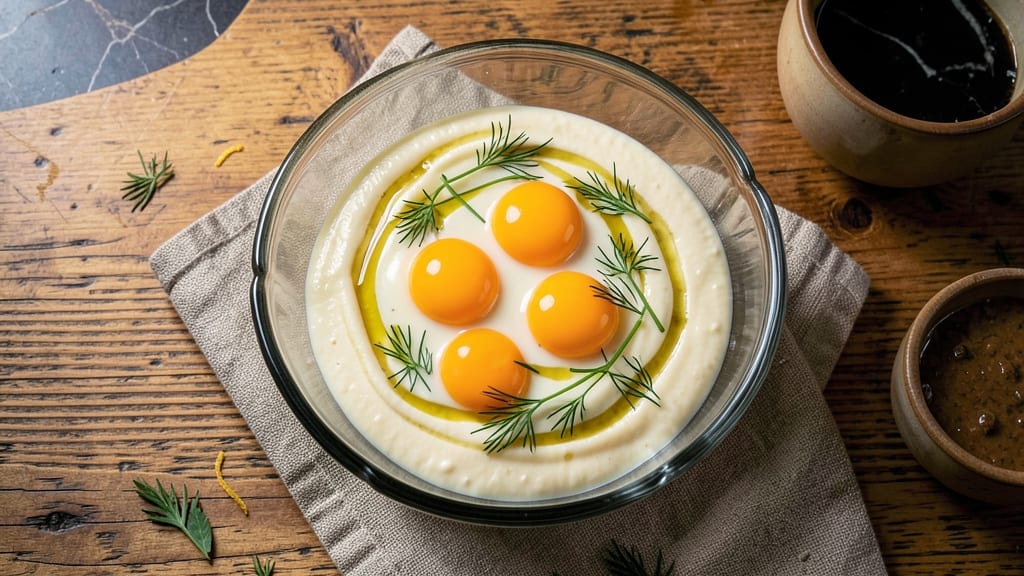
This boiled egg salad dressing recipe delivers a rich, velvety texture without relying on mayo. The secret lies in blending cooked egg yolks with fresh herbs, creating a creamy base that elevates any salad—from classic potato to hearty grain bowls.
What sets this apart is its simplicity: just five ingredients transform into a dressing that's both elegant and foolproof.
The process is straightforward: hard-boil eggs for a stable foundation, then whisk yolks with vinegar, olive oil, and fresh herbs until smooth. The vinegar adds brightness while balancing the richness, while herbs like chives or dill contribute freshness.
This dressing holds up beautifully in the fridge, making it perfect for meal prep.
What you'll achieve is a dressing that's creamy yet light, with a subtle tang that cuts through dense ingredients. It's ideal for potato salads, grain bowls, or even as a dip for crudités. The texture remains consistent even after chilling, ensuring every bite is cohesive and satisfying.
Use it immediately or store for up to five days—this versatile dressing adapts to any dish needing a creamy, herbaceous touch. Here's how to make it perfectly every time.
Ingredients for boiled salad dressing
Five simple ingredients create a velvety herb dressing without mayo's heaviness.
| Ingredient | Amount | Notes |
|---|---|---|
| Large Eggs 🥚 | 4 whole | Hard-boiled, yolks only reserved |
| Extra-Virgin Olive Oil 🫒 | ½ cup | Light, fruity variety preferred |
| White Vinegar 💧 | 2 tbsp | Distilled or apple cider vinegar |
| Fresh Chives 🌿 | ¼ cup | Finely chopped, stems removed |
| Fresh Dill 🌿 | ¼ cup | Finely chopped, stems removed |
| Diamond Crystal Kosher Salt 🧂 | ½ tsp | Adjust to taste after blending |
| Black Peppercorns 🌶️ | ¼ tsp | Freshly cracked for intensity |
| Lemon Juice 🍋 | 1 tbsp | Freshly squeezed, optional tang |
The eggs are the foundation—use large eggs for richer yolks, and hard-boil them for exactly 10 minutes to ensure perfect texture. The yolks should be creamy yet stable enough to blend smoothly. For sourcing, Whole Foods or local grocers often carry high-quality eggs with vibrant yolks, which translate to better flavor. If you're prepping ahead, boil a batch of eggs in advance and store them in the fridge for up to 1 week—just peel them right before using to prevent drying. The herbs matter too; Trader Joe's or local farmers markets typically offer the freshest chives and dill, which provide that bright, herbaceous punch this dressing relies on.
No fresh herbs? Dried chives or dill at one-third the amount work in a pinch, though the texture will be slightly less refined. Substituting vinegar? Apple cider vinegar adds subtle sweetness, while white wine vinegar intensifies the tang. The olive oil should be extra-virgin and light in flavor—avoid robust varieties like fruity or peppery, which can overpower the delicate herb notes. For a smoother texture, strain the dressing through a fine-mesh sieve after blending, especially if you prefer a silky finish. The lemon juice is optional but recommended for an extra layer of brightness—avoid bottled lemon juice, as it often lacks freshness.
This dressing thrives in the fridge, maintaining its creamy texture for up to 5 days when stored in an airtight container. For longer storage, transfer to a sterilized glass jar and freeze for up to 3 months, though the texture may separate slightly upon thawing—simply whisk to restore consistency. Portion into small containers for easy use on salads or as a dip. If the dressing thickens after chilling, thin it with a splash of warm water or extra olive oil before serving. It pairs beautifully with potato salads, grain bowls, or even as a creamy dip for cucumber slices.
Why You'll Love This Recipe
- No-Fuss Boil: I swear, this takes less time than waiting for toast to pop up. Just hard-boil eggs, toss them with vinegar and oil—done. The hardest part is peeling, and honestly, I use a spoon anyway.
- Herb-Packed Punch: That bright dill and chives cut through the richness of the eggs like a cool breeze. Vinegar keeps it tangy, olive oil makes it silky—it’s the kind of dressing that makes you go back for seconds without even trying.
- Lunchbox Legend: Between us, this is my go-to for meal prep. Toss it with greens, crackers, or even cold pasta—it’s the star of my kids’ school lunches. (Yes, even on a Tuesday night.)
- Pantry Goldmine: I’ve made this for three years and never thrown out leftovers. Eggs last a week, vinegar and oil? Forever. It’s my budget-friendly secret for keeping salads exciting without breaking the bank.
Step-by-step instructions for boiled egg salad dressing
Here's how to create a velvety, herb-infused dressing that rivals traditional mayo-based versions.
Hard-Boil and Separate the Egg Yolks
Place the 4 whole large eggs in a saucepan and cover them with cold water by about 1 inch. Bring to a boil over high heat, then immediately reduce to low heat and simmer for exactly 9 minutes. This timing ensures perfectly set yolks without turning them greenish.
Transfer the eggs to an ice bath for 10 minutes to stop the cooking process completely. Once cooled, peel the eggs under running water and separate the yolks from the whites. Discard the whites or save them for another use. The yolks should be smooth and uniform in texture—no streaks or lumps.
Blend the Egg Yolks Until Silky
Place the 4 egg yolks in a food processor or high-speed blender. Process on high speed for 1-2 minutes until the yolks become completely smooth and pale. This step is critical—any remaining texture will result in a grainy dressing. If using a blender, work in batches if needed, but the yolks should fit comfortably in your processor.
Real talk: Don't rush this blending. You're aiming for a consistency similar to mayonnaise, where the mixture is thick, glossy, and holds its shape when drizzled. If the mixture looks too thick, add 1 teaspoon of water at a time until it reaches a pourable but still thick consistency.
Incorporate Olive Oil Gradually
With the processor running on low speed, slowly drizzle in the 0.5 cup extra-virgin olive oil through the feed tube. This gradual addition prevents the mixture from breaking or becoming oily. The oil should emulsify smoothly, creating a creamy base. If the mixture starts to separate, add 1 teaspoon of white vinegar to help stabilize it.
I like to use a light, fruity olive oil here—it adds a subtle herbal note that complements the fresh herbs we're about to add. The dressing should now have a thick, mayonnaise-like consistency, but with a slightly lighter body due to the absence of mayo.
Add Vinegar and Herbs for Brightness
Add the 2 tablespoons white vinegar and 1 tablespoon lemon juice to the processor. Pulse briefly to combine, then add the 0.25 cup finely chopped fresh chives and 0.25 cup finely chopped fresh dill. Process again until the herbs are finely distributed throughout the dressing. The vinegar and lemon juice brighten the flavor, cutting through the richness of the eggs and oil.
This is where the dressing gets its signature herbaceous character. If you're using apple cider vinegar, you'll notice a subtle sweetness that pairs beautifully with the dill and chives. Taste at this stage—you might want to adjust the acidity or sweetness before adding salt and pepper.
Season and Adjust for Perfect Balance
Add the 0.5 teaspoon diamond crystal kosher salt and 0.25 teaspoon freshly cracked black peppercorns to the processor. Pulse just until the salt dissolves and the pepper is evenly distributed. Taste the dressing again and adjust the seasoning as needed—you might need a pinch more salt or a splash of lemon juice to achieve the perfect balance.
The dressing should be creamy, tangy, and herb-forward with a clean finish. For best results, let it sit at room temperature for 10-15 minutes before using. This resting time allows the flavors to meld and the texture to stabilize. Store any leftovers in an airtight container in the refrigerator for up to 5 days—the flavors will continue to develop over time.
Pro Tips For Making Boiled Salad Dressing
- Boil Eggs Slowly: This isn’t a hard-boiled egg salad—it’s a cooked dressing, so treat the eggs gently. Bring water to a gentle simmer (tiny bubbles, not rolling) and lower eggs in with a spoon to avoid cracking. Over-boiling turns them chalky; aim for 6-7 minutes from simmering, then plunge into ice water immediately. I learned this the hard way when my first batch tasted like rubber.
- Whisk Vinegar Last: Add vinegar after the eggs have cooled slightly—otherwise, it’ll curdle the yolk like a science experiment gone wrong. Warm the eggs to room temp first, then slowly drizzle in vinegar while whisking vigorously. The dressing should thicken just enough to coat, not separate. Skip the crowding and you’ll avoid that sad, split dressing look.
- Chop Herbs Fine: Fresh dill and chives aren’t just garnish—they’re the flavor backbone. Pulse them in a food processor for 3-4 seconds (yes, even the stems) or chop by hand until they’re almost paste-like. Whole sprigs float and fade; finely minced herbs distribute flavor evenly. I was skeptical until I tried it—now I can’t go back.
- Use Cold Olive Oil: Drizzle the olive oil in slowly while the eggs are still warm, but not hot—otherwise, it’ll turn rancid faster. Cold oil emulsifies better and keeps the dressing stable longer. Measure it first (about ¼ cup) so you don’t overdo it; too much oil makes the dressing greasy, not creamy. Trust me, your future salads will thank you.
Health benefits of this dish
Protein Powerhouse
This dressing packs a surprising protein punch from the egg yolks—each serving delivers about 12 grams of protein, making it far more substantial than traditional mayo-based dressings.
The high-quality protein supports muscle repair and keeps you feeling full longer, which is perfect for salads meant to satisfy rather than just complement. I’ve found it’s especially great for meal prep when I need something hearty but still light. 💪
Healthy Fats for Satiety
The extra-virgin olive oil provides monounsaturated fats, which are heart-healthy and help stabilize blood sugar. Unlike mayo, which often contains refined oils, this dressing uses a premium oil that adds flavor without the unhealthy fat profile.
I always opt for a light, fruity olive oil to keep the dressing bright and fresh-tasting. These fats also help your body absorb fat-soluble vitamins from your salad ingredients.
Herb-Rich Antioxidants
Both chives and dill are packed with antioxidants like vitamin K and vitamin A, which support immune function and skin health. Fresh herbs also add a vibrant color and a burst of flavor that cuts through richer ingredients like potatoes or grains.
I love using organic herbs when possible—they’re more potent and often taste fresher. These antioxidants help reduce inflammation, making this dressing a great choice for anti-inflammatory diets. ✨
Low in Calories, High in Flavor
Compared to traditional mayo-based dressings, this version is significantly lighter—about 120 calories per 2-tablespoon serving—while still delivering rich, creamy texture. The vinegar and lemon juice add acidity that enhances flavor without extra calories, making it ideal for those watching their intake.
I’ve used this dressing in place of mayo on everything from potato salads to grain bowls, and no one ever guesses it’s not the classic version. 💛
Digestive Benefits
The vinegar in this dressing aids digestion by stimulating stomach acid production, which helps break down food more efficiently. Plus, the absence of dairy makes it a great option for those with lactose intolerance or who follow dairy-free diets.
I’ve noticed that my digestion feels smoother when I include this dressing in my meals, especially after heavier dishes. It’s a subtle but meaningful difference that keeps things moving well. 🌱
Nutrition facts
Frequently asked questions
Why does this dressing use boiled eggs instead of mayo?
The boiled egg yolks create a naturally creamy texture without dairy or processed mayo, making this dressing lighter and packed with protein. The emulsification process mimics mayo's richness but with healthier fats from olive oil and fresh herbs. It's also more stable when chilled, perfect for meal prep!
Can I make this dressing without a food processor?
Yes! Use a whisk and a bowl—start by whisking the egg yolks vigorously, then slowly drizzle in the olive oil while whisking constantly. For extra stability, add the vinegar first to help emulsify. It'll take more elbow grease, but you'll still get that creamy texture!
How do I fix a broken emulsion (oily separation)?
If the dressing separates, whisk in 1 teaspoon of warm water or add ½ teaspoon of vinegar while blending on high. The acidity helps re-emulsify the oil. For stubborn cases, mix 1 tablespoon of mustard (optional) to stabilize it. Always blend slowly when adding oil to prevent this!
What salads work best with this dressing?
This creamy herb dressing shines on potato salads, grain bowls, and pasta salads. It also works as a dip for veggies or a spread for sandwiches. The tangy herbs cut through rich ingredients like roasted potatoes or grains beautifully!
Can I substitute the herbs for something else?
Swap chives and dill for tarragon and parsley (French-inspired) or cilantro and mint (Middle Eastern twist). For a smoky flavor, add ½ teaspoon smoked paprika. Just keep the total herb amount to ½ cup chopped to maintain balance.