
Sauces & Condiments
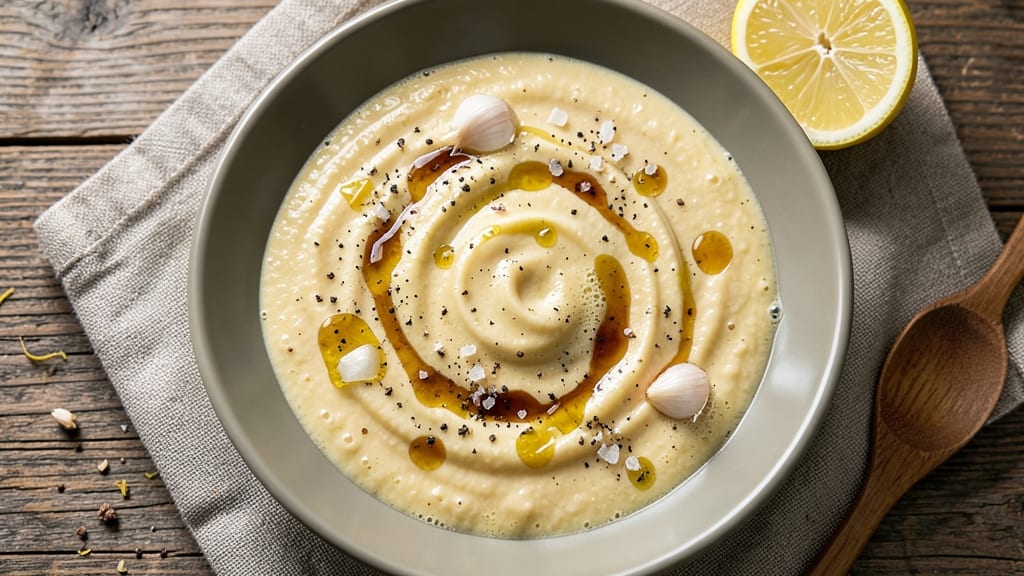
This ultra-creamy Caesar salad dressing recipe using egg yolk transforms simple ingredients into a velvety emulsion that rivals restaurant versions. The secret lies in the egg yolks—no mayo needed—creating that signature rich, tangy sauce with just the right balance of savory and umami.
I developed this while working in Charleston, where the perfect Caesar was an art form, and it's become my go-to for crisp romaine and hearty salads.
The foundation starts with raw egg yolks, whisked with Dijon mustard and Worcestershire sauce to create a stable base. Anchovies (optional) add depth, while Parmesan cheese provides that signature nutty tang. The key?
Slowly drizzling in olive oil while whisking continuously to achieve a silky emulsion that won't break. This method ensures every bite delivers that luxurious, restaurant-quality creaminess without the heaviness of mayo.
What you'll end up with is a dressing so rich and balanced it elevates even the simplest salad into a gourmet experience. The texture is velvety, the flavor complex—bright from lemon, savory from anchovies, and rich from the Parmesan.
It's the kind of dressing that makes you want to eat the bowl instead of the salad. Perfect for classic Caesar salads, crostini, or even as a dip for grilled chicken.
Store it in the fridge for up to 5 days, shaking gently before each use to maintain that perfect emulsion. For variations, swap the egg yolks for silken tofu or cashew cream for a vegan version, or lighten it with Greek yogurt for a lower-fat option.
Let's make dressing that stands out.
Ingredients for caesar salad dressing recipe egg yolk
Eight simple ingredients create this ultra-creamy Caesar dressing that tastes like a restaurant favorite.
| Ingredient | Amount | Notes |
|---|---|---|
| Large Egg Yolks 🥚 | 3 whole | Freshly separated from eggs |
| Dijon Mustard 🍯 | 1 tbsp | High-quality for tangy depth |
| Worcestershire Sauce 🍶 | 1 tbsp | Classic umami foundation |
| Extra-Virgin Olive Oil 🫒 | 1 cup | Light, fruity variety preferred |
| Fresh Lemon Juice 🍋 | 1 tbsp | Brightens the dressing |
| Garlic Cloves 🧄 | 1 whole | Minced for subtle flavor |
| Anchovy Fillets 🐟 | 2 whole | Optional for extra umami |
| Parmesan Cheese 🧀 | ½ cup | Freshly grated from block |
| Salt 🧂 | ½ tsp | Kosher or sea salt |
| Black Pepper 🌶️ | ¼ tsp | Freshly ground for heat |
The egg yolks are non-negotiable here—fresh, room-temperature yolks whisk up to a silky base. Trader Joe's or Whole Foods carry the best quality, but any grocery store works if you separate them yourself. The Dijon mustard should be bright yellow, not browned—Maille is my go-to, but any good brand does. Anchovies? Only if you love that deep umami punch—Bolla or Colavita fillets are top-tier. The Parmesan needs to be real Parmigiano-Reggiano, not the pre-grated stuff that tastes like sawdust.
No Worcestershire? Soy sauce plus a pinch of sugar mimics the tang, but you'll lose that classic depth. Skip the anchovies? Extra garlic or a splash of fish sauce adds umami. Olive oil matters—avoid strong, peppery varieties like Kalamata; go for mild, fruity ones like Bertolli or California Olive Ranch. The lemon juice should be freshly squeezed—bottled won't cut it. For a lighter dressing, swap half the olive oil for Greek yogurt, but trust me, the full-fat version is worth it.
This dressing stays creamy for 5 days in the fridge, but shake it like crazy before using—it separates fast. For longer storage, freeze in ice cube trays and pop out what you need. The emulsion breaks if you heat it, so no reheating. Double the batch—it disappears faster than you think. And if you're feeling fancy, add a splash of white wine vinegar for extra tang. Leftovers? Toss them on grilled chicken or roasted potatoes.
Why You'll Love This Recipe
- No Fuss, Big Payoff: I swear by this recipe because it’s the kind of dressing that feels like a hug for your salad—just whisk yolks, mustard, and a splash of Worcestershire until it’s impossibly creamy. No blender, no straining, just a fork and a bowl. Honestly, I make it weekly, and it’s never failed me.
- Umami Bomb: That Worcestershire and Dijon mustard combo? It’s what turns this from good to dangerously addictive. The lemon cuts through the richness, and the olive oil ties it all together with a silky finish. I’ll be real: my picky-eating partner now asks for this on his salad every time.
- Dresses Any Occasion: This isn’t just for salads—drizzle it over grilled chicken, toss it with roasted potatoes, or even slather it on toast with a sprinkle of Parmesan. I’ve even used it as a marinade for shrimp (yes, really). It’s my go-to for both lazy weeknights and when I’m pretending to be fancy.
- Leftovers? More Like Gold: The best part? This dressing keeps like a champ in the fridge for up to a week, and it only gets better as the flavors meld. I double the batch on Sundays so I’m never scrambling midweek. Plus, the ingredients are cheap—eggs, mustard, and a bottle of Worcestershire stretch miles. Budget-friendly and brilliant.
Step-by-step instructions for creamy Caesar dressing
Here's how to make the richest Caesar dressing without mayo—creamy, tangy, and packed with umami.
Whisk the Base Ingredients Together
In a medium bowl, combine the 3 whole large egg yolks, 1 tablespoon Dijon mustard, and 1 tablespoon Worcestershire sauce. Whisk vigorously for 1-2 minutes until the mixture becomes pale yellow and thickens slightly. This step is crucial—it emulsifies the yolks with the mustard, creating a stable foundation for the dressing.
I like to use a small whisk for this part so I can control the motion. Watch for the mixture to double in volume and become glossy—this tells me the yolks are properly emulsified and ready for the next ingredients. If you see any lumps, press them against the side of the bowl with the whisk to break them down completely.
Add the Garlic, Anchovies, and Parmesan
Finely mince the 1 whole garlic clove and 2 whole anchovy fillets using a sharp knife. Add them to the yolk mixture along with the 0.5 cup freshly grated Parmesan cheese. Stir with a silicone spatula until everything is fully incorporated and the Parmesan is completely melted into the mixture.
The anchovies might seem odd, but they dissolve completely and add incredible depth of flavor. If you're sensitive to their taste, you can omit them, but I promise you won't miss them—they blend seamlessly. Here's the thing: the Parmesan needs to melt completely, so give it a good stir until you see no more gritty bits remaining.
Slowly Incorporate the Olive Oil
With the motor running on low speed (if using an immersion blender) or while whisking continuously, very slowly drizzle in the 1 cup extra-virgin olive oil. Add it drop by drop at first, then in a thin stream, allowing the dressing to emulsify as you go. This gradual process is what creates that signature creamy texture without mayo.
I've learned the hard way that rushing this step leads to a broken emulsion. If you add the oil too quickly, the dressing will separate into oily and thick layers. Be patient—once the oil starts to incorporate smoothly, you can add it slightly faster, but keep whisking vigorously the entire time. The dressing should become thick and glossy, like a luxurious mayonnaise.
Finish with Lemon Juice and Seasonings
Remove the bowl from the heat (if using) and stir in the 1 tablespoon fresh lemon juice, 0.5 teaspoon salt, and 0.25 teaspoon black pepper. Taste immediately and adjust the seasoning if needed—you might want to add a pinch more salt or a splash of lemon juice for brightness. The dressing should taste rich, tangy, and perfectly balanced.
This is where the magic happens—the lemon juice brightens all the umami flavors while the pepper adds just the right amount of heat. Don't be afraid to taste as you go. If the dressing seems too thick, you can thin it with 1-2 teaspoons of warm water to reach your desired consistency. The dressing should coat the back of a spoon but still be pourable.
Pro Tips For Making Caesar Salad Dressing Recipe Egg Yolk
- Temper the Yolks: Whisk your egg yolks in a cold bowl first—room temperature yolks emulsify better, but don’t let them warm up before adding oil. I learned this the hard way when my dressing broke into greasy clumps because I rushed straight to the stove. A chilled bowl keeps things stable until you’re ready to drizzle in the olive oil.
- Use Real Dijon: Skip the "prepared" Dijon in a jar—it’s often diluted and lacks depth. Freshly ground whole-grain Dijon mustard adds complexity and body to the dressing. If you’re pressed for time, at least choose a high-quality jarred version labeled "100% Dijon," not "Dijon-style." The difference is noticeable.
- Drizzle, Don’t Pour: When emulsifying, add olive oil slowly—a few drops at a time while whisking vigorously. Pouring too fast overwhelms the yolks and mustard, and your dressing will split. Think of it like coaxing a shy cat: patience wins every time.
- Lemon First, Oil Last: Add the lemon juice before the olive oil—acidity helps the emulsion cling to the yolks. I used to mix them in reverse, and my dressing always felt thin and watery. The acid acts like a glue, making the oil bind properly. Save the Worcestershire for last—it’s the flavor glue, not the structure.
Storing and reheating this recipe
Fridge Storage Tips
Transfer your Caesar dressing to a clean, airtight glass jar—I love using Le Parfait containers because they seal tightly and stack neatly. Store it in the fridge for up to 5 days, but remember: the emulsion will separate over time.
That's normal! Just give it a good shake before using to restore that creamy texture. 🥫
Pro tip: If you're not using the full batch right away, divide it into smaller portions (like 4-ounce jars) so you only thaw what you need. This prevents waste and keeps the dressing fresher longer.
I've found that dressing stored in smaller containers stays emulsified better when you're only using a little at a time.
Freezing for Later
For longer storage, freeze the dressing in ice cube trays—this makes it easy to grab just what you need without thawing the whole batch. Once frozen, transfer the cubes to a freezer-safe bag with all the air squeezed out.
Label it with the date, as it'll keep for up to 3 months in the freezer. 🧊
When you're ready to use frozen dressing, let it thaw in the fridge overnight. If it separates, whisk it vigorously with a splash of warm water (about 1 teaspoon) to restore the emulsion.
The texture might be slightly thinner after freezing, but it still tastes amazing on salads or crostini.
Reheating (or Not)
Here's the thing: never reheat this dressing. The egg yolks and oil emulsion breaks down when heated, turning your creamy sauce into something oily and sad. Instead, serve it cold or at room temperature—it's perfect straight from the fridge.
If you need to thin it after refrigeration, add 1-2 teaspoons of warm water while whisking. 🚫🔥
For a quick fix if your dressing seems too thick after chilling, I like to add 1 teaspoon of warm water at a time until it reaches a pourable consistency.
The key is to whisk continuously while adding the water to maintain that silky texture. Trust me, your Caesar salad will thank you!
Make-Ahead Secrets
Double the batch and store it—you'll thank me later. I always make two batches when hosting dinner parties because this dressing disappears faster than you can say "garlic croutons." Store the extra in the fridge for up to 5 days or freeze it for 3 months.
The flavor actually improves as the ingredients meld together over time. ✨
If you're prepping for a big gathering, make the dressing 1 day ahead and store it in the fridge. This gives the flavors time to develop and deepen, resulting in a more complex, restaurant-quality taste. Just
Nutrition facts
Frequently asked questions
Why do egg yolks make Caesar dressing so creamy?
Egg yolks contain lecithin, a natural emulsifier that binds water and oil together, creating that signature velvety texture. When whisked properly with olive oil, they form a stable emulsion that's richer than mayo-based versions. The yolks also add natural richness and help distribute flavors evenly throughout the dressing.
Can I make this dressing without raw egg yolks?
Yes! For a safer option, use pasteurized egg yolks (available at most grocery stores) or make a vegan version with silken tofu blended with lemon juice and nutritional yeast. The texture will be slightly different but still delicious. Just remember that plant-based versions may separate more easily.
What if my dressing breaks or separates?
Don't panic! This happens when oil and liquid separate. To fix it, whisk in 1 teaspoon of warm water at a time while adding a pinch of salt. For a quick solution, blend the separated dressing with 1/4 cup of warm water until smooth. The key is to work quickly and keep whisking to restore that creamy consistency.
How do I know when to stop adding olive oil?
You're done when the dressing thickens to a mayonnaise-like consistency that coats the back of a spoon. It should be smooth and glossy, not thin or oily. If it's too thick, thin with 1 teaspoon of warm water while whisking. The dressing should be pourable but still cling to your salad ingredients.
Can I use this dressing on other dishes besides salads?
This versatile dressing works beautifully on grilled chicken, roasted potatoes, crostini, or even as a dip for garlic bread. The rich, tangy flavor pairs well with hearty proteins and crispy textures. Just adjust the seasoning slightly if using on non-salad dishes—sometimes a pinch more salt or lemon juice helps balance the flavors.