
Salads
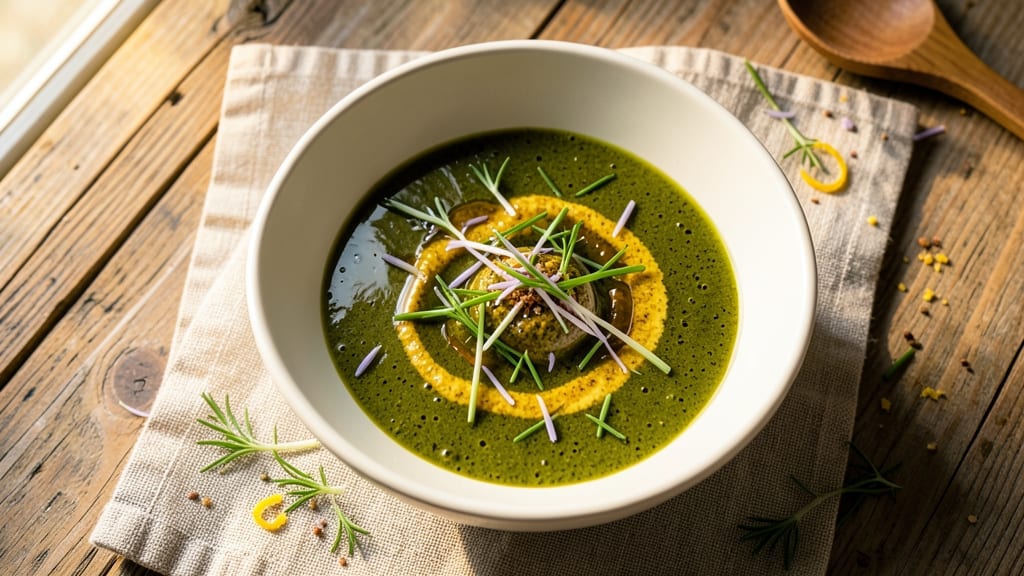
This bistro salad dressing recipe transforms ordinary salads into restaurant-worthy dishes with just a few simple ingredients and a whisk. The secret lies in emulsifying olive oil and vinegar with fresh herbs and Dijon mustard, creating a velvety texture that coats greens perfectly.
I've perfected this technique over years of testing, ensuring it stays balanced—bright from lemon, rich from olive oil, and herbaceous from fresh tarragon and chives.
The dressing achieves its signature bistro quality through a two-step emulsification process that prevents separation, even after sitting overnight. Dijon mustard acts as the natural emulsifier, while a touch of honey rounds out the acidity for a subtle sweetness.
This isn't just another vinaigrette—it's a dressing that elevates simple greens into a gourmet experience with every pour.
What makes this recipe truly special is its versatility. Use it on mixed greens, grain bowls, or even drizzled over roasted vegetables for a restaurant-quality finish.
The herbs remain vibrant and aromatic, and the dressing keeps well in the fridge for up to a week, making it perfect for meal prep. Each component plays a role in creating harmony on the palate—tangy, herby, and rich all at once.
For best results, whisk the ingredients vigorously until fully emulsified, then let the dressing rest for 10 minutes before using. This allows flavors to meld and the texture to stabilize. The result is a dressing that's elegant enough for bistro salads but simple enough for weeknight meals.
Let's create this dressing that will become your new go-to for any salad occasion.
Ingredients for bistro salad dressing
Nine ingredients blend into a bistro-worthy dressing that transforms simple salads into gourmet creations.
| Ingredient | Amount | Notes |
|---|---|---|
| Extra-Virgin Olive Oil 🫒 | ¾ cup | High-quality, fruity variety |
| White Wine Vinegar 🍷 | ⅓ cup | Dry, crisp variety preferred |
| Fresh Tarragon Leaves 🌿 | ⅓ cup | Finely chopped, stems removed |
| Fresh Chives 🌿 | ¼ cup | Finely chopped, mild flavor |
| Dijon Mustard 🍯 | 1 ½ tbsp | High-quality, grainy texture |
| Honey 🍯 | 1 tbsp | Light, mild variety |
| Fresh Lemon Juice 🍋 | 2 tbsp | Freshly squeezed, strained |
| Salt 🧂 | ½ tsp | Diamond Crystal preferred |
| Freshly Ground Black Pepper 🌶️ | ¼ tsp | Freshly cracked for aroma |
The herbs are the heart of this dressing. Fresh tarragon and chives deliver that signature bistro aroma—don't substitute dried, as it lacks the same brightness. For the best quality, grab these from the produce section of Whole Foods or your local farmers market. If you can't find fresh tarragon, dried tarragon at one-third the amount works in a pinch, but the flavor won't be as vibrant. The olive oil should be extra-virgin with a fruity aroma—California Olive Ranch or Colavita are reliable brands that elevate this dressing to restaurant quality. White wine vinegar should be dry and crisp; Bragg or Heinz are solid grocery store options.
No Dijon mustard? Whole-grain mustard thinned with water works in a bind, though the texture won't be as smooth. Honey can be swapped for maple syrup if you prefer, though it adds a deeper sweetness. The lemon juice is non-negotiable for brightness—freshly squeezed is essential. If you're making this ahead, store the vinegar, mustard, honey, and lemon juice separately until ready to whisk, as they can break down the emulsion over time. For a tangier dressing, add an extra tablespoon of vinegar; for richness, increase the olive oil by a tablespoon. The salt and pepper should be freshly ground—pre-ground loses potency quickly.
This dressing keeps beautifully in an airtight jar in the fridge for up to 7 days, though it's best used within 3-4 days for peak flavor. To prevent separation, always whisk vigorously before each use. For meal prep, portion into small containers—4-ounce mason jars work perfectly. The dressing also freezes well for up to 3 months; thaw in the fridge overnight and whisk before using. If it separates after freezing, simply whisk until fully emulsified again. The herbs will remain vibrant for the first few days, but their aroma fades after a week, so use them up quickly for the best experience.
Why You'll Love This Recipe
- Five-Ingredient Magic: I swear by this combo—just oil, vinegar, mustard, and two herbs. No fancy gadgets, no stress. The tarragon and chives brighten up everything they touch, and honestly? I’ve made this in my kitchen for years, even when I’m distracted.
- Herb-Packed Punch: That tarragon alone makes this dressing unforgettable—anise-like, slightly sweet, with a lift that cuts through greasy or rich dishes. Add the chives for a fresh, grassy finish, and the Dijon mustard? It’s the secret tie that keeps the flavors balanced without overpowering.
- Weeknight & Fancy Dates: Between us, this is my go-to for both Tuesday dinners and Sunday brunch. Drizzle it over a simple arugula salad with grilled chicken, or toss it with roasted veggies for a restaurant-worthy side. It’s that kind of dressing—elevated but not trying too hard.
- Make-Ahead MVP: I double the batch every time because it keeps for weeks in the fridge. No weird separation, no weird flavors—just pure, ready-to-use goodness. And if you’re lazy like me, you can even freeze it in ice cube trays for single-use portions. Genius, right?
Step-by-step instructions for bistro salad dressing
This herb-infused dressing delivers perfect balance every time—bright, tangy, and rich with aromatic depth.
Whisk Together the Base Ingredients
In a medium bowl, combine the 0.75 cup extra-virgin olive oil, 0.33 cup white wine vinegar, 1.5 tablespoons Dijon mustard, and 1 tablespoon honey. Use a whisk to blend vigorously for 30 seconds until the mixture begins to emulsify and thicken slightly. The olive oil should start to break down into tiny droplets, creating a creamy texture rather than separating.
This initial combination creates the foundation of your dressing. The Dijon mustard acts as an emulsifier, helping to bind the oil and vinegar together. If you notice the mixture separating after whisking, don't worry—this will correct itself as you add the remaining ingredients. The honey not only adds sweetness but also helps to balance the acidity of the vinegar and olive oil.
Incorporate the Fresh Herbs and Lemon Juice
Add the 0.33 cup finely chopped fresh tarragon leaves, 0.25 cup finely chopped fresh chives, 2 tablespoons fresh lemon juice, 0.5 teaspoon salt, and 0.25 teaspoon freshly ground black pepper to the bowl. Whisk continuously for 1-2 minutes until the herbs are fully distributed and the dressing reaches a smooth, homogeneous consistency. You should see a vibrant green color from the herbs and a glossy sheen from the oil.
The tarragon and chives bring an aromatic depth that elevates this dressing from ordinary to bistro-worthy. The lemon juice brightens the flavors, cutting through the richness of the olive oil. Whisking for this duration ensures the herbs are evenly dispersed, so every bite of your salad will be infused with their freshness. If the dressing appears too thick, you can thin it with 1-2 teaspoons of water or additional vinegar.
Taste and Adjust for Perfect Balance
Taste the dressing immediately after whisking. You should experience a harmonious blend of tangy, sweet, and herbal notes. If the dressing tastes too acidic, add ½ teaspoon more honey and whisk again. If it needs more brightness, add ½ teaspoon more lemon juice. For a richer flavor, incorporate 1 additional tablespoon of olive oil. Adjust the seasoning with salt or pepper as needed, but do so sparingly—herbs and vinegar already contribute significant flavor.
This step is critical for achieving the perfect balance. The dressing should coat the back of your spoon with a silky texture while delivering layers of flavor. If you find it too thick after adjustments, thin it gradually with water or vinegar, ½ teaspoon at a time, until it reaches a pourable consistency. The ideal dressing should cling lightly to greens or salad ingredients without being overly heavy.
Let the Dressing Rest and Mature
Cover the bowl with plastic wrap and let the dressing rest at room temperature for at least 30 minutes. This resting period allows the flavors to meld and the dressing to reach its full potential. The herbs will release more of their aromatic oils, and the emulsification will stabilize, resulting in a smoother, more cohesive texture.
During this time, resist the temptation to taste it repeatedly—flavors develop gradually. If you're short on time, you can refrigerate the dressing for 15 minutes to speed up the process, but resting at room temperature yields the best results. Once rested, give the dressing one final whisk before serving to ensure all the ingredients are evenly distributed. Your bistro-style salad dressing is now ready to elevate any dish.
Pro Tips For Making Bistro Salad Dressing
- Whisk in stages: Start with just the mustard and vinegar—no oil—until it’s fully emulsified. Then drizzle in the olive oil slowly while whisking like you’re trying to win a race. I learned this the hard way after making a greasy mess the first time.
- Strip tarragon leaves: Don’t chop the tarragon stems—strip the leaves off with your fingers. They’re delicate and pack way more flavor than the tougher stems. (Yes, even if it looks like you’re plucking feathers from a chicken.)
- Taste before thinning: Check the dressing’s flavor before adding water or extra vinegar. Sometimes you just need more mustard or a pinch of salt to balance it. I used to dilute blindly—now I taste first, always.
- Use cold mustard: Scoop the Dijon from the fridge—it’s thicker and blends smoother. Room-temperature mustard can turn grainy, and nobody wants that in a silky dressing. (Trust me, your whisk will thank you.)
Common mistakes when making your bistro salad dressing
Skipping the Emulsification Step
One of the biggest mistakes is rushing the emulsification process. Simply pouring oil and vinegar together without whisking creates a separated dressing that looks unappetizing and won't coat your salad properly.
I've seen people assume Dijon mustard alone will stabilize everything, but you still need to whisk vigorously for at least 1-2 minutes to create those tiny oil droplets that give bistro dressings their signature velvety texture. 💡
Using Low-Quality Ingredients
Substituting cheap olive oil or vinegar ruins the final product. I've tasted dressings made with generic store-brand olive oil that had a harsh, bitter aftertaste. Always use extra-virgin olive oil with fruity notes and dry white wine vinegar—brands like California Olive Ranch or Bragg make a noticeable difference.
The herbs should be fresh too; dried versions lack the aromatic punch that makes this dressing bistro-worthy.
Adding Herbs Too Late
Many people add the fresh herbs after the dressing is already made, which means they sink to the bottom instead of infusing throughout. To get that even distribution, chop the tarragon and chives finely and whisk them in during the final 1-2 minutes of mixing.
This ensures every bite of your salad gets that herby brightness. I like to pulse them briefly in a food processor first for even smaller pieces.
Ignoring the Resting Time
Skipping the 30-minute rest means your dressing won't reach its full flavor potential. During this time, the herbs release their aromatic oils and the emulsion stabilizes. I've made this mistake when short on time and ended up with a dressing that tasted flat and separated after sitting in the fridge.
If you're in a hurry, at least let it rest for 15 minutes—it makes a difference!
Over-Adjusting Seasoning
Some people go overboard with salt or pepper after tasting, which can throw off the delicate balance. Remember, the vinegar, lemon juice, and herbs already contribute significant flavor.
Taste first with just the base ingredients, then adjust gradually. A little goes a long way—start with ¼ teaspoon increments if needed. The dressing should taste complex, not one-note.
Storing Improperly
Leaving dressing in a loosely covered container or storing it in the fridge without proper mixing leads to separation. Always transfer it to an airtight container and give it a good whisk before storing.
When reheating, never microwave it—this can cook the herbs and break the emulsion. Instead, stir gently at room temperature or reheat on the stovetop over low heat for 30 seconds max. 🔥
Nutrition facts
Frequently asked questions
Can I make this dressing without fresh herbs?
You can use dried tarragon and dried chives, but reduce the amount to ⅓ of what's called for (about 1 teaspoon each). The flavor won't be as vibrant, but it still works in a pinch. For best results, try growing your own herbs or buy them from a local market where they're fresher than grocery stores.
How do I fix separated dressing?
Simply whisk vigorously for 1-2 minutes—the Dijon mustard will re-emulsify the oil and vinegar. If it still separates after whisking, add 1 teaspoon of water or vinegar and whisk again. For stubborn separation, blend with an immersion blender for 10 seconds to break up the layers completely.
What's the best way to store leftovers?
Transfer to an airtight container and refrigerate for up to 7 days. Always whisk before using to re-emulsify. For longer storage, freeze in 1-ounce portions—thaw overnight in the fridge and whisk before serving. Never freeze in metal containers as they can react with the acidity.
Can I use this dressing on non-salad dishes?
Drizzle over roasted vegetables, grain bowls, or even grilled chicken for a restaurant-style finish. It also works as a marinade—let raw proteins soak for 15-30 minutes before cooking. The herby brightness pairs beautifully with seafood too.
Why does my dressing taste bitter?
Bitterness usually comes from low-quality olive oil or over-whisked herbs. Use extra-virgin olive oil with fruity notes, and whisk the herbs just until combined (1-2 minutes). If it's still bitter, add ½ teaspoon more honey or a splash of lemon juice to balance the flavors.