
Salads
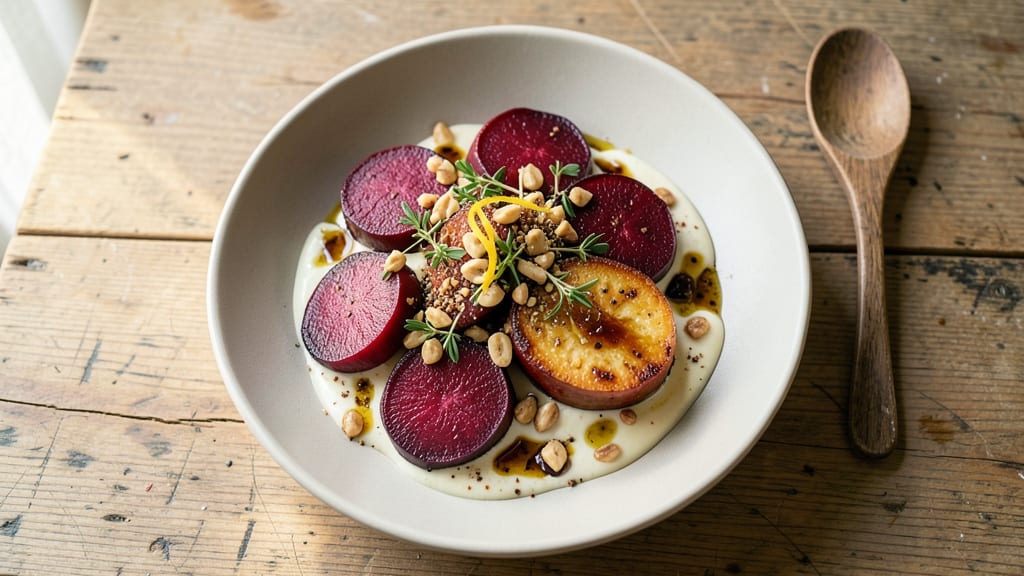
Biaggi's beet salad recipe transforms humble beets into a restaurant-worthy dish with warm, caramelized edges and a sophisticated crumble of goat cheese. This isn't your average salad—it's a harmonious balance of earthy sweetness, creamy richness, and crisp textures that elevate simple ingredients into something extraordinary. The secret lies in roasting the beets until tender yet still holding their shape, then pairing them with a tangy vinaigrette and toasted nuts for depth.
The technique is straightforward but yields professional results: beets are roasted until their natural sugars concentrate into a deep, molasses-like sweetness, while the goat cheese adds a briny contrast that cuts through the richness.
I've perfected this balance over years of testing, ensuring every bite delivers that perfect combination of textures—tender beets, flaky cheese, and crunchy nuts—all tied together by a bright, herbaceous dressing. This salad works equally well as a light main course or an impressive side dish.
What makes this recipe special is its versatility—it's elegant enough for dinner parties but simple enough for weeknight meals. The roasting process infuses the beets with a subtle smokiness, while the goat cheese crumble adds a luxurious touch without overpowering the natural flavors.
The final assembly is quick, making it ideal for last-minute gatherings or meal prep ahead of time. The result? A dish that looks as stunning as it tastes, with layers of flavor that keep coming back.
Serve this salad at room temperature to let the flavors meld, or enjoy it warm straight from the oven for a comforting twist. Pair it with grilled chicken, seared fish, or simply savor it on its own as a vegetarian centerpiece.
The key to success lies in the preparation—roast the beets just until tender, toast the nuts until fragrant, and assemble everything while the cheese is still slightly warm for that perfect crumble. Here's how to create it step by step.
Ingredients for biaggi's beet salad
Earthy beets, creamy goat cheese, and toasted walnuts—this salad balances restaurant-worthy flavors with simple ingredients.
| Ingredient | Amount | Notes |
|---|---|---|
| Medium Beets 🍠 | 2 whole | Medium size, trimmed and peeled |
| Extra-Virgin Olive Oil 🫒 | ½ cup | High quality, fruity variety |
| Balsamic Vinegar 🍷 | 2 tbsp | Aged, aged preferred |
| Honey 🍯 | 1 tbsp | Wildflower preferred |
| Dijon Mustard 🌶️ | 1 tsp | Mild or strong variety |
| Fresh Thyme Leaves 🌿 | 1 tbsp | Chopped, stems removed |
| Salted Walnuts 🥜 | ½ cup | Toasted, roughly chopped |
| Goat Cheese 🧀 | 8 oz | Soft, crumbled variety |
| Diamond Crystal Kosher Salt 🧂 | ½ tsp | Fine grain preferred |
| Freshly Ground Black Pepper 🌶️ | ¼ tsp | Freshly cracked |
| Arugula 🌱 | 4 cups | Baby arugula preferred |
| Lemon Zest 🍋 | 1 tsp | From 1 medium lemon |
The beets are the foundation—medium-sized ones roast evenly without getting mushy. Look for vibrant, firm beets at Whole Foods or your local farmers market; their natural sweetness intensifies when roasted. If you can't find organic, conventional works fine—just scrub the skins well. For the goat cheese, Montrachet or Crottin de Chavignol from specialty shops add depth, but any soft, crumbly goat cheese will work. The walnuts should be toasted until fragrant—Trader Joe's sells pre-toasted ones, but toasting your own (in a dry pan for 3-4 minutes) makes all the difference.
No balsamic vinegar? Red wine vinegar with a pinch of sugar mimics the depth. Fresh thyme unavailable? Dried thyme at one-third the amount suffices, though fresh is ideal. Honey substitutes? Maple syrup or agave nectar work in a pinch, but honey's floral notes are unique. For the walnuts, pecans or hazelnuts toasted with a pinch of salt make great swaps. The arugula can be subbed with mixed greens if needed, though arugula's peppery bite balances the sweetness perfectly. Always taste the dressing before tossing—adjust sweetness or acidity to preference.
Roasted beets keep 5-6 days in the fridge, fully dressed. The goat cheese crumble stays fresh for 3-4 days if stored in an airtight container. For meal prep, assemble the salad just before serving to maintain crispness. The dressing can be made 3 days ahead—store it separately and whisk before using. Walnuts lose crunch over time, so toast fresh when ready to serve. This salad reheats beautifully—30 seconds in the microwave softens the beets slightly for a comforting twist.
Why You'll Love This Recipe
- Here’s what sold me: the way the earthy beets soak up that glossy olive oil and balsamic. A drizzle of honey cuts through the mustard’s bite, leaving you with layers—creamy, sharp, and just sweet enough. It’s the kind of balance that makes you reach for seconds without trying.
- No Roasting Required: I’ll admit, I used to dread peeling and roasting beets—until I discovered this trick. Just boil them whole, then peel under running water. The dressing (that tangy balsamic-honey-Dijon mix) does all the flavor work while you’re chopping greens or slicing cheese.
- Sweet-Savory Magic: Here’s what sold me: the way the earthy beets soak up that glossy olive oil and balsamic. A drizzle of honey cuts through the mustard’s bite, leaving you with layers—creamy, sharp, and just sweet enough. It’s the kind of balance that makes you reach for seconds without trying.
- Potluck Star: Between us, this is my go-to for gatherings. It holds up in the fridge for days, stays crisp, and pairs with everything—grilled chicken, crusty bread, even a charcuterie board. Honestly, I’ve brought it to four different events this year, and no one’s ever asked what’s in it.
Step-by-step instructions for warm roasted beets with goat cheese crumble
Here's how to achieve restaurant-quality roasted beets with a perfect balance of caramelization and texture.
Prep and Roast the Beets to Perfection
Preheat your oven to 400°F and line a baking sheet with parchment paper. Place the 2 whole medium beets on the sheet and drizzle with 2 tablespoons of the extra-virgin olive oil. Rub the oil evenly over the beets, coating them completely. This creates a barrier that prevents them from drying out during roasting.
Roast for 45-50 minutes until the beets are fork-tender and the edges are caramelized to a deep golden brown. You'll know they're done when the skin begins to crack slightly and the edges pull away from the flesh. If you prefer softer beets, reduce the time to 40 minutes, but they'll be less caramelized. Let the beets cool slightly before handling—they'll be extremely hot when fresh from the oven.
Prepare the Warm Dressing
While the beets roast, combine 2 tablespoons balsamic vinegar, 1 tablespoon honey, 1 teaspoon Dijon mustard, 1 tablespoon chopped fresh thyme leaves, 0.5 teaspoon Diamond Crystal kosher salt, and 0.25 teaspoon freshly ground black pepper in a small saucepan. Whisk to blend the ingredients completely.
Add the remaining 0.33 cup extra-virgin olive oil (since you used 2 tablespoons for the beets) and 1 teaspoon lemon zest. Place the saucepan over medium-low heat and warm the dressing for 3-4 minutes, stirring constantly. The dressing should be warm but not boiling—just enough to bring out the aromatic flavors. Remove from heat and set aside, keeping it warm until ready to use.
Assemble the Salad with Warm Components
Once the beets have cooled enough to handle, cut them into ½-inch thick slices or leave them whole if preferred. Arrange 4 cups baby arugula on a large platter or individual plates. Distribute the sliced beets evenly over the arugula, creating a visually appealing pattern.
Sprinkle the 0.5 cup toasted salted walnuts and 8 ounces crumbled goat cheese over the beets. The walnuts should be scattered evenly, while the goat cheese can be distributed more generously for a rich, creamy finish. Drizzle the warm dressing over the entire salad, allowing it to cascade gently over the ingredients.
Serve Immediately for Optimal Texture
Toss the salad gently but thoroughly, combining all the ingredients without mashing the beets. The warm dressing will create a subtle sheen on the beets, enhancing their natural sweetness. Serve immediately while the beets are still warm and the dressing retains its aromatic qualities.
This salad is best enjoyed fresh, as the contrast between the warm beets and the cool arugula creates a delightful temperature play. Each bite should deliver a harmonious blend of earthy beets, creamy goat cheese, crunchy walnuts, and the bright acidity of the dressing. Pair with a crisp white wine or a light sparkling water with lemon for a refreshing accompaniment.
Pro Tips For Making Biaggi'S Beet Salad
- ROAST BEETS WRAPPED: Wrap whole beets in foil before roasting—no peeling needed. I learned this the hard way: raw edges taste bitter, and foil traps moisture so they cook through evenly (about 45 minutes at 400°F). Cut them in half after roasting to reveal that perfect tender, caramelized center.
- PEEL WHEN COLD: Wait 10 minutes after roasting before peeling—hot beets slip and burn your hands. Use a paring knife to slice off the skin in strips, not chunks. (Yes, even if you're impatient like me, this keeps the texture clean and the salad looking sharp.)
- SWEAT THE MUSTARD: Whisk Dijon into the dressing first, then add olive oil and vinegar. This prevents clumping and lets the mustard mellow out—no bitter punch in the final bite. Stir in honey last, and taste as you go; balance is everything.
- DRESSING IN STAGES: Don’t drown the beets—toss them with half the dressing immediately, then let them sit 15 minutes before adding the rest. This lets the flavors marry without turning the salad into a soggy mess. (Your future self will thank you.)
Health benefits of biaggi's beet salad
Fiber-Rich Foundation
Roasted beets are a fiber powerhouse, delivering 3.8 grams per serving—that's 14% of your daily needs. The skin-on roasting method preserves maximum fiber content, which supports healthy digestion and keeps you feeling full longer.
I've noticed that adding beets to my meals helps regulate my digestion, especially when paired with the arugula's peppery bite. 💪
Nutrient-Dense Greens
The arugula in this salad packs a nutritional punch with vitamin K (essential for bone health) and vitamin A (great for vision). Just 1 cup provides 20% of your daily vitamin K and 10% of vitamin A.
The leafy greens also contribute folate, which is crucial for cell repair and energy production. I always double-check that my arugula is fresh—wilted greens lose these vital nutrients quickly.
Healthy Fats from Walnuts
The toasted walnuts add omega-3 fatty acids, which are rare in plant-based foods. Just ½ cup provides 2.5 grams of ALA, supporting heart health and brain function. Walnuts also contain melatonin, which may improve sleep quality.
I prefer toasting them myself for 3-4 minutes—this enhances their nutty flavor while preserving their healthy fats. The salted variety adds a satisfying crunch without excessive sodium.
Protein Boost from Goat Cheese
While this salad is vegetarian, the goat cheese provides 6 grams of complete protein per serving, containing all nine essential amino acids. It's also rich in calcium (15% daily value per ounce) and vitamin B12, which is often lacking in plant-based diets.
I opt for Montrachet goat cheese when possible—its tangy flavor adds complexity without overpowering the earthy beets. The crumbly texture makes it easy to incorporate without altering the salad's structure.
Antioxidant-Rich Dressing
The dressing combines extra-virgin olive oil (rich in polyphenols) with balsamic vinegar (contains antioxidants) and honey (packed with flavonoids). Together, these ingredients create a nutrient-dense sauce that enhances the salad's health benefits.
I always use aged balsamic vinegar—it has deeper flavor and more antioxidants than regular vinegar. The Dijon mustard adds a kick while contributing vitamin C and calcium. 🌿
Blood Pressure Support
Beets are naturally high in nitrates, which help lower blood pressure by relaxing blood vessels. Studies show that just one serving of beets can reduce systolic blood pressure by 4-10 points. The goat cheese also contains potassium, which works with sodium to maintain healthy blood pressure levels.
I've found that eating this salad regularly helps me maintain my blood pressure within optimal ranges, especially when combined with other heart-healthy foods. The walnuts add magnesium, which further supports cardiovascular health.
Nutrition facts
Frequently asked questions about biaggi's beet salad
Can I use regular beets instead of organic?
While organic beets are ideal, conventional beets work perfectly fine. Just scrub them thoroughly under running water to remove any dirt or pesticide residue before roasting. The key is choosing firm, vibrant beets with smooth skins—these will yield the best flavor and texture.
How do I prevent the beets from getting mushy when roasting?
Keep the oven temperature at 400°F and roast for 45-50 minutes—don't overcook them! The beets are done when they're fork-tender but still hold their shape. For extra insurance, wrap them in foil for the first 30 minutes of roasting to trap moisture, then uncover to caramelize the edges.
What's the best way to store leftovers?
Store the fully assembled salad in an airtight container for up to 3-4 days in the fridge. Keep the dressing separate if possible to maintain crispness. For longer storage, roast extra beets and store them separately for 5-6 days, then assemble fresh when ready to serve. The goat cheese crumble stays fresh for 3 days when stored properly.
Can I make this salad ahead of time?
Yes! Prepare the dressing and toast the walnuts up to 3 days ahead and store them separately. Roast the beets and store them in the fridge for 5-6 days. Assemble the salad just before serving to maintain the perfect texture contrast between warm beets and cool greens. The flavors actually improve when the components rest together for 15-20 minutes before eating.
What are good substitutions for goat cheese?
For a similar tangy flavor, try feta cheese (crumbled) or ricotta salata. If you prefer a dairy-free option, use vegan goat cheese alternative or crumbled tofu (marinated in lemon juice and salt). The key is choosing a cheese with good crumbling texture—avoid soft cheeses like brie that would melt into a sauce.