
Salads
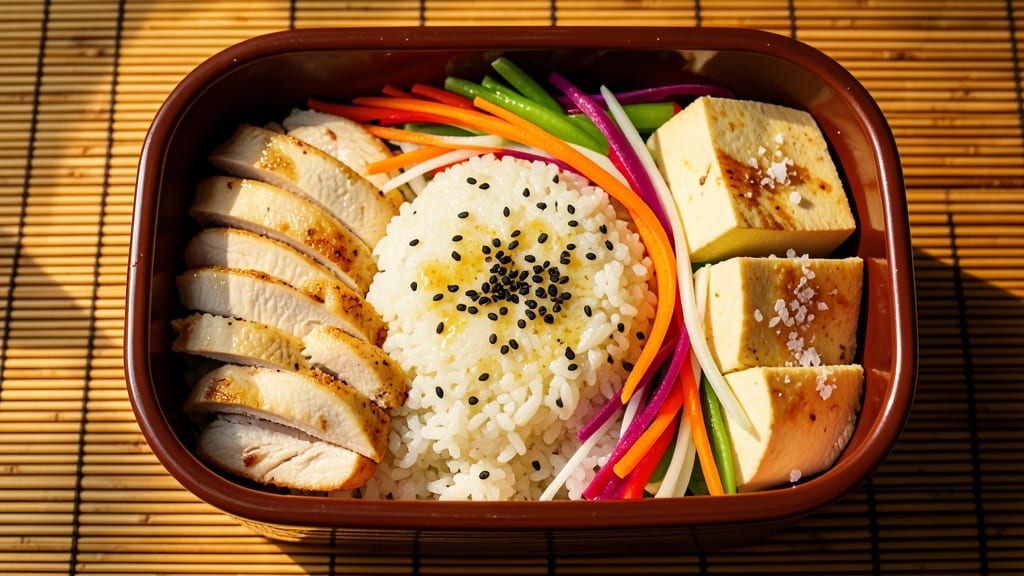
This bento salad recipe transforms lunch into a visually stunning, flavor-packed meal with Japanese-inspired layers that balance textures and tastes. 🌟 The secret lies in the harmony of proteins, grains, and vegetables—each element carefully portioned to create a satisfying, bite-sized experience.
Whether you're prepping for work or a picnic, this dish delivers restaurant-quality presentation without the fuss.
The foundation starts with sushi rice seasoned with vinegar and sugar, shaped into neat triangles for that authentic bento touch. Layer in your choice of protein—grilled chicken for a classic twist or crispy tofu for a plant-based option—paired with pickled vegetables for tangy contrast.
The crunch comes from toasted sesame seeds and shredded carrots, adding both texture and a pop of color.
What sets this apart is the assembly technique: each ingredient is portioned precisely to fit a standard bento box, ensuring every bite is balanced. The soy-ginger dressing ties everything together, while decorative garnishes like nori strips elevate the plating.
No fancy tools required—just a knife, a bowl, and a little patience for perfect layers.
Perfect for meal prep, this bento salad keeps well for up to 3 days, making it ideal for busy schedules. The flavors only deepen as it sits, and the visual appeal turns even the simplest lunch into a moment of culinary delight.
Let’s build yours step by step—your taste buds will thank you.
Ingredients for bento salad
Japanese-inspired layers, vibrant colors, and textures that pop—this bento salad turns lunch into art.
| Ingredient | Amount | Notes |
|---|---|---|
| Sushi Rice 🍚 | 2 cups | Cooked and cooled |
| Cooked Chicken Breast 🍗 | 1 ½ cups | Diced, grilled or poached |
| Firm Tofu 🍫 | 1 block | Extra-firm, pressed and cubed |
| Rainbow Carrots 🥕 | 2 medium | Shredded finely |
| Japanese Pickled Vegetables 🥬 | 1 ½ cups | Store-bought or homemade |
| Sesame Seeds 🌰 | 2 tbsp | Toasted for extra crunch |
| Nori Strips 🍣 | 4 whole | For garnish and texture |
| Rice Vinegar 💧 | 3 tbsp | For sushi rice seasoning |
| Sugar 🍯 | 2 tbsp | White or brown sugar |
| Soy Sauce 🥢 | 3 tbsp | For dressing and seasoning |
| Ginger 🧄 | 1 tbsp | Fresh, grated for dressing |
| Sesame Oil 🫒 | 1 tbsp | For dressing richness |
| Salt 🧂 | ½ tsp | For seasoning |
The sushi rice is your canvas—short-grain Japanese rice like Koshihikari or Calrose works best. Trader Joe's and Asian markets carry these varieties, or sub with regular jasmine rice if needed. For the pickled vegetables, Mae Ploy or Koshi brand are my go-tos—they’ve got that perfect tangy crunch. The rainbow carrots? Organic carrots from the produce section shred best, but baby carrots work in a pinch if you’re short on time. Toast your sesame seeds in a dry pan for 2-3 minutes until fragrant—that nutty aroma makes all the difference.
No chicken? Rotisserie chicken is a lifesaver—just shred it yourself for better texture. Tofu hater? Swap for crispy chickpeas or edamame—they hold up well in salads. The soy-ginger dressing is non-negotiable for that umami kick, but low-sodium soy sauce is key if you’re watching salt. Fresh ginger is ideal, but powdered ginger at half the amount works if you’re in a hurry. For the nori strips, look for the thin, crispy sheets at the Asian grocery—they’re perfect for both garnish and crunch. If you can’t find them, seaweed snacks crushed into strips do the trick.
Rice keeps best in an airtight container for 3-4 days in the fridge, but the dressing should be added fresh before serving. The pickled veggies last up to 1 week unopened, so buy extra if you’re prepping ahead. For meal prep, assemble everything except the dressing—keep it separate until serving to maintain crispness. The nori strips stay crisp for 2 days if stored in a sealed bag with a slice of bread to absorb moisture. Double the batch and freeze half—perfect for busy mornings.
Why You'll Love This Recipe
- No-Cook Assembly: I swear, the hardest part is slicing the tofu—everything else just clicks together. Toss the rice, shred the chicken, cube the tofu, and arrange it with the carrots and pickles. Zero frying, zero waiting. Honestly, I’ve made this on days I forgot to cook anything.
- Umami-Packed Layers: That tangy pickled veggie crunch cuts through the softness of the rice and chicken like a knife. Between us, the crispy pan-seared tofu edge? Chef’s kiss. It’s the kind of flavor balance that makes you close your eyes and take an extra bite.
- Lunchbox Legend: This is my go-to for work lunches—it stays fresh for days in the fridge, and the bento-style compartments keep everything separate. My kids even pack it for school (yes, even on a Tuesday). The rainbow carrots make it look cute enough to eat, too.
- Budget Meal Magic: Sushi rice is cheap in bulk, tofu stretches for days, and pickled veggies last weeks. I’ve fed four people for under $10 with this—plus, the leftovers reheat like a dream. It’s the kind of recipe that makes grocery day feel like a win.
Step-by-step instructions for bento salad layers with crunch
Here's how to assemble a vibrant, textured bento salad that balances flavors and textures perfectly.
👨🍳 Step 1: Season the Sushi Rice for Perfect Flavor
In a large bowl, gently combine the 2 cups sushi rice with 3 tablespoons rice vinegar, 2 tablespoons sugar, and 0.5 teaspoon salt. Mix lightly with your hands or a spatula until every grain is evenly coated and glistens slightly—this ensures balanced sweetness and tang. The rice should look damp but not wet, with a subtle sheen that indicates proper seasoning.
Here's the thing—don't overmix or you'll crush the grains. Instead, use a cutting motion with your fingers to distribute the seasoning evenly. Let the rice sit for 5 minutes while you prepare the other components, allowing the flavors to meld slightly before assembly. This step is what transforms plain rice into the flavorful base of your bento salad.
🍳 Step 2: Prepare the Protein and Vegetable Components
In a medium bowl, combine the 1.5 cups cooked chicken breast and 1 block firm tofu (cubed). Drizzle with 1 tablespoon soy sauce and 1 tablespoon sesame oil, then toss gently to coat. Let this mixture sit for 3-4 minutes while you prepare the vegetables—this allows the flavors to penetrate the proteins just enough to create cohesive layers in your bento.
In a separate bowl, combine the 2 medium rainbow carrots (finely shredded) and 1.5 cups Japanese pickled vegetables. Toss lightly with 1 tablespoon soy sauce to balance the acidity of the pickled vegetables. The shredded carrots should be uniformly thin—about 1/8-inch thick—for even distribution and maximum crunch in every bite. If the mixture looks too dry, add 1 teaspoon rice vinegar to refresh the vegetables.
🥘 Step 3: Assemble the Bento Salad Layers
Divide the seasoned sushi rice evenly among 4 bento boxes or containers, pressing down gently to create a stable base. This is your foundation—make sure it's compact enough to hold the layers without collapsing. I like to use a small spatula to spread the rice evenly across the bottom of each container.
Next, create distinct sections in each bento box. Place the chicken-tofu mixture in one corner, the shredded vegetable mix in another, and reserve space for the final garnishes. The key here is visual balance—aim for roughly one-third rice, one-third protein, and one-third vegetables in each box. This creates both an appealing presentation and satisfying texture contrast.
🔪 Step 4: Add Final Garnishes and Texture Contrasts
Sprinkle 2 tablespoons sesame seeds evenly over each bento box, pressing them gently into the rice and vegetables. Toast the sesame seeds first in a dry skillet over medium heat for 1-2 minutes until fragrant and golden—this adds an extra layer of flavor and crunch that makes all the difference. Distribute them evenly so every bite delivers that nutty crunch.
Place 1 whole nori strip in each bento box, either folded neatly or left flat for visual interest. The nori adds a delicate umami note and a satisfying textural contrast against the soft rice and tender proteins. Arrange the nori strips at the edge or slightly angled for an elegant presentation that makes your bento look restaurant-quality.
⏰ Step 5: Chill and Serve for Optimal Texture
Cover each bento box tightly with plastic wrap or a lid and refrigerate for at least 30 minutes before serving. This chilling period allows all the flavors to meld together while keeping the textures distinct—crisp vegetables stay crunchy, proteins maintain their tenderness, and the rice holds its shape without becoming mushy.
When ready to serve, give each bento box a gentle shake to redistribute any settled ingredients. The final presentation should show vibrant colors—deep purple carrots, white rice, green pickled vegetables, and dark nori strips—creating visual appeal that makes this salad irresistible. Serve immediately for the perfect balance of temperatures and textures.
Pro Tips For Making Bento Salad
- CHILL THE RICE FAST: Dump freshly cooked sushi rice into a wide, shallow container and spread it thin—no more than 1 inch deep—then pop it in the fridge uncovered for 15 minutes. This prevents a steam bath that turns your rice into glue, and saves you from fighting clumps later. (Yes, I’ve cried over soggy rice. Don’t do that.)
- CUT TOFU DRY: Pat firm tofu completely dry with paper towels before pressing—no half-measures. Wrap it in a clean towel, place a heavy pan on top, and let it sit for 10 minutes. Wet tofu steams when you cook it, and that’s how you end up with a sad, watery bite. Trust me, the texture difference is night and day.
- PICKLE VEGS FIRST: Toss your Japanese pickled vegetables into the mix right before assembling the bento. Their tangy juice softens the rice and chicken faster than you’d think, turning a dry salad into something cohesive. I used to add them last-minute, and the flavors just didn’t marry well—now they’re the glue holding everything together.
- SLICE CHICKEN THIN: Cook your chicken breast until it’s just done (165°F internal temp), then let it rest 5 minutes before slicing. Cut it against the grain into paper-thin strips—no thicker than ¼ inch. Thick slices stay chewy, and thin ones absorb the rice’s seasoning like a sponge. (And yes, a sharp knife makes this less painful.)
Flavor customization for these flavors
Spicy Kick Level
For heat lovers, add ½ teaspoon gochujang paste to the soy-ginger dressing and toss with the pickled vegetables. The Korean fermented chili paste brings deep umami and a slow-building heat that pairs perfectly with the salad's cool elements.
Start with ¼ teaspoon if you're sensitive to spice—trust me, it makes a world of difference without overpowering.
Sweet and Tangy Twist
Swap the soy-ginger dressing for a citrusy version by mixing 2 tablespoons rice vinegar, 1 tablespoon honey, 1 teaspoon sesame oil, and ½ teaspoon grated ginger.
Drizzle this over the assembled bento just before eating—the bright acidity cuts through the richness of the chicken or tofu while adding a refreshing sweetness that balances the meal. 🌟
Umami Boost
Increase the savory depth by adding 1 tablespoon miso paste (white or red) to the soy-ginger dressing. Stir it in until fully dissolved, then adjust with a splash of water if needed.
The miso adds a rich, fermented complexity that elevates every component—especially the rice and proteins. For extra umami, sprinkle 1 teaspoon furikake seasoning over each bento before serving.
Herbaceous Freshness
Brighten the salad with 2 tablespoons chopped cilantro or 1 tablespoon thinly sliced scallions. Toss them lightly with the shredded carrots and pickled vegetables just before assembling.
The fresh herbs add a bright, almost minty note that contrasts beautifully with the rich, toasted flavors of the sesame seeds and nori. If using cilantro, add it last to prevent wilting.
Crunchy Additions
Boost texture with ¼ cup toasted peanuts or 2 tablespoons crushed wasabi peas> (for a spicy crunch). Sprinkle them over the top of each bento box just before serving—they add a satisfying contrast to the soft rice and tender proteins.
For a sweeter crunch, try ½ cup dried mango chunks>, which pair surprisingly well with the savory elements. 💫
Protein Swaps
Need variety? Swap the chicken or tofu for seared shrimp> (tossed with a pinch of salt and pepper) or crispy baked tempeh> (marinated in soy sauce and smoked paprika). Both options add a different texture and flavor profile—shrimp brings briny sweetness, while tempeh offers a heartier, nutty bite.
Adjust the soy sauce in the dressing slightly if using shrimp to complement their natural flavor.
Nutrition facts
Frequently asked questions
Can I make this bento salad ahead of time?
Assemble all components except the dressing and store them separately in airtight containers for up to 3 days. Keep the nori strips in a sealed bag with a bread slice to maintain crispness. When ready to eat, combine everything and drizzle with dressing fresh—this preserves the crunch and prevents sogginess. The rice stays best when kept dry until assembly.
What if I don't have a bento box?
No problem! Use any compartmentalized container or even individual bowls for serving. The key is portion control—aim for 1/3 rice, 1/3 protein, 1/3 veggies in each serving. Mason jars work well too: layer rice at the bottom, proteins in the middle, and veggies on top. Just pack it tightly to prevent shifting during transport.
How do I keep the rice from getting mushy?
Use short-grain Japanese rice (like Koshihikari) and cook it al dente—slightly firmer than usual. After seasoning, spread it on a tray to cool completely before assembling. For extra stability, press the rice gently into the container before adding other components. Avoid adding dressing until serving to maintain texture.
What's the best way to reheat leftovers?
This salad isn't meant to be reheated—it's designed for fresh eating! However, if you must, microwave only the rice portion (covered) for 15-20 seconds to warm through. Reheat proteins separately if needed. The crunchy elements (carrots, nori) will soften when warmed, so enjoy it cold or at room temperature for best results.
Can I make this vegetarian or vegan?
Easily! Skip the chicken and use extra-firm tofu or tempeh as your protein base. For vegan dressing, replace honey with maple syrup and use vegan soy sauce. Add edamame or chickpeas for extra protein. The recipe maintains all its delicious layers while being completely plant-based.