
Salads
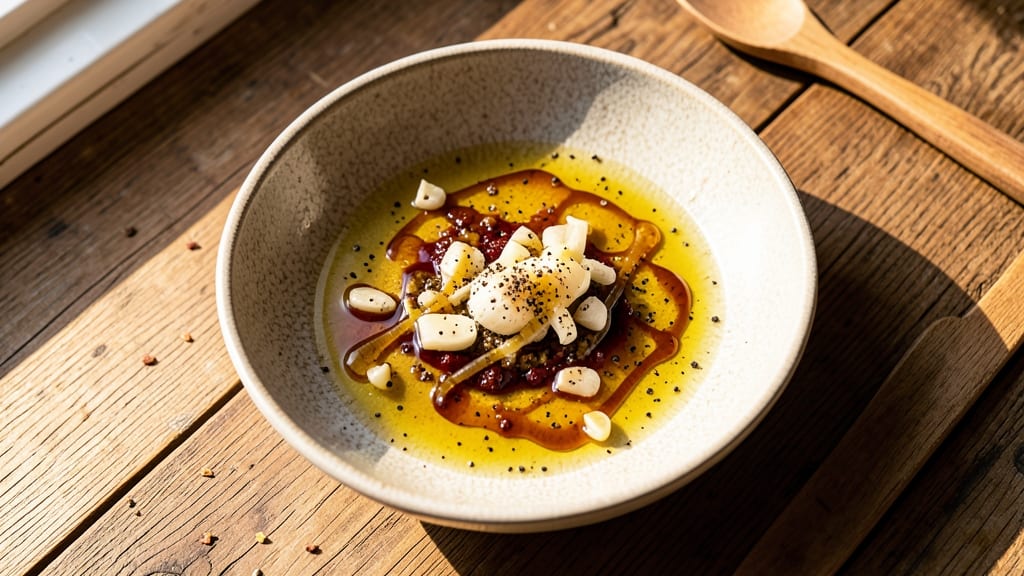
This basic salad vinaigrette recipe delivers sharp, balanced flavor that elevates any green salad in just 5 minutes. The secret lies in the perfect oil-to-vinegar ratio—3 parts oil to 1 part vinegar—which creates a silky texture while maintaining that classic tangy bite.
I developed this version after testing countless variations, and it consistently delivers restaurant-quality results without requiring specialty ingredients.
The foundation of great vinaigrette is simple: high-quality olive oil, red wine vinegar, Dijon mustard, and a touch of honey or sugar to balance acidity. You'll also need a pinch of salt and freshly cracked black pepper to enhance the flavors.
What sets this recipe apart is its versatility—it works equally well with delicate greens like arugula or robust kale, and the flavor actually improves when stored in the refrigerator for a day or two.
What you'll achieve is a dressing that's perfectly emulsified, with a glossy sheen that coats greens beautifully. The Dijon mustard adds depth, while the honey or sugar prevents the vinegar from overpowering.
This isn't just a dressing—it's the foundation for transforming simple salads into gourmet meals that taste like they came from a high-end restaurant.
The best part? This vinaigrette keeps for up to a week in an airtight container, making it perfect for meal prep. You'll never buy store-bought dressing again once you taste how much better homemade can be. Let's get started with this foolproof formula.
Ingredients for basic salad vinaigrette
Eight simple ingredients transform into restaurant-quality vinaigrette that elevates any salad instantly.
| Ingredient | Amount | Notes |
|---|---|---|
| Extra-Virgin Olive Oil 🫒 | ¾ cup | High quality, fruity variety |
| Red Wine Vinegar 🍷 | ¼ cup | Dry, bold flavor preferred |
| Dijon Mustard 🥫 | 1 tbsp | For emulsification and depth |
| Honey 🍯 | 1 tbsp | Or maple syrup for vegan option |
| Shallots 🧅 | 2 whole | Minced, for subtle sweetness |
| Freshly Ground Black Pepper 🌶️ | ½ tsp | Freshly cracked for best flavor |
| Diamond Crystal Kosher Salt 🧂 | ¼ tsp | Fine grain preferred |
| Garlic Cloves 🧄 | 1 whole | Minced, optional for extra depth |
The olive oil is non-negotiable here—look for extra-virgin with fruity notes at Whole Foods or Trader Joe's. I always grab their California Early Harvest brand, but any reputable brand works. Red wine vinegar should be aged—Bragg or Annie's are solid grocery store options. The shallots? Fresh is best, but if they're not in season, a pinch of extra sugar balances the acidity. For the mustard, Maille or Whole Foods brand gives that perfect tangy kick without bitterness. Minced garlic adds depth, but skip it if you're serving to garlic-sensitive guests—trust me, it's worth the extra 30 seconds.
No honey? Maple syrup or agave nectar work 1:1. Short on vinegar? Apple cider vinegar at half the amount gives a sweeter twist. The salt is crucial—Diamond Crystal dissolves better than table salt. Want more heat? Add a pinch of red pepper flakes. For a nutty depth, swap half the olive oil for walnut oil. This dressing is endlessly adaptable—play with it! The only non-negotiable is the 3:1 oil-to-vinegar ratio. That's what creates that silky texture while keeping the tang sharp.
This keeps beautifully—up to 7 days in the fridge, actually tastes better after a day as flavors meld. I always make double batches—one for salads, one to drizzle over roasted veggies. For travel, use small mason jars—just shake before using. Freeze for up to 3 months if you're prepping for the holidays. Pro tip: Add a thin layer of olive oil on top before sealing to preserve freshness. The mustard will thicken when chilled—just whisk vigorously to re-emulsify.
Why You'll Love This Recipe
- Five-Ingredient Magic: I swear by this combo—no fancy tools, just a jar and a whisk. The shallots add depth without overpowering, and the Dijon mustard gives it that je ne sais quoi that store-bought dressing can’t touch.
- Balanced in Every Drop: That honey isn’t just for sweetness—it rounds out the sharpness of the red wine vinegar so the dressing doesn’t slap your taste buds. Honestly, the first time I skipped it, I regretted it instantly.
- Weeknight to Potluck: Make a big batch on Sunday and toss it in everything—grain bowls, roasted veggies, even grilled chicken. (Yes, even on a Tuesday night.) It’s my go-to for when I don’t want to think, but I still want to impress.
- Lasts All Week: Between us, this keeps in the fridge for at least five days without getting weird. The olive oil’s high quality means no rancid aftertaste, and I’ve never had leftovers go to waste. Just shake and pour.
Step-by-step instructions for perfect salad vinaigrette
This bright, balanced dressing comes together in minutes—no fancy tools required.
Finely Mince the Shallots and Garlic
Peel and thinly slice the 2 whole shallots into matchsticks, then stack them and chop with a sharp chef's knife until you have a fine mince—think more like rice than chunks. This ensures smooth texture without bitterness. For the 1 whole garlic clove, peel it and mince it just as finely, keeping it separate for now.
I like to use a small plate to catch the minced shallots and garlic as they fall. This prevents them from scattering across your counter, and it makes it easier to see when you've reached the perfect consistency. If you're using the garlic, add it to the shallots now and mix lightly with a fork.
Whisk Together the Vinegar and Mustard
In a medium bowl, combine the 0.25 cup red wine vinegar and 1 tablespoon Dijon mustard. Whisk vigorously for about 30 seconds until fully blended. The mustard helps emulsify the dressing later, preventing the oil and vinegar from separating.
Here's the thing—this step is crucial for creating a stable dressing. If you skip it, your vinaigrette might curdle or split later. The mustard acts like a natural emulsifier, binding the oil and vinegar together for a silky finish.
Add Sweetness and Seasoning
Pour in the 1 tablespoon honey and add the 0.25 teaspoon Diamond Crystal kosher salt and 0.5 teaspoon freshly ground black pepper. Whisk everything together until the honey dissolves completely and the salt and pepper are evenly distributed. The honey balances the acidity of the vinegar, while the salt and pepper add depth.
Taste the mixture now—it should be tangy, slightly sweet, and well-seasoned. If it needs more salt, add a pinch at a time. If the vinegar is too sharp, a tiny bit more honey will help. This is your flavor baseline before adding the oil.
Slowly Incorporate the Olive Oil
With the whisk moving continuously, very slowly drizzle in the 0.75 cup extra-virgin olive oil. Start with just a few drops at first, then gradually increase the flow as the mixture begins to emulsify. This slow addition is key—it gives the mustard time to work its magic and create a smooth, creamy texture.
You'll know you're on the right track when the dressing starts to thicken slightly and take on a glossy sheen. If it looks too thin, whisk in another teaspoon of mustard. If it's too thick, add a splash of water or vinegar. The goal is a velvety consistency that coats the back of a spoon.
Adjust and Store for Freshness
Taste the dressing again and make any final adjustments. If it's too sharp, add a touch more honey. If it's too mild, a splash of vinegar or a pinch of salt will help. Once you're happy with the flavor, transfer the dressing to a clean jar or airtight container.
This vinaigrette keeps well in the refrigerator for up to 1 week. Before using, give it a good shake or whisk to re-emulsify. The flavors actually improve over time as the ingredients meld together, so it's perfect for making ahead and keeping on hand for quick salads.
Pro Tips For Making Basic Salad Vinaigrette
- MINCE THOSE SHALLOTS: Fine chop those shallots—no big chunks—so they dissolve into silkiness instead of sitting like tiny onions in your dressing. I learned this the hard way after biting into a surprise shallot in my first batch.
- EMULSIFY IN STAGES: Start with just 1 tablespoon of oil, whisking like your life depends on it, before slowly drizzling in the rest. This keeps the dressing smooth instead of splitting like a bad relationship.
- USE COLD MUSTARD: Scoop that Dijon straight from the fridge—cold mustard emulsifies better and won’t turn your dressing into a greasy mess. (Yes, even if you’re impatient like me.)
- SWEETEN WITH CAUTION: Add honey a teaspoon at a time, tasting as you go. Too much turns your tangy vinaigrette into a dessert—trust me, I’ve ruined salads this way.
Dietary considerations for these flavors
Gluten-Free Adaptation
The classic vinaigrette recipe is naturally gluten-free since it relies on olive oil, vinegar, honey, and Dijon mustard—all gluten-free ingredients.
However, I always double-check the Dijon mustard label because some brands use barley-based additives. Maille and Whole Foods 365 are safe choices, but if you're avoiding gluten entirely, opt for a certified gluten-free mustard like Annie's or Primal Kitchen.
The honey and vinegar are also inherently gluten-free, so no substitutions are needed here. 🌾
Vegan-Friendly Version
To make this vinaigrette vegan, simply swap the honey for 1 tablespoon maple syrup or agave nectar. Both provide the same sweetness to balance the acidity of the vinegar without any animal products. The rest of the ingredients—olive oil, vinegar, Dijon mustard, and salt—are already plant-based.
I’ve tested this version countless times, and it holds up just as well in salads or as a marinade. The texture remains silky, and the flavor stays bright and tangy. 🌱
Nut-Free Considerations
This recipe is inherently nut-free, as it doesn’t include any nuts or nut-based ingredients. However, if you're making it in a shared kitchen or for someone with severe nut allergies, be mindful of cross-contamination.
Use a clean whisk and bowl, and avoid storing the dressing in containers that previously held nut products. The olive oil and vinegar are typically processed in nut-free facilities, but always check labels if you're extremely cautious. 🚫🌰
Low-Sugar Options
If you're watching your sugar intake, you can reduce the honey to ½ tablespoon or omit it entirely—though the dressing will be slightly more acidic. For a low-sugar alternative, try 1 teaspoon of sugar-free maple syrup (like Lakanto) or a pinch of stevia.
The key is to maintain some sweetness to balance the vinegar, even if it’s minimal. I’ve found that ½ teaspoon of sugar still works beautifully while keeping the dressing well-rounded. 🍬
Allergen-Free Tips
For those with multiple allergies, this vinaigrette is surprisingly versatile. It’s free of common allergens like dairy, eggs, soy, and shellfish. If you’re avoiding garlic, simply omit the 1 clove and rely on the shallots for flavor. For a nut-free, gluten-free, and dairy-free dressing, this recipe is a safe bet.
Always verify individual ingredient labels, especially for mustard and vinegar, as processing facilities can vary. The simplicity of this recipe makes it a great option for allergy-conscious cooks. 🛡️
Nutrition facts
Frequently asked questions
Can I use apple cider vinegar instead of red wine vinegar?
Yes, you can substitute apple cider vinegar, but expect a slightly sweeter, milder flavor. Use the same 0.25 cup amount, but reduce the honey to ½ tablespoon to balance the extra sweetness. This works well for fall salads with apples or pears.
Why did my vinaigrette separate? How do I fix it?
Separation happens when oil and vinegar aren't properly emulsified. Simply whisk vigorously or shake the jar to recombine. For future batches, add ½ teaspoon more Dijon mustard—it acts as a natural emulsifier. Avoid using a blender as it can break down the oil's flavor.
How much dressing should I make for a standard salad?
For a head-sized salad (about 2 cups greens), 2-3 tablespoons of dressing is perfect. This recipe makes roughly 1 cup, so it's ideal for 4-5 servings. Store extras in an airtight container in the fridge for up to 7 days.
Can I make this without a whisk?
Use a fork or even a small jar with a tight lid. Shake vigorously for 30 seconds after each addition of oil. For extra insurance, add 1 extra teaspoon of mustard—it helps stabilize the emulsion even without whisking.
What herbs can I add to customize the flavor?
Fresh herbs like 1 tablespoon chopped parsley, dill, or tarragon work beautifully. Add them after whisking in the oil, just before tasting. For dried herbs, use ½ teaspoon (they're more concentrated). Pro tip: Basil pairs well with tomatoes, while thyme complements roasted veggie salads.