
Salads
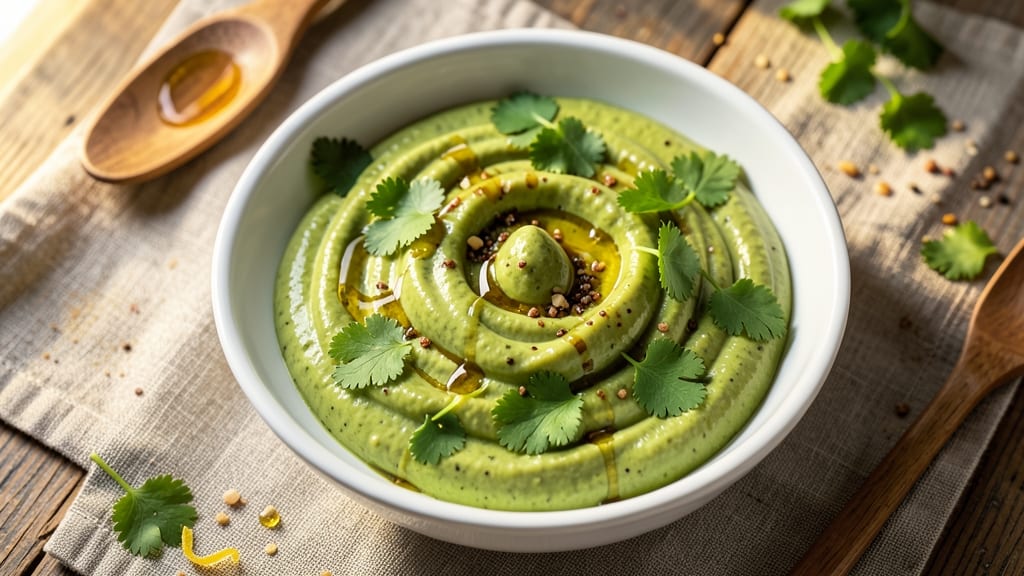
This avocado vinaigrette salad dressing transforms any salad from ordinary to extraordinary with its creamy, tangy depth—no mayo required. The secret lies in blending ripe avocado with sharp vinegar and a touch of mustard, creating a velvety emulsion that clings to greens like a dream.
I developed this recipe after craving a dressing with healthy fats and vibrant color that still delivers restaurant-quality flavor at home.
The beauty of this dressing is its versatility—it works equally well on crisp arugula salads, hearty grain bowls, or even as a dip for veggie sticks. The avocado provides natural creaminess while keeping it plant-based, and the lemon juice ensures it stays fresh for days.
Unlike store-bought versions, this one never separates, thanks to the emulsifying power of Dijon mustard and proper blending technique.
What you’ll end up with is a dressing that’s bright, balanced, and packed with nutrients—no artificial ingredients or preservatives. The avocado’s richness mellows the acidity of the vinegar, while fresh herbs add a final layer of freshness.
It’s the kind of dressing that makes you reach for the salad bowl first, even on busy weeknights.
Store it in an airtight container in the fridge for up to 5 days, giving it a gentle shake before each use to redistribute the avocado. Pair it with anything from mixed greens to roasted vegetables—this dressing turns simple ingredients into something truly special. Let’s make it!
Ingredients for avocado vinaigrette salad dressing
Eleven simple ingredients create a velvety, vibrant dressing that elevates every salad.
| Ingredient | Amount | Notes |
|---|---|---|
| Ripe Avocados 🥑 | 2 whole | Firm but yielding when pressed |
| Extra-Virgin Olive Oil 🫒 | ½ cup | Light fruity variety preferred |
| Red Wine Vinegar 🍷 | ¼ cup | Bold flavor, not sweet |
| Fresh Lemon Juice 🍋 | ⅛ cup | About 2 medium lemons |
| Dijon Mustard 🌶️ | 1 tbsp | For emulsion stability |
| Fresh Cilantro Leaves 🌿 | ¼ cup | Stems removed, loosely packed |
| Fresh Parsley Leaves 🌿 | ¼ cup | Flat-leaf preferred |
| Garlic Cloves 🧄 | 2 cloves | Peeled, minced fine |
| Sea Salt 🧂 | ½ tsp | Fine grain preferred |
| Black Pepper 🌶️ | ¼ tsp | Freshly ground preferred |
| Filtered Water 💧 | ⅛ cup | For thinning if needed |
The avocados are the heart of this dressing—pick perfectly ripe ones (yielding but not mushy) from the produce section. Trader Joe's or Whole Foods usually have the best selection, but any grocery store's produce department works. For the olive oil, look for a light, fruity variety—avoid strong peppery oils that can overpower the delicate avocado flavor. The vinegar should be bold and dry—avoid sweet balsamic unless you want a dessert-like dressing. Fresh herbs are non-negotiable here; dried just won't give the same vibrant punch. If you're short on time, cilantro and parsley can be swapped one-for-one with basil, though the flavor will shift slightly.
No avocados? Mashed silken tofu makes an excellent substitute—it provides the same creamy texture without the fruitiness. Short on cilantro? Fresh dill or basil work in a pinch (use the same amount). The Dijon mustard is crucial—regular yellow mustard won't emulsify properly. For extra tang, add an extra tablespoon of lemon juice (but don't skip the mustard). This dressing is naturally vegan—just ensure your olive oil is plant-based and your vinegar isn't flavored with honey. The garlic can be roasted for a mellow sweetness if you prefer, but raw gives the most authentic flavor. Store-bought oils with added flavors or preservatives will compromise the fresh taste, so check the label if you're unsure.
This dressing keeps beautifully in an airtight glass jar in the fridge for up to 5 days—give it a gentle shake before each use to redistribute the avocado. For longer storage, freeze in ice cube trays and transfer to a bag; thaw overnight in the fridge. The color may darken slightly over time, but the flavor stays vibrant. Double the batch—it disappears fast! The dressing works best on cool or room-temperature salads (hot greens can break the emulsion). For extra richness, add a tablespoon of tahini to the blend, but reduce the olive oil slightly to maintain balance.
Why You'll Love This Recipe
- No Blender Needed: I’ll be real—this dressing comes together with one fork and a bowl. Mash that avocado right in, drizzle the olive oil while stirring, and boom. No pulsing, no straining, no cleanup. The mustard and vinegar emulsify it so smoothly, you’d never know it wasn’t store-bought.
- Creamy Without Guilt: That avocado base makes it rich and velvety, but the lemon and red wine vinegar cut through the heaviness—like a bright, tangy hug. Honestly, it’s the kind of dressing that makes me actually want to eat more greens. (Yes, even on a Tuesday night.)
- Weeknight Meal Prep Hero: This keeps for days in the fridge, clinging to greens like it’s glued on. I make a big batch on Sundays, toss it with roasted veggies, or drizzle it over grilled chicken—no last-minute scrambling. Plus, the avocado’s healthy fats mean it won’t separate or turn sad like some dressings do.
- Budget-Friendly Luxury: Extra-virgin olive oil and fresh lemon might sound fancy, but a single avocado stretches this dressing far—way more than pricey bottled versions. Between us, I’ve used this to dress up a simple lunchbox salad or a fancy dinner plate, and no one’s ever questioned the cost. (Or the taste.)
Step-by-step instructions for avocado vinaigrette salad dressing
A creamy, vibrant dressing without mayo—just ripe avocado and bright acidity for perfect balance.
Prepare the Avocado Base
Cut the 2 whole ripe avocados in half, remove the pits, and scoop the flesh into a food processor or high-powered blender. The avocados should yield slightly when pressed but not be mushy—this ensures a smooth texture without excess water. Add the 2 cloves garlic and 1 tablespoon Dijon mustard to the processor. Pulse briefly to combine these ingredients before adding anything else.
Garlic and Dijon mustard act as emulsifiers here, helping the avocado fat bind with the liquids. The mustard also adds depth of flavor that balances the bright acidity of the vinegar and lemon. Don't skip this initial pulse—it prevents the processor from getting overloaded when you add the wet ingredients.
Blend the Wet Ingredients
With the processor running, slowly drizzle in the 0.5 cup extra-virgin olive oil through the feed tube. This gradual addition prevents the oil from separating and creates a silky emulsion. After the oil is fully incorporated, add the 0.25 cup red wine vinegar and 0.125 cup fresh lemon juice. The mixture should begin to thicken as the ingredients combine.
Here's the thing—this is where the magic happens. The acidity from the vinegar and lemon cuts through the richness of the avocado, creating that signature tangy brightness. If the mixture looks too thick, you can add 1 tablespoon of filtered water at a time until it reaches a pourable consistency. The goal is a dressing that clings to greens without overwhelming them.
Incorporate the Herbs and Season
Add the 0.25 cup fresh cilantro leaves and 0.25 cup fresh parsley leaves to the processor. Pulse just until the herbs are finely chopped and evenly distributed—you don't want to puree them into oblivion, just integrate them smoothly. Season with the 0.5 teaspoon sea salt and 0.25 teaspoon black pepper. Taste the dressing at this point—it should be tangy, herby, and just slightly peppery.
The herbs add freshness and color, while the salt and pepper round out the flavors. If you find the dressing needs more acidity, add another 1 teaspoon of lemon juice. For extra richness, you can add a splash more olive oil. The dressing should be thick enough to coat the back of a spoon but still flow freely when drizzled.
Adjust Consistency and Store
Transfer the dressing to a bowl and taste again. If it's too thick, thin it with 1 tablespoon of filtered water at a time until it reaches your desired consistency. For a salad dressing, it should coat a fork lightly but still pour smoothly. If it's too thin, you can blend in a bit more avocado or a small dollop of Dijon mustard to thicken it naturally.
Cover the dressing with plastic wrap pressed directly onto the surface to prevent browning, and refrigerate for at least 1 hour before using. This chilling time allows the flavors to meld and the texture to stabilize. The dressing will keep in the refrigerator for up to 3 days, though the avocado will darken slightly over time—this doesn't affect the flavor. For the best texture, use it within 2 days of making it.
Pro Tips For Making Avocado Vinaigrette Salad Dressing
- MASH IT SMOOTH: Use the back of a spoon or a potato masher to break up the avocado flesh first—this saves time and prevents clumps later. I learned this the hard way after struggling to blend thick chunks into a silky texture.
- SALT THE AVOCADO: Sprinkle a pinch of flaky salt over the avocado before mashing—it softens the flesh faster and balances the richness. Sounds weird, but it works: your dressing will emulsify better right from the start.
- DON’T SKIP THE ICE: Add 1-2 ice cubes to the blender while puréeing—this chills the dressing immediately and prevents the avocado from turning gray. I skip this when I’m lazy, but the dressing lasts twice as long in the fridge.
- EMULSIFY FAST: Whisk the mustard into the vinegar first, then slowly drizzle in the olive oil while blending—this creates a stable base before adding the avocado. After burning three batches of separated dressing, I finally figured out the order matters.
Make-ahead tips for this dish
Prep Ahead Strategy
Make this dressing 24 hours ahead for the most vibrant flavor—it develops depth as the avocado and herbs meld in the fridge. I like to prep it on Sunday mornings so it’s ready for weekday lunches.
The acidity brightens over time, making it taste even better after resting. Store in an airtight glass jar with a tight-sealing lid to preserve freshness. 🥑
Batch Prep Tips
Double or triple the recipe to have dressing ready for the week. Divide into smaller containers (like 8-ounce mason jars) so you only thaw what you need. Label with the date—this helps track freshness.
The dressing keeps for 5 days in the fridge, though I find it’s best used within 3 days for peak texture. For longer storage, freeze in ice cube trays and transfer to a bag. Thaw overnight in the fridge before using.
Herb Substitutions
Short on cilantro or parsley? Swap them 1:1 with fresh basil, dill, or chives—just know the flavor will shift slightly. For example, basil adds a sweeter note, while dill brings a more anise-like quality.
If using dried herbs, reduce to ⅓ the amount (so ⅛ cup dried herbs instead of ¼ cup fresh). Always add herbs at the end to preserve their freshness and vibrant color. 🌿
Texture Troubleshooting
If your dressing separates after refrigeration, give it a good shake before using—this redistributes the avocado fat. For extra insurance, add ½ teaspoon of xanthan gum when blending (it acts as a natural thickener).
If it’s too thick, thin with 1 tablespoon of water at a time. For a smoother texture, strain through a fine-mesh sieve before serving. The key is consistency—adjust as you go! ✨
Freezing for Later
Freeze the dressing in 1-tablespoon portions for easy single-use servings. Place portions in a freezer-safe bag, squeeze out excess air, and flatten slightly. Thaw in the fridge overnight—never microwave as it can break the emulsion.
The texture may be slightly grainier after freezing, but the flavor remains bright. This is perfect for meal prep when you want to keep ingredients fresh longer. ❄️
Reusing Ingredients
Use any leftover avocado flesh from this recipe in avocado toast, smoothies, or guacamole. The herbs can go into pesto, soups, or grain bowls. Even the red wine vinegar and lemon juice leftovers work in marinades or vinaigrettes.
Minimize waste by planning how to repurpose ingredients—this dressing is just the beginning of flavor possibilities! 💡
Nutrition facts
Frequently asked questions
Can I make this avocado dressing without a food processor?
Yes! Use a high-speed blender or even a mortar and pestle for small batches. For a smoother texture, blend the avocado with garlic and mustard first, then gradually whisk in the oil and vinegar with a fork. If it separates, stir vigorously or add 1 teaspoon of lemon juice to help emulsify. The texture won't be as silky, but it'll still taste delicious!
Why did my dressing turn brown after refrigerating?
Avocado naturally oxidizes (turns brown) when exposed to air, but this doesn't affect flavor. To prevent browning, press plastic wrap directly onto the surface before sealing the container. For a smoother look, strain through a fine-mesh sieve before serving. The dressing will keep its vibrant taste for 3 days—just give it a shake before using!
What salads or dishes pair best with this dressing?
This creamy vinaigrette shines on mixed greens, kale salads, or grain bowls. It also works as a dip for veggies, a marinade for grilled chicken or tofu, or even a sandwich spread. For extra contrast, pair it with crispy roasted vegetables, quinoa, or avocado slices. The herby brightness cuts through rich dishes beautifully!
Can I make this dressing spicier or sweeter?
For heat, add ½ teaspoon of chili flakes or cayenne while blending. For sweetness, stir in 1 teaspoon of maple syrup or agave at the end. Start with small amounts—taste as you go! The dressing's balance depends on the avocado's natural richness, so adjust gradually to avoid overpowering the flavors.
How do I fix a dressing that's too thick or too thin?
For thick dressing, thin with 1 tablespoon of water at a time until it reaches a pourable consistency. If too thin, blend in 1 tablespoon of avocado or Dijon mustard to thicken naturally. Always adjust gradually—test on a small portion first. The ideal texture coats a fork lightly but drizzles smoothly over salads.