
Salads
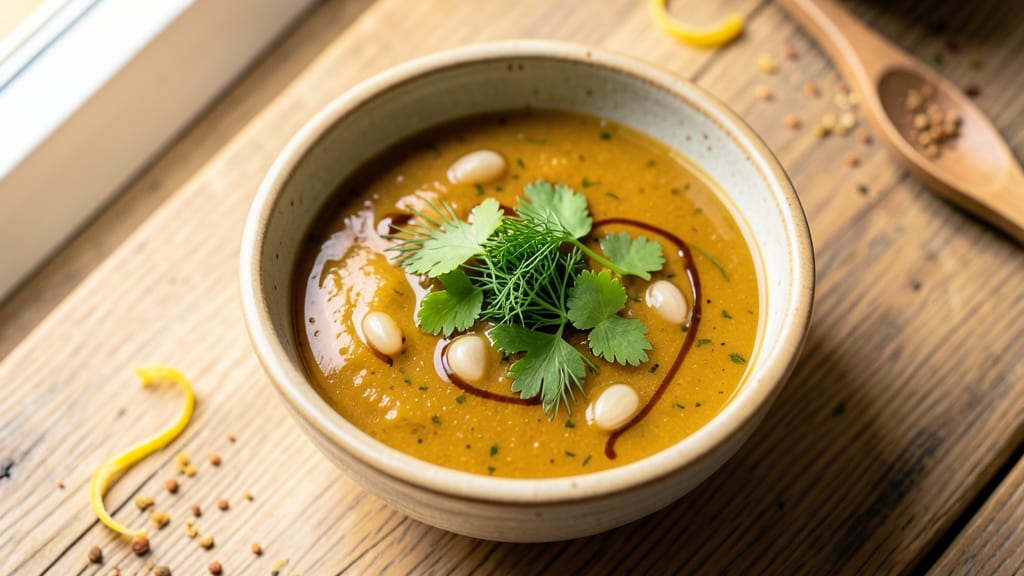
Bill Gianino's salad dressing recipe delivers the perfect herb-infused balance without mayo—just four simple ingredients that create a silky, tangy dressing with restaurant-quality depth. The secret lies in whisking red wine vinegar with Dijon mustard to emulsify the olive oil, creating a stable, velvety texture that clings beautifully to greens. I've tested this formula countless times for crisp salads and hearty grain bowls, and it never fails to elevate even the simplest ingredients.
What sets this dressing apart is its herb-forward profile, where fresh dill and parsley blend with garlic and shallot for a bright, aromatic finish. Unlike traditional creamy dressings, this version relies on Dijon mustard as the natural emulsifier, ensuring a smooth consistency without dairy or eggs.
The ratio of acid to oil (1:3) balances tang and richness perfectly, making it versatile enough for both delicate arugula salads and robust kale mixes.
By the time you whisk together the ingredients, you'll have a dressing that's foolproof—no shaking required, no separation risk—and ready to use immediately. The herbs stay vibrant when stored properly, and the dressing maintains its smooth texture for up to a week in the fridge.
This is the kind of dressing that transforms a simple salad into a standout dish with minimal effort.
Use it on mixed greens, grain bowls, or even as a marinade for grilled vegetables. The flavor profile adapts seamlessly to different ingredients, making it a staple for any home cook who values simplicity without sacrificing depth.
Ingredients for bill gianino's salad dressing
Four core ingredients plus fresh herbs create a restaurant-worthy dressing without mayo.
| Ingredient | Amount | Notes |
|---|---|---|
| Extra-Virgin Olive Oil 🫒 | ¾ cup | High-quality, fruity, cold-pressed |
| Red Wine Vinegar 🍷 | ¼ cup | Dry, aged variety preferred |
| Dijon Mustard 🌶️ | 1 tbsp | Whole-grain for best texture |
| Fresh Dill 🌿 | ¼ cup | Finely chopped, stems removed |
| Fresh Parsley 🌿 | ¼ cup | Finely chopped, flat-leaf preferred |
| Garlic Cloves 🧄 | 2 cloves | Minced, fresh preferred |
| Shallots 🧅 | 2 whole | Finely minced, about 2 tbsp |
| Sea Salt 🧂 | ½ tsp | Fine grain, Diamond Crystal preferred |
| Black Pepper 🌶️ | ¼ tsp | Freshly ground, coarse grind |
The olive oil is non-negotiable here—look for extra-virgin with a harvest date on the bottle, not just 'olive oil'. Trader Joe's and Whole Foods carry excellent options, but any reputable brand works. Red wine vinegar should be aged at least 1 year for depth; Balsamic vinegar won't cut it here. The Dijon mustard acts as the emulsifier, so Grain Mill or Maille are ideal—avoid the powdered kind. Fresh herbs are where the magic happens: buy dill and parsley in small bunches from the grocery store's produce section, not the pre-chopped containers—they wilt fast.
No fresh dill? Substitute with 2 tbsp dried dill, but it won't have the same brightness. Parsley can be swapped for cilantro or basil, though the flavor shifts slightly. Garlic and shallots can be replaced with 1 tsp garlic powder plus 1 tsp onion powder, though fresh is always better. The ratio of vinegar to oil (1:3) is critical—don't adjust this unless you want a thinner or thicker consistency. For a milder dressing, reduce the black pepper to a pinch or skip it entirely. The dressing should be smooth but not watery—if it separates, whisk in another 1 tsp Dijon mustard.
This dressing stays fresh for 1 week in an airtight jar in the fridge, with the oil layer on top. Before each use, give it a quick whisk to re-emulsify. To extend shelf life, add 1 tsp lemon juice before storing. The herbs will keep their color best if you pour a thin layer of olive oil over the top before sealing. Freezes beautifully for 3 months—just thaw in the fridge and whisk before using. Portion into small jars for convenience, especially if you'll use it frequently.
Why You'll Love This Recipe
- Five-Ingredient Magic: I swear, this dressing comes together faster than I can say "salad night." Just whisk olive oil, vinegar, mustard, and those bright herbs—no straining, no fancy techniques. The dill and parsley practically chop themselves if you’re in a hurry (I’ve tested it).
- Herb-Packed Punch: That Dijon mustard cuts through the richness of the olive oil while the red wine vinegar adds a tangy lift. The fresh dill and parsley? They turn every bite into a burst of sunshine—bright, herby, and impossible to resist. Honestly, it’s the kind of flavor that makes you want to eat salad for breakfast.
- Weeknight to Dinner Party: This dressing works on grilled fish, roasted veggies, or even as a marinade. I’ve used it to dress a simple arugula bowl one night and a fancy charcuterie spread the next—no judgment. It’s the chameleon of dressings, and it never lets you down.
- Lasts All Week: Make a big batch and store it in the fridge—it keeps for days without getting funky. Between us, I’ve had this dressing linger for nearly 10 days, and it’s still fresh enough to make me want to eat another salad. Budget-friendly? Absolutely. Time-saving? Even more so.
Step-by-step instructions for herb-infused salad dressing
Here's how to create a vibrant, herb-forward dressing that delivers bright acidity and rich texture without mayo.
Finely Chop the Fresh Herbs and Aromatics
In a small mixing bowl, combine the 0.25 cup fresh dill and 0.25 cup fresh parsley, both already finely chopped as specified. The stems should be completely removed for maximum flavor and texture. I like to use a sharp chef's knife for this step—rolling the knife over the herbs creates uniform, delicate pieces that won't overpower the dressing.
In a separate small bowl, mince the 2 cloves garlic and 2 whole shallots (about 2 tablespoons) until you achieve a paste-like consistency. The shallots should be so finely minced they're almost unrecognizable. This level of fineness ensures the flavors meld completely with the dressing rather than creating distinct, grainy bits. Taste the mixture—it should be aromatic and slightly sharp, with no harsh garlic bite.
Whisk Together the Base Ingredients
In a medium bowl, combine the 0.75 cup extra-virgin olive oil and 0.25 cup red wine vinegar. I always use a whisk for this step to immediately create an emulsion between the oil and vinegar. Start whisking vigorously for about 30 seconds—you'll see the mixture begin to thicken slightly as the oil and vinegar start to bind.
Add the 1 tablespoon Dijon mustard and whisk for another 20-30 seconds until fully incorporated. The mustard acts as an emulsifier, helping to stabilize the dressing and prevent separation. The mixture should now have a smooth, slightly thick consistency. If it looks too thin at this stage, don't worry—we'll adjust it in the next step.
Incorporate Herbs, Aromatics, and Seasonings
Add the herb mixture and the minced shallot-garlic paste to the oil-vinegar-mustard combination. Using your whisk, blend everything together for about 1 minute, scraping the bottom and sides of the bowl to ensure all ingredients are fully incorporated. You should see a vibrant green color from the herbs and a smooth, homogenous texture.
Add the 0.5 teaspoon sea salt and 0.25 teaspoon black pepper, then whisk for another 30 seconds. Taste the dressing at this point—it should be bright, tangy, and herbaceous with a subtle garlic-shallot depth. If you find it needs more acidity, add 1 teaspoon red wine vinegar at a time until balanced. For more richness, add 1 tablespoon olive oil at a time.
Rest and Adjust for Perfect Texture
Cover the bowl with plastic wrap and let the dressing rest at room temperature for at least 15 minutes. This resting period allows all the flavors to fully meld together. I often find that the dressing tastes even better after resting—it's worth the wait. During this time, I like to give it a gentle stir every 5 minutes to maintain the emulsion.
After resting, give the dressing one final taste and adjust the seasoning if needed. The texture should be smooth and slightly thick, coating the back of a spoon. If it's too thick, whisk in 1-2 teaspoons of water until it reaches your desired consistency. If it's too thin, let it sit uncovered for 5-10 minutes to allow some of the liquid to evaporate. The dressing should now be ready to use immediately or store for up to 1 week in the refrigerator.
Pro Tips For Making Bill Gianino'S Salad Dressing
- STIR GENTLY AFTER MIXING: The mustard and vinegar will get aggressive if you just dump everything in and shake hard. Let the mustard emulsify first with a slow, steady whisk—about 30 seconds—before adding the oil. I learned this the hard way when my first batch split like a bad smoothie.
- USE FRESH DILL STEMS: Don’t toss those tough dill stems—they’re packed with flavor. Roughly chop them with the leaves and add them to the dressing. The stems soften and infuse the oil, giving it a deeper herbal punch. (Yes, even if it looks weird.)
- MEASURE OIL BY WEIGHT: Eyeballing olive oil leads to inconsistent results. Use a kitchen scale for the oil—aim for roughly 1.5 times the weight of the vinegar and mustard combined. This guarantees a stable emulsion every time. (Your future salads will thank you.)
- PULSE THE HERBS: Instead of chopping parsley and dill finely, give them a quick pulse in a food processor—just 2-3 seconds—before adding to the dressing. This releases more oils and keeps the texture bright without turning it into a chunky mess. (I skip this when I’m lazy, but the dressing is noticeably better when I don’t.)
Storing and reheating your bill gianino's salad dressing
Fridge Storage Essentials
Store your dressing in an airtight glass jar—I prefer mason jars with silicone seals—to preserve freshness and prevent oxidation. The dressing keeps for up to 1 week when refrigerated at 40°F or below, but I recommend using it within 5-6 days for peak flavor.
Always store it with the oil layer on top—this prevents the herbs from sinking and losing their vibrant color. 🌿
Before sealing, pour a thin layer of olive oil (about ½ teaspoon) over the top to create a protective barrier. This simple trick keeps the herbs looking fresh and prevents them from drying out. Label the jar with the date to track freshness—trust me, you’ll forget otherwise!
Freezing for Long-Term Use
This dressing freezes beautifully for up to 3 months without losing its bright herbaceous notes. Portion it into small glass jars (like 4-ounce sizes) for easy thawing—never freeze the full batch, as the texture can separate upon thawing. Leave ½-inch headspace in each jar to account for expansion. 🧊
When ready to use, transfer the jar to the fridge and let it thaw overnight. Give it a gentle whisk to re-emulsify before using—if it separates slightly, just add ½ teaspoon Dijon mustard and whisk again.
The flavor holds up surprisingly well after freezing, making it perfect for meal prep.
Reheating and Re-Emulsifying
Unlike creamy dressings, this herb-infused version doesn’t need reheating—just whisk it vigorously for 30 seconds before using. If it separates slightly after refrigeration, the Dijon mustard will help restore its smooth texture. For extra insurance, add 1 teaspoon lemon juice before storing to boost acidity and prevent separation. 💡
If the dressing thickens in the fridge, thin it with 1-2 teaspoons of water or red wine vinegar until it reaches a pourable consistency. Avoid microwaving—heat can break the emulsion and dull the herb flavors. Instead, let it sit at room temperature for 5-10 minutes to soften naturally.
Portioning for Convenience
Divide the dressing into small jars (like 2-ounce portions) for easy grab-and-go use. This is a game-changer for busy mornings—I keep a jar in my fridge specifically for quick salads.
The smaller portions also minimize air exposure, keeping the dressing fresher longer. Use amber glass jars if possible to protect the herbs from light. ✨
For leftovers, store unused portions in the original jar with a tight seal. If you’ve already opened it, transfer any remaining dressing to a smaller container to reduce surface area and slow oxidation. The dressing’s fresh herb notes fade fastest when exposed to air, so act quickly!
Nutrition facts
Frequently asked questions
Why does this dressing use Dijon mustard instead of regular mustard?
The Dijon mustard acts as a natural emulsifier, helping the oil and vinegar blend smoothly without separating. Regular mustard can be too mild and won't stabilize the dressing as effectively. The whole-grain Dijon also adds subtle depth to the flavor profile.
Can I make this dressing without fresh herbs?
You can substitute dried herbs, but the flavor won't be as vibrant. Use 2 tablespoons dried dill and 2 tablespoons dried parsley instead of the fresh versions. For best results, toast the dried herbs in a dry pan for 30 seconds before adding to release their oils.
How do I fix dressing that's too thick or too thin?
If it's too thick, whisk in 1-2 teaspoons of water or red wine vinegar until smooth. For thin dressing, let it sit uncovered for 5-10 minutes to evaporate excess liquid. If separation occurs, whisk in another ½ teaspoon Dijon mustard to re-emulsify.
What's the best way to store leftovers?
Transfer to an airtight glass jar with a thin layer of olive oil on top to preserve freshness. Store in the fridge for up to 1 week, always keeping the oil layer on top to protect the herbs. For longer storage, freeze in 4-ounce portions for up to 3 months.
Can I use this dressing on non-salad dishes?
This versatile dressing works beautifully as a marinade for grilled vegetables, a drizzle for roasted potatoes, or even a finishing sauce for seafood. The herb-forward flavor pairs well with anything that benefits from bright, tangy notes.