
Salads
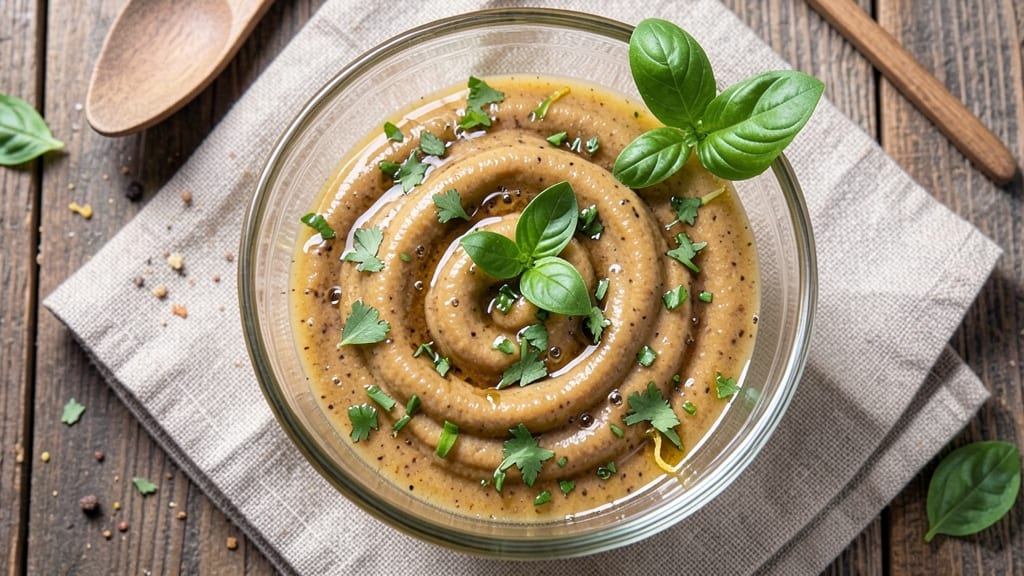
This Arbonne salad dressing recipe delivers creamy, herb-infused flavor without dairy or guilt—perfect for plant-based salads that taste restaurant-worthy. ✨ The secret lies in a simple blend of olive oil, lemon juice, and fresh herbs that emulsify effortlessly, creating a velvety texture with every shake.
Unlike store-bought versions, this dressing stays fresh for days and lets the natural flavors shine.
What makes this dressing stand out is its versatility and clean ingredient list. You’ll use basic pantry staples like Dijon mustard and apple cider vinegar to balance richness, while fresh basil and parsley add vibrant, aromatic depth.
The dressing works equally well on kale salads, grain bowls, or even as a marinade for grilled vegetables.
By the time you’re done, you’ll have a dressing that’s tangy, creamy, and packed with herbal brightness—no artificial additives required. The best part? It takes just 5 minutes to whip up, and the flavors develop even more as it sits.
This is the kind of dressing that transforms simple greens into a gourmet experience.
Store it in an airtight container in the fridge for up to a week, or make a double batch for meal prep. Whether you’re following Arbonne’s plant-based principles or just craving a lighter dressing, this recipe delivers on flavor without compromise.
Ingredients for arbonne salad dressing
Eight simple ingredients transform into velvety, herb-packed dressing that’s vegan, guilt-free, and restaurant-worthy.
| Ingredient | Amount | Notes |
|---|---|---|
| Extra-Virgin Olive Oil 🫒 | ¾ cup | High quality, fruity variety |
| Fresh Basil Leaves 🌿 | ½ cup | Packed, stems removed |
| Fresh Parsley Leaves 🌿 | ¼ cup | Packed, stems removed |
| Dijon Mustard 🍯 | 2 tbsp | Mild or strong variety |
| Apple Cider Vinegar 🍏 | 2 tbsp | Raw, unfiltered preferred |
| Fresh Lemon Juice 🍋 | 2 tbsp | Freshly squeezed |
| Garlic Cloves 🧄 | 2 cloves | Minced for flavor depth |
| Maple Syrup 🍁 | 1 tbsp | Pure, grade A |
| Sea Salt 🧂 | ½ tsp | Fine grain preferred |
| Black Pepper 🌶️ | ¼ tsp | Freshly ground |
The herbs are everything here. Fresh basil and parsley from the grocery store’s produce section work, but farmers market greens have way more flavor. Look for bright green leaves with no yellowing—those sad, wilted bunches won’t cut it. If you’re short on time, Trader Joe’s sells pre-washed herb bundles that stay fresh longer. The garlic? Freshly minced makes all the difference—no jarred minced garlic here. For the olive oil, Californian or Italian varieties add the most depth, but whatever’s in your pantry will do in a pinch.
No Dijon? Yellow mustard at double the amount works, though it’s less tangy. Short on apple cider vinegar? White wine vinegar or balsamic both work—just taste as you go. The maple syrup is non-negotiable for that subtle sweetness, but agave nectar is a 1:1 swap. Want it spicier? Add a pinch of red pepper flakes or a dash of hot sauce. The dressing emulsifies best when ingredients are at room temperature, so let everything sit out for 10 minutes before mixing if you’re in a hurry.
This keeps beautifully for 1 week in the fridge, but the flavors actually develop overnight—trust me. Store it in a small glass jar with a tight seal, and give it a good shake before each use. For meal prep, double the batch and portion into two small containers—one for salads, one for marinades. Freezes for 3 months if you want to stock up, though texture might separate slightly. Just shake it up before using.
Why You'll Love This Recipe
- No-Chop Needed: I swear by this—just tear the basil and parsley, no knife skills required. The vinegar and mustard blend in seconds while I’m still grabbing the olive oil.
- Herb-Packed Punch: That fresh basil and parsley combo? It’s like a bright, green hug in every bite. The Dijon mustard gives it a little kick, and the apple cider vinegar keeps it from being too heavy.
- Weeknight Magic: Drizzle it on greens for a quick lunch, toss it with grilled chicken for dinner, or even use it as a marinade. Honestly, I’ve used it for all three in one week—no stress, just flavor.
- Dollar Stretch: A little goes a long way, and since it’s mostly pantry staples, I can make a big batch for under $5. Plus, it keeps for weeks in the fridge, so I’m not scrambling to buy dressing last-minute.
Step-by-step instructions for herb-infused salad dressing
This dressing comes together in minutes with fresh, vibrant flavors.
👨🍳 Step 1: Blend the Fresh Herbs and Garlic
Place the 0.5 cup fresh basil leaves and 0.25 cup fresh parsley leaves into a food processor or blender. Add the 2 cloves garlic cloves and pulse until you get a fine, almost paste-like consistency. You want the herbs to be finely chopped but not completely liquefied—this ensures a bright, herbaceous flavor without turning the dressing into a puree.
I like to pulse in short bursts to avoid over-processing. You'll see the herbs transform from leafy greens to a concentrated green paste. This step is what gives the dressing its signature fresh, garden-fresh taste. If you don't have a food processor, you can finely chop the herbs by hand with a sharp knife, but they won't be as finely textured.
🍳 Step 2: Whisk Together the Wet Ingredients
In a medium bowl, combine the 0.75 cup extra-virgin olive oil, 2 tbsp apple cider vinegar, 2 tbsp fresh lemon juice, 1 tbsp maple syrup, 2 tbsp Dijon mustard, 0.5 tsp sea salt, and 0.25 tsp black pepper. Whisk vigorously until all ingredients are fully incorporated and the mixture is smooth and emulsified.
The olive oil should be at room temperature for best results—cold oil won't blend as smoothly. Here's where the magic happens: the acidity from the vinegar and lemon juice will start to break down the oil, creating the base for your dressing. I like to whisk for about 1-2 minutes until the mixture looks silky and homogeneous. If you're using a blender instead of a whisk, you can blend all ingredients together at this stage.
🥘 Step 3: Combine and Emulsify the Dressing
Add the herb mixture from Step 1 to the bowl with the wet ingredients. Using a whisk or a fork, gently stir to combine. The dressing should start to thicken slightly as the herbs distribute throughout. If you notice the mixture separating, don't worry—this is normal at first.
To fully emulsify, transfer the dressing to a blender or use a hand mixer to blend for about 10-15 seconds. This step ensures a smooth, creamy texture without any herb chunks. You'll know it's ready when the dressing looks uniform and has a velvety consistency. If it's too thick, add 1-2 teaspoons of water at a time until you reach your desired consistency. The dressing should coat the back of a spoon but still be pourable.
⏰ Step 4: Rest and Adjust the Flavor
Let the dressing rest at room temperature for 10-15 minutes before using. This resting period allows the flavors to meld together and the dressing to reach its full potential. You'll notice the colors deepen slightly and the flavors become more harmonious.
After resting, taste the dressing and adjust the seasoning if needed. If it needs more acidity, add a splash of lemon juice or apple cider vinegar. For more sweetness, add a tiny bit more maple syrup. The dressing should be balanced—bright from the herbs and acid, with a touch of sweetness and a creamy finish. Store any leftovers in an airtight container in the refrigerator for up to 1 week. Give it a good shake before using, as the ingredients may separate slightly when refrigerated.
Pro Tips For Making Arbonne Salad Dressing
- STACK THE HERBS: Mix basil and parsley after whisking the oil, vinegar, and mustard—this keeps the leaves from turning to mush in the dressing. I learned this the hard way when my first batch looked like pesto sludge.
- USE COLD MUSTARD: Scoop Dijon straight from the fridge—warm mustard thins out faster and can make the dressing separate. Sounds odd, but it guarantees a smoother, more stable emulsion every time.
- WHISK IN STAGES: Start with 2 tablespoons of olive oil, then slowly drizzle in the rest while whisking vigorously. Dumping all the oil at once risks breaking the emulsion, and nobody wants a greasy split dressing.
- VINEGAR FIRST, OIL LAST: Add apple cider vinegar to the mustard before touching the olive oil—this helps the acid cut through the richness right from the start. I skip this, and the flavors feel flat and one-dimensional.
Creative variations of this dish
Herb Swaps
Trade basil and parsley for other fresh herbs based on what you have. Dill adds a bright, tangy note perfect for Mediterranean salads, while cilantro works beautifully in Mexican-inspired bowls. For a more robust flavor, try thyme or rosemary—just reduce the amount to ¼ cup since they’re stronger.
I often use mint in summer for a refreshing twist, especially with fruit salads. 🌿
Sweet Variations
Adjust the sweetness to match your taste. Swap maple syrup for agave nectar (1:1 ratio) or add 1 tsp honey if you’re not strictly vegan. For a caramelized touch, lightly toast 1 tsp cinnamon and whisk it into the dressing.
My favorite is adding ½ tsp vanilla extract for a subtle depth that pairs well with berries or roasted veggies.
Spicy Kick
Turn up the heat with ½ tsp cayenne pepper or 1 tsp sriracha for a tangy burn. For smoky depth, add ½ tsp smoked paprika or a dash of hot sauce.
I love blending 1 small jalapeño (seeds removed) into the herb mixture for a fresh, mild heat that brightens even the simplest salad. 🌶️
Citrus Twists
Swap lemon for orange juice (use 2 tbsp) for a sweeter, tropical vibe, or try lime juice for a zesty tang. Add 1 tsp grated orange or lime zest to the dressing for an aromatic boost.
My go-to is a mix of lemon and lime—just use 1 tbsp of each—for a balanced, refreshing flavor that cuts through rich ingredients like avocado or nuts.
Nutty Depth
For a richer texture, stir in 1 tbsp tahini or 1 tsp almond butter into the emulsified dressing. The nutty flavor pairs beautifully with the herbs and adds a velvety finish.
I also love adding toasted pine nuts or walnuts (finely chopped) for crunch—just sprinkle them on top before serving. 🌰
Global Flavors
Transform this dressing into a Mediterranean version by adding 1 tsp oregano and ½ tsp garlic powder. For an Asian-inspired twist, replace the apple cider vinegar with 1 tbsp rice vinegar and add 1 tsp sesame oil.
A Southwest adaptation works with ½ tsp cumin and 1 tsp lime zest. Each variation keeps the base simple but elevates it to match your favorite cuisine.
Nutrition facts
Frequently asked questions
Can I make this dressing without a food processor?
If you don’t have a food processor, finely chop the 0.5 cup fresh basil and 0.25 cup parsley by hand with a sharp knife. For extra flavor, pulse the garlic in a small garlic press or mince it very finely. The texture will be slightly chunkier, but the taste stays vibrant. Just whisk everything together more thoroughly to distribute the herbs evenly.
How do I fix a dressing that’s too thick or separated?
If your dressing is too thick, add 1-2 teaspoons of water at a time while whisking until it reaches a pourable consistency. For separation, blend the dressing again for 10-15 seconds—this re-emulsifies the oil and herbs. If it still separates, stir in ½ teaspoon of Dijon mustard or 1 teaspoon of lemon juice to help stabilize it.
Can I use this dressing on non-salad dishes?
Yes! This versatile dressing works beautifully as a marinade for grilled vegetables, chicken, or tofu. It also elevates grain bowls, wraps, and even roasted potatoes. For marinades, add 1 tablespoon of soy sauce or 1 teaspoon of nutritional yeast to enhance umami depth. Let it sit for 10-15 minutes before using on proteins.
What’s the best way to store leftovers?
Store your dressing in an airtight glass jar in the fridge for up to 1 week. The ingredients may separate slightly, but a quick shake before use will restore its creamy texture. For longer storage, freeze in ice cube trays—thaw and shake to use. Avoid metal containers, as they can react with the acidity over time.
Is this dressing safe for people with nut allergies?
Yes, this recipe is naturally nut-free! The base ingredients—olive oil, herbs, vinegar, and citrus—are all safe for nut allergies. However, always double-check your Dijon mustard label, as some brands process in facilities that handle nuts. For extra caution, use a dedicated mustard container.