
Salads
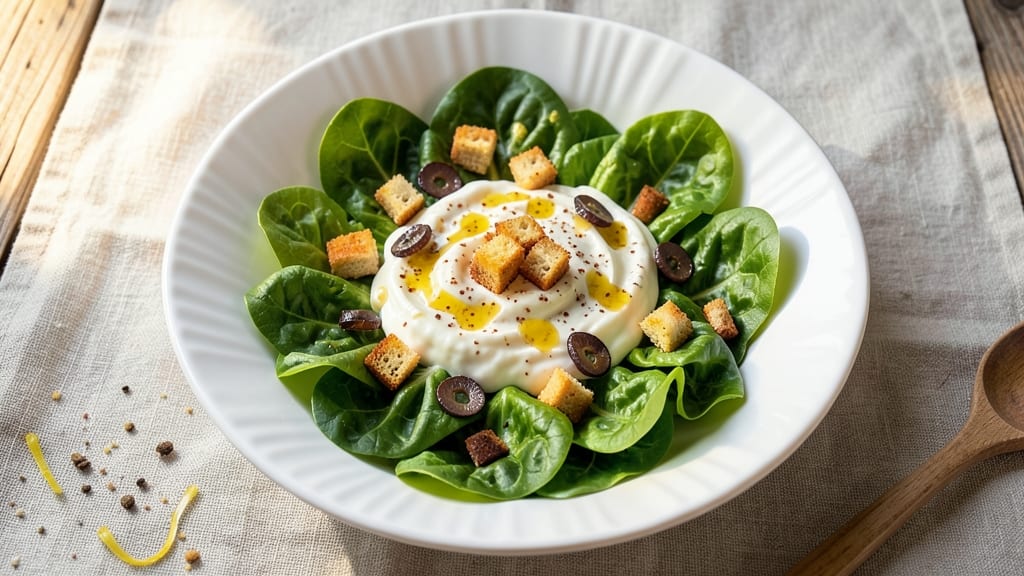
This Caesar salad diet recipe reimagines a classic while keeping it satisfying—crisp romaine, a lighter dressing, and smart swaps that cut calories without sacrificing flavor.
The secret lies in balancing tradition with modern health goals: a tangy, low-fat dressing, whole-grain croutons, and lean protein options that still deliver that signature "Caesar" punch. I developed this after years of craving the salad but feeling guilty about the heavy versions.
The foundation starts with hearty romaine lettuce, which provides volume and crunch without excess calories. Instead of traditional croutons, I use whole-grain options or even roasted cauliflower for a low-carb twist—both add satisfying texture while keeping the dish diet-friendly.
The dressing is where the magic happens: a blend of Greek yogurt (for creaminess), lemon juice (for brightness), and a touch of Dijon mustard to mimic the tangy depth of classic Caesar without the guilt.
What makes this recipe work is the flexibility—swap grilled chicken for shrimp or tofu for a protein-packed meal that still feels indulgent. The dressing clings to the lettuce perfectly, and the croutons (or cauliflower) add that satisfying crunch.
It’s the kind of salad that feels like a treat, not a compromise, and it’s ready in just 15 minutes. Perfect for meal prep or a quick lunch, this version proves diet-friendly doesn’t mean flavor-free.
Serve it as a standalone meal or pair it with grilled fish for a complete, balanced dish. The best part? You’ll never miss the heavy, traditional version again. Let’s make this lighter Caesar salad that actually satisfies.
Ingredients for caesar salad diet
Crisp romaine, tangy yogurt dressing, and smart swaps make this Caesar salad satisfying yet light.
| Ingredient | Amount | Notes |
|---|---|---|
| Romaine Lettuce 🥬 | 10 oz | Hearts cut into bite-sized wedges |
| Plain Greek Yogurt 🧀 | ½ cup | Nonfat for lighter texture |
| Lemon Juice 🍋 | 2 tbsp | Freshly squeezed, no seeds |
| Dijon Mustard 🌶️ | 1 tbsp | For tangy depth |
| Garlic Cloves 🧄 | 2 cloves | Minced for subtle flavor |
| Anchovy Fillets 🐟 | 2 whole | High-quality for umami |
| Whole-Grain Croutons 🍞 | 1 ½ cups | Or roasted cauliflower |
| Parmesan Cheese 🧀 | ½ cup | Freshly grated, fine |
| Olive Oil 🫒 | ¼ cup | Extra-virgin for richness |
| Sea Salt 🧂 | ½ tsp | Diamond Crystal preferred |
| Black Pepper 🌶️ | ¼ tsp | Freshly cracked |
| Grilled Chicken Breast 🍗 | 1 lb | Sliced thin, optional protein |
Romaine is non-negotiable here—look for deep green, crisp leaves with no yellowing. Whole Foods or local markets usually carry the freshest. For the dressing, nonfat Greek yogurt is key—it mimics mayo's creaminess without the guilt. Anchovies might sound intimidating, but high-quality fillets (like those from Trader Joe's) dissolve completely and add incredible depth. If you're avoiding anchovies, a dash of Worcestershire sauce can mimic that umami punch, though it won't be identical.
No whole-grain croutons? Roasted cauliflower or chickpeas work perfectly for a low-carb twist. The Parmesan should be real Parmigiano-Reggiano—pre-grated gets clumpy and lacks flavor. For the chicken, skinless breast stays lean, but grilled shrimp or tofu makes this vegetarian-friendly. The yogurt dressing keeps best in the fridge for 3 days, so make it fresh each time if possible. If you're prepping ahead, store the dressing and croutons separately until ready to assemble.
This salad stays crispest when dressed right before serving—15 minutes max. Store the romaine dry in a container with a paper towel to keep it fresh for 3 days. The croutons or cauliflower can be prepped ahead and toasted just before serving. For meal prep, assemble everything except the dressing, then toss with dressing when ready to eat. The flavor actually improves after sitting 20-30 minutes—the dressing soaks in perfectly.
Why You'll Love This Recipe
- No Chopping Nightmare: I swear, this salad takes two minutes to assemble—just tear the romaine, mix the yogurt with lemon and mustard, and toss. That garlic? One quick minced clove (or even a jarred paste if you’re lazy). Honestly, it’s the kind of recipe that makes me feel like I actually cooked something.
- Creamy Without the Guilt: The Greek yogurt dressing is ridiculously rich—tangy from the lemon, sharp from the Dijon, and that raw garlic? It’s like a classic Caesar but with half the calories. I’ll be real: my husband doesn’t even notice it’s diet-friendly, and he’s the one who skips salads.
- Lunchbox Hero: Between us, this is my go-to for meal prep. The dressing keeps for five days in the fridge, so I just toss it with fresh lettuce on the day I eat it. Pack it in a jar, and it stays crisp—perfect for work lunches or school lunches (my kid devours it, even though he claims he “hates salads”).
- Budget-Friendly Upgrade: Fresh romaine can get pricey, but I stretch it by using the whole head—stems, ribs, and all. The yogurt dressing costs pennies compared to bottled Caesar, and a lemon lasts forever if you zest it first. I’ve made this for under $3 per serving, and it still feels like a restaurant salad.
Step-by-step instructions for a lightened-up Caesar salad
Here's how to create a satisfying Caesar salad that keeps calories in check while packing bold flavor.
Prepare the Lightened-Up Dressing
In a medium bowl, combine the 0.5 cup plain Greek yogurt, 2 tbsp lemon juice, and 1 tbsp Dijon mustard. Whisk vigorously until smooth and creamy—this forms the base of our lighter dressing. The yogurt replaces traditional mayo, cutting fat while keeping richness.
Next, add the 2 minced garlic cloves and 2 whole anchovy fillets (finely chopped). Let the mixture sit for 5 minutes to allow the anchovies to dissolve completely. This step develops the umami depth that makes Caesar dressing sing. Taste and adjust seasoning with 0.5 tsp sea salt and 0.25 tsp black pepper—the anchovies are salty, so go easy with the added salt.
Create the Romaine Base
Rinse the 10 oz romaine lettuce thoroughly and pat completely dry with paper towels. Cut the hearts into bite-sized wedges—this creates a more satisfying texture than whole leaves. Arrange the lettuce in a large serving bowl or divide among individual plates if serving immediately.
Here's the thing—dry lettuce makes for crispier croutons and better dressing adherence. I like to give the lettuce a quick toss with 1 tsp of the olive oil right before adding the dressing. This prevents the leaves from wilting under the weight of the other toppings.
Assemble the Protein and Crunch
Slice the 1 lb grilled chicken breast into thin strips if it isn't already pre-sliced. The chicken should be cool enough to handle but still retain its juiciness. Sprinkle the chicken evenly over the lettuce base, reserving about 1/4 cup for garnish if desired.
Add the 1.5 cups whole-grain croutons next. I like to toast them lightly in a dry pan for 2-3 minutes before adding to enhance their crunch. The whole-grain variety adds fiber and texture without the heaviness of traditional croutons. If you're watching carbs, swap in 1 cup roasted cauliflower for half the croutons.
Finish with Cheese and Dressing
Grate the 0.5 cup Parmesan cheese using a fine grater for maximum surface area and flavor. Sprinkle evenly over the salad, then drizzle with the remaining 0.25 cup olive oil. The oil helps emulsify the dressing and adds that classic Caesar richness without overpowering the lighter base.
Toss gently but thoroughly to coat all components evenly. The key is to distribute the dressing just enough to moisten the lettuce without making it soggy. Serve immediately while the croutons are still crisp and the lettuce maintains its crunch. For extra flair, top with additional Parmesan and a few black pepper cracks right before serving.
Optional Protein Enhancement
For an extra protein boost without adding significant calories, consider adding 1/2 cup white beans (rinsed and drained) or 1/4 cup crumbled feta cheese to the salad base. Both options add texture and substance while keeping the dish balanced. If using beans, add them with the croutons to distribute evenly throughout.
This version delivers all the classic Caesar flavors with about half the calories of traditional recipes. The secret lies in the yogurt base and strategic use of umami-rich ingredients like anchovies and Parmesan. The result is a satisfying, protein-packed salad that won't leave you feeling deprived.
Pro Tips For Making Caesar Salad Diet
- CHOP LETTUCE DRY: Toss your romaine leaves in a salad spinner or pat them thoroughly with paper towels before dressing—wet leaves make the yogurt dressing pool like soup. I learned this the hard way when my first batch turned into a soggy mess in minutes.
- WHISK YOGURT COLD: Use cold Greek yogurt straight from the fridge for the dressing—warm yogurt thins out and loses that creamy, tangy punch. Let it sit out for 10 minutes if it’s frozen solid, but don’t let it sit too long or it’ll curdle when you mix in the lemon.
- SALT THE GARLIC: Toss your minced garlic with a pinch of salt before adding it to the dressing—it mellows the sharpness and prevents that bitter aftertaste that ruins the whole dish. Skip this, and you’ll taste it in every bite.
- EMULSIFY IN STAGES: Start with the yogurt and Dijon, then slowly drizzle in lemon juice while whisking like you’re trying to win a prize. Add a splash of warm water if it splits—this is your secret weapon for a silky dressing that won’t break. Yes, it’s fussy, but it’s worth it.
Essential equipment for this recipe
Must-Have Tools
You don’t need a fancy kitchen to make this Caesar salad, but a few key tools make the process smoother. A sharp chef’s knife and cutting board are essential for chopping romaine and prepping ingredients efficiently.
I love my Victorinox 8-inch chef’s knife—it’s reliable and stays sharp longer than cheaper alternatives. 🔪
Dressing Essentials
For the yogurt dressing, grab a medium mixing bowl and a whisk—I prefer a balloon whisk for smooth emulsification. A microplane is perfect for grating fresh garlic and Parmesan, though a fine grater works in a pinch.
If you’re avoiding anchovies, keep Worcestershire sauce on hand for umami depth. The Olive & Joy microplane is my go-to for garlic because it’s gentle on fingers and produces fine minces. 🧄
Crispy Croutons
Whole-grain croutons need a lightly oiled baking sheet and a spoon for tossing. For extra crunch, I toast them in a nonstick skillet over medium heat for 2-3 minutes—just until golden.
If you’re using roasted cauliflower instead, a mandoline makes quick work of even slices, but a sharp knife works too. A stainless steel baking sheet is ideal for even roasting. 🍞
Protein Prep
For the grilled chicken, a cast-iron skillet or grill pan gives the best sear. If you’re short on time, a meat thermometer ensures perfect doneness—aim for 165°F internal temperature. I use a Thermoworks Smoke thermometer for accuracy.
For extra protein, white beans or tofu can be prepped ahead in a small saucepan—simmer beans for 10 minutes or press tofu for 15 minutes before adding. 🍗
Serving Style
A large serving bowl or individual plates work best for presentation. For a restaurant-worthy touch, I use a salad spinner to dry the lettuce completely—it makes a huge difference in texture. A fine-mesh sieve helps drain any excess moisture from the beans or tofu if you’re adding those.
For garnish, keep freshly cracked black pepper and extra Parmesan in small bowls nearby. 🍽️
Nutrition facts
Frequently asked questions
Can I make this Caesar salad vegan?
Swap the Greek yogurt for vegan mayo or silken tofu blended with lemon juice for creaminess. Replace anchovies with 1 tbsp soy sauce or nutritional yeast for umami, and use vegan Parmesan (made from nuts and nutritional yeast). Roasted cauliflower croutons and grilled tofu or chickpeas make excellent protein substitutes. The dressing will still have that signature tang!
How do I keep the romaine crispy in a diet-friendly version?
Dry the lettuce thoroughly with a salad spinner or paper towels before assembling. Add the dressing just before serving, and avoid over-tossing. For meal prep, store the romaine dry in an airtight container with a paper towel, then dress it when ready to eat. The yogurt dressing also helps maintain crunch better than traditional mayo-based versions.
What's the best way to store leftovers?
Store the salad components separately: keep the romaine dry in a container with a paper towel (lasts 3 days), refrigerate the dressing in a sealed jar (3 days max), and store croutons/cauliflower in a separate container. Reassemble with fresh dressing when ready to eat. Never store the fully dressed salad—it'll get soggy!
Can I make this salad ahead of time?
Yes, but strategically! Prep the dressing, toast croutons/cauliflower, and grill protein in advance. Store everything separately in the fridge. When ready to serve, toss the dry romaine with dressing and add toppings. The flavor actually improves after 20-30 minutes as everything melds together. Perfect for meal prep!
Why does my dressing get watery?
This usually happens when the yogurt isn't thick enough or the dressing sits too long. Use full-fat Greek yogurt for better stability, or whisk in 1 tsp cornstarch mixed with 1 tsp water to thicken. Always make fresh dressing and chill until ready to use—never store it overnight. The lemon juice also helps preserve texture.