
Salads
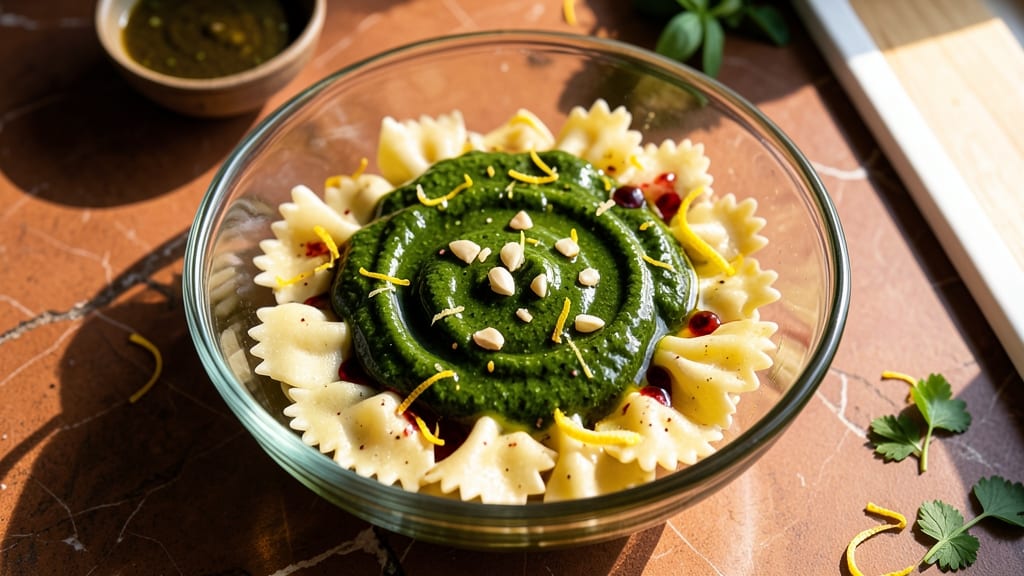
This antipasto pasta salad dressing recipe transforms ordinary salads into vibrant, flavor-packed dishes with just five simple ingredients. The bright lemon zest and fresh basil create a zesty, herbaceous base that pairs perfectly with cured meats, olives, and cheeses.
I developed this dressing to elevate antipasto pasta salads—its balanced tanginess and aromatic herbs cut through rich ingredients while enhancing their natural flavors.
The secret lies in the herb-infused olive oil, which carries the dressing's essence without overpowering the salad. A splash of red wine vinegar adds acidity, while Dijon mustard provides depth and a subtle kick.
What sets this dressing apart is its versatility—it works equally well on warm or chilled pasta, and the ingredients are pantry staples you likely already have on hand.
What you'll achieve is a dressing that's bold yet refined, with a perfect balance of citrus, herbs, and acidity. The lemon brightens every bite, the basil adds freshness, and the olive oil ensures a silky texture that coats each ingredient beautifully.
This isn't just a dressing—it's the star of your antipasto pasta salad, turning a simple dish into something restaurant-worthy.
Store any leftovers in an airtight container in the refrigerator for up to a week, shaking gently before each use. The flavors actually improve over time as the herbs infuse further. Whether you're prepping for a picnic, potluck, or weeknight dinner, this dressing delivers consistent, professional-quality results with minimal effort.
Ingredients for antipasto pasta salad dressing
Five ingredients, one herb-infused dressing that turns simple pasta salad into antipasto perfection.
| Ingredient | Amount | Notes |
|---|---|---|
| Extra-Virgin Olive Oil 🫒 | ¾ cup | High-quality, fruity variety |
| Fresh Basil Leaves 🌿 | ½ cup | Packed, stems removed |
| Lemon Zest 🍋 | 1 tbsp | From 1 large organic lemon |
| Red Wine Vinegar 🍷 | 2 tbsp | Dry variety preferred |
| Dijon Mustard 🌶️ | 1 tbsp | Mild or strong, as preferred |
| Garlic Cloves 🧄 | 2 cloves | Minced, for subtle depth |
| Sea Salt 🧂 | ½ tsp | Diamond Crystal preferred |
| Freshly Ground Black Pepper 🌶️ | ¼ tsp | For finishing |
The olive oil is non-negotiable here—look for extra-virgin with fruity notes, not the cheap stuff. Trader Joe's or Whole Foods have great options, or grab a small bottle at a specialty shop if you're feeling fancy. Fresh basil is key: the brighter the leaves, the better the flavor. Organic basil from the grocery store's produce section works fine, but if you're growing your own, use the biggest, most vibrant leaves. The lemon zest should be vibrant yellow—organic lemons have more zest than conventional ones, so grab a couple if you're making extra dressing.
No red wine vinegar? White wine vinegar or apple cider vinegar work in a pinch, though they'll change the flavor profile slightly. Short on basil? Fresh parsley or cilantro can stretch it out—use half the amount. The Dijon mustard adds depth, but if you're avoiding gluten, stone-ground mustard is a great alternative. Garlic can be skipped if you're sensitive to its flavor, but I'd recommend keeping it—it's subtle here but adds complexity. For storage, transfer the dressing to a clean jar with a tight seal—glass is best to preserve the fresh flavors.
This dressing keeps beautifully in the fridge for up to 2 weeks—the flavors actually deepen over time. Shake well before each use, especially if you're using it for cold pasta salads. For extra richness, add a splash of balsamic glaze just before serving. The herb-infused oil alone can be used as a finishing drizzle on soups, grilled veggies, or even toasted bread. If you make a big batch, freeze half in ice cube trays for single-serving portions—thaw overnight in the fridge for the best texture.
Why You'll Love This Recipe
- No-Chop Necessary: I swear by this dressing because it’s the kind of recipe that doesn’t demand your attention—just toss in whole basil leaves (yes, the stems too) and let them infuse. The lemon zest and Dijon mustard do all the work while you’re busy doing whatever else life throws at you.
- Bright, Tangy Magic: That first bite of pasta with this dressing? It’s like summer in a jar. The red wine vinegar cuts through the richness of the olive oil, while the lemon zest adds this zingy freshness that makes every forkful feel like a little vacation.
- Picnic to Potluck: Between us, this is my go-to for anything pasta-related—salads, cold dishes, even drizzled over grilled veggies. Pack it in a jar for a beach day or bring it to a BBQ where no one will guess it’s just five ingredients holding it together.
- Leftovers That Don’t Suck: Honestly, I almost always make extra because it keeps for weeks in the fridge and only gets better as the flavors meld. Plus, it’s cheap—just a splash of vinegar and a handful of herbs transform basic pasta into something special without breaking the bank.
Step-by-step instructions for antipasto pasta salad dressing
This herb-infused dressing brings bold Mediterranean flavor to any pasta salad.
Prepare the Fresh Basil and Garlic
Start by washing the 0.5 cup fresh basil leaves thoroughly and patting them completely dry with paper towels. Remove any thick stems to maximize leaf surface area for infusion. In a small bowl, finely mince the 2 cloves garlic until you have a paste-like consistency—this ensures even distribution without overpowering the delicate basil flavor.
I like to use a microplane for the garlic because it creates a fine texture that blends seamlessly. The key here is balance: you want the garlic to enhance, not dominate, the bright citrus and herbal notes. Set both aside while you prepare the remaining ingredients.
Whisk Together the Base Ingredients
In a medium bowl, combine the 0.75 cup extra-virgin olive oil, 2 tablespoons red wine vinegar, 1 tablespoon Dijon mustard, 1 tablespoon lemon zest, 0.5 teaspoon sea salt, and 0.25 teaspoon freshly ground black pepper. Whisk vigorously for 1-2 minutes until the mixture is completely emulsified and smooth. The olive oil should be fully incorporated without any visible streaks.
This step is crucial for creating a stable emulsion that won't separate. The Dijon mustard acts as a natural emulsifier, while the lemon zest adds that signature bright zing that cuts through the richness of the olive oil. Don't rush this part—proper emulsification ensures your dressing stays cohesive for days.
Infuse the Dressing with Herbs
Add the prepared basil leaves and minced garlic to the oil mixture. Using clean hands or a silicone spatula, gently fold the herbs into the dressing until they're fully coated. Cover the bowl with plastic wrap and let it sit at room temperature for at least 30 minutes, though I recommend 1-2 hours for maximum flavor infusion.
This resting period allows the basil's aromatic oils and the garlic's subtle depth to fully meld with the other ingredients. I've found that the longer you let it infuse, the more complex the flavor becomes—almost like a subtle herbal perfume developing. Don't skip this step, even if you're eager to use the dressing immediately.
Strain and Finish the Dressing
After the infusion period, strain the dressing through a fine-mesh sieve into a clean jar or bowl, pressing gently on the basil leaves to extract every last drop of their essence. Discard the solids. Taste the dressing and adjust the seasoning if needed—you might want to add a pinch more salt or a splash of vinegar to balance the flavors to your preference.
This dressing keeps beautifully in the refrigerator for up to 1 week, with flavors actually improving over time. The olive oil's natural preservation properties combined with the acidic vinegar create the perfect environment for long-term storage. Shake gently before each use to re-emulsify any separation that might occur.
Pro Tips For Making Antipasto Pasta Salad Dressing
- Whisk in stages: Start with the mustard and vinegar—this emulsifies first. Then drizzle in the olive oil slowly while whisking like you’re trying to win a bet. I learned this the hard way: dumping oil in all at once turns your dressing into a sad, separated mess.
- Zest, don’t juice: Lemon zest adds bright, aromatic punch without the bitterness of juice. Use a fine grater and rub the peel against the grain—this gets more flavor per scrape. Skip the juice unless you want a dressing that tastes like it’s crying.
- Pulse the basil: Rough up the basil leaves first—tear them by hand or give them a quick pulse in a food processor. This releases their oils and makes them blend smoother. Whole leaves sink like rocks and turn your dressing into a garnish-only disaster.
- Salt the mustard: Mix a pinch of salt into the Dijon before adding it to the dressing. Mustard’s tang mellows when salted—this balances the vinegar and lets the olive oil shine. I used to skip this and wondered why my dressing always tasted sharp and unfinished.
Pro cooking tips for this recipe
Emulsification Secrets
The key to a dressing that doesn't separate is proper emulsification. Use a whisk or immersion blender for 1-2 minutes to fully combine the olive oil with the vinegar and mustard. The Dijon mustard acts as a natural emulsifier—don't skip it!
I've found that adding a pinch of xanthan gum (⅛ tsp) helps stabilize the dressing even longer, especially if you're making a large batch. 💡
Herb Infusion Hacks
For maximum flavor, use a mortar and pestle to gently crush the basil leaves before adding them to the dressing. This releases more aromatic oils. If you're short on time, place the basil in the fridge for 10 minutes before using—cold leaves release their oils more efficiently.
I also like to add 1 tsp dried oregano during infusion for an extra Mediterranean touch. 🌿
Temperature Control
Let your dressing come to room temperature before straining—cold ingredients can make the olive oil solidify slightly, reducing emulsification. If your kitchen is chilly, place the bowl in warm water for 5 minutes before whisking.
Pro tip: Use a fine-mesh sieve lined with cheesecloth for straining to catch every last drop of herb-infused oil. 🌡️
Storage Solutions
Transfer your dressing to a glass jar with an airtight lid—plastic containers can absorb flavors and cause separation. Store in the fridge for up to 2 weeks, shaking gently before each use.
For long-term storage, freeze in ice cube trays—thaw overnight in the fridge to maintain texture. I keep a small jar on hand specifically for this dressing. ❄️
Flavor Balancing
Taste your dressing before serving and adjust with lemon juice (½ tsp at a time) or extra vinegar if it needs more acidity. For richness, add 1 tsp honey or maple syrup.
If the garlic flavor is too strong, add 1 tsp fresh parsley to mellow it out. Always taste as you go—this dressing is highly customizable! 🍋
Equipment Upgrades
Invest in a small food mill for perfect herb infusion without straining. A glass measuring cup with a pour spout makes serving easier. For professional results, I use a mini food processor to blend the dressing briefly before straining—it creates a silky texture.
Even basic tools work, but these upgrades make the process smoother. 🔧
Nutrition facts
Frequently asked questions
Can I make this dressing without fresh basil?
If you're out of fresh basil, substitute with 1 tablespoon dried basil or 2 tablespoons fresh parsley for a similar herbal note. For extra depth, add ½ teaspoon dried oregano to mimic the Mediterranean profile. The flavor won't be identical, but it'll still work beautifully in your antipasto pasta salad.
How do I prevent the dressing from separating?
Proper emulsification is key—whisk the ingredients vigorously for 1-2 minutes until smooth. The Dijon mustard acts as a natural emulsifier, but adding ⅛ teaspoon xanthan gum can help stabilize it even longer. Always store it in a glass jar and shake gently before each use to re-emulsify. For best results, let it sit at room temperature for 30 minutes before refrigerating.
What's the best way to store leftovers?
Transfer the dressing to an airtight glass container and refrigerate for up to 2 weeks. The flavors actually improve over time! For longer storage, freeze in ice cube trays—thaw overnight in the fridge to maintain texture. Avoid plastic containers, as they can absorb flavors and cause separation. Shake gently before each use.
Can I use this dressing on other dishes?
Yes! This versatile dressing works perfectly on grilled vegetables, roasted potatoes, or even as a marinade for chicken or fish. The herb-infused olive oil also makes a fantastic drizzle for soups, toasted bread, or as a finishing touch for antipasto platters. Just adjust the seasoning to match your dish's flavor profile.
What if my dressing tastes too strong or bitter?
If the garlic or lemon zest is overpowering, add 1 teaspoon honey or maple syrup to mellow the flavors. For extra freshness, stir in 1 tablespoon fresh parsley or ½ teaspoon dried thyme. Always taste as you go—this dressing is highly customizable! Balance is key to achieving that perfect Mediterranean harmony.