
Salads
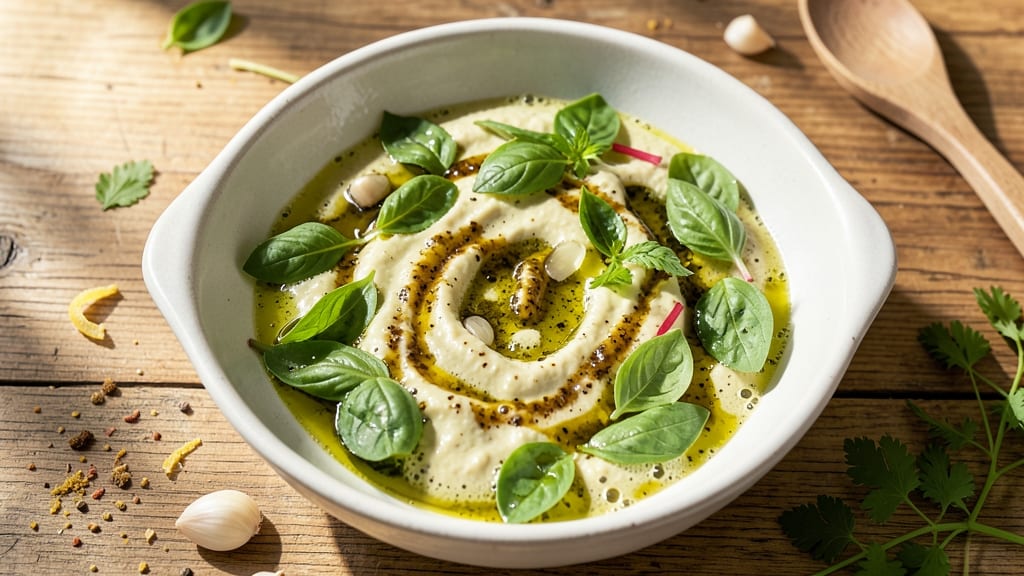
This basic pasta salad dressing recipe transforms simple ingredients into a vibrant, long-lasting dressing that clings to every noodle without overpowering the dish. The secret lies in balancing oil and vinegar with just enough acidity to keep flavors fresh all day—no heavy mayo or creamy dressings that turn soggy.
I developed this formula after testing countless variations, and it never fails to elevate even the most basic pasta salad into something restaurant-worthy.
The foundation is simple: extra-virgin olive oil for richness, white wine vinegar for brightness, and a touch of Dijon mustard to emulsify everything. Fresh herbs like parsley or basil add freshness, while garlic and a pinch of salt round out the flavor.
What makes this dressing special is its versatility—it works with cold pasta, vegetables, and proteins without turning greasy or separating. The ratio is precise but forgiving, making it perfect for beginners and seasoned cooks alike.
When you mix this dressing into your pasta salad, you’ll notice how it coats each strand evenly, keeping the dish moist and flavorful for hours. The acidity from the vinegar cuts through the richness of the oil, while the herbs and mustard add layers of complexity.
It’s the kind of dressing that stays fresh in the fridge for up to a week, so you can prep ahead without sacrificing taste.
Use this dressing as a base and customize it with lemon juice, honey, or a splash of pasta water to adjust consistency. It’s ideal for picnics, potlucks, or meal prep—just toss it in before serving. Here’s everything you need to make it.
Ingredients for basic pasta salad dressing
Eight simple ingredients balance perfectly for a dressing that clings to pasta without overpowering.
| Ingredient | Amount | Notes |
|---|---|---|
| Extra-Virgin Olive Oil 🫒 | ¾ cup | High-quality, fruity variety |
| White Wine Vinegar 🍷 | 0.3 cup | Dry variety preferred |
| Dijon Mustard 🌶️ | 1 tbsp | For emulsification |
| Fresh Garlic 🧄 | 2 cloves | Minced for depth |
| Fresh Parsley 🌿 | ¼ cup | Chopped, for brightness |
| Fresh Basil 🌿 | ¼ cup | Chopped, optional |
| Salt 🧂 | ½ tsp | Kosher or sea salt |
| Black Pepper 🌶️ | ¼ tsp | Freshly ground |
| Honey 🍯 | 1 tsp | Optional, for balance |
The olive oil is non-negotiable here—look for extra-virgin with a fruity aroma, not the cheap stuff. Trader Joe's or Whole Foods carry great options, but any reputable grocery store should have a good one. White wine vinegar? Bartles & Jaymes or a dry Italian variety work perfectly. The Dijon mustard is key for emulsifying the oil and vinegar, so don't skimp on quality. Fresh garlic and herbs make all the difference—if they're wilted or sad, toss them. For parsley, I usually grab a bunch and use half for this dressing, saving the rest for garnishes.
No white wine vinegar? Apple cider vinegar or lemon juice will work in a pinch, though the flavor will be slightly different. Short on Dijon? Whole-grain mustard thinned with a splash of vinegar does the trick. Fresh herbs not available? Dried parsley or basil at one-third the amount is fine, though texture will vary. The honey is totally optional but adds a nice touch if you want to round out the acidity. If you're making this ahead, add the honey last to prevent crystallization. And if your dressing separates, just whisk it vigorously—it always comes back together.
This dressing keeps beautifully in the fridge for up to 1 week if stored in an airtight container. I like to make a double batch so I always have some on hand for last-minute pasta salads. If it thickens, just add a splash of water or pasta water to loosen it up. It also freezes well for up to 3 months—just thaw in the fridge and give it a good stir. The herbs will lose some vibrancy over time, so I usually add fresh ones when I'm ready to use it again.
Why You'll Love This Recipe
- No-Fuss Pantry Staples: I keep this dressing on hand because it only needs five things I already own—no specialty shopping required. Honestly, the mustard and garlic alone make it taste like you slaved over it, even though you just stirred for two minutes.
- Bright & Balanced Bite: The white wine vinegar cuts through the richness of the olive oil, while the Dijon mustard adds that tangy depth. Fresh parsley? That’s the little herb that makes it feel fresh, not sad—even if you made it yesterday.
- Picnic to Potluck: This dressing works with cold pasta, grilled veggies, or even as a marinade. I’ve brought it to BBQs, packed it for lunch, and even drizzled it on roasted potatoes. It’s the one thing that never lets me down.
- Makes Leftovers Shine: A jar in the fridge lasts a week, and it only gets better with time. The flavors meld into something richer, and I’ve used it to jazz up takeout noodles or a sad salad. Between us, it’s my secret for turning last night’s dinner into today’s hero.
Step-by-step instructions for perfect pasta salad dressing
Here's how to blend this bright, balanced dressing that keeps pasta salads fresh all day.
Whisk Together the Base Ingredients
In a medium bowl, combine the 0.75 cup extra-virgin olive oil and 0.3 cup white wine vinegar. I like to use a fork first to break up the oil slightly—this helps the vinegar emulsify more easily later. The mixture will look separated at first, but that's normal.
Add the 1 tablespoon Dijon mustard and whisk vigorously for about 30 seconds until fully incorporated. The mustard acts as an emulsifier, helping to bind the oil and vinegar. This is where the magic starts—don't skip this step, even if it seems tedious. The mustard creates that perfect creamy texture we're after.
Add Aromatics and Seasonings
Next, add the 2 cloves minced fresh garlic, 0.5 teaspoon salt, and 0.25 teaspoon black pepper to the bowl. Whisk everything together until the garlic is completely distributed and the salt and pepper dissolve. You'll notice the mixture starts to take on a more cohesive appearance as the mustard begins to work its magic.
Here's the thing—don't overdo the whisking. We're not trying to create a mayonnaise here. Just until everything is smoothly combined and you don't see any dry spots of salt or pepper. The garlic should be evenly distributed but not pulverized into a paste.
Incorporate Herbs and Honey
Gently fold in the 0.25 cup chopped fresh parsley and 0.25 cup chopped fresh basil using a silicone spatula. I prefer to fold rather than whisk at this stage to preserve the herbs' texture and color. You want them distributed throughout but still visible—this adds that fresh, vibrant look and flavor to your pasta salad.
Add the 1 teaspoon honey and give everything one final stir. The honey helps balance the acidity of the vinegar and adds just a touch of sweetness that rounds out the flavors. Taste the dressing at this point—it should be tangy, herby, and well-balanced. If it needs more salt, add a pinch at a time until it's perfect.
Let It Rest and Emulsify
Cover the bowl with plastic wrap and let the dressing rest at room temperature for at least 15 minutes. This resting time is crucial—it allows the ingredients to fully meld together and the emulsion to stabilize. I know it's tempting to use it immediately, but trust me on this step.
After resting, give the dressing one final whisk. It should now have a smooth, creamy consistency with no separation. If you do see any separation, simply whisk vigorously for another 30 seconds to re-emulsify. This dressing will keep in the refrigerator for up to 5 days, making it perfect for meal prep.
Pro Tips For Making Basic Pasta Salad Dressing
- Whisk in Stages: Start with the oil and mustard, then slowly drizzle in vinegar while whisking—this emulsifies the dressing right away. If you dump everything in at once, you’ll end up with a split dressing that separates faster than your patience.
- Mince Garlic Fine: Skip the press—finely mince the garlic with the flat of your knife first, then chop it. Pressed garlic turns into paste and can make the dressing taste bitter, especially if you’re not using fresh, high-quality cloves.
- Pulse the Parsley: Roughly chop the parsley stems too—blend half of them into the dressing for a deeper flavor. Whole stems just sit there looking pretty while the flavor hides in the leaves.
- Taste Before Salting: Check the balance of acid and oil first, then adjust salt last—vinegar and mustard already pack punch. Adding salt too early can make you overdo it, and you’ll end up with a dressing that tastes like a pickle jar exploded.
Regional styles of this basic pasta salad dressing
Italian Classic
In Italy, this dressing takes inspiration from the country's love of simple, bright flavors. Use balsamic vinegar instead of white wine vinegar for a deeper, slightly sweeter profile that pairs beautifully with penne pasta and cherry tomatoes.
Add 1 teaspoon dried oregano and ½ teaspoon red pepper flakes for an authentic touch. Italians often finish their pasta salads with a sprinkle of grated Parmesan cheese right before serving. 🍝
Southern U.S. Twist
For a Southern-inspired version, swap the white wine vinegar for apple cider vinegar and add 1 tablespoon hot sauce (like Crystal or Tabasco) for a spicy kick. Include ½ cup finely diced celery and ¼ cup chopped red onion to the dressing itself for extra texture.
This works perfectly with rotini pasta and grilled chicken. Many Southern cooks also add a touch of paprika for warmth.
Mediterranean Herbs
This variation leans into Mediterranean flavors with lemon juice replacing the white wine vinegar and fresh herbs like dill and thyme added to the mix. Use 1 tablespoon capers and 1 minced anchovy fillet for umami depth, which pairs wonderfully with farfalle pasta and olives.
The lemon brightens the dish, making it ideal for summer gatherings. Garnish with toasted pine nuts for added crunch. 🌿
French-Inspired Mustard
For a French-inspired take, increase the Dijon mustard to 2 tablespoons and add 1 teaspoon whole-grain mustard for texture. Stir in 1 tablespoon chopped shallots and ½ teaspoon tarragon for a sophisticated flavor.
This dressing works beautifully with butterfly pasta and sliced Gruyère cheese. The extra mustard creates a slightly thicker consistency that clings to the pasta strands perfectly. 🥖
Mexican Fiesta
Transform this dressing into a fiesta-worthy version by adding 1 tablespoon lime juice, 1 teaspoon ground cumin, and ½ teaspoon smoked paprika. Include 2 tablespoons chopped cilantro and 1 minced jalapeño for heat.
This pairs wonderfully with fusilli pasta and black beans. For extra flair, top with crumbled cotija cheese and sliced avocado. 🌶️
Asian-Inspired Sesame
For an Asian twist, reduce the olive oil to ½ cup and add ¼ cup toasted sesame oil. Replace the white wine vinegar with rice vinegar and include 1 tablespoon soy sauce, 1 teaspoon grated ginger, and 1 teaspoon sesame seeds.
This dressing works beautifully with rice noodles or udon pasta and adds a delicious umami kick. Garnish with sliced green onions for freshness. 🥢
Nutrition facts
Frequently asked questions
Why does my dressing separate after mixing?
This happens when oil and vinegar aren't properly emulsified. The Dijon mustard is key here—whisk it vigorously for at least 30 seconds with the oil and vinegar first. If separation occurs later, simply re-whisk or add 1 teaspoon of honey or sugar to help stabilize. Let it rest for 15 minutes before using to prevent future separation.
Can I make this dressing without fresh herbs?
Use 1 tablespoon dried parsley or basil instead of fresh, but reduce the amount by one-third. For extra flavor, add ½ teaspoon dried oregano or 1 teaspoon lemon zest. Just remember dried herbs have more concentrated flavor, so start with less and adjust to taste.
How much dressing should I use for a standard pasta salad?
Start with ¼ to ⅓ cup of dressing per pound of cold pasta (about 2 cups for a 12-ounce box of cooked pasta). Toss gently to avoid breaking the noodles. If your salad seems dry, add more dressing gradually—it's easier to adjust than fix a soggy mess. For heartier salads with veggies/meat, you may need ½ cup extra.
Will this dressing work with hot pasta?
No, this dressing is designed for cold pasta only. The oil and vinegar base needs time to properly coat the noodles and meld flavors. If you're using hot pasta, let it cool completely first, then toss with the dressing. The contrast between warm pasta and cool dressing actually enhances the flavors—just be patient and let everything chill for 10-15 minutes before serving.
Can I adjust the flavor if it's too tangy?
Yes! If the vinegar flavor overpowers, add 1-2 teaspoons of honey or sugar to balance the acidity. For a creamier texture, stir in 1 tablespoon plain yogurt or mayonnaise (though this will change the consistency). If you prefer more depth, add ½ teaspoon minced shallot or 1 teaspoon lemon juice instead. Taste as you go—small adjustments make all the difference!