
Salads
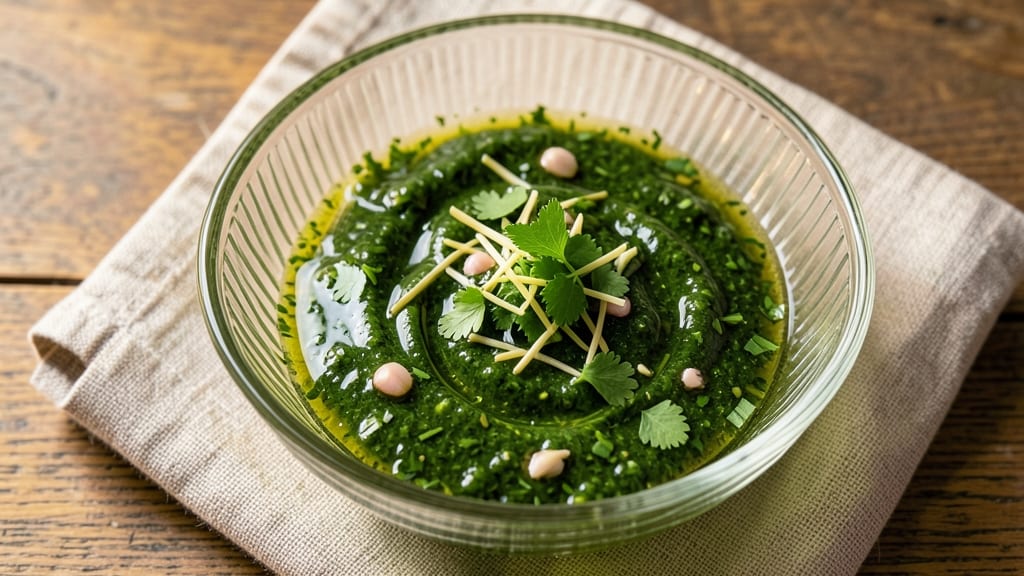
Andrew Janjigian's salad dressing recipe transforms every bite into a balanced, herb-forward masterpiece without sacrificing flavor. This isn't your typical vinaigrette—it's a harmonious blend of extra-virgin olive oil, bright vinegar, and fresh herbs that delivers restaurant-quality depth while keeping calories in check.
The secret lies in the emulsification technique that creates a silky texture, perfect for everything from crisp greens to hearty grain bowls.
The dressing begins with a simple yet sophisticated ratio of oil to vinegar, stabilized by a touch of Dijon mustard to prevent separation. Fresh herbs like tarragon, chives, and parsley infuse vibrant notes, while a hint of garlic and shallot adds complexity.
What sets this apart is the gentle emulsification method—no blender required—just whisking until the dressing achieves that velvety consistency that clings beautifully to ingredients.
What you'll end up with is a dressing that elevates any salad, bowl, or side dish with its bright, herbaceous flavor and smooth texture. It stays fresh in the fridge for up to a week, making it ideal for meal prep.
The best part? You'll use half the oil of traditional dressings while delivering the same rich, satisfying mouthfeel.
This recipe isn't just about the dressing itself—it's about transforming your meals with effortless sophistication. Whether you're dressing a simple arugula salad or drizzling over a hearty grain bowl, the result is a dish that feels gourmet without the fuss. Let's make it.
Ingredients for andrew janjigian salad dressing
Ten ingredients combine to create a restaurant-quality dressing with vibrant herb notes and effortless silkiness.
| Ingredient | Amount | Notes |
|---|---|---|
| Extra-Virgin Olive Oil 🫒 | ½ cup | High-quality, fruity variety preferred |
| Red Wine Vinegar 🍷 | ¼ cup | Dry, bold flavor recommended |
| Dijon Mustard 🌶️ | 1 tbsp | For emulsification stability |
| Fresh Tarragon Leaves 🌿 | ¼ cup | Finely chopped, stems removed |
| Fresh Chives 🌱 | 0.15 cup | Thinly sliced, vibrant green |
| Fresh Flat-Leaf Parsley 🌿 | 0.15 cup | Finely chopped, stems discarded |
| Garlic Cloves 🧄 | 2 cloves | Peeled, minced for depth |
| Shallots 🧅 | 2 whole | Finely minced, for subtle sweetness |
| Granulated Honey 🍯 | 1 tbsp | For subtle sweetness balance |
| Diamond Crystal Kosher Salt 🧂 | ½ tsp | Fine grain for delicate seasoning |
The olive oil is the foundation—opt for extra-virgin with fruity notes like California Early Harvest or Italian Picual. Whole Foods or specialty grocers carry the best selections, though any reputable brand works. Vinegar choice matters too: dry red wine vinegar (like Balsamic Vinegar Co.) provides the bright acidity this dressing needs. Fresh herbs should be vibrant and fragrant—tarragon and chives are non-negotiable for that signature Janjigian herb profile. Shallots add complexity without overpowering, and garlic should be freshly minced (pre-minced loses potency).
No Dijon mustard? Whisk together 1 tsp whole-grain mustard with 1 tsp water as a substitute. Substitute balsamic vinegar for red wine vinegar if needed, though the flavor profile shifts slightly. Fresh herbs can be swapped: basil or dill work in a pinch, but reduce to 0.1 cup each to maintain balance. For a sweeter touch, agave nectar or maple syrup replaces honey at equal amounts. The salt is crucial—Diamond Crystal is preferred as it's less dense than other kosher salts, but any fine sea salt works. If you're watching calories, reduce olive oil to 0.375 cup and add 1 tbsp water to maintain consistency.
This dressing stays fresh for up to 7 days when stored in an airtight jar in the refrigerator. For longer storage, transfer to a sealed container and freeze for up to 3 months. The emulsification stabilizes over time, so it actually improves with age. For meal prep, I make a double batch—one for immediate use and one to freeze in ice cube trays. Each cube makes a perfect single-serving portion. Always bring to room temperature before whisking to achieve that signature silky texture.
Why You'll Love This Recipe
- No-Measure Guessing: I just eyeball the olive oil and vinegar—about a 3:1 ratio—then stir in the mustard and herbs until it feels right. That’s it. No scales, no stress, just instinct.
- Herb-Packed Punch: The tarragon and chives hit different—bright, grassy, and just a little funky from the Dijon. Drizzle it over grilled fish or roasted veggies, and suddenly everything tastes like a fancy bistro.
- Weeknight Hero: This dressing lasts forever in my fridge, so I make a big batch on Sundays. Toss it with prepped salads, marinate chicken, or even deglaze a pan—it’s my go-to for lazy nights.
- Budget Brightener: Fresh herbs might sound fancy, but a few sprigs stretch far. The olive oil and vinegar? Basic pantry staples. It’s the kind of dressing that makes simple meals feel special without breaking the bank.
Step-by-step instructions for andrew Janjigian's herb-infused salad dressing
This dressing delivers bright, balanced flavor with a velvety texture—no guilt, just pure herbaceous satisfaction.
Prepare the Herb and Aromatic Base
In a small food processor, combine the 0.25 cup fresh tarragon leaves, 0.15 cup fresh chives, 0.15 cup fresh flat-leaf parsley, 2 cloves minced garlic, and 2 whole minced shallots. Pulse until finely chopped but not puréed—you want visible texture, not a smooth paste. This ensures vibrant herb notes without losing the fresh, garden-fresh character that makes this dressing special.
Transfer the herb mixture to a medium bowl and set aside. The reason for this prep-first approach is to avoid over-processing the delicate herbs, which can turn bitter. I like to taste the raw herbs at this stage—they should be bright, slightly peppery, and aromatic. This is your flavor baseline before building the dressing.
Whisk the Wet Ingredients Together
In a separate bowl, whisk together the 0.5 cup extra-virgin olive oil, 0.25 cup red wine vinegar, 1 tbsp Dijon mustard, 1 tbsp granulated honey, and 0.5 tsp diamond crystal kosher salt. The mustard acts as an emulsifier, while the honey balances the acidity of the vinegar. Start with a slow whisk to combine, then increase speed until the mixture is fully integrated and slightly thickened.
This step is where the magic happens—emulsification. The mustard binds the oil and vinegar, creating a stable base. If the mixture looks too thick, add 1 teaspoon of water at a time until it reaches a pourable consistency. The dressing should coat the back of a spoon but still flow freely. Taste at this point—the vinegar should be sharp, the oil rich, and the honey just perceptible.
Combine and Emulsify the Dressing
Gradually add the herb mixture to the wet ingredients while whisking continuously. Start with a slow whisk to prevent splattering, then increase speed until the dressing is fully emulsified and smooth. The herbs should be evenly distributed, but you can still see flecks of green and purple throughout. This texture is intentional—it adds visual appeal and subtle herbaceous bites with every drizzle.
For a perfectly emulsified dressing, work in a steady, rhythmic motion. If the dressing breaks or separates, add 1 teaspoon of water at a time while whisking vigorously. The goal is a silky, velvety consistency that clings to greens without pooling. Taste again now—the herbs should brighten the acidity, the garlic and shallots add depth, and the honey rounds out the sharpness. Adjust seasoning if needed, but this balance is usually spot-on.
Rest and Refine the Flavor
Cover the dressing and let it rest at room temperature for at least 30 minutes, or up to 2 hours in the refrigerator. This resting period allows the flavors to meld and the emulsification to stabilize. I find that the dressing tastes even better after resting—it mellows slightly, and the herbs release more of their aromatic oils.
Before using, give the dressing a final whisk. If it has thickened too much, thin it with 1 teaspoon of water or 1 teaspoon of red wine vinegar at a time until it reaches your desired consistency. The dressing should be smooth, glossy, and ready to elevate any salad. Store any leftovers in an airtight container in the refrigerator for up to 1 week, though it’s so good you’ll likely use it all at once.
Pro Tips For Making Andrew Janjigian Salad Dressing
- STRAIN THE MUSTARD: I learned this the hard way—Dijon mustard has gritty bits that turn your dressing into a textured mess. Use a fine-mesh strainer or even a clean coffee filter to press the mustard through before mixing. It’s a 30-second step that makes the final dressing silky smooth.
- CHOP CHIVES FINE: Big chive chunks sink to the bottom and look sloppy. Pulse them in a food processor for 2-3 seconds or give them a sharp knife chop—think "rice grains," not "herb confetti." The dressing will look polished and stay evenly distributed.
- EMULSIFY IN STAGES: Don’t dump everything in at once. Start with the vinegar and mustard, then whisk in the olive oil drop by drop while the mixture is still moving. Once it’s holding, add the rest in a slow stream—this keeps the dressing from breaking. (Yes, it’s tedious, but the payoff is worth it.)
- USE COLD INGREDIENTS: Room-temperature olive oil and vinegar blend faster, but cold mustard and fresh herbs add brightness. Keep your mustard in the fridge until the last minute, and rinse tarragon leaves in ice water before chopping. The contrast keeps the dressing from turning flat.
Essential equipment for this recipe
Whisk Attachment
The immersion blender whisk attachment is my go-to tool for creating this dressing—it’s what Andrew Janjigian himself likely uses for that signature silky texture. Look for a high-quality immersion blender with a whisk attachment (like the Cuisinart CWB-600 or Ninja BW2201) that can handle both blending and whisking.
The whisk attachment creates a finer emulsion than a regular whisk, ensuring that dressing stays smooth even after refrigeration. If you don’t have one, a handheld mixer with whisk attachment (such as the KitchenAid KHM450ER) works just as well. 🔥
Glass Jars
For storage and whisking, wide-mouth glass jars (like Ball Mason jars or Le Parfait containers) are essential. The wide opening makes whisking easier, and glass preserves the dressing’s freshness longer than plastic. I prefer 16-ounce jars for batch prep—they’re perfect for storing leftovers and making single-serving portions.
If you’re meal prepping, these jars also double as serving vessels for salads, bowls, or dips. Label them with the date to track freshness.
Fine-Mesh Strainer
A fine-mesh strainer (like the OXO Good Grips Collapsible Strainer) is key for removing any herb stems or garlic bits that might make the dressing grainy. After whisking, strain the dressing into a clean bowl or jar to achieve that ultra-smooth texture.
If you’re short on time, a cheesecloth-lined strainer works even better for finer filtration. This step ensures your dressing is silky and free of unwanted texture—trust me, it makes a difference. ✨
Measuring Spoons
Precision matters when balancing flavors, so high-quality stainless steel measuring spoons (like OXO Good Grips or Weston Products) are a must. The recipe calls for ½ teaspoon of salt and 1 tablespoon of honey, and even small deviations can throw off the dressing’s harmony.
I keep my measuring spoons in a magnetic strip on the fridge for quick access. For vinegar and oil, a liquid measuring cup (like Pyrex Precision) ensures accurate ratios—this dressing relies on the perfect oil-to-vinegar balance for its signature taste.
Food Processor
While not strictly necessary, a small food processor (like the Cuisinart Mini-Prep Plus) makes chopping the herbs and shallots effortless. Pulse the ingredients until finely chopped but not puréed—this ensures vibrant herb notes without losing texture.
If you’re without one, a sharp chef’s knife and a cutting board will work, but be prepared for more manual effort. The goal is to achieve a uniform, fine chop—about the consistency of coarse sea salt. This step is where the dressing’s herbaceous depth comes to life. 🌿
Nutrition facts
Frequently asked questions
Can I make this dressing without Dijon mustard?
Yes! If you don’t have Dijon mustard, mix 1 teaspoon whole-grain mustard with 1 teaspoon water to mimic its emulsifying properties. For a mustard-free option, add 1 extra teaspoon of honey and whisk vigorously—though the texture may separate slightly faster. The mustard is key for stability, but this adjustment keeps the flavor profile intact.
How do I fix a separated dressing?
If your dressing separates, whisk in 1 teaspoon of water or red wine vinegar at a time until fully emulsified again. For stubborn separation, add ½ teaspoon of Dijon mustard and whisk vigorously for 1-2 minutes. The mustard acts as a natural emulsifier—just avoid overworking it, or the herbs may turn bitter.
What’s the best way to store leftovers?
Transfer the dressing to an airtight glass jar and refrigerate for up to 7 days. For longer storage, freeze in ice cube trays—each cube makes a perfect single-serving portion. Thaw overnight in the fridge before using. The emulsification actually improves with age, so it tastes even better after resting!
Can I use this dressing on non-salad dishes?
This dressing elevates grain bowls, roasted vegetables, grilled meats, and even soups. Its herbaceous balance works beautifully with hearty ingredients like quinoa, farro, or seared chicken. For soups, use 1-2 tablespoons per bowl—it adds a bright, aromatic finish without overpowering.
Why does my dressing taste too vinegary?
If the acidity is overpowering, balance it with ½ teaspoon more honey or 1 teaspoon olive oil. The recipe’s 1:2 oil-to-vinegar ratio is intentional, but slight adjustments can fix sharpness. For a milder taste, reduce vinegar to 0.2 cup next time and add 1 extra tablespoon of honey. Taste as you go!