
Salads
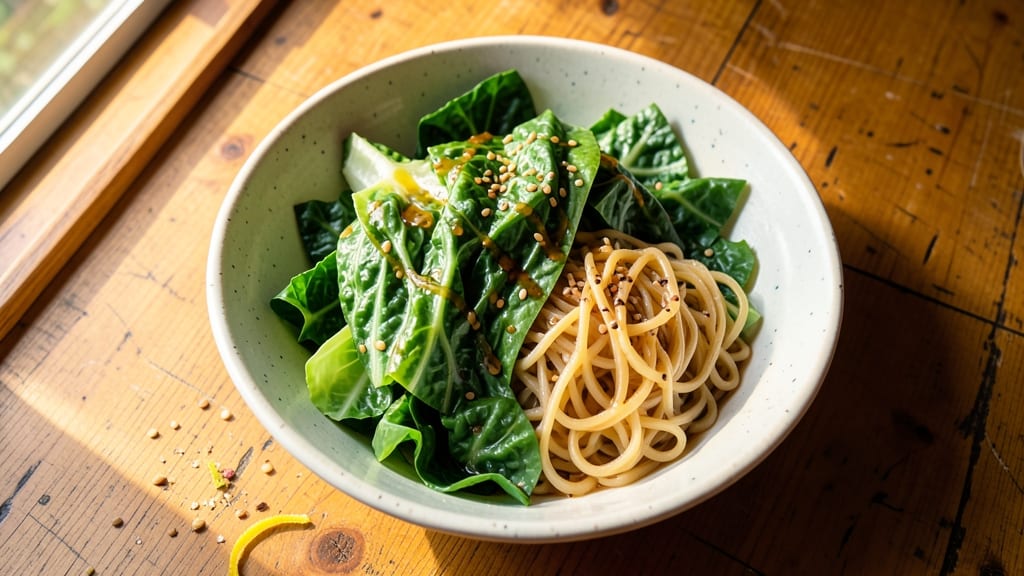
This Japanese cabbage salad with ramen noodles transforms simple ingredients into a silky, umami-rich dish that balances crisp textures and savory depth.
The secret lies in blanching the cabbage just enough to soften it while preserving its satisfying crunch, then tossing it with chilled ramen noodles that absorb the dressing's flavors perfectly. I developed this recipe after craving something hearty yet refreshing—something that delivers restaurant-quality umami without requiring hours in the kitchen.
The magic happens in the dressing, where soy sauce, sesame oil, and a touch of rice vinegar create a bold, balanced flavor that coats every bite.
A sprinkle of toasted sesame seeds and chili flakes adds texture and heat, while a drizzle of sesame oil at the end elevates the dish to something truly special.
What makes this salad unique is how the warm, chewy noodles contrast with the cool, crisp cabbage—each forkful delivers a perfect harmony of temperatures and textures.
Ready in just 20 minutes, this salad is perfect for meal prep or a quick lunch. The ingredients are simple—fresh cabbage, ramen noodles, and pantry staples—but the result is a dish that feels indulgent and satisfying.
It’s the kind of meal that pairs beautifully with grilled proteins or stands alone as a complete dish.
Whether you're serving it at a casual gathering or packing it for work, this salad delivers restaurant-quality flavor with minimal effort. The key is in the technique: blanching the cabbage, cooling the noodles properly, and assembling everything while the dressing is still warm. Let’s get started!
Ingredients for japanese cabbage salad recipe with ramen noodles
Transform simple pantry staples into a restaurant-quality dish with umami depth and perfect texture contrast.
| Ingredient | Amount | Notes |
|---|---|---|
| Japanese Cabbage 🥬 | 1 lb | Outer leaves removed, cored |
| Ramen Noodles 🍜 | 8 oz | Fresh or dried, uncooked |
| Sesame Oil 🫒 | 2 tbsp | Toasted, for dressing |
| Rice Vinegar 🍶 | 3 tbsp | Seasoned preferred |
| Soy Sauce 🥫 | 2 tbsp | Light or all-purpose |
| Sesame Seeds 🌱 | 1 tbsp | Toasted for garnish |
| Red Chili Flakes 🌶️ | ½ tsp | Adjust for heat preference |
| Garlic Cloves 🧄 | 2 cloves | Minced for dressing |
| Ginger Root 🌿 | 1 tsp | Freshly grated |
| Sesame Oil 🫒 | 1 tsp | Extra for finishing |
| Ice Water 💧 | 2 cups | For chilling noodles |
| Salt 🧂 | ½ tsp | Kosher or sea salt |
| Black Pepper 🌶️ | ¼ tsp | Freshly ground |
| Honey 🍯 | 1 tsp | Optional for balance |
The Japanese cabbage is the star—look for firm, crisp heads with vibrant green leaves and a slight sheen. Local Asian markets often carry the freshest varieties, but most grocery stores stock it year-round. Avoid wilted or yellowing leaves, as they’ll compromise the salad’s satisfying crunch. For the ramen noodles, fresh ramen is ideal (found in the refrigerated section), but dried ramen works too—just cook it al dente and rinse with cold water to stop the cooking process. If using dried, opt for shoyu-flavored for built-in umami. The sesame oil should be toasted sesame oil—it adds nutty depth that regular sesame oil lacks.
No toasted sesame oil? Regular sesame oil plus a pinch of smoked paprika mimics the flavor, though it won’t be identical. Substituting the rice vinegar? Apple cider vinegar or mirin both work, but adjust sweetness to taste. For the garlic and ginger, fresh is non-negotiable—dried powders lack the bright, aromatic punch. Short on time? Pre-minced garlic in jars is fine, but toast it in the pan for 30 seconds first to deepen the flavor. The chili flakes can be swapped for gochugaru (Korean chili flakes) for a more complex heat profile, or omitted entirely if you prefer a milder dish. And if you’re avoiding honey, maple syrup is a 1:1 substitute.
Blanch the cabbage in boiling water for 30 seconds, then shock in ice water to lock in color and texture—this step is critical. The noodles should be cooked al dente, then shocked in ice water and drained well before tossing. Store the dressing separately in the fridge for up to 5 days, but assemble the salad just before serving to maintain that crisp contrast. The toasted sesame seeds and extra sesame oil should be added right before eating—their aroma and crunch fade quickly once mixed in. For meal prep, keep components separate and assemble within 2 hours of serving for optimal texture.
Why You'll Love This Recipe
- No-Cook Crunch: I swear by this when I’m too tired to chop—just shred the cabbage (or buy pre-shredded), toss in cold noodles, and drizzle. The texture contrast alone makes it feel like a full meal with zero effort.
- Umami Magic: That sesame oil and soy sauce combo? It’s like a flavor bomb. The cabbage soaks up the dressing while the noodles add a chewy bite—sweet, salty, and nutty all at once. Honestly, I’ll take this over takeout any day.
- Lunchbox Hero: Pack it cold for work or school—it stays crisp and satisfying. Between us, my kids actually eat their veggies when they’re hidden in noodles (shhh, don’t tell them it’s healthy).
- Budget Power Move: Ramen noodles stretch a salad into a full meal, and cabbage lasts forever. I’ve made this for under $5 per serving, and it’s still the dish my roommates beg me to recreate.
Step-by-step instructions for Japanese cabbage salad with ramen noodles
Here's the method for balancing crisp cabbage with silky ramen noodles—texture and flavor harmony.
Blanch and Chill the Ramen Noodles
Bring a pot of water to a rolling boil and add the 8 oz ramen noodles. Cook according to package directions until al dente, then immediately drain and rinse under cold water. This stops the cooking process and prevents the noodles from becoming mushy.
Transfer the noodles to a large bowl and pour over the 2 cups ice water. Let them soak for 5 minutes to fully chill. This step is crucial—it creates that signature silky texture that sets this dish apart from regular ramen. Drain well before proceeding, pressing gently with a clean kitchen towel to remove excess moisture.
Massage the Japanese Cabbage
Remove the outer leaves and core from the 1 lb Japanese cabbage, then cut it into ¼-inch thick strips. Place the cabbage in a large mixing bowl and sprinkle with the 0.5 tsp salt and 0.25 tsp black pepper. Using clean hands, massage the cabbage for 3-5 minutes until it begins to soften and release its juices.
This massage technique is what transforms the cabbage from crunchy to tender without cooking. You'll notice the leaves wilting slightly and the edges becoming more pliable. This step also helps distribute the seasoning evenly throughout the cabbage. Work in batches if needed to ensure thorough massaging.
Prepare the Umami Dressing
In a small bowl, whisk together the 2 tbsp sesame oil, 3 tbsp rice vinegar, 2 tbsp soy sauce, 2 cloves minced garlic, 1 tsp freshly grated ginger root, 0.5 tsp red chili flakes, and 1 tsp honey. The dressing should have a vibrant, glossy appearance with visible flecks of chili and ginger.
This balance of sweet, sour, salty, and spicy creates the signature umami depth of the dish. Taste and adjust seasoning if needed—you might want to add a touch more soy sauce for saltiness or a bit of rice vinegar for acidity. The dressing should coat the back of a spoon but still be pourable. Set aside while you prepare the remaining components.
Combine and Toss
Add the chilled ramen noodles and massaged cabbage to the bowl with the dressing. Using clean hands or a large spoon, gently toss everything together until the cabbage and noodles are evenly coated. Be careful not to overmix—you want to preserve the individual textures while creating a harmonious blend.
Let the salad sit for 10 minutes at room temperature. This allows the flavors to meld together and the cabbage to absorb some of the dressing. The noodles should remain silky while the cabbage maintains its satisfying crunch. If the salad appears too dry after resting, add a splash of additional rice vinegar or sesame oil to achieve your desired consistency.
Finish and Serve
Transfer the salad to a serving platter and drizzle with the remaining 1 tsp sesame oil. Sprinkle evenly with the 1 tbsp toasted sesame seeds and any additional red chili flakes if you prefer more heat. The sesame seeds add a delightful nutty crunch that contrasts beautifully with the soft noodles and cabbage.
Serve immediately while the noodles are still silky and the cabbage retains its crisp texture. This dish holds well for 2-3 hours in the refrigerator if stored in an airtight container, but the textures are best enjoyed fresh. Pair with grilled meats or use as a light, satisfying meal on its own.
Pro Tips For Making Japanese Cabbage Salad Recipe With Ramen Noodles
- Boil Noodles Till Al Dente: I learned this the hard way—overcooking ramen noodles turns them mushy in the salad. Pull them out when they’re still slightly firm (about 2 minutes less than package instructions), rinse in cold water, and toss with a drizzle of sesame oil while warm. The residual heat helps the flavor cling, and they’ll soften just enough when mixed with the cabbage.
- Shred Cabbage Thin and Tight: Japanese cabbage has layers that resist cutting. Use a sharp knife and fold the leaves like a letter before slicing to get even, paper-thin shreds—no food processor here. Thin slices crisp up better in the dressing and hold up longer in the bowl.
- Dressing First, Toss Last: Don’t drown the cabbage in dressing upfront. Whisk rice vinegar, soy sauce, and sesame oil together first, then toss the noodles and cabbage in batches. This keeps the outer leaves from wilting while the inner layers soak up flavor. Add a splash more dressing at the end if needed.
- Toast Noodles Before Mixing: Skip the soggy texture by toasting the drained noodles in a dry pan for 1-2 minutes until they develop a faint golden sheen. The extra step adds nuttiness and prevents them from turning limp when the cold cabbage hits. Works best with fresh ramen, not instant.
Flavor customization for japanese cabbage salad recipe with ramen noodles
Spicy Kick Boost
For those who love heat, add 1 tbsp gochujang (Korean chili paste) to the dressing for a deep, fermented spice profile. Balance it with ½ tsp honey to prevent overpowering the dish.
If you prefer flakes, increase red chili flakes to 1 tsp and toast them in a dry pan for 30 seconds to enhance their aroma. 🌶️
Citrus Zing Twist
Brighten the salad with 1 tbsp freshly grated yuzu zest (or orange zest) and 1 tbsp yuzu juice (or orange juice) in the dressing. The citrus cuts through the richness of the sesame oil and adds a refreshing contrast.
For extra zing, add 1 thinly sliced jalapeño to the salad just before serving.
Nutty Crunch Additions
Boost texture with ¼ cup toasted peanuts or 2 tbsp crushed wasabi peas for a salty, crunchy element. Toast the peanuts in a dry skillet for 3-4 minutes until fragrant, then sprinkle over the salad.
For a sweeter crunch, try ¼ cup candied walnuts—simmer ½ cup walnuts with 1 tbsp honey and 1 tsp soy sauce for 10 minutes, then cool and chop.
Protein Power-Up
Make it a complete meal by adding ½ lb shredded rotisserie chicken or ½ cup edamame for extra protein.
For a vegetarian option, fold in ½ cup marinated tofu (press and cube 1 block firm tofu, then marinate in 1 tbsp soy sauce and 1 tsp sesame oil for 15 minutes). Warm the protein separately to maintain the salad's crisp texture.
Sweet-Savory Fusion
Enhance the umami with 1 tbsp miso paste (white or red) mixed into the dressing for a deeper, fermented flavor. For a sweeter touch, add 1 tbsp maple syrup or 1 tsp mirin to the dressing.
If you love caramelized notes, sprinkle 1 tbsp furikake (Japanese seasoning) on top before serving for a nutty, seaweed-infused crunch. 💛
Herbaceous Freshness
Add fresh herbs like 2 tbsp chopped cilantro or 1 tbsp thinly sliced scallions for brightness. For a more aromatic touch, mix 1 tsp finely chopped shiso leaves (if available) into the dressing.
If you prefer a stronger herb flavor, blend ¼ cup fresh basil into the dressing for a Mediterranean-inspired twist.
Nutrition facts
Frequently asked questions
Can I use regular cabbage instead of Japanese cabbage?
While you can substitute regular cabbage, Japanese cabbage's thinner, more tender leaves hold up better to the massage technique and dressing. For best results, use green cabbage and slice it slightly thinner than ¼-inch. The flavor will be milder, but the texture will still work well when properly massaged.
How do I prevent the ramen noodles from getting soggy?
The key is proper chilling and assembly timing. After cooking and rinsing, shock the noodles in ice water for 5 minutes and drain thoroughly. Store the salad components separately until serving, then toss everything together just before eating. Serve immediately to maintain that perfect silky texture.
Can I make this salad ahead of time?
Yes, but with some adjustments. Prepare the dressing and store it separately in the fridge for up to 5 days. Blanch and chill the noodles, then refrigerate them in an airtight container with a paper towel to absorb moisture. Store the massaged cabbage separately. Assemble everything within 2 hours of serving to preserve the best texture.
What's the best way to store leftovers?
Store leftovers in an airtight container in the fridge for up to 3 days. Keep the dressing separate and add it back just before serving. The noodles may soften slightly, but the cabbage will retain its crunch. For best results, reheat the noodles separately (if needed) and toss with fresh cabbage and dressing.
Can I make this gluten-free?
Use gluten-free ramen noodles and check that your soy sauce is tamari-based. Ensure all other ingredients (like sesame oil and vinegar) are certified gluten-free. The flavor profile will remain the same, just with safer ingredients for gluten-sensitive diets.