
Sauces & Condiments
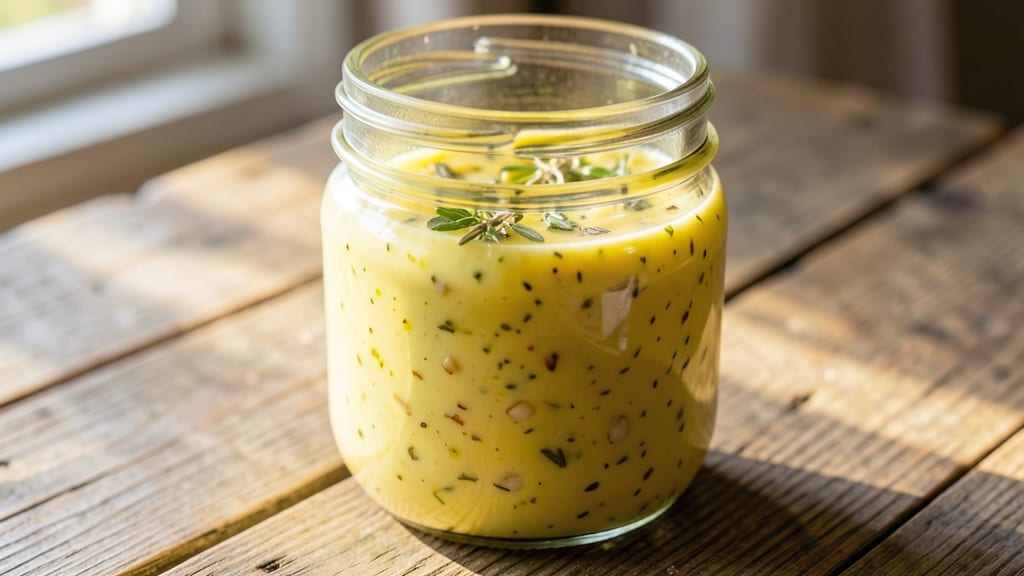
This Greek salad dressing recipe with Dijon mustard transforms ordinary greens into a vibrant, herb-packed experience that lingers on your palate. The secret lies in balancing sharp Dijon mustard with bright lemon and aromatic herbs, creating a dressing that clings to every leaf while adding depth.
I developed this version after realizing most store-bought options lacked the complexity of homemade emulsions—this one delivers restaurant-quality flavor with just 5 simple ingredients.
The foundation of this dressing is a perfect emulsion—where oil and vinegar unite without separating—thanks to Dijon mustard's natural thickening properties. Fresh oregano and thyme bring that unmistakable Mediterranean zing, while a touch of garlic adds subtle warmth.
Unlike many recipes, this version stays fresh for up to 10 days in the fridge, making it ideal for batch prep. The dressing works equally well on grilled chicken, roasted vegetables, or even drizzled over avocado toast for an instant flavor upgrade.
What sets this dressing apart is its versatility—use it as-is for a classic Greek salad or dilute with water for a lighter version. The Dijon mustard creates a subtle tang that balances the dressing's richness, while the herbs ensure each bite carries that signature Greek flavor profile.
Whether you're prepping for a summer picnic or simply want to elevate your weeknight meals, this dressing delivers consistent, professional-quality results every time.
The recipe requires just 5 minutes of active prep and 10 minutes of resting time for flavors to meld. No special equipment is needed beyond a whisk or jar for shaking, making it accessible for home cooks of all skill levels.
The dressing's bold herb notes make it a standout condiment that transforms simple dishes into memorable meals—proof that sometimes, the smallest additions make the biggest difference.
Ingredients for greek salad dressing recipe with dijon mustard
Five ingredients transform simple greens into restaurant-quality Greek salad dressing.
| Ingredient | Amount | Notes |
|---|---|---|
| Extra-Virgin Olive Oil 🫒 | ¾ cup | High-quality, fruity variety preferred |
| Red Wine Vinegar 🍷 | ⅓ cup | Dry, bold flavor recommended |
| Dijon Mustard 🌶️ | 1 tbsp | Whole grain for best texture |
| Fresh Oregano Leaves 🌿 | ¼ cup | Finely chopped, stems removed |
| Fresh Thyme Leaves 🌿 | 1 tbsp | Or 1 tsp dried thyme |
| Garlic Cloves 🧄 | 2 cloves | Minced or finely grated |
| Lemon Juice 🍋 | 2 tbsp | Freshly squeezed |
| Sea Salt 🧂 | ½ tsp | Fine grain preferred |
| Black Pepper 🌶️ | ¼ tsp | Freshly ground |
The olive oil is the heart of this dressing—look for extra-virgin with a fruity, peppery finish. Trader Joe's and Whole Foods carry excellent options, but any high-quality brand works. The Dijon mustard acts as the emulsifier, so choose whole-grain for better texture. Fresh herbs make all the difference: Greek or Mediterranean markets often have vibrant oregano and thyme, but your grocery store's produce section will do. The garlic should be fresh—peel and mince just before using to preserve its bright flavor.
No red wine vinegar? White wine vinegar or apple cider vinegar works in a pinch, though the flavor will differ slightly. Short on fresh oregano? Dried oregano at one-third the amount gets you close, but fresh is ideal. The lemon juice can be substituted with white wine vinegar if needed, though it'll lose that bright citrus note. For a milder dressing, reduce the garlic to 1 clove or omit it entirely. The salt and pepper are simple but critical—Diamond Crystal kosher salt dissolves best, and freshly ground pepper adds subtle depth.
This dressing keeps beautifully for up to 10 days in the fridge, stored in an airtight jar. Shake well before each use, as the herbs will settle. For longer storage, freeze in ice cube trays—thaw and shake to re-emulsify. The dressing thickens when chilled, so add a splash of water or lemon juice if it becomes too stiff. Use it within 3 months of freezing for best flavor. A little goes a long way—start with 1-2 tablespoons per salad and adjust to taste.
Why You'll Love This Recipe
- Five-Ingredient Magic: The pantry already has these—no special shopping needed. Just whisk olive oil, vinegar, mustard, and a handful of herbs, and boom: dressing done in minutes.
- Herb-Packed Punch: That Dijon mustard cuts through the richness while the oregano and thyme add a bright, Mediterranean zing. Honestly? It’s the kind of flavor that makes you reach for seconds.
- Works Everywhere: Drizzle it on grilled chicken, toss with roasted veggies, or use as a marinade. I’ve even used it as a quick dip for pita—versatility like this is rare.
- Lasts a Week: Make a big batch and store it in the fridge. The flavors deepen over time, and you’ll always have a ready-to-use dressing without last-minute stress.
Step-by-step instructions for Greek salad dressing with Dijon mustard
This bold herb dressing delivers bright Mediterranean flavor in just minutes.
Whisk Olive Oil and Red Wine Vinegar
In a medium bowl, combine the 0.75 cup extra-virgin olive oil with the 0.33 cup red wine vinegar. Use a whisk to blend them thoroughly for about 30 seconds until fully emulsified. The mixture should look smooth and homogeneous—no streaks of oil should remain. This foundational blend creates the dressing's rich base and balances the acidity with fruity olive oil notes.
I always use a whisk for this step because it incorporates air better than a spoon, creating a lighter texture. If you prefer, you can also use an immersion blender for a completely smooth consistency. The key is to make sure the vinegar is evenly distributed throughout the oil before adding any other ingredients.
Add Dijon Mustard and Herbs
Next, stir in the 1 tablespoon Dijon mustard using a wooden spoon. The mustard will help emulsify the dressing and add depth of flavor. Then add the 0.25 cup finely chopped fresh oregano leaves and 1 tablespoon fresh thyme leaves, mixing well to distribute the herbs evenly throughout the mixture.
Here's where the dressing starts to come together. The Dijon mustard acts as a natural emulsifier, preventing the oil and vinegar from separating later. I like to press the herbs gently with the spoon to release their oils and maximize their flavor. This step is crucial for developing that authentic Greek herb profile that makes this dressing stand out.
Incorporate Garlic, Lemon, and Seasonings
Add the 2 minced garlic cloves, 2 tablespoons fresh lemon juice, 0.5 teaspoon sea salt, and 0.25 teaspoon black pepper to the bowl. Stir everything together until completely combined. The garlic should be fully dispersed, and you should see no visible flecks of herb stems or seasoning crystals.
Taste the dressing at this point. You want a balance of tangy vinegar, herbal notes, and a touch of sweetness from the olive oil. If it needs more acidity, add another teaspoon of lemon juice. If it needs more depth, add a pinch more salt. The Dijon mustard should be detectable but not overpowering—it's what gives this dressing its signature complexity compared to basic vinaigrettes.
Let It Rest and Adjust Consistency
Cover the bowl and let the dressing rest at room temperature for 10-15 minutes. This resting period allows all the flavors to meld together. After resting, give it one final stir before using. If the dressing has separated slightly, simply whisk vigorously for another 30 seconds to re-emulsify it.
The resting time is often overlooked but makes a significant difference in flavor development. During this time, the herbs release more of their aromatic oils, and the mustard continues to work its magic as an emulsifier. For best results, use the dressing immediately, but it will keep in the refrigerator for up to 1 week if stored in an airtight container.
Pro Tips For Making Greek Salad Dressing Recipe With Dijon Mustard
- Whisk in Mustard Last: I learned this the hard way—adding Dijon mustard to the vinegar first makes it clump like glue. Stir the mustard into the olive oil first, then slowly drizzle in the vinegar while whisking. This keeps the texture smooth and emulsified every time.
- Use Cold Ingredients: This isn’t the prettiest method, but it’s the tastiest. Chill the olive oil and vinegar in the fridge for 10 minutes before mixing—cold ingredients blend better and prevent the dressing from separating later. Trust me, the difference is noticeable.
- Measure Vinegar Precisely: Too much vinegar and your dressing tastes sharp and unbalanced; too little and it’s bland. For a classic ratio, use 1 part red wine vinegar to 3 parts olive oil—about 2 tablespoons vinegar to 6 tablespoons oil. Adjust to taste, but start here.
- Toast the Herbs First: Skip the raw oregano and thyme—lightly toast them in a dry pan for 10 seconds until fragrant. This deepens their flavor and prevents bitterness in the dressing. Let them cool before chopping and adding, or they’ll release oils that make the dressing too heavy.
Creative variations of greek salad dressing recipe with dijon mustard
Herb-Forward Variations
Swap the oregano and thyme for 1 tablespoon each of fresh dill and parsley for a brighter, more contemporary take. This variation works beautifully with seafood dishes or cucumber salads.
I’ve found that Penzeys Spices has excellent dried herb blends if fresh isn’t available—just use half the amount of dried herbs.
For a smoky twist, add ½ teaspoon smoked paprika or ¼ teaspoon chipotle powder to the base mixture. This deepens the flavor profile and pairs wonderfully with grilled meats or roasted vegetables. The smokiness complements the Dijon mustard’s tang without overpowering it.
Sweet & Tangy Twist
Add 1 teaspoon honey or ½ teaspoon maple syrup to balance the acidity and add a subtle sweetness. This variation is perfect for fruit salads or as a drizzle over grilled peaches. The honey also helps the dressing cling better to moist ingredients like watermelon or berries.
For a citrusy kick, replace the lemon juice with 2 tablespoons orange juice and add 1 teaspoon grated orange zest. This creates a vibrant, almost Mediterranean-inspired dressing that’s ideal for spring or summer meals. The zest adds a bright, aromatic note that elevates the dressing’s complexity.
Spicy Heat Adjustments
Increase the Dijon mustard to 2 tablespoons for a bolder, more assertive flavor. This works well with hearty salads or grilled steaks. The extra mustard adds a deeper tang that stands up to rich, savory dishes.
For a fiery finish, add ½ teaspoon red pepper flakes or 1 teaspoon hot honey to the dressing. This variation is perfect for those who love heat and pairs exceptionally well with spicy dishes like grilled shrimp or jalapeño-popped corn.
The heat cuts through the richness of the olive oil beautifully.
Lighter Versions
Dilute the dressing with 2-3 tablespoons water or sparkling water to create a lighter, more refreshing version. This works well for warm weather or when you prefer a less intense flavor. The bubbles in sparkling water also help emulsify the dressing slightly better.
For a creamy twist, stir in 1 tablespoon Greek yogurt or sour cream after the dressing has rested. This adds a silky texture while keeping the bright, herby flavors intact. It’s a great option for those who enjoy a touch of creaminess in their dressings without sacrificing freshness.
Nutrition facts
Frequently asked questions
Why does this dressing use Dijon mustard instead of regular mustard?
Dijon mustard adds a deeper, more complex flavor with its subtle sweetness and smooth texture. Regular mustard can be too sharp and grainy, which overpowers the delicate herbs. The Dijon's fine texture also helps create a stable emulsion that keeps the dressing from separating. This makes it perfect for Mediterranean-style dressings where balance is key!
Can I make this dressing without fresh herbs?
Yes! Use 1 teaspoon dried oregano and ½ teaspoon dried thyme instead of fresh. For best results, crush the dried herbs between your fingers to release their oils. While fresh herbs give the most vibrant flavor, this substitution works well in a pinch. Just remember that dried herbs are more concentrated, so use less than the fresh amount.
How do I fix separated dressing?
Simply whisk vigorously for 30-60 seconds to re-emulsify. If it still separates, add 1 teaspoon lemon juice or water and whisk again. The Dijon mustard helps prevent separation, but sometimes temperature changes cause it. For future batches, store in the fridge and bring to room temperature before shaking before use.
What's the best way to store leftover dressing?
Transfer to an airtight jar and refrigerate for up to 10 days. The herbs will settle, so shake well before each use. For longer storage, freeze in ice cube trays—thaw and shake to re-emulsify. The dressing thickens when chilled, so add a splash of water or lemon juice if needed to reach your preferred consistency.
Can I use this dressing on non-salad dishes?
This versatile dressing works perfectly on grilled chicken, roasted vegetables, or even as a marinade. The bold herb notes complement meats beautifully, while the tangy base helps tenderize proteins. Try it on grilled shrimp or roasted potatoes for a flavor upgrade—just adjust the amount to taste since these dishes absorb more dressing.