
Salads
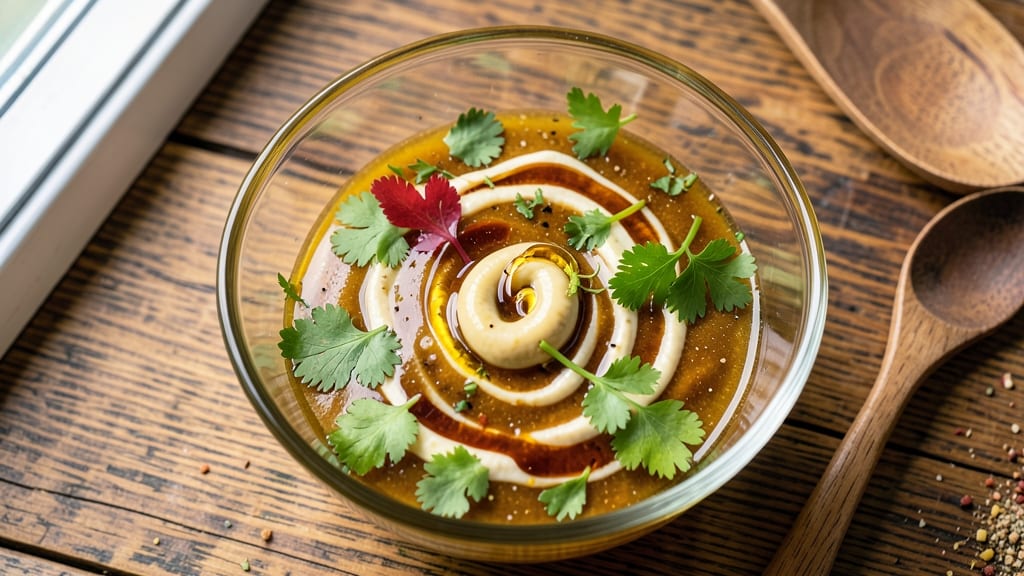
This candida salad dressing recipe transforms simple greens into a gut-supporting powerhouse with every bite. 💛 The secret lies in fermented ingredients like apple cider vinegar and probiotic-rich coconut aminos, which create a tangy, vibrant vinaigrette that enhances digestion while adding bold flavor.
Perfect for those following anti-candida diets, this dressing balances acidity with healthy fats from avocado oil, making it both nourishing and delicious.
The base combines raw apple cider vinegar and coconut aminos for a probiotic punch, while fresh herbs like parsley and cilantro add freshness without overpowering. A touch of Dijon mustard helps emulsify the dressing, ensuring it clings perfectly to salads, grains, or roasted vegetables.
The result is a dressing that’s as beneficial for your gut as it is flavorful for your plate.
What sets this dressing apart is its versatility—drizzle it over mixed greens, grain bowls, or grilled proteins for an instant gut-friendly upgrade. The acidity helps balance blood sugar while the healthy fats support nutrient absorption, making it a smart choice for anyone prioritizing both flavor and wellness.
Store it in the fridge for up to a week, shaking before each use to maintain its vibrant texture.
For an extra boost, add finely chopped candied walnuts or sunflower seeds for crunch and omega-3s. This dressing proves that healthy eating doesn’t mean sacrificing taste—just simple, intentional ingredients that work as hard as they flavor. Ready to elevate your meals? Let’s make it.
Ingredients for candida salad dressing
Nine simple ingredients create a gut-friendly dressing packed with probiotics and healthy fats.
| Ingredient | Amount | Notes |
|---|---|---|
| Raw Apple Cider Vinegar 🍎 | ½ cup | Unfiltered, organic preferred |
| Coconut Aminos 🥫 | ¼ cup | Gluten-free soy sauce alternative |
| Extra-Virgin Avocado Oil 🫒 | ½ cup | Cold-pressed for healthy fats |
| Fresh Parsley Leaves 🌿 | ¼ cup | Finely chopped, stems removed |
| Fresh Cilantro Leaves 🌿 | ¼ cup | Finely chopped, stems removed |
| Dijon Mustard 🍯 | 1 tbsp | High-quality for emulsification |
| Garlic Cloves 🧄 | 2 cloves | Minced for subtle garlic flavor |
| Raw Honey 🍯 | 1 tbsp | Local, unprocessed preferred |
| Sea Salt 🧂 | ½ tsp | Fine grain, unrefined |
| Black Peppercorns 🌶️ | ¼ tsp | Freshly ground for aroma |
The fermented ingredients are the stars here. Raw apple cider vinegar and coconut aminos provide the probiotic powerhouse this dressing needs to support gut health. For the best quality, grab Bragg's raw apple cider vinegar or Coconut Secret coconut aminos—both are widely available and trusted brands. The avocado oil should be cold-pressed and extra-virgin—Primal Kitchen or Chosen Foods are excellent options. Fresh herbs like parsley and cilantro add vibrant color and flavor, so pick them from the produce section when they look bright and perky.
No coconut aminos? Tamari or gluten-free soy sauce works in a pinch, though the flavor profile will differ slightly. Short on fresh herbs? Dried parsley or cilantro at one-third the amount will give you a similar earthy note. The Dijon mustard is crucial for emulsification—Maille is my go-to, but any high-quality brand will do. For a sweeter touch, maple syrup can replace the honey, though it will have a different flavor profile. The garlic should be fresh—pre-minced garlic from jars lacks the depth of freshly minced cloves.
This dressing keeps beautifully in the fridge for up to 1 week, though I recommend using it within 5 days for maximum freshness. Store it in a glass jar with a tight-sealing lid to preserve its vibrant color and probiotic benefits. Before each use, give it a good shake—healthy fats can separate over time. For extra crunch, add chopped walnuts or sunflower seeds just before serving, as they don't store well in the dressing itself.
Why You'll Love This Recipe
- This is my go-to for everything: grain bowls, roasted veggies, even as a marinade. Honestly, I keep a jar in the fridge and grab it daily—no last-minute shopping, no stress. It’s the kind of dressing that makes healthy eating feel effortless, even on days when I’d rather watch Netflix than cook.
- No-Fuss Blender Magic: I swear by this one—just toss in the vinegar, coconut aminos, and a splash of avocado oil, then pulse. No measuring cups, no fuss, no waiting for emulsifiers to gel. My blender does all the work while I chop veggies for the salad.
- Herb-Packed Zing: That bright parsley and cilantro combo? It’s like a fresh breeze in every bite. The raw apple cider vinegar cuts through the richness of the oil, leaving you with a dressing that’s tangy, herbal, and ridiculously satisfying—no overpowering aftertaste, just clean, bold flavor.
- Weeknight Workhorse: This is my go-to for everything: grain bowls, roasted veggies, even as a marinade. Honestly, I keep a jar in the fridge and grab it daily—no last-minute shopping, no stress. It’s the kind of dressing that makes healthy eating feel effortless, even on days when I’d rather watch Netflix than cook.
Step-by-step instructions for candida salad dressing
This gut-friendly vinaigrette combines probiotic-rich ingredients with vibrant herbs for a dressing that supports digestive health.
👨🍳 Step 1: Whisk Vinegar and Coconut Aminos Together
In a medium bowl, combine the 0.5 cup raw apple cider vinegar with the 0.25 cup coconut aminos. The vinegar provides acetic acid that supports gut health, while coconut aminos add umami depth without gluten. Whisk vigorously for 30 seconds until fully blended—this creates the acidic base that will emulsify with the oil later.
I like to use a fork first to break up any clumps in the coconut aminos, then switch to a whisk for thorough mixing. The mixture should be completely smooth with no visible streaks. This step ensures all ingredients integrate properly before adding the oil.
🍳 Step 2: Add Honey, Mustard, and Seasonings
To the vinegar mixture, add the 1 tbsp raw honey, 1 tbsp Dijon mustard, 0.5 tsp sea salt, and 0.25 tsp freshly ground black peppercorns. The honey balances the acidity while adding natural sweetness, and the Dijon mustard acts as an emulsifier to bind the dressing. Whisk continuously for 1-2 minutes until everything is completely incorporated and the honey dissolves.
This is where the dressing starts to come together. You'll notice it thickens slightly as the mustard and honey interact with the vinegar. The fresh black peppercorns add aromatic depth—don't skip grinding them fresh for maximum flavor impact.
👨🍳 Step 3: Incorporate Minced Garlic and Herbs
Finely mince the 2 cloves garlic (about 1 teaspoon minced) and add to the bowl along with the 0.25 cup chopped fresh parsley and 0.25 cup chopped fresh cilantro. The garlic adds subtle depth, while the herbs contribute vibrant color and freshness. Gently fold these ingredients in with a spoon to avoid crushing the herbs—you want to preserve their texture and aroma.
Here's the thing—cilantro and parsley can be strong flavors, so taste as you go. If you're sensitive to cilantro's flavor, reduce it slightly to 0.2 cup while keeping the parsley at 0.25 cup for balance. The herbs should be finely chopped to distribute evenly throughout the dressing.
🍳 Step 4: Slowly Emulsify the Avocado Oil
With the mixture whisking continuously, very slowly drizzle in the 0.5 cup extra-virgin avocado oil. This cold-pressed oil provides healthy fats that help the dressing cling to salads. Add the oil drop by drop at first, then in a thin stream, whisking constantly to create a stable emulsion. You're looking for a smooth, creamy texture that coats the back of a spoon.
Patience is key here—rushing the oil addition will cause separation. If the dressing breaks (oil and vinegar separate), simply whisk vigorously for another 30 seconds to re-emulsify. The avocado oil should be at room temperature for best results, as cold oil won't incorporate as smoothly.
⏰ Step 5: Rest and Adjust for Perfect Consistency
Cover the bowl and let the dressing rest for 10 minutes at room temperature. This allows all the flavors to meld together and the emulsion to fully stabilize. After resting, taste and adjust seasoning if needed—you might want to add a pinch more salt or a drizzle of honey to balance the flavors to your preference.
For best results, store any unused dressing in an airtight jar in the refrigerator for up to 1 week. Before using, give it a good shake and whisk briefly to re-emulsify if needed. This dressing works beautifully on mixed greens, grain bowls, or as a marinade for grilled proteins—just remember to use it within a few hours of preparation for maximum freshness.
Pro Tips For Making Candida Salad Dressing
- STIR AFTER 10 MINUTES: This dressing isn’t just tossing ingredients—let the vinegar and coconut aminos mingle for 10 minutes before you stir. The sharpness of the raw apple cider vinegar mellows just enough to balance the saltiness, and the herbs release their oils better. I used to rush this and ended up with a dressing that tasted like a vinegar punch.
- CHOPPING HERBS COARSELY: Skip the food processor for parsley and cilantro—tear them by hand into rough pieces. This keeps the texture bright and prevents the dressing from turning into a paste. My first batch looked too fine, and it lost that fresh, herby punch within hours.
- USE COLD OIL: Measure your extra-virgin avocado oil straight from the fridge—it’s more stable and won’t break when mixed with vinegar. Warm oil can turn the dressing cloudy, and nobody wants a salad dressing that looks like it’s been sitting in a jar for a week.
- ADD COCONUT AMINOS LAST: Taste the vinegar and herbs first, then drizzle in coconut aminos slowly. This way, you can adjust the saltiness without overpowering the bright, tangy base. I learned this after ruining a batch by dumping it all in at once—now I go by drops.
Essential equipment for this recipe
Emulsification Tools
For this dressing, a whisk is your best friend—it creates the perfect emulsion by incorporating air and breaking oil droplets. I love using a French-style whisk with a long handle for better control, but any quality whisk will work.
Avoid plastic whisks, as they can't handle the vigorous whisking needed to stabilize the oil and vinegar. 🌡️
If you don’t have a whisk, a handheld immersion blender works wonders for quick emulsification. Simply blend the vinegar mixture first, then slowly drizzle in the oil while blending on low speed. Brands like Ninja or Hamilton Beach offer affordable options that work perfectly for small batches.
Storage Containers
Always store your dressing in glass jars with airtight lids—plastic can absorb flavors and odors over time, especially with acidic ingredients like vinegar. I recommend mason jars (like Ball or Le Parfait) for their durability and ability to seal tightly.
The glass preserves the dressing’s vibrant color and probiotic benefits for up to 1 week in the fridge.
For portion control, use smaller jars (like 8-ounce size) so you can shake just what you need without wasting the rest. If you’re making this dressing frequently, consider a glass cruet with a pour spout—it keeps the dressing fresh and makes drizzling effortless at the table.
Herb Prep Tools
Fresh herbs like parsley and cilantro need proper prep to release their full flavor. A sharp chef’s knife (like Wüsthof or Victorinox) is essential for clean, even chopping. For speed, use a microplane to zest herbs—it creates ultra-fine pieces that distribute evenly without overpowering the dressing.
If you’re short on time, a food processor can quickly chop herbs, but pulse them just until finely minced—over-processing turns them into a paste. For maximum freshness, I also keep a small cutting board dedicated solely to herbs to avoid cross-contamination with other ingredients.
Oil Measurement
Measuring avocado oil precisely is key to achieving the right consistency. Use a liquid measuring cup with clear markings for accuracy—avocado oil is thick and can cling to the sides of a dry measuring cup. I recommend Pyrex glass measuring cups for their durability and easy readability.
For small batches, a medicine dropper or baste bottle helps control the slow drizzle needed during emulsification. This ensures you add the oil gradually while whisking continuously, preventing separation.
If you’re making this dressing often, invest in a digital kitchen scale—it measures oil by weight (like grams or ounces) for even more precision.
Nutrition facts
Frequently asked questions
Can I use this dressing on non-salad dishes?
This probiotic-rich vinaigrette works beautifully as a marinade for grilled chicken or salmon, a drizzle for roasted vegetables, or even a dip for crudité. The acidity tenderizes proteins while the healthy fats help lock in flavor. Just reduce the oil slightly (to 0.375 cup) if using as a marinade to prevent excess oiliness.
How do I adjust the dressing for a sweeter or tangier taste?
For more sweetness, add 1-2 teaspoons extra honey (or 1 teaspoon maple syrup). Need more tang? Increase the vinegar by 1 tablespoon or add 1 teaspoon lemon juice. Always adjust gradually—taste after each addition. The dressing should balance acidity, sweetness, and umami perfectly.
What if my dressing separates after storing?
This happens when oil and vinegar separate over time. Simply whisk vigorously for 30-60 seconds to re-emulsify. For stubborn separation, add 1 teaspoon Dijon mustard or 1 teaspoon honey to help stabilize it. Store in a glass jar with a tight lid to prevent future separation.
Are there dairy-free alternatives for this recipe?
This recipe is already dairy-free! The healthy fats come from avocado oil, and the probiotics from apple cider vinegar and coconut aminos. For extra creaminess, stir in 1 tablespoon tahini or 1 teaspoon ground flaxseed (mixed with 2 tablespoons water) to mimic a creamy texture without dairy.
Can I make this dressing without fresh herbs?
Yes! Use 1 teaspoon dried parsley and 1 teaspoon dried cilantro (or 1/2 teaspoon each if you prefer milder flavor). For a different twist, try 1 teaspoon dried dill or 1/2 teaspoon smoked paprika. Just remember dried herbs are more concentrated—start with less and adjust to taste.