
Sauces & Condiments
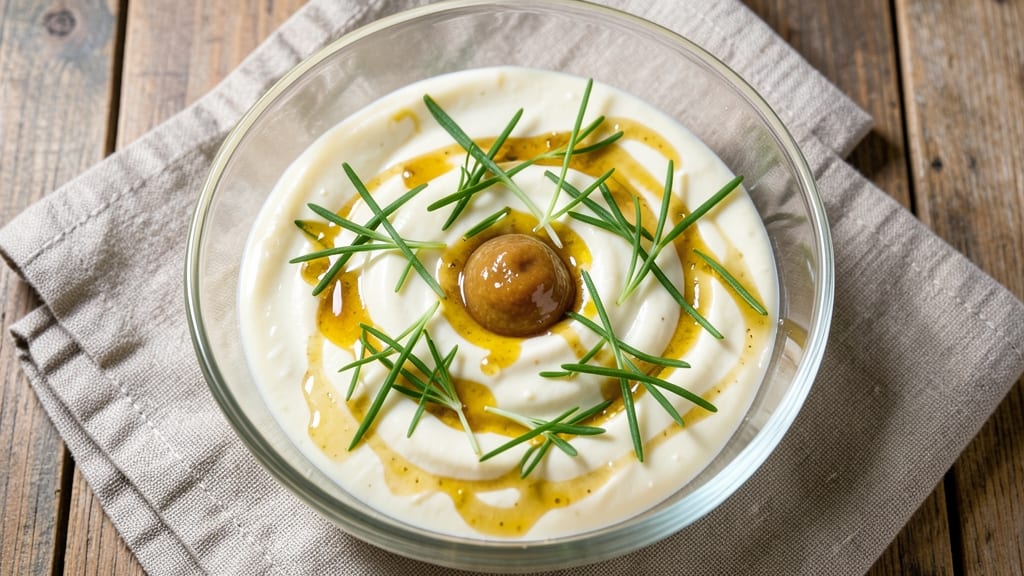
This butter lettuce salad dressing recipe solves a problem I faced for years—dressings that either drowned delicate greens or clumped into a gloopy mess. 💛 The secret lies in a perfect oil-to-vinegar ratio with just enough emulsifier to create lightweight creaminess without heaviness.
My grandmother used to make something similar, though she'd never write down the measurements—just "a splash of this, a pinch of that."
The foundation is simple: a 3:1 ratio of light olive oil to white wine vinegar, with Dijon mustard as the emulsifier. This combination coats each leaf evenly without weighing down the tender butter lettuce, while fresh herbs like tarragon or chives add brightness.
The key is whisking vigorously to create tiny, stable oil droplets that won't separate, even after sitting in your fridge.
What makes this dressing truly special is its versatility—it works equally well on grilled chicken salads, avocado slices, or even as a light drizzle over roasted vegetables.
The dressing keeps for up to 5 days in the refrigerator, though I find it tastes best within the first 2 days when the flavors are freshest. For extra richness, stir in a teaspoon of honey before serving, or add minced garlic for depth.
This isn't just another vinaigrette—it's a game-changer for anyone who's struggled with dressings that either clump or overwhelm delicate greens. The technique is foolproof, and the ingredients are simple, making it perfect for weeknight meals or elegant gatherings. Let's make dressing that actually enhances your salad, not ruins it.
Ingredients for butter lettuce salad dressing
Lightweight, clump-free dressing that brings out butter lettuce's delicate sweetness—no heavy creaminess here!
| Ingredient | Amount | Notes |
|---|---|---|
| Light Olive Oil 🫒 | ¾ cup | High-quality, fruity variety |
| White Wine Vinegar 🍷 | ¼ cup | Dry, crisp vinegar preferred |
| Dijon Mustard 🌶️ | 1 tbsp | For perfect emulsification |
| Fresh Tarragon 🌿 | 2 tbsp | Finely chopped, or substitute chives |
| Fresh Chives 🌿 | 1 tbsp | Finely chopped, for brightness |
| Granulated Honey 🍯 | 1 tsp | Optional for extra richness |
| Garlic Cloves 🧄 | 1 whole | Minced, for depth (optional) |
| Sea Salt 🧂 | ½ tsp | Fine grain preferred |
| Freshly Ground Black Pepper 🌶️ | ¼ tsp | Freshly cracked for best flavor |
The light olive oil is non-negotiable—skip the heavy stuff, it'll weigh down those tender leaves. Trader Joe's or Whole Foods have great options, but any fruity, extra-light oil works. The white wine vinegar should be dry and crisp—none of that sweet balsamic. I grab mine from Costco in the bulk section, but a small bottle at the grocery store works too. Fresh herbs are a must—tarragon gives that anise-like kick, but chives work perfectly if that's what you've got. For the Dijon mustard, Maille is my go-to, but any good-quality one will do.
No tarragon? Fresh dill or basil at the same amount adds brightness too. Skip the honey if you're watching sugar, but trust me—it rounds out the acidity beautifully. The garlic is optional, but if you love it, mince it super fine so it doesn't overpower. For extra creaminess without clumping, whisk in a splash of unsweetened almond milk (about 1 tbsp). And if you're out of Dijon, whole-grain mustard thinned with a little vinegar works in a pinch. Just don't use yellow mustard—it's too harsh for this delicate dressing.
This keeps for 5 days in the fridge, but honestly, it's best within the first 2 days when the herbs are freshest. Store it in a clean, airtight jar—glass is best—and give it a quick shake before each use. For extra stability, add a tiny pinch of xanthan gum (just 1/8 tsp) if you're worried about separation. But with the right whisking, it'll stay silky smooth. Double the batch—you'll want it for everything!
Why You'll Love This Recipe
- No-Fuss Whisking: Honestly, this dressing takes less time than deciding what to eat for lunch. Just toss the light olive oil, white wine vinegar, and Dijon mustard in a jar—no measuring cups, no mess—then shake it like you’re trying to win a game show. The tarragon and chives? Toss them in whole if you’re lazy (I often do), or chop them fine if you’re feeling fancy. Three ingredients, one bowl, done.
- Bright & Tangy Magic: That first pour of white wine vinegar cuts through the richness of butter lettuce like a breath of fresh air. The Dijon mustard adds a little bite, while the tarragon—oh, that tarragon—brings this herbal brightness that makes every bite feel like a little vacation. It’s not sweet, not heavy, just right for crisp greens or grilled fish. (Yes, even on a Tuesday night.)
- Jarred & Ready: Between us, this is my secret weapon for meal prep. Make a big batch on Sunday, store it in the fridge, and you’ve got dressing for salads, roasted veggies, or even a quick drizzle over steak. The oil and vinegar ratio keeps it from separating, so it stays silky smooth—no shaking required when you’re in a rush. I’ve had this jar last me a full week, and it’s never let me down.
- Budget Brightener: Light olive oil and white wine vinegar are pantry staples that won’t break the bank, and a bunch of fresh herbs goes a long way. I’ll be real: I’ve used this dressing on everything from a $2 bag of lettuce to a $20 steak, and it never feels out of place. Plus, if you grow chives or tarragon in pots, you’ve got free flavor for life. Minimal cost, maximum impact.
Step-by-step instructions for butter lettuce salad dressing
This dressing delivers velvety texture without heaviness—perfect for delicate butter lettuce leaves.
👨🍳 Step 1: Whisk Vinegar and Mustard for Emulsification
In a medium bowl, combine the 0.25 cup white wine vinegar and 1 tbsp Dijon mustard. Whisk vigorously for 30 seconds until smooth and fully incorporated—the mustard will help bind the oil later. This step is crucial because it creates an emulsifier base that prevents separation.
I like to use a small whisk for better control, especially when adding the vinegar gradually. If you notice any lumps, press them against the bowl's side with the whisk to break them up completely. This ensures your dressing will be silky, not grainy.
🍳 Step 2: Gradually Add Olive Oil for Creamy Texture
With the whisk still in the bowl, begin adding the 0.75 cup light olive oil in a slow, steady stream. Whisk continuously for 2-3 minutes until the mixture thickens noticeably. You're looking for a smooth, mayonnaise-like consistency—this takes patience, but rushing leads to clumping.
Here's the thing—if you pour the oil too quickly, it'll break the emulsion. Instead, let the whisk do the work by incorporating the oil gradually. The dressing should coat the back of a spoon without dripping immediately. If it's too thin, add another 1 tsp olive oil and whisk again.
👨🍳 Step 3: Incorporate Aromatics and Seasonings
Add the 1 whole minced garlic clove, 2 tbsp finely chopped fresh tarragon, 1 tbsp finely chopped fresh chives, 1 tsp granulated honey, 0.5 tsp sea salt, and 0.25 tsp freshly ground black pepper to the bowl. Stir gently with a spoon to combine—this prevents over-whisking which could make the dressing thin.
The tarragon and chives add a bright, herbal note that complements butter lettuce beautifully. If you're using the optional honey, add it now for subtle sweetness that balances the acidity. Taste and adjust seasoning—you might need a pinch more salt or pepper depending on your vinegar's strength.
⏰ Step 4: Rest and Test for Perfect Consistency
Cover the bowl and let the dressing rest for 10 minutes at room temperature. This resting period allows all the flavors to meld and the emulsion to fully stabilize. After resting, give it one final whisk to ensure everything is perfectly combined.
For the ultimate test, drizzle a small amount over butter lettuce leaves. The dressing should cling lightly without overwhelming the tender greens, creating a delicate, creamy coating. If it's too thick, thin with 1 tsp water or white wine vinegar. If too thin, whisk in another 1 tsp olive oil.
Pro Tips For Making Butter Lettuce Salad Dressing
- STIR IN STAGES: Don’t dump all the vinegar at once—start with half, taste, then add the rest. Butter lettuce hates overpowering acid; you want the tarragon and chives to shine, not hide. I learned this the hard way when a batch turned into vinegary soup.
- WASH HERBS PROPERLY: Tarragon and chives cling to dirt like it’s their job. Rinse them in cold water, then spin dry in a salad spinner (or wrap in a towel and squeeze—yes, even if you’re impatient like me). Wet herbs dilute the dressing and make it watery faster.
- USE COLD MUSTARD: Scoop Dijon straight from the fridge, not the pantry. Room-temperature mustard thins out faster and can turn your dressing into a runny mess. Cold mustard emulsifies better with olive oil, giving you that silky texture you actually want.
- EMULSIFY WITH A WHISK: Pour the vinegar into the oil (not the other way around) and whip like you’re mad. The mustard acts as a binder, but you’ve got to work it—30 seconds of vigorous stirring guarantees a dressing that clings to lettuce instead of pooling at the bottom. (Your arm will thank you later.)
Serving suggestions for butter lettuce salad dressing
Salad Pairings
This dressing transforms simple butter lettuce into a restaurant-worthy dish. Toss it with grilled chicken breast for a protein-packed meal, or layer with sliced avocado and toasted almonds for crunch. I love adding cherry tomatoes and shaved fennel for extra brightness—it’s like a fresh spring salad in a bowl. 🥗
Protein Additions
For a heartier meal, pair with seared scallops or smoked salmon. The dressing’s light acidity cuts through the richness beautifully. I also like adding crumbled goat cheese or feta crumbles for a tangy twist. If you’re vegetarian, try marinated tofu or white beans for plant-based protein.
Vegetable Complements
Roasted asparagus or zucchini add a lovely contrast to the delicate greens. I often roast them with a sprinkle of sea salt and lemon zest before tossing with the salad.
For a pop of color, add sliced bell peppers or shredded carrots. The dressing’s herbal notes make everything taste fresher.
Garnish Ideas
Finish with toasted pumpkin seeds or crispy fried shallots for texture. A sprinkle of flaky sea salt or smoked paprika adds depth. I also love a drizzle of balsamic glaze for a sweet-tangy contrast. Fresh herbs like cilantro or parsley add a final burst of freshness.
Make-Ahead Meals
Prep the dressing and store it in a jar in the fridge for up to 5 days. Keep the salad components separate until ready to serve. I often make a big batch on Sunday for easy weeknight lunches.
Pack it in mason jars with dressing at the bottom, greens in the middle, and toppings on top—just shake and pour when ready. 💡
Dinner Party Elevation
For a fancier spread, serve the salad on a platter with arugula or mixed greens as a base. Add seared duck breast or lobster tails for an elegant touch.
Garnish with edible flowers or microgreens for a restaurant-worthy presentation. Trust me, your guests will think you slaved away in the kitchen! ✨
Nutrition facts
Frequently asked questions
Why does this dressing work so well with butter lettuce?
The 3:1 oil-to-vinegar ratio creates a light, clingy texture that coats delicate leaves without weighing them down. The Dijon mustard acts as a gentle emulsifier, preventing separation while keeping the dressing silky. Butter lettuce's tender texture needs this balance—too much oil would make it soggy, while too much vinegar would overpower the sweetness.
Can I make this dressing without Dijon mustard?
Yes! Use 1 tbsp whole-grain mustard thinned with 1 tsp vinegar instead. For a completely mustard-free version, whisk in 1/2 tsp xanthan gum with the vinegar to help stabilize the emulsion. The flavor will be slightly less complex, but the texture will still hold up beautifully.
How do I fix separated dressing?
Give it a vigorous whisk for 1-2 minutes—the emulsion should reform. If it's stubborn, add 1 tsp Dijon mustard and whisk again. For future batches, try adding a tiny pinch (1/8 tsp) of xanthan gum to the vinegar mixture before emulsifying. This prevents separation entirely.
What's the best way to store leftover dressing?
Transfer to a clean, airtight glass jar and refrigerate for up to 5 days. The flavors actually improve slightly after 24 hours as the herbs mellow. Before using, give it a quick shake—the oil may separate slightly, but it'll re-emulsify when whisked. For longer storage, freeze in 1-tbsp portions for up to 1 month.
Can I use this dressing on other greens?
It works wonderfully on arugula, spinach, or mixed greens. For heartier greens like kale, reduce the dressing slightly (2 tbsp per serving) since they hold up better. The light texture makes it perfect for any salad where you want to highlight the greens rather than drown them.