
Salads
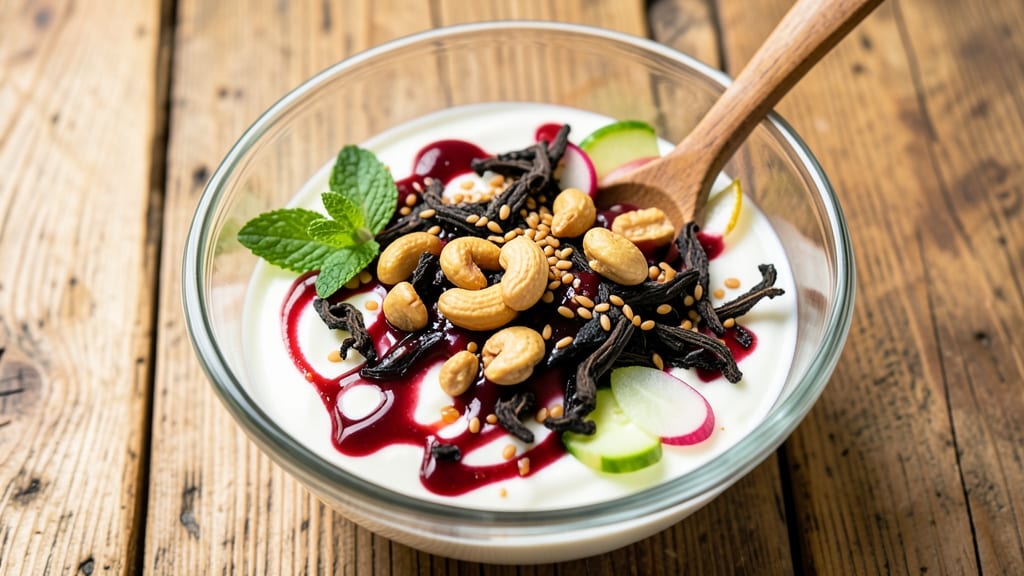
This Burmese tea salad recipe brings the vibrant flavors of Myanmar street food to your table with its perfect balance of tangy tamarind, toasted sesame crunch, and aromatic herbs.
I first discovered this dish at a bustling market in Yangon, where vendors skillfully tossed together ingredients that create a symphony of textures and tastes. The secret lies in the pu-erh tea leaves, which infuse the salad with an earthy depth that sets it apart from other Asian salads.
What makes this recipe special is the combination of traditional techniques with simple home cooking. You'll toast your own sesame seeds and peanuts for maximum flavor, then brew pu-erh tea to create a fragrant base that ties everything together.
Fresh mint, cilantro, and scallions add bright, herbaceous notes that cut through the richness, while tamarind paste delivers that signature tangy-sweet balance. It's vegetarian by nature but can easily incorporate fish sauce for an authentic touch.
The result is a salad that's as satisfying as it is refreshing—crunchy peanuts and sesame seeds provide texture, while the creamy yogurt base adds richness. This dish works beautifully as a light lunch, snack, or side for grilled meats.
The flavors develop as it sits, making it perfect for meal prep or serving at gatherings where you want something unique and memorable.
With just 15 minutes of active prep and 30 minutes of resting time, this recipe delivers restaurant-quality results without the fuss. The ingredients are simple but powerful, and the technique is straightforward once you understand the key steps.
Whether you're serving it to friends or treating yourself to a taste of Myanmar, this Burmese tea salad will become a new favorite in your rotation.
Ingredients for burmese tea salad
Here’s what you’ll need to create this vibrant Burmese tea salad with its signature tangy-sweet balance.
| Ingredient | Amount | Notes |
|---|---|---|
| Plain Yogurt 🥛 | ¾ cup | Full-fat for creaminess |
| Tamarind Paste 🍯 | ½ cup | Unadulterated, block form preferred |
| Pu-erh Tea Leaves ☕ | 2 tbsp | Loose-leaf, aged variety |
| Sesame Seeds 🥜 | ¼ cup | White or black, raw |
| Peanuts 🥜 | ½ cup | Raw, unsalted, shelled |
| Fresh Mint Leaves 🌿 | ½ cup | Stems removed, loosely packed |
| Fresh Cilantro Leaves 🌿 | ½ cup | Stems removed, loosely packed |
| Scallions 🧅 | 4 whole | White and green parts, thinly sliced |
| Lime Juice 🍋 | ¼ cup | Freshly squeezed |
| Coconut Milk 🥥 | ¼ cup | Full-fat, canned preferred |
| Fish Sauce 🍜 | 1 tbsp | Optional for umami depth |
| Sugar 🍚 | 1 tbsp | White granulated |
| Salt 🧂 | ½ tsp | Kosher or sea salt |
| Vegetable Oil 🫒 | 1 tbsp | For toasting |
| Red Chili Flakes 🌶️ | ½ tsp | Adjust to taste |
Pu-erh tea leaves are the heart of this salad—look for aged, loose-leaf varieties at specialty tea shops or Asian markets. Burmese Supermarket or H Mart carry good options, or order online if you can’t find them locally. The tamarind paste should be unadulterated—block form is best, but paste works in a pinch. For the herbs, farmers markets often have fresher mint and cilantro than grocery stores. If you can’t find pu-erh, black tea works in a pinch but won’t have the same earthy depth.
No tamarind paste? Lime juice plus a pinch of sugar mimics the tang, though it won’t be identical. Swap peanuts for cashews or almonds if you prefer, but toast them first—the crunch is essential. For the yogurt, Greek yogurt adds thickness if you want it creamier. If you’re skipping fish sauce, soy sauce or a splash of coconut aminos works for umami. The sesame seeds and peanuts need toasting—don’t skip this step, or the flavor will be flat. Use a dry pan and watch closely to avoid burning.
Toasted sesame seeds and peanuts keep for 2 weeks in an airtight container. The salad itself holds up well for 3 days in the fridge—flavors actually meld better overnight. For meal prep, store components separately: dressings, herbs, and crunchy bits. Toss everything together right before serving to keep the peanuts crisp. If you make a big batch, freeze the dressing separately for up to 3 months—just thaw and stir before using.
Why You'll Love This Recipe
- No Fuss, Big Payoff: I swear by this salad—I just mix the yogurt, tamarind, and steeped pu-erh tea leaves in a bowl, then toss in whatever veggies I have on hand. The hardest part? Waiting for the tea to brew properly.
- Tangy, Toasty, Addictive: That tamarind-yogurt base hits just right—bright but creamy, with the earthy pu-erh tea adding depth you won’t find in any other salad dressing. Honestly, the first bite makes me want to eat it straight from the spoon.
- Picnic to Potluck: Pack it for lunch, bring it to a BBQ, or serve it cold at a summer party—it’s always a crowd-pleaser. The peanuts and sesame seeds give it texture, so no one will even notice if you skip the fancy garnishes.
- Pantry Magic on a Budget: You’re using ingredients you probably already have (or can grab cheaply), and the dressing keeps for days in the fridge. Between us, this is how I feed my family for under $10 while still feeling fancy.
Step-by-step instructions for Burmese tea salad
Here's how to create this vibrant, crunchy salad with perfect balance of tangy tamarind and nutty toasted flavors.
Toast the Sesame Seeds and Peanuts
Heat a dry skillet over medium heat and add the 1 tablespoon vegetable oil. Once the oil shimmers, add the 0.25 cup sesame seeds and 0.5 cup peanuts all at once. Stir constantly for 3-4 minutes until the sesame seeds turn a golden brown color and the peanuts become fragrant and slightly puffed.
Here's the thing—don't walk away. The sesame seeds burn quickly, and you want that nutty aroma filling your kitchen. When they reach that perfect golden brown, immediately transfer them to a small bowl and set aside to cool completely. This toasting step is what gives the salad its signature crunch and depth of flavor.
Prepare the Tamarind-Coconut Dressing
In a medium bowl, whisk together the 0.75 cup plain yogurt, 0.5 cup tamarind paste, 0.25 cup lime juice, 0.25 cup coconut milk, 1 tablespoon sugar, 0.5 teaspoon salt, and 0.5 teaspoon red chili flakes until completely smooth. The mixture should be thick but pourable, with a vibrant orange-red color from the tamarind.
Taste the dressing and adjust the balance—you might want to add a splash more lime juice if it's too sweet, or a pinch more salt if it needs more depth. I usually add the 1 tablespoon fish sauce here for that umami kick, but only if you're using it. The dressing should be tangy, slightly sweet, and just spicy enough to wake up your palate.
Steep the Pu-erh Tea Leaves
While the dressing rests, bring 1 cup hot water (just off boil) to a small heatproof bowl. Add the 2 tablespoons pu-erh tea leaves and let them steep for 5 minutes. The water will turn a deep amber color, and you'll smell that earthy, malty aroma that's so characteristic of Burmese cuisine.
Strain the tea leaves through a fine-mesh sieve, pressing gently to extract all the flavor. Discard the spent leaves. This tea infusion is what gives the salad its unique, complex flavor profile—it's earthy, slightly bitter, and perfectly balanced with the sweet-tangy dressing. Let the tea cool completely before using.
Combine All Ingredients
In a large mixing bowl, combine the 0.5 cup fresh mint leaves, 0.5 cup fresh cilantro leaves, and 4 whole scallions (thinly sliced). Add the cooled toasted sesame seeds and peanuts, then pour in the cooled pu-erh tea infusion. Gently toss everything together until the herbs are evenly distributed and the tea is absorbed.
Now add the tamarind-coconut dressing and toss again, making sure every ingredient gets coated. The salad should look vibrant with green herbs, golden toasted nuts, and white sesame seeds. Taste and adjust the seasoning if needed—you might want to add a bit more lime juice for brightness or a pinch more salt for balance.
Rest and Serve
Let the salad sit at room temperature for 10-15 minutes before serving. This resting time allows all the flavors to meld together beautifully. The herbs will soften slightly, the dressing will absorb into the nuts and seeds, and the overall texture will be perfectly balanced between crunchy and creamy.
Serve the Burmese tea salad immediately while the flavors are at their peak. The contrast of cool yogurt, tangy tamarind, earthy tea, and crunchy toasted nuts makes this salad truly special. It pairs perfectly with grilled meats, steamed rice, or even as a refreshing appetizer on its own.
Pro Tips For Making Burmese Tea Salad
- STEEP THE TEA STRONG: Skip the weak tea—use 2 tablespoons of loose pu-erh leaves per cup of boiling water and steep for 5 minutes. I learned this the hard way; weak tea means your salad tastes like a sad, watery smoothie instead of the bold, earthy base it should be.
- WHISK THE YOGURT COLD: Chill your yogurt first, then whisk it with the tamarind paste until it’s smooth and slightly thickened. Cold yogurt blends better and won’t turn grainy when mixed with the tea later—trust me, your salad will thank you.
- TOAST PEANUTS LOW AND SLOW: Spread raw peanuts on a dry pan over low heat and stir constantly for 8-10 minutes until golden. High heat burns them fast, but low heat develops their flavor without turning them bitter—yes, even if it feels slow.
- SALT THE YOGURT BASE: Add a pinch of salt to the yogurt-tamarind mix before blending. It balances the tamarind’s sourness and rounds out the pu-erh’s earthiness—skipping it leaves the dressing flat, and you’ll wonder why it tastes incomplete.
Essential equipment for this recipe
Toasted Nut Essentials
Start with a heavy-bottomed skillet—I swear by my Lodge cast iron—to toast the sesame seeds and peanuts. The key is medium heat and constant stirring to prevent burning. A fine-mesh strainer comes in handy later for the tea leaves, but any strainer will work.
For extra crunch, I like toasting my nuts in batches if I'm making a big salad—2 tablespoons at a time in a dry pan. 🥜
Dressing Mixing Tools
Use a small whisk or fork for the tamarind-coconut dressing—it needs to be smooth but not overmixed. A measuring cup with a pour spout makes handling the tamarind paste easier (it's sticky!).
For the pu-erh tea, a heatproof glass bowl is ideal, but any bowl that fits your pot will do. I always keep a small bowl nearby to catch any drips from the tamarind paste—it's messy stuff! 🍯
Herb Prep Must-Haves
Fresh herbs like mint and cilantro need sharp kitchen shears or a chef's knife for clean cutting. A small cutting board works perfectly for this—no need for anything fancy. For the scallions, I like using my microplane to get ultra-thin slices without chopping.
A large mixing bowl (at least 2-quart capacity) is essential for combining all ingredients without spills. 🌿
Optional Extras
If you're adding fish sauce, a small squeeze bottle makes precise measurements easy. For the optional red chili flakes, I keep a small spice jar with a tight lid to store them.
A fine-mesh sieve (like the OXO Good Grips one) is perfect for straining the tea leaves—it catches even the tiniest bits. These extras aren't mandatory, but they make the process smoother. 🌶️
Nutrition facts
Frequently asked questions
Why does this salad need pu-erh tea leaves?
Pu-erh tea leaves add that signature earthy depth and complexity that sets Burmese tea salad apart. The aged tea creates a malty, slightly bitter note that balances perfectly with the sweet-tangy tamarind and creamy yogurt. If you can't find pu-erh, black tea works in a pinch, but it won't have the same authentic flavor profile.
Can I make this salad ahead of time?
Store the toasted nuts and seeds separately, and the dressing in another container. When ready to serve, combine everything and let it sit for 10-15 minutes to let the flavors meld. The herbs will stay fresher this way, and the peanuts will maintain their crunch. It actually tastes better the next day!
What if I don't have tamarind paste?
No problem! Mix 0.25 cup lime juice with 1 tablespoon sugar for a similar tangy-sweet flavor. While it won't be identical, it'll still give you that bright, refreshing taste. For extra depth, add a pinch of salt to mimic tamarind's complexity.
Is this salad spicy?
The recipe includes 0.5 teaspoon red chili flakes, which adds a mild heat. You can adjust this to your preference—reduce for less spice or increase for more. The tamarind and yogurt help balance the heat, making it a refreshing but not overwhelming spice level.
How do I serve this salad?
This Burmese tea salad works beautifully as a standalone dish, a light lunch, or a refreshing side. Serve it chilled or at room temperature with grilled meats, steamed rice, or even as an appetizer with warm naan. The crunchy texture and bold flavors make it perfect for sharing!