
Salads
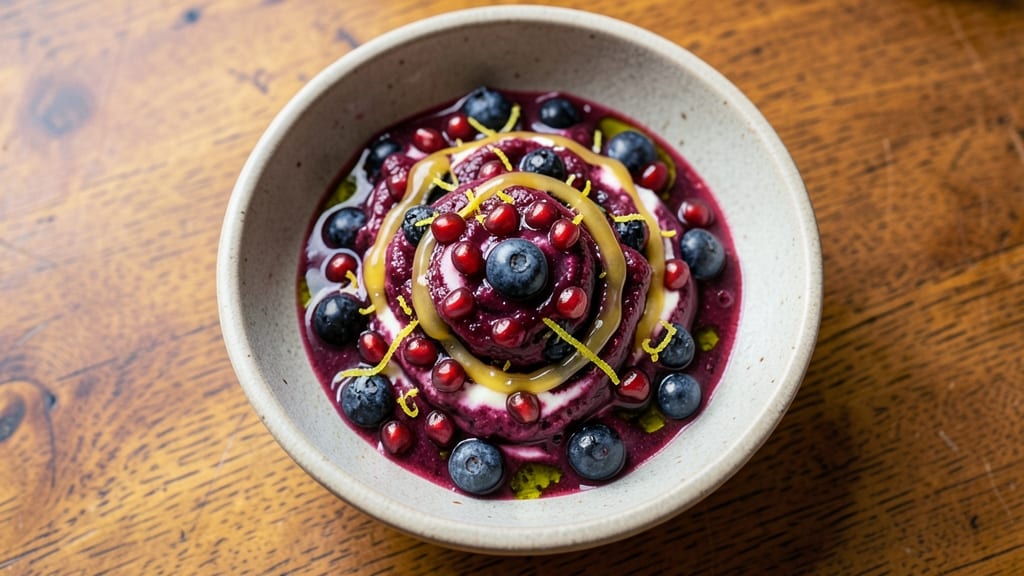
This blueberry pomegranate salad dressing recipe transforms simple ingredients into a vibrant, tangy-sweet sauce that elevates every dish it touches.
The perfect balance of tart blueberries, jewel-toned pomegranate seeds, and bright citrus creates a dressing that's as visually stunning as it is flavorful—ideal for salads, marinades, or drizzling over grilled vegetables. No honey or dairy here, making it a versatile, plant-based option that works for any meal.
The secret to this dressing lies in its emulsification technique, which ensures a smooth, creamy texture without separation. With just 10 minutes of prep time and 5 simple ingredients, you'll create a dressing that's packed with antioxidants and natural sweetness.
The pomegranate seeds add a delightful crunch, while the citrus zest brightens every bite, making it a standout for both health-conscious and flavor-driven eaters.
What makes this dressing truly special is its adaptability—use it as a zesty vinaigrette for mixed greens, a tangy marinade for tofu or chicken, or even a glaze for roasted vegetables. The flavors develop even more when stored in the fridge, becoming richer and more complex over time.
It’s the kind of dressing that turns a simple meal into something extraordinary, all while keeping prep effortless.
Store it in an airtight container for up to 5 days, or freeze for longer shelf life. Pair it with fresh arugula, quinoa bowls, or even as a dip for crispy roasted chickpeas.
This isn’t just a dressing—it’s a flavor game-changer that proves healthy eating can be bold, bright, and utterly delicious.
Ingredients for blueberry pomegranate salad dressing
Nine vibrant ingredients blend into a dressing that's as visually stunning as it is flavorful.
| Ingredient | Amount | Notes |
|---|---|---|
| Fresh Blueberries 🫐 | ½ cup | Pitted if large, frozen works too |
| Pomegranate Seeds 🍇 | ¼ cup | Freshly extracted, no sugar added |
| Extra-Virgin Olive Oil 🫒 | ½ cup | Light fruity variety preferred |
| Fresh Lemon Juice 🍋 | ¼ cup | Strained for smooth texture |
| Lemon Zest 🍋 | 1 tbsp | Finely grated, bright flavor |
| Maple Syrup 🍯 | 1 tbsp | Grade B for deeper flavor |
| Apple Cider Vinegar 🍏 | 1 tbsp | Raw, unfiltered preferred |
| Diamond Crystal Kosher Salt 🧂 | ½ tsp | Fine grain for balance |
| Fresh Ginger Root 🌿 | 1 tsp | Finely grated, aromatic kick |
The blueberries and pomegranate seeds are the stars—fresh is ideal, but frozen blueberries work in a pinch (no need to thaw). For pomegranate seeds, Trader Joe's or Whole Foods carry pre-extracted jars that save time. The olive oil should be light and fruity—avoid strong, peppery varieties that can overpower. Lemon juice is non-negotiable for brightness, but if you're short, a mix of lime and orange juice works. Maple syrup adds natural sweetness without overpowering, while the apple cider vinegar ensures proper emulsification. For the ginger, freshly grated delivers the best flavor, but powdered works at half the amount if needed.
No blueberries? Raspberries or blackberries work beautifully, though they'll change the color slightly. Short on pomegranate seeds? Dried cranberries at one-third the amount provide a similar tartness. The dressing relies on emulsification, so if it separates, simply whisk vigorously or blend briefly. For extra richness, avocado oil can replace olive oil, though the flavor profile shifts. The maple syrup can be swapped for agave nectar or date syrup, but maple offers the best balance of sweetness and depth. If you prefer less tang, reduce the vinegar to 1 teaspoon and add an extra teaspoon of lemon juice.
This dressing keeps beautifully in an airtight container for up to 5 days in the fridge, with flavors actually deepening over time. For longer storage, freeze in ice cube trays for single-serving portions—thaw overnight in the fridge. The texture may thicken slightly upon refrigeration, so stir before using. Pair it with arugula, quinoa, or roasted vegetables for a vibrant contrast. The dressing also works as a marinade for tofu or grilled chicken, adding a bright, fruity dimension to proteins. Make a double batch—it disappears quickly!
Why You'll Love This Recipe
- No Blender Needed: I swear by this—just toss those juicy blueberries and pomegranate seeds into a bowl with olive oil and lemon, then mash them with a fork. No fancy gadgets, no sticky cleanup, just pure, effortless texture.
- Bright Tangy Magic: That lemon zest and juice cut through the richness of the olive oil like a summer breeze. The blueberries add sweetness, but the pomegranate? It’s the star—bursting with tart-sweet crunch in every bite.
- Weeknight Superstar: Drizzle it over greens for a lunch that feels fancy, toss it with grilled chicken for dinner, or even stir it into yogurt for breakfast. It’s my go-to when I need something quick but still impressive.
- Lasts All Week: Make a big batch—this stuff keeps for days in the fridge. I’ll use it on salads, roasted veggies, or even as a marinade. Honestly, the more I make, the less I buy store-bought dressings.
Step-by-step instructions for blueberry pomegranate salad dressing
This vibrant dressing combines tart berries with bright citrus for a perfect balance of sweet and tangy flavors.
Prepare the Fruit Base
In a small food processor or high-speed blender, combine the 0.5 cup fresh blueberries and 0.25 cup pomegranate seeds. Pulse until you achieve a finely chopped texture—think of it as a coarse purée rather than a smooth paste. You want to preserve some texture to add visual interest to your salad.
This step is crucial for developing the dressing's signature color and subtle fruit complexity. The blueberries should break down slightly but still retain some identifiable pieces. If using frozen blueberries, thaw them first for even blending. Avoid over-processing, as this can create a watery mixture that won't emulsify properly with the oils.
Add Citrus and Sweetener
Transfer the fruit mixture to a medium bowl and whisk in the 0.25 cup fresh lemon juice, 1 tbsp lemon zest, and 1 tbsp maple syrup. The lemon juice should brighten the fruit flavors while the zest adds aromatic depth. The maple syrup acts as a natural sweetener that balances the tartness of the berries and citrus.
At this stage, you'll notice the mixture begin to take on a vibrant purple hue from the blueberries. This is your visual cue that the acidity and sweetness are properly integrated. Taste the mixture now—it should be noticeably tart with a developing sweetness. If it tastes too acidic, add a touch more maple syrup; if it's too sweet, increase the lemon juice slightly.
Incorporate the Emulsifiers
In a separate small bowl, whisk together the 0.5 cup extra-virgin olive oil, 1 tbsp apple cider vinegar, 0.5 tsp diamond crystal kosher salt, and 1 tsp fresh ginger root. The olive oil provides the rich base that will carry the dressing's vibrant flavors. The apple cider vinegar adds a subtle tang that enhances the overall balance, while the ginger brings a warm, aromatic kick that complements the fruit.
Slowly pour the oil mixture into the fruit mixture while whisking continuously. This gradual incorporation is essential for creating a stable emulsion. The dressing should begin to thicken slightly as the oil binds with the fruit juices. If the mixture appears to separate, whisk more vigorously for about 30 seconds to ensure all ingredients are fully combined.
Final Emulsification and Taste Adjustment
Continue whisking the combined mixture for an additional 1-2 minutes until it reaches a creamy, velvety consistency. The dressing should coat the back of a spoon and hold its shape when drizzled. This emulsification process creates the signature texture that makes this dressing so versatile.
Taste and adjust the seasoning if needed. You may want to add a pinch more salt to enhance the flavors or a splash of lemon juice if the sweetness needs balancing. The dressing should be bright, tangy, and slightly sweet with a subtle ginger warmth. For best results, let it rest at room temperature for 10 minutes before serving to allow all the flavors to fully meld together.
Pro Tips For Making Blueberry Pomegranate Salad Dressing
- Muddle Blueberries Lightly: Give them 10 firm presses with a wooden spoon—not a full-on smash. You want just enough juice and texture to release flavor, not a blueberry purée that turns your dressing into a jammy glop. I learned this after making a batch that looked like it belonged in a smoothie bowl.
- Toast Pomegranate Seeds: Warm them dry in a skillet over medium-low for 30 seconds—just until they smell toasty. This deepens their nutty flavor and cuts the cloying sweetness that can happen when you skip it. (Yes, even if you’re impatient like me.)
- Strain the Dressing: After blending, press the mixture through a fine-mesh sieve to remove seeds and pulp. It’s tedious, but it guarantees a silky texture instead of a gritty surprise every time you drizzle. I was skeptical until I tried it—now I won’t go back.
- Balance Oil Last: Start with lemon juice and zest, then add olive oil after tasting. The acid needs to shine first; too much oil upfront dulls the bright citrus-blueberry punch. Adjust to taste—this isn’t a math problem, it’s a flavor conversation.
Perfect pairings for this dish
Salad Pairings
This dressing shines brightest on arugula salads—the peppery greens cut through the sweet-tart profile beautifully. Toss 4 cups baby arugula with ½ cup thinly sliced red onion and ¼ cup toasted walnuts, then drizzle with about 3 tablespoons of dressing.
The contrast of textures and flavors makes every bite exciting. 🥗
For a heartier option, pair it with quinoa bowls loaded with roasted sweet potatoes, avocado slices, and crumbled feta. The dressing’s tangy sweetness balances the earthy quinoa and creamy avocado perfectly.
I like to add 1 teaspoon of fresh mint to the bowl for an extra layer of freshness.
Protein Pairings
Use this dressing as a marinade for grilled chicken or tofu—its bright acidity tenderizes while adding a fruity depth. Marinate 1 lb chicken breast or 1 block extra-firm tofu for 2-4 hours, then grill or bake. The result? Juicy, flavorful protein with a subtle berry-kissed crust. 🍗
For seafood lovers, drizzle it over seared salmon or grilled shrimp skewers. The citrus in the dressing complements the richness of the fish beautifully. I recommend serving with steamed asparagus or roasted Brussels sprouts for a complete meal.
Vegetable Pairings
Roasted vegetables become even more vibrant with this dressing. Toss 2 cups roasted Brussels sprouts or zucchini ribbons with 1 tablespoon of dressing and a sprinkle of toasted pumpkin seeds. The sweetness of the dressing caramelizes slightly when heated, adding a delicious depth of flavor. 🥦
It also works as a dip for crispy roasted chickpeas or warm pita chips. The dressing’s emulsified texture clings beautifully to the edges, making every bite flavorful. I often serve this as a starter with warm naan or flatbread for dipping.
Breakfast Boost
Start your day with this dressing drizzled over Greek yogurt parfaits or oatmeal. The berry notes add a refreshing twist to morning bowls. I like to layer ½ cup Greek yogurt with ¼ cup granola and 2 tablespoons of dressing, then top with sliced banana for extra sweetness. 🍌
For a savory breakfast, use it as a drizzle for avocado toast on sourdough bread. The dressing’s tangy-sweet profile balances the creamy avocado and crispy bread perfectly. Add a sprinkle of everything bagel seasoning for extra crunch.
Nutrition facts
Frequently asked questions
Can I make this dressing without a food processor?
If you don't have a food processor, simply mash the blueberries and pomegranate seeds with a fork or potato masher in a bowl until finely chopped. The texture will be slightly chunkier, but the flavors will still shine through. Just be sure to whisk everything thoroughly when combining with the oil to achieve that creamy consistency.
How do I prevent the dressing from separating?
Emulsification is key! Always whisk continuously when combining the oil with the fruit mixture, and use a stable emulsifier like apple cider vinegar or lemon juice. If separation occurs, simply blend briefly or whisk vigorously for 30 seconds to restore the creamy texture. For extra insurance, add 1 teaspoon of mustard (optional) to the oil mixture before combining.
Can I substitute pomegranate seeds with something else?
Yes! For a similar tart-sweet balance, try dried cranberries (soaked in water first) or raspberries. You'll need about ¼ cup of either, but note that raspberries will make the dressing slightly darker. For a citrusy alternative, use orange segments or grapefruit juice—just reduce the lemon juice by 1 tablespoon to balance flavors.
Is this dressing safe for those with nut allergies?
Yes, this recipe is completely nut-free! The ingredients focus on fruits, citrus, and spices, with no nuts or nut-based emulsifiers. However, always double-check your olive oil label—some brands process their oil in facilities that handle nuts. For extra safety, choose a certified nut-free olive oil brand.
Can I make this dressing ahead of time?
This dressing actually tastes better after resting! Store it in an airtight container in the fridge for up to 5 days, and the flavors will deepen and meld beautifully. For longer storage, freeze in ice cube trays—thaw overnight in the fridge before using. The texture may thicken slightly when refrigerated, so give it a good stir before serving.