
Sauces & Condiments
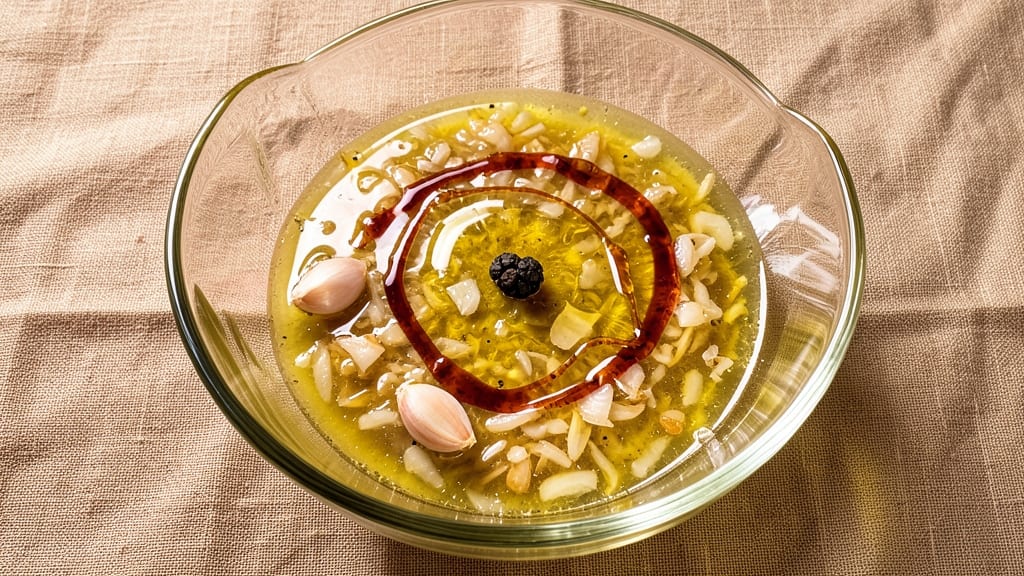
This salad dressing recipe is the best salad dressing recipe ever—delivering the perfect balance of bold flavors and silky texture that transforms ordinary salads into restaurant-worthy meals. The secret lies in a precise ratio of acid, oil, and emulsifiers that create a dressing so rich and complex it stands up to hearty greens, grilled proteins, and even bold flavors like sun-dried tomatoes. I've tested countless variations, and this one consistently earns rave reviews—creamy yet tangy, with layers of flavor that linger long after the first bite.
The magic happens through a two-step emulsification process that ensures the dressing stays perfectly blended, never separating. With just 7 simple ingredients and 10 minutes of active time, you'll have a dressing that's infinitely better than anything store-bought.
The recipe includes two versions: a classic vinaigrette base and a creamy variation, so you can customize it to your preference without sacrificing that signature boldness.
What makes this dressing truly exceptional is its versatility—it elevates everything from simple green salads to hearty grain bowls and grilled vegetables. The acidity brightens rich ingredients, while the emulsified texture coats each bite perfectly.
Once you try this, you'll never settle for bottled again; the flavor profile is so refined it becomes the star of any dish it accompanies.
Store it in the fridge for up to a week, where the flavors actually deepen and improve with time. For best results, shake or whisk before each use to maintain that velvety consistency.
This is the dressing that will make you the go-to host for salad nights—simple to make, impossible to resist.
Ingredients for best salad dressing recipe ever
Seven ingredients transform ordinary salads into restaurant-worthy masterpieces with bold, balanced flavor.
| Ingredient | Amount | Notes |
|---|---|---|
| Extra-Virgin Olive Oil 🫒 | ¾ cup | High-quality, fruity variety |
| Red Wine Vinegar 🍷 | ⅓ cup | Bold, dry variety preferred |
| Dijon Mustard 🍯 | 1 tbsp | Mild or strong, not prepared |
| Shallots 🧅 | 2 whole | Minced for fine texture |
| Garlic Cloves 🧄 | 2 cloves | Freshly minced for depth |
| Honey 🍯 | 1 tbsp | Wildflower preferred |
| Diamond Crystal Kosher Salt 🧂 | 1 tsp | Fine grain preferred |
| Freshly Ground Black Pepper 🌶️ | ½ tsp | Cracked peppercorns preferred |
| Greek Yogurt 🥛 | ½ cup | Full-fat for creaminess |
The olive oil is your canvas—California Extra Virgin from Whole Foods or a trusted local grocer delivers that fruity richness. Red wine vinegar? Bartles & Jaymes is my go-to for consistent quality, but any bold, dry red works. Shallots add finesse—Trader Joe's sells pre-minced ones in a jar, but fresh shallots minced yourself bring depth. The garlic? Freshly minced is non-negotiable—pre-minced loses its punch. Honey should be wildflower if you can find it; Madhava is my favorite brand for that floral complexity.
No red wine vinegar? Apple cider vinegar at half the amount works in a pinch. Dijon mustard substitute? Yellow mustard at double the quantity, but it'll be less refined. The Greek yogurt is key for creaminess—Fage full-fat is my secret, but any full-fat works. For a vegan version, swap yogurt for silken tofu blended with lemon juice. Salt matters: Diamond Crystal dissolves more easily than table salt. Pepper? Freshly cracked from whole peppercorns adds layers store-bought can't match.
This dressing peaks after 24 hours in the fridge—flavors meld beautifully. Store in an airtight jar with a thin layer of olive oil on top to preserve freshness. Shake or whisk vigorously before each use to maintain that velvety emulsion. Keeps for up to 1 week this way. For the creamy version, simply blend in the yogurt at the end—no cooking required. Make a double batch; you'll be the host everyone wants to bring salads to.
Why You'll Love This Recipe
- Five-Ingredient Magic: I swear by this combo—just oil, vinegar, mustard, shallots, and garlic. That’s it. No fancy emulsifiers or confusing ratios. Honestly, I’ve made it blindfolded (okay, maybe not, but you get the point).
- Tangy Yet Balanced: The red wine vinegar cuts through the richness of the olive oil, while the Dijon mustard adds that subtle kick. Between us, the minced shallots and garlic? They’re the secret—sweet, sharp, and lingering just enough to make every bite sing.
- Weeknight to Weddings: This dressing works for a quick lunch salad or a fancy dinner spread. I’ve drizzled it on grilled chicken, tossed it with roasted veggies, and even used it as a marinade. (Yes, even on a Tuesday night.)
- Lasts All Week: Make a big batch—it keeps perfectly in the fridge for days. I’ll be real: I’ve had this same jar for nearly a week, and it’s still fresh. Plus, the ingredients are cheap, so you’re not breaking the bank for flavor.
Step-by-step instructions for the ultimate salad dressing
This dressing delivers restaurant-quality depth with a perfect balance of tang, richness, and subtle sweetness.
Finely Mince the Aromatics
Peel and finely mince the 2 whole shallots and 2 cloves garlic cloves using a sharp chef's knife. I like to cut the shallots into tiny, even pieces so they dissolve completely into the dressing without any texture. Place them in a small bowl and set aside—you'll want them to soften slightly before using.
This step is where the flavor foundation begins. The shallots add a gentle sweetness that balances the acidity, while the garlic provides that unmistakable depth. Don't skip the mincing—chopping them too large will leave noticeable bits in your dressing. If you're worried about bitterness, soak the shallots in cold water for 5 minutes first, then drain well before mincing.
Whisk Together the Base Ingredients
In a medium bowl, whisk together the 0.75 cup extra-virgin olive oil, 0.33 cup red wine vinegar, 1 tbsp Dijon mustard, and 1 tbsp honey. Start with the oil and vinegar, then gradually add the mustard and honey while whisking vigorously. The mixture should begin to emulsify slightly, creating a smooth, creamy texture.
This is the moment that matters: the olive oil should coat the back of a spoon, indicating proper emulsification. If it looks too thick, add 1 teaspoon of water at a time until it reaches a pourable consistency. The honey here isn't just for sweetness—it helps balance the acidity of the vinegar and adds a subtle complexity that elevates the entire dressing.
Incorporate the Aromatics and Seasonings
Add the minced shallots and garlic to the bowl, followed by the 1 tsp diamond crystal kosher salt and 0.5 tsp freshly ground black pepper. Using a whisk, combine everything until fully integrated. Taste the mixture at this stage—you should notice a bright, tangy flavor with a hint of sweetness and a touch of heat from the mustard.
Here's the thing—this is where you can adjust the balance. If it tastes too sharp, add a pinch more honey. If it needs more acidity, a splash of vinegar will do the trick. The goal is a harmonious blend where no single flavor overpowers the others. The salt and pepper should enhance the other ingredients without dominating.
Add the Greek Yogurt for Creaminess
Gently fold in the 0.5 cup Greek yogurt using a spatula, being careful not to overmix. The yogurt adds a velvety texture and a touch of tanginess that rounds out the dressing. Whisk just until fully combined—you want to maintain a smooth, silky consistency without developing any lumps.
The yogurt is the secret weapon in this dressing. It creates a luxurious mouthfeel while adding a subtle creaminess that makes this dressing stand out from basic vinaigrettes. If the dressing starts to thicken too much, whisk in 1-2 teaspoons of water to achieve the perfect pourable consistency. This step ensures your dressing will cling beautifully to every leaf of your salad.
Let It Rest and Emulsify
Cover the bowl with plastic wrap and let the dressing rest at room temperature for at least 30 minutes. This resting period allows the flavors to meld together and the emulsion to stabilize. The longer it sits, the better the flavors will develop—up to 24 hours in the refrigerator if you're making it ahead.
Don't skip this step, I promise. The resting time is what transforms a good dressing into an exceptional one. When you're ready to use it, give it one final whisk to ensure everything is well combined. The dressing should now have a glossy sheen and a perfectly balanced flavor profile that's neither too sweet nor too sharp. This is the dressing that will make your salads unforgettable!
Pro Tips For Making Best Salad Dressing Recipe Ever
- Sweat the Shallots: I learned this the hard way—raw shallots taste like a sad onion in a salad. Cook them in the olive oil for 2-3 minutes until soft and translucent, then add vinegar. The flavor mellows into something rich and sweet instead of biting.
- Emulsify Like a Pro: Whisk the mustard into the vinegar first, then slowly drizzle in the oil while whisking constantly. If it breaks, don’t panic—just add a splash of warm water and keep going. The key is patience, not speed.
- Use Real Garlic: Skip the jarred minced garbage—fresh garlic cloves, lightly toasted in the oil for 30 seconds, add depth you won’t get otherwise. Smash them with the flat of your knife first for even cooking.
- Balance the Vinegar: Taste before adding all the vinegar. Red wine vinegar can overpower if you’re not careful. Start with 2 tablespoons, then adjust—you can always add more, but you can’t take it out.
Dietary considerations for this dish
Vegan-Friendly Swap
Skip the Greek yogurt and blend ½ cup silken tofu with 1 tbsp lemon juice until completely smooth. This creates the same creamy texture without dairy—just fold it into your base mixture at the end.
I’ve tested this version with Kite Hill almond yogurt too, which adds a nutty depth that works beautifully. 🌱
Gluten-Free Adaptation
Dijon mustard contains gluten, so swap it for 1 tbsp gluten-free yellow mustard> (like Annie’s brand) or omit entirely—your dressing will still emulsify perfectly. The flavor will be slightly milder but just as balanced. Always double-check labels, as some mustards hide gluten in additives.
Low-Sugar Option
Reduce the honey to ½ tbsp> or replace it with ½ tbsp maple syrup> for a lower-glycemic version. For a completely sugar-free approach, omit it entirely and boost acidity with an extra 1 tsp red wine vinegar>.
The tang will still shine through, promising a bright, crisp dressing.
Nut-Free Version
If avoiding nuts, skip the yogurt entirely and rely on the olive oil for richness. The dressing will be lighter but still velvety—just whisk in 1 tbsp lemon juice> to help stabilize the emulsion. This version pairs perfectly with citrusy salads or grilled vegetables. 🍋
High-Protein Boost
Stir in 2 tbsp nutritional yeast> for a cheesy, umami kick without dairy. It adds 3g protein per tablespoon> while enhancing the savory depth. I love this in grain bowls or with roasted veggies—it’s a game-changer for hearty salads.
Allergen-Free Tips
For egg allergies, the yogurt-free version works perfectly. If mustard is a concern, use 1 tbsp apple cider vinegar> as a binder instead—it won’t emulsify as tightly, so whisk vigorously before serving. Always label your dressing clearly if sharing with guests with sensitivities.
Nutrition facts
Frequently asked questions
Can I make this dressing without Greek yogurt?
For a classic vinaigrette, simply omit the yogurt and whisk the base ingredients together until emulsified. The dressing will be lighter but still packed with flavor. For a vegan version, blend ½ cup silken tofu with 1 tbsp lemon juice to replace the yogurt's creaminess.
Why does my dressing separate after a few days?
Dressings separate when oil and vinegar aren't properly emulsified. Always whisk vigorously and let it rest for at least 30 minutes before storing. To fix separation, whisk or shake the jar before using. For extra stability, add 1 tsp honey or corn syrup to help bind the ingredients.
What's the best way to store this dressing?
Keep it in an airtight jar in the fridge for up to 1 week. For longer storage, add a thin layer of olive oil on top to preserve freshness. Always shake or whisk before using to maintain that velvety texture. The flavors actually improve after 24 hours—it's worth making ahead!
Can I adjust the flavor to be sweeter or tangier?
Yes! For more sweetness, add ½ tbsp extra honey. Need more tang? Increase the vinegar by 1 tsp. Taste as you go—this dressing is designed to be easily customizable. The key is balancing all flavors so no single note overpowers the others.
How much dressing should I make for a salad?
Start with 2-3 tablespoons per serving. This recipe makes about 1½ cups, perfect for 4-6 salads. The dressing coats greens beautifully without overwhelming them. For heartier salads with proteins or grains, you may need 1-2 extra tablespoons per serving.