
Salads
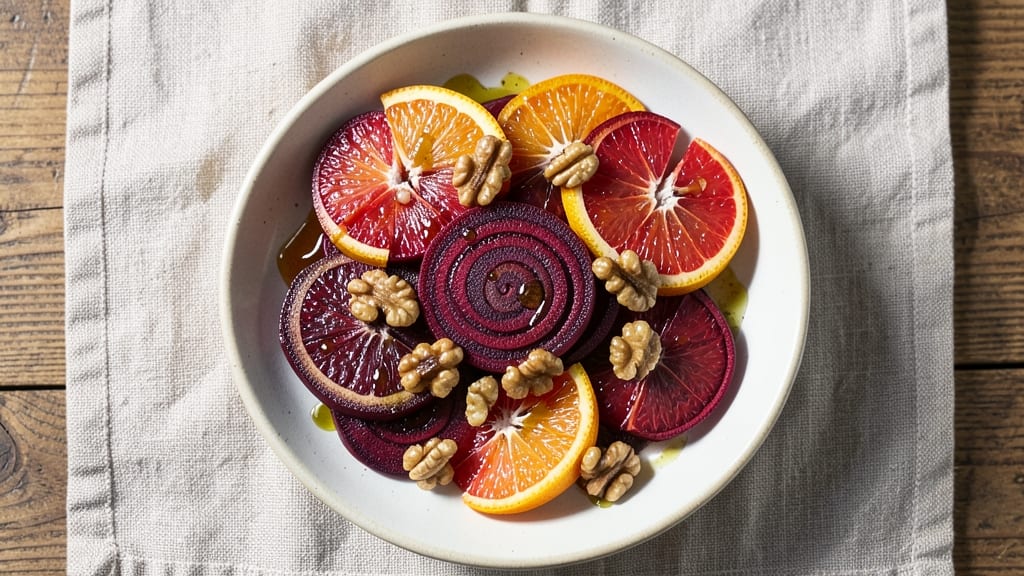
This beet, orange, and walnut salad recipe transforms humble ingredients into a vibrant, textured masterpiece that balances earthy sweetness with nutty crunch. 💛 The secret lies in roasting the beets until tender yet firm, pickling them briefly for tangy brightness, and toasting the walnuts until fragrant—each element designed to harmonize in perfect proportion.
What sets this salad apart is its thoughtful assembly: thinly sliced oranges add citrus zing, while a maple-mustard vinaigrette binds everything with a glossy, tangy embrace. The result is a dish that’s as visually striking as it is flavorful, with every bite delivering a satisfying contrast of textures and tastes.
This recipe delivers restaurant-quality presentation with minimal effort—ideal for holiday gatherings, potlucks, or as a sophisticated weeknight dinner. The beets stay vibrant, the walnuts maintain their crunch, and the dressing enhances rather than overpowers the natural flavors.
Perfect for meal preppers, this salad keeps beautifully for up to 4 days when stored properly, making it an excellent make-ahead option. Whether served as a side or a main, it’s a showstopper that proves healthy eating can be both nutritious and indulgent.
Ingredients for beet orange and walnut salad
Twelve ingredients transform into a visually stunning, restaurant-worthy salad bursting with earthy, citrusy, and nutty harmony.
| Ingredient | Amount | Notes |
|---|---|---|
| Medium Beets 🍠 | 2 whole | Organic preferred, peeled and cubed |
| Blood Oranges 🍊 | 2 whole | Thinly sliced, seeds removed |
| Walnuts 🥜 | 1 cup | Raw, unsalted, toasted |
| Extra-Virgin Olive Oil 🫒 | ½ cup | Cold-pressed, fruity variety |
| Apple Cider Vinegar 🍶 | 2 tbsp | Raw, organic preferred |
| Pure Maple Syrup 🍯 | 2 tbsp | Grade B for depth |
| Dijon Mustard 🌶️ | 1 tbsp | Whole grain, no additives |
| Sea Salt 🧂 | 1 tsp | Diamond Crystal preferred |
| Fresh Thyme Leaves 🌿 | ¼ cup | Chopped, organic preferred |
| Fresh Arugula 🌱 | 4 cups | Baby leaves, organic preferred |
| Avocado Oil 🫒 | 1 tbsp | For final drizzle |
| Pomegranate Seeds 🍇 | ¼ cup | Fresh, for garnish |
The beets are the foundation, so choose organic when possible—they’re often more vibrant and less likely to bleed. Whole Foods or local farmers markets carry the best varieties like Chioggia or golden beets. If using pre-cooked beets, rinse them thoroughly to remove excess vinegar. For the blood oranges, look for firm, deep-red segments—they should yield easily when gently squeezed. Walnuts should be raw and unsalted, toasted just until fragrant for maximum crunch. Costco or bulk bins at Whole Foods offer the best value for organic nuts.
No blood oranges? Substitute with regular oranges or grapefruit, though the color will differ. The maple syrup can be swapped for agave nectar if preferred, but Grade B maple syrup adds depth that’s hard to replicate. For a tangier dressing, increase the apple cider vinegar by 1 tbsp. If you’re prepping ahead, pickle the beets in the dressing overnight—it enhances their flavor dramatically. The arugula should be washed and dried thoroughly to prevent a soggy salad; spinach can substitute but wilts faster. For extra richness, drizzle with toasted sesame oil instead of avocado oil.
This salad holds beautifully for 4 days in the fridge, though the arugula may wilt—refresh it with a quick spin in a salad spinner before serving. Store the dressing separately and toss just before eating to maintain crispness. The walnuts and pomegranate seeds can be added fresh when ready to serve. For a make-ahead option, roast the beets and toast the walnuts in advance, then assemble the salad the day of. The flavors actually deepen over time, making it perfect for meal prep. Garnish with fresh thyme leaves just before serving to preserve their aroma.
Why You'll Love This Recipe
- No Prep Nightmare: I swear, this salad comes together in 15 minutes flat—just slice the beets (raw or roasted, no judgment), segment the oranges, toss in walnuts, and drizzle. The hardest part is deciding whether to roast the beets or eat them raw—both work, and honestly? Neither takes more than 10 minutes of active time.
- Sweet-Savory Magic: That blood orange juice? It’s the secret weapon—bright, tart, and just sweet enough to make the earthy beets sing. The walnuts add crunch, and the apple cider vinegar ties it all together with a little tang. It’s the kind of dish where every bite feels like a flavor upgrade, not just another salad.
- Weeknight to Holiday: Between us, this is my go-to for lazy Mondays and fancy dinner parties. Serve it chilled as a side for grilled chicken, pile it on toast for brunch, or let guests build their own bowls. The colors alone make it feel special—deep red beets, jewel-toned oranges, and toasted walnuts? Instant Instagram-worthy, even if you’re just eating it straight from the cutting board.
- Leftovers That Don’t Suck: Most salads turn sad after Day 1, but not this one. The beets stay tender, the dressing clings to everything, and the walnuts keep their crunch. I’ve packed this for lunches all week, tossed it into grain bowls, or even used it as a topping for avocado toast. Plus, beets and oranges are cheap in season—this salad feeds four for under $10, and you’ll still feel like you’re eating gourmet.
Step-by-step instructions for beet, orange, and walnut salad
This vibrant salad balances earthy beets, citrusy blood oranges, and nutty walnuts with a bright dressing.
🔪 Step 1: Roast the Beets Until Tender
Preheat your oven to 400°F and line a baking sheet with parchment paper. Place the 2 whole medium beets directly on the sheet—they don't need peeling or cubing yet. Roast for 45-50 minutes until completely tender when pierced with a fork. The skins should be slightly charred and easy to peel away later.
While roasting, check the beets every 10 minutes after the 30-minute mark—they cook faster than you might expect. When done, let them cool slightly before handling. The residual heat makes peeling much easier once they've rested for 5 minutes.
👨🍳 Step 2: Prepare the Walnuts and Blood Orange Segments
Spread the 1 cup walnuts on a separate baking sheet and toast in the same 400°F oven for 8-10 minutes until fragrant and golden. Watch closely—they burn quickly. Let them cool completely before chopping roughly between your fingers for texture.
Working over a bowl to catch any juice, peel the 2 whole blood oranges using a sharp knife, then separate the segments. Remove any remaining seeds or white pith—this ensures a clean, bright flavor without bitterness. The vibrant red segments should look fresh and juicy, ready to complement the earthy beets.
🥘 Step 3: Assemble the Salad Base
In a large mixing bowl, combine the 4 cups fresh arugula with the cooled, peeled beets (cut into ½-inch cubes) and the blood orange segments. Sprinkle with the 0.25 cup chopped fresh thyme leaves and gently toss just until everything is evenly distributed. The arugula's peppery bite will contrast beautifully with the sweet beets and citrus.
Real talk: Don't overmix or you'll bruise the arugula. Just give it a few gentle tosses—you want the ingredients to mingle without losing their individual textures. The beets should look vibrant, the oranges bright, and the thyme scattered throughout like confetti.
🍳 Step 4: Whisk Together the Dressing
In a small bowl, whisk together the 0.5 cup extra-virgin olive oil, 2 tbsp apple cider vinegar, 2 tbsp pure maple syrup, 1 tbsp Dijon mustard, and 1 tsp sea salt until fully emulsified. The dressing should be smooth with no streaks of oil remaining—this ensures a silky coating on every bite.
Taste and adjust the balance: If it's too sweet, add a touch more vinegar; if too sharp, a drizzle of maple syrup helps. The dressing should taste vibrant and complex, with notes of honey, citrus, and a subtle tang. Pour it over the salad just before serving to prevent wilting.
🍽️ Step 5: Garnish and Serve Immediately
Drizzle the salad with the 1 tbsp avocado oil for extra richness, then scatter the toasted walnuts and 0.25 cup pomegranate seeds on top. The walnuts add crunch, while the pomegranate seeds bring a burst of tartness that cuts through the sweetness of the beets and oranges.
Serve immediately while the arugula is still crisp and the dressing glistens. This salad shines when eaten fresh—each component maintains its texture and flavor. Pair with grilled chicken or crusty bread to round out the meal. The colors will look stunning on any plate, and the flavors will dance perfectly in your mouth.
Pro Tips For Making Beet Orange And Walnut Salad
- ROAST BEETS UNTIL TENDER: I learned this the hard way—medium beets need 45-50 minutes at 400°F (200°C), not 30. Cut them into 1-inch chunks first, then roast until a knife slides in like butter. Overcooked beets turn mushy; undercooked ones stay stubbornly raw in the center.
- PEEL BEETS WHILE STILL WARM: Skip the cold peel struggle. Roast the beets until fork-tender, then transfer them to a bowl with a damp towel. The steam loosens the skins so they slide off effortlessly—no scrubbing required. (Yes, even if you're impatient like me.)
- TOAST WALNUTS LOW AND SLOW: Toss walnuts in a dry pan over medium-low heat, stirring constantly. They’re done in 3-4 minutes when they smell nutty and golden—not dark brown. High heat burns them fast; low heat gives you time to actually taste them before they turn to ash.
- USE BLOOD ORANGE ZEST: The flesh is juicy, but the zest is where the magic hides. Grate a strip of orange peel (no white pith) into the dressing—it brightens the whole salad. If you’re lazy, at least segment the oranges over the salad last so they don’t get soggy from the beets’ moisture.
Make-ahead tips for beet orange and walnut salad
Prep Components Ahead
Roast the beets and toast the walnuts 2 days in advance—they keep beautifully in airtight containers at room temperature. Store the beets in their roasted skins (peel just before assembling) to maintain moisture and color.
For the walnuts, keep them in a sealed container to preserve their crunch. This head start saves you 30 minutes of active prep on serving day. 💡
Dressing Prep
Make the dressing 1 day ahead and store it in a small jar in the fridge. The flavors meld beautifully overnight, and the emulsification improves. Give it a quick whisk before using to restore its silky texture.
If the oil separates, just shake it vigorously—it’ll come back together perfectly. This step ensures your salad stays vibrant and cohesive. ✨
Orange Segments
Peel and segment the blood oranges right before assembling to prevent browning. If you must prep ahead, squeeze a tiny bit of lemon juice over the segments and store them in a sealed container with a paper towel to absorb excess moisture.
The citrus stays bright and juicy for up to 24 hours this way. Trust me, fresh oranges make all the difference. 🍊
Salad Assembly
Assemble the salad base 4 hours before serving—just combine the arugula, beets, and thyme in a container with a lid. Store it separately from the dressing to keep the greens crisp.
When ready to serve, toss everything together and add the dressing. The arugula holds up surprisingly well this way, especially if you pack it in a single layer in the fridge. 🥗
Garnish Fresh
Add the walnuts and pomegranate seeds right before serving to maintain their texture. These toppings lose their crunch and freshness if stored with the salad. Keep them in separate containers in the fridge, and sprinkle generously just before eating.
This final step ensures every bite has that perfect contrast of textures. 💫
Reheating Tips
If you need to reheat, focus only on the beets—toss them in a dry skillet over medium heat for 2-3 minutes to revive their texture. Never reheat the arugula or dressing, as this will turn them soggy.
Instead, assemble everything fresh and enjoy the crisp, vibrant flavors. The effort is minimal, and the result is always impressive. 🔥
Nutrition facts
Frequently asked questions
Can I use regular oranges instead of blood oranges?
Yes! Regular oranges work perfectly—they'll just give your salad a slightly different color palette. For maximum flavor, choose juicy varieties like Valencia or Navel. The citrus brightness remains, though the deep red hue from blood oranges will be missing. If you want that vibrant look, consider adding a pinch of beet juice to the dressing.
How do I prevent the beets from bleeding color into the dressing?
Roast the beets until fully tender, then cool them completely before cubing. The residual heat helps set their color. When tossing with dressing, add it gradually and mix gently—overmixing releases more pigments. For extra insurance, store the beets and dressing separately until ready to serve, then combine just before eating.
What's the best way to store leftovers?
Keep the salad components separate in airtight containers for up to 4 days. Store the arugula, beets, and thyme in one container with a paper towel to absorb moisture, and the dressing in another. When ready to eat, toss everything together and add fresh walnuts and pomegranate seeds. The textures stay best when assembled fresh.
Can I make this salad nut-free?
Swap the walnuts for toasted pumpkin seeds or crispy chickpeas for a similar crunch. For extra richness, add avocado cubes or toasted coconut flakes. These alternatives maintain the texture contrast while keeping the dish nut-free. Adjust the dressing quantity slightly if using oilier substitutions like avocado.
Why did my dressing separate?
This happens when the oil and vinegar aren't properly emulsified. Whisk vigorously for 30 seconds to combine them thoroughly. For extra stability, add ½ teaspoon of Dijon mustard or a pinch of xanthan gum. Store the dressing in a sealed jar in the fridge—it should hold together for several days. If it separates again, just shake it before using.