
Salads
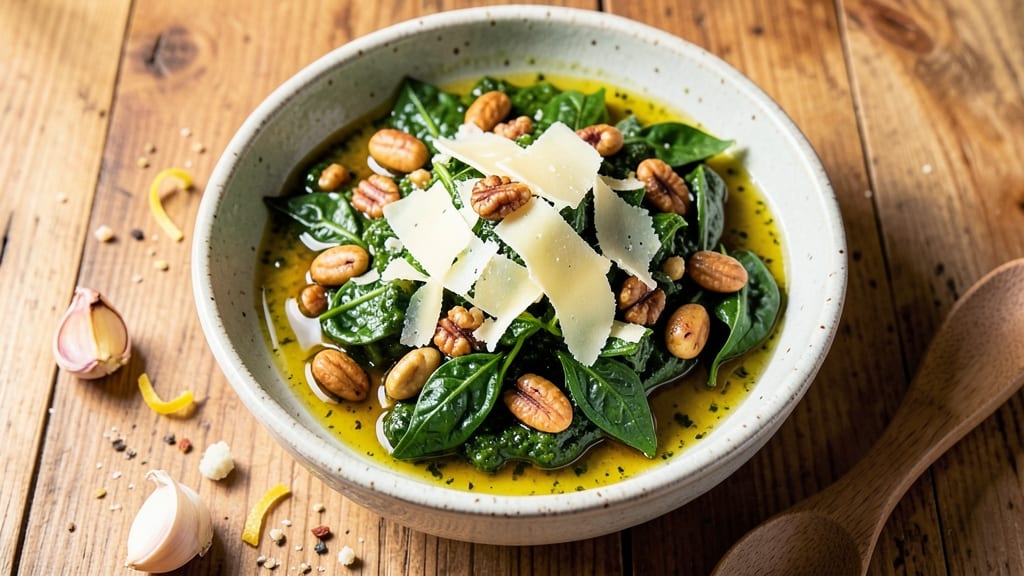
This basil pesto salad dressing recipe transforms fresh herbs into a vibrant, creamy sauce that elevates every salad from ordinary to extraordinary. The secret lies in blending bright basil, garlic, and Parmesan with olive oil until perfectly emulsified—no blender required.
I developed this version after realizing how quickly store-bought dressings lose their freshness and flavor.
What sets this dressing apart is its balanced texture: thick enough to coat greens generously yet light enough to let ingredients shine. The garlic and lemon brighten the richness of the olive oil, while Parmesan adds depth without overpowering.
For a vegetarian twist, swap the cheese for nutritional yeast or skip it entirely—both work beautifully. This dressing comes together in just 5 minutes, making it perfect for last-minute meals.
The result is a dressing that clings to lettuce, tomatoes, and grilled vegetables while adding layers of herby, tangy flavor. It's versatile enough for summer salads, pasta dishes, or as a dip for crusty bread.
The fresh basil ensures each batch tastes vibrant, not shelf-stale. Best of all, it keeps in the fridge for up to a week, ready to transform any meal.
Whether you're prepping for a picnic or a weeknight dinner, this dressing delivers restaurant-quality flavor with minimal effort. The key is using fresh basil and letting the ingredients meld for at least 10 minutes before serving—patience pays off in bold, bright flavor. Let's get started!
Ingredients for basil pesto salad dressing
Fresh basil, garlic, and Parmesan blend into this vibrant dressing for restaurant-quality flavor in minutes.
| Ingredient | Amount | Notes |
|---|---|---|
| Fresh Basil Leaves 🌿 | 2 ½ cups | Packed, stems removed, vibrant green |
| Extra-Virgin Olive Oil 🫒 | ¾ cup | High-quality, fruity variety preferred |
| Parmesan Cheese 🧀 | ½ cup | Freshly grated, vegetarian rennet |
| Garlic Cloves 🧄 | 3 cloves | Peeled, roughly chopped for bold flavor |
| Lemon Juice 🍋 | 1 ½ tbsp | Freshly squeezed, seeds removed |
| Sea Salt 🧂 | ½ tsp | Fine grain preferred for balance |
| Black Pepper 🌶️ | ¼ tsp | Freshly ground for subtle heat |
| Pine Nuts 🥜 | ¼ cup | Toasted lightly for nutty richness |
The basil is non-negotiable—look for bright green leaves with no wilting at Whole Foods or your local farmers market. If fresh basil isn't available, dried basil at half the amount works in a pinch, though texture suffers. For the Parmesan, grate it yourself from a block—pre-shredded contains anti-caking agents that ruin the texture. The olive oil should be extra-virgin with noticeable peppery bite; California Olive Ranch or Colavita are reliable brands. Pine nuts can be pricey, but toasting them in a dry pan for 2 minutes intensifies their flavor dramatically.
No pine nuts? Walnuts or cashews work beautifully—just toast them first. Short on basil? Substitute half with fresh parsley for a milder, slightly sweeter profile. The dressing stays vegetarian-friendly even without cheese—nutritional yeast adds umami at a 1:1 ratio. For extra richness, mix in 1 tbsp tahini; for tang, increase lemon to 2 tbsp. The garlic can be roasted (wrap whole cloves in foil, bake at 400°F for 10 minutes) for a sweeter, mellower flavor that pairs perfectly with summer vegetables.
Store in an airtight container with a thin layer of olive oil on top to preserve color and freshness. Keeps for 5-7 days in the fridge, though flavor peaks within the first 3 days. For longer storage, freeze in ice cube trays with a splash of water—thaw overnight in the fridge. The dressing thickens when chilled, so stir in 1 tsp water before using if it seems too stiff. Portion into small jars for easy grab-and-go dressing throughout the week.
Why You'll Love This Recipe
- Here’s what sold me: I can make a big batch, store it in the fridge for up to a week, and still have something delicious to throw on salads or sandwiches. Plus, if I forget to use it all, I just freeze it in ice cube trays. Thaw, shake, and—voilà—instant flavor boost.
- Five-Ingredient Magic: I swear, this is the kind of dressing where you just toss everything in a food processor and boom—flavor explosion. No fancy techniques, no measuring cups that stress me out. Just basil, olive oil, cheese, garlic, and lemon. That’s it. Even if I’m distracted, it still comes out brilliant.
- Bright and Bold: The lemon juice cuts through the richness of the olive oil and Parmesan, while the garlic adds this punch—like a fresh, herby hug for your taste buds. Honestly, it’s the kind of dressing that makes me want to eat salad every day, no guilt.
- Pantry Staple Power: Between us, this dressing is my secret weapon for lazy nights and fancy dinners. Drizzle it on pasta, toss it with grilled chicken, or even mix it into soups. I’ve even used it to jazz up scrambled eggs—yes, really. The ingredients are cheap, and the results? Always impressive.
Step-by-step instructions for basil pesto salad dressing
Here's how to make vibrant, restaurant-quality basil pesto in minutes.
Toast the Pine Nuts
Heat a dry skillet over medium-low heat. Add the 0.25 cup pine nuts and toast for 3-4 minutes, stirring constantly. You'll see them turn from pale to a rich golden color—this releases their nutty oils and prevents burning. Remove immediately when they're fragrant and just beginning to brown. Let them cool slightly before proceeding.
This step is crucial—untosted pine nuts will make your pesto taste bland and watery. If you don't have a skillet, you can toast them directly in a small bowl over a candle flame, but watch closely to avoid burning. Once cooled, transfer them to a food processor or blender.
Process the Herbs and Aromatics
Add the 2.5 cups fresh basil leaves, 3 cloves garlic, and 0.5 tsp sea salt to the food processor. Pulse a few times just to chop the basil and garlic into small pieces—you want to break down the leaves but not puree them completely. This creates texture that prevents the dressing from becoming too thick.
I like to pulse until the mixture looks like finely chopped herbs rather than a paste. This ensures the basil's bright green color remains vibrant in your dressing. If using a blender, pulse in short bursts to avoid over-processing.
Add Cheese and Process Until Smooth
With the processor running, slowly drizzle in the 0.75 cup extra-virgin olive oil while scraping down the sides as needed. Add the 0.5 cup freshly grated Parmesan cheese and process until completely smooth, about 30-45 seconds. The mixture should look like thick, vibrant green mayonnaise.
This is where the magic happens—the olive oil emulsifies with the cheese and herbs to create that signature creamy texture. If it looks too thick, add 1-2 tablespoons of water to loosen it. The dressing should coat the back of a spoon smoothly but still hold its shape.
Finish with Lemon and Seasoning
Transfer the pesto to a bowl and stir in the 1.5 tablespoons lemon juice and 0.25 teaspoon black pepper. Taste immediately and adjust seasoning—you may need a pinch more salt or lemon to balance the flavors. The dressing should be bright, tangy, and herbaceous with a subtle nutty richness from the pine nuts.
For best results, use immediately. If storing, cover the surface with a thin layer of olive oil to prevent browning. This dressing keeps for up to 5 days in the refrigerator but tastes freshest when used within 24 hours. The lemon juice helps preserve the vibrant green color longer than you'd expect.
Pro Tips For Making Basil Pesto Salad Dressing
- STACK THE CHEESE FIRST: Toss the grated Parmesan into the mortar or food processor before adding basil and garlic—it keeps the cheese from clumping into a paste. I learned this the hard way when my first batch turned into a sad, lumpy mess that wouldn’t emulsify.
- PULSE THE GARLIC: Hit the garlic cloves with the flat side of your knife before mincing—it softens them just enough to prevent that bitter, almond-like aftertaste. Or, if using a food processor, pulse the garlic first in batches until it’s a fine paste, not a chunky mess.
- SALT THE BASIL: Sprinkle a pinch of flaky salt over the basil leaves before blending—it draws out moisture, making the pesto brighter and more vibrant. Sounds weird, but it works: the salt dissolves into the olive oil, giving you a smoother, more cohesive dressing.
- LEMON JUICE LAST: Add the lemon juice after the pesto has emulsified—otherwise, it’ll break the oil and leave you with a watery, separated dressing. A splash of cold water (1 tsp) right before blending can also help if the mixture feels too thick.
Flavor customization for these flavors
Herb Swap Ideas
Trade basil for cilantro (about 1.5 cups) for a zesty lime-infused dressing—perfect for Mexican-inspired salads. Or use flat-leaf parsley (2 cups) for a milder, slightly sweeter profile that pairs beautifully with roasted vegetables.
For a bold twist, mix ½ cup basil with 1 cup arugula—the peppery arugula balances the richness. 🌿
Nutty Variations
Swap pine nuts for walnuts (toasted) for an earthier, more robust flavor—use the same 0.25 cup amount. For a budget-friendly option, try cashews (soaked in hot water for 10 minutes first) or pecans (toasted until fragrant). I love toasted almonds for a subtler nutty depth that won’t overpower the herbs.
Cheese Alternatives
Skip the Parmesan for a vegan version by using 0.5 cup nutritional yeast—it adds a cheesy umami without dairy. For a tangy kick, mix 2 tbsp Dijon mustard with the herbs.
Or try feta crumbles (0.25 cup) for a briny contrast that works beautifully with Greek salads. Always taste as you go!
Texture Tweaks
For a chunkier texture, pulse the herbs less and stir in whole toasted nuts at the end. For a smoother dressing, blend longer or strain through a fine-mesh sieve.
I often add 1 tbsp tahini for extra creaminess—it also adds a subtle sesame note that complements the basil beautifully. 💫
Flavor Boosters
Add 1 tsp honey to balance acidity or ½ tsp smoked paprika for depth. For heat, stir in ½ tsp red pepper flakes or a pinch of chili flakes.
A splash of white wine (1 tbsp) brightens the dressing, while a roasted garlic clove (instead of raw) adds sweetness. Experiment to match your taste!
Nutrition facts
Frequently asked questions
Can I make this dressing without a food processor?
For a 5-minute no-blender version, finely chop the basil, garlic, and nuts by hand, then mix everything in a bowl. Use a fork to crush the basil leaves and garlic into small pieces. Gradually whisk in the olive oil until fully emulsified—this takes about 3-5 minutes of steady whisking. The texture will be slightly chunkier but still delicious.
How do I prevent my dressing from separating?
Separation happens when oil and water-based ingredients don't emulsify properly. To fix it, whisk in 1 teaspoon Dijon mustard or 1 tablespoon water and stir vigorously. For prevention, always add the olive oil very slowly while blending or whisking. If it separates later, just whisk it back together before using. The lemon juice also helps stabilize the emulsion.
What's the best way to store leftovers?
Transfer to an airtight container and press plastic wrap directly on the surface to minimize air exposure. For extra freshness, add a thin layer of olive oil on top before sealing. Store in the fridge for up to 5-7 days. If you notice the basil turning brown, it's still safe but may lose some vibrancy. For longer storage, freeze in 1-tablespoon portions in ice cube trays with water—thaw overnight in the fridge.
Can I use this dressing on non-salad dishes?
This versatile dressing works beautifully on pasta, grilled chicken, roasted vegetables, and even as a dip for crusty bread or fresh mozzarella. For pasta, toss with al dente linguine and add cherry tomatoes for a quick summer meal. The dressing also elevates caprese salads or grain bowls with a fresh herb kick. Just adjust the amount—about 2 tablespoons per serving works well.
Why does my dressing taste bitter?
Bitterness usually comes from overcooked garlic or wilted basil. Use fresh, vibrant basil and toast the nuts lightly (don't burn them). If the garlic tastes bitter, try roasting it first (wrap whole cloves in foil and bake at 400°F for 10 minutes before using). Also, balance the flavor with a splash of lemon juice or a pinch of sugar if needed. Taste as you go!