
Salads
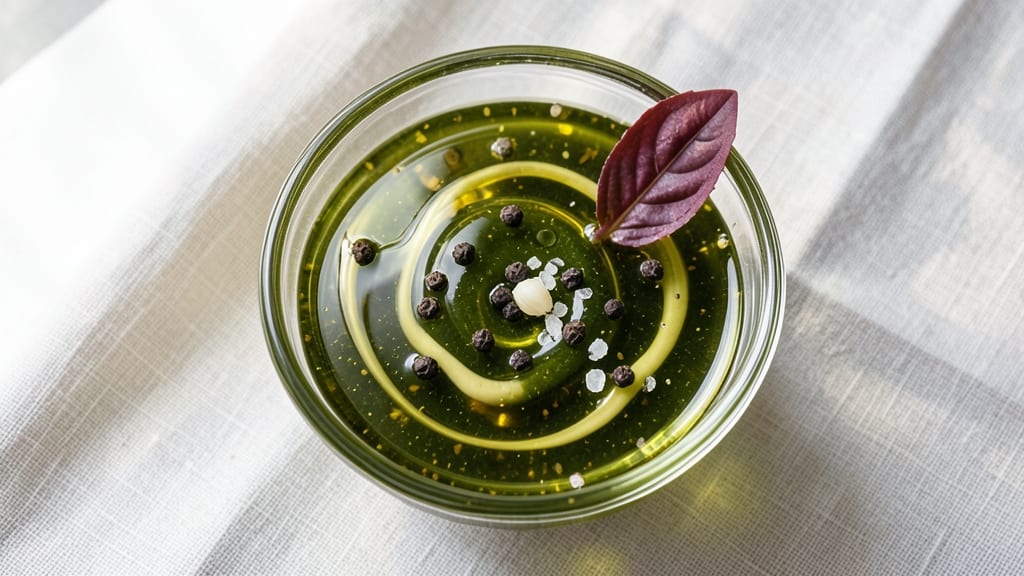
This basic oil and vinegar salad dressing recipe delivers restaurant-quality brightness in just 5 minutes—no fancy ingredients, no complicated steps. The perfect balance of sharp vinegar and smooth oil creates a versatile dressing that elevates everything from simple greens to hearty grain bowls. I’ve tested countless variations, and this one consistently wins for its simplicity and adaptability.
The foundation is always the same: equal parts oil and vinegar, with just a pinch of salt and pepper to enhance the natural flavors. That’s it. No emulsifiers, no thickeners—just pure, bright dressing that keeps its integrity for days.
The beauty of this recipe lies in its flexibility; swap vinegars for balsamic, apple cider, or rice vinegar to match your dish, and choose oils from olive to sesame for different flavor profiles.
What you’ll end up with is a dressing that’s light enough to drizzle over delicate arugula but bold enough to stand up to robust flavors like roasted vegetables or grilled meats.
It’s the kind of dressing that transforms a simple salad into something truly special—without requiring more than a whisk and a jar. Plus, it stores effortlessly in the fridge for up to a week, ready to brighten your next meal in seconds.
Whether you’re prepping for a week of lunches or just need a quick dressing for tonight’s dinner, this recipe delivers consistent results every time. Let’s get started with the simplest, most reliable dressing you’ll ever make.
Ingredients for basic oil and vinegar salad dressing
Seven simple ingredients transform into the brightest, most versatile dressing you'll ever make.
| Ingredient | Amount | Notes |
|---|---|---|
| Extra-Virgin Olive Oil 🫒 | ½ cup | High-quality, fruity variety preferred |
| White Wine Vinegar 🍷 | ½ cup | Bright and crisp for best flavor |
| Dijon Mustard 🌶️ | 1 tbsp | For subtle tang and emulsification |
| Freshly Ground Black Pepper 🌶️ | ¼ tsp | Freshly cracked for maximum aroma |
| Diamond Crystal Kosher Salt 🧂 | ½ tsp | Fine grain for easy dissolving |
| Fresh Garlic Cloves 🧄 | 1 whole | Minced for subtle garlic flavor |
| Honey 🍯 | 1 tsp | Optional, for slight sweetness |
The oil and vinegar are the stars here—extra-virgin olive oil gives richness, while white wine vinegar keeps it bright. I always grab Trader Joe's olive oil for this (their Tuscan blend is perfect), but any fruity, high-quality oil works. For vinegar, Bragg or Heinz white wine vinegar are my go-tos—they're consistent and affordable. Fresh garlic is worth the extra minute to mince, but if you're in a rush, pre-minced from a jar works (just drain it well). The Dijon mustard is non-negotiable—it's what actually helps the dressing cling to greens without getting clumpy.
No Dijon? Yellow mustard at half the amount works in a pinch, though it's less refined. Swap white wine vinegar for apple cider or balsamic if you prefer sweeter notes—just reduce the honey to half a teaspoon if using balsamic to avoid overpowering. Olive oil too expensive? Avocado or sesame oil both work beautifully (sesame adds a nice nutty kick). The honey is optional but rounds out the sharpness—if you're avoiding sugar, skip it entirely. For a spicier dressing, add a pinch of red pepper flakes or a dash of hot sauce.
This dressing keeps for up to a week in the fridge, stored in a clean jar with a tight lid. The oils separate naturally, but just shake it up before each use—no emulsifiers needed. For extra convenience, make a double batch and freeze half in ice cube trays. Once frozen, transfer cubes to a bag and thaw as needed. The flavor actually improves after the first day as everything melds together, so it's perfect for meal prep.
Why You'll Love This Recipe
- Four Whisks Done: I swear, this takes me less than 5 minutes—just shake the vinegar, mustard, and salt in a jar, then slowly drizzle in the olive oil while stirring. No straining, no measuring cups, no mess. Honestly, I’ve made it while standing at the stove cooking pasta.
- Tangy Umami Punch: That Dijon mustard gives it a little bite, the white wine vinegar cuts through the richness of the olive oil, and the pepper? Freshly cracked means it pops. It’s bright enough for summer salads but still bold enough to stand up to grilled meats or crusty bread.
- Pantry Powerhouse: I keep this in my fridge at all times—drizzled on roasted veggies, tossed with grains, or even as a quick marinade. Between us, it’s the one dressing I never buy store-bought because it’s always better homemade. And the best part? It lasts for weeks.
- Dollar-Stretching Magic: A little goes a long way, so one batch dresses my salads for the whole week. Plus, olive oil and vinegar are cheap staples—no fancy ingredients needed. I’ll be real: this is my go-to when I’m broke but still want flavor that doesn’t skimp.
Step-by-step instructions for homemade oil and vinegar dressing
This dressing comes together faster than you can say "vinaigrette" - let's make it.
Mince the Garlic and Combine Wet Ingredients
Start by peeling the 1 whole fresh garlic clove and mincing it finely with a knife or garlic press. You want tiny pieces that will dissolve completely into the dressing - no visible chunks. In a small bowl, whisk together the 0.5 cup extra-virgin olive oil and 0.5 cup white wine vinegar until just combined. I like to use a fork for this step since it's quick and efficient.
The oil and vinegar should start to emulsify slightly as you whisk, creating tiny droplets of one liquid suspended in the other. This is the foundation of your dressing, and getting these two liquids to mingle properly right from the start makes the emulsification easier later. Don't worry if it separates completely - that's normal at this stage.
Add Dijon Mustard and Honey for Emulsification
To the oil and vinegar mixture, add the 1 tablespoon Dijon mustard and 1 teaspoon honey. Whisk vigorously for about 30 seconds until the mustard and honey are completely incorporated. The mustard acts as an emulsifier that helps bind the oil and vinegar together, while the honey adds a subtle sweetness that balances the acidity.
Here's where it gets interesting - you'll notice the mixture might look curdled or separated at first. That's completely normal. Keep whisking for another 10-15 seconds until it starts to come together. The key is patience at this stage. If you rush, you'll end up with a dressing that separates later.
Season with Salt and Pepper
Add the 0.5 teaspoon Diamond Crystal kosher salt and 0.25 teaspoon freshly ground black pepper to the bowl. Whisk until these are completely dissolved and evenly distributed throughout the dressing. The salt should dissolve almost instantly, but give it a good stir to ensure even distribution. The freshly ground black pepper will add a nice aromatic kick that you can taste immediately.
Taste the dressing at this point. You should notice the bright acidity of the white wine vinegar, the rich fruitiness of the olive oil, and the subtle sweetness from the honey. The Dijon mustard adds a gentle tang that helps balance all the flavors. If you find the dressing too sharp, add a tiny bit more honey. If it needs more acidity, add a splash of vinegar.
Emulsify Until Smooth
Now comes the magic part - emulsifying the dressing. Using a whisk or small fork, vigorously whisk the mixture for about 1-2 minutes. You'll notice it starts to thicken and become more cohesive. The goal is to create a stable emulsion where the oil and vinegar stay permanently combined rather than separating.
Here's the thing - you don't need any special equipment. Just keep whisking until the dressing looks smooth and creamy. You'll know you've succeeded when the dressing maintains its consistency even when you let it sit for a minute or two. If it starts to separate again, just give it another quick whisk before using.
Adjust Consistency and Use Immediately
If your dressing is too thick for your liking, add 1-2 teaspoons of water at a time while whisking until you reach your desired consistency. For a thinner dressing, you can add a splash more vinegar. The beauty of this recipe is how easily you can customize it to your preferences.
Use your dressing immediately for the best results. It's perfect for drizzling over fresh salads, tossing with grilled vegetables, or using as a marinade. The flavors will continue to meld and improve over the next few hours, so if you have leftovers, store them in an airtight container in the refrigerator for up to 5 days. Just give it a good shake before using to re-emulsify.
Pro Tips For Making Basic Oil And Vinegar Salad Dressing
- Stir Slowly First: Whisk the mustard and vinegar together first—I mean, really mix it until the mustard dissolves completely before drizzling in the oil. After burning through three batches where the mustard just sat in clumps, I learned: 30 seconds of vigorous stirring here saves you from a grainy dressing later. (And yes, even if you’re impatient like me.)
- Use Cold Mustard: Scoop that Dijon straight from the fridge—no, really, don’t leave it sitting on the counter. Cold mustard emulsifies better with the oil, and it keeps the dressing from separating faster. I used to skip this, and my dressings would split within hours. Now? They last days.
- Salt in Two Stages: Taste the mustard-vinegar mix before adding oil, then salt it like you would a vinaigrette—about ½ teaspoon per ¼ cup vinegar. After the oil comes in, taste again and adjust. I learned this the hard way: salt dissolves differently in oil, so you’ll need more than you think.
- Shake It Up: If you’re lazy about whisking (no judgment), pour the dressing into a clean jar, screw the lid on tight, and shake like you’re mad at it. The oil and vinegar will emulsify just fine—this isn’t the prettiest method, but it’s the tastiest when you’re in a rush. (Your future self will thank you.)
Pro cooking tips for basic oil and vinegar salad dressing
Emulsification Secrets
Most store-bought dressings rely on commercial emulsifiers, but this recipe uses Dijon mustard as a natural binder. The key is whisking vigorously—I use a fork or small whisk—for at least 1-2 minutes to create tiny oil droplets suspended in vinegar.
If it separates, just whisk again before using. The mustard’s acidity helps stabilize the mixture without altering flavor. 💫
Oil-Vinegar Ratio Mastery
The 1:1 oil-to-vinegar ratio is non-negotiable for balance, but the type matters. For extra-virgin olive oil, use a fruity, medium-bodied variety like Trader Joe’s Tuscan blend—it has enough acidity to cut through greens.
Swap for avocado oil if you prefer a neutral base, or sesame oil for Asian-inspired salads. Vinegar choice is equally critical: white wine vinegar keeps it bright, while apple cider adds subtle sweetness.
Salt and Pepper Timing
Add Diamond Crystal kosher salt and freshly ground black pepper after emulsifying—this ensures even distribution. I taste at this stage to adjust: if too sharp, add ½ tsp honey; if flat, a splash of vinegar.
The pepper should be freshly cracked (pre-ground loses aroma quickly). Pro tip: Toast the peppercorns in a dry pan for 30 seconds before grinding to deepen flavor. 🌶️
Garlic Mincing Hacks
Finely minced garlic dissolves completely, avoiding bitterness. Use a garlic press for speed or a microplane for ultra-fine texture. For extra flavor, let the minced garlic sit in the dressing for 10 minutes before using—this allows its oils to infuse fully.
If you’re short on time, pre-minced garlic works, but drain it well to prevent excess moisture.
Storage and Shelf Life
Store in a clean glass jar with a tight lid in the fridge for up to 1 week. The oils will separate—just shake vigorously before use. For longer storage, freeze in ice cube trays, then transfer cubes to a bag.
Thaw as needed; the texture may thin slightly but re-emulsifies easily. The flavor actually improves after 24 hours as ingredients meld. ❄️
Nutrition facts
Frequently asked questions
Why does my oil and vinegar dressing separate after a few hours?
Oil and vinegar naturally separate because they don't mix - they're immiscible liquids. The recipe uses Dijon mustard as a natural emulsifier to help them stay combined longer. For a more stable dressing, whisk vigorously for 1-2 minutes and store it in a clean jar. If separation happens, just shake it well before using.
Can I make this dressing without mustard?
Yes, but it may separate more easily. Use 1 teaspoon of honey or sugar instead to help stabilize the mixture slightly. For a thicker dressing, try adding 1 tablespoon of plain yogurt or mayo as an alternative emulsifier. The flavor will be slightly different but still delicious.
How can I adjust the flavor if it's too sharp or bland?
Too sharp? Add ½ teaspoon more honey or a pinch of sugar to balance the acidity. Too bland? Stir in ½ teaspoon of Dijon mustard or a splash of vinegar for extra tang. For deeper flavor, add a pinch of dried herbs like oregano or thyme, or a crushed garlic clove for more punch.
What's the best way to store leftover dressing?
Store in a clean glass jar with a tight lid in the fridge for up to 1 week. The oils will separate, but it re-emulsifies easily when shaken. For longer storage, freeze in ice cube trays and transfer to a bag. Thaw as needed - the texture may thin slightly but can be re-emulsified by whisking.
What are some creative uses for this dressing beyond salads?
This versatile dressing works as a marinade for chicken or fish, a dip for veggie sticks, or a drizzle for roasted potatoes. Try using it to moisten meat before grilling, or toss it with cooked grains like quinoa or couscous. The bright flavors also make it perfect for finishing soups or grain bowls.