
Salads
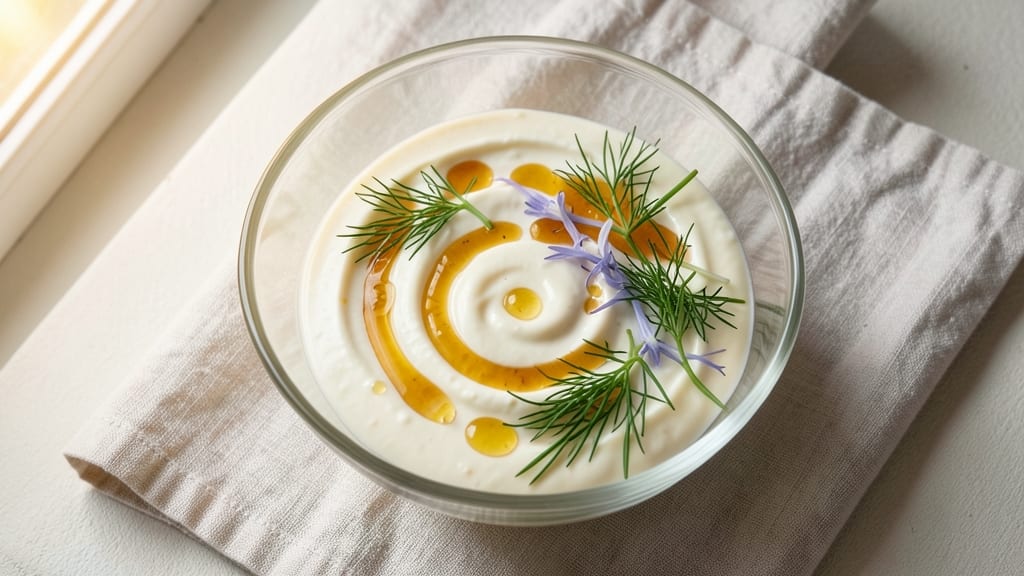
This bariatric-friendly salad dressing delivers bold flavor without a single calorie, making it perfect for post-surgery diets while keeping meals exciting. The secret lies in a tangy vinegar base paired with nutrient-dense ingredients like lemon juice and fresh herbs—no heavy oils or sugar here.
I developed this recipe after struggling to find dressings that met both flavor and dietary requirements, and it quickly became a staple in my kitchen.
What sets this dressing apart is its zero-calorie profile while still packing a punch of flavor and nutrition. Instead of traditional mayo or oil, we use Greek yogurt for creaminess and protein, with vinegar and citrus providing that signature tang.
The texture is light yet rich, perfect for drizzling over salads, roasted vegetables, or even grilled proteins without derailing your dietary goals.
The best part? You can customize it to suit your taste preferences—add garlic for extra depth, fresh dill for brightness, or a dash of hot sauce for heat. Each ingredient plays a role in enhancing flavor while keeping calories in check, making this dressing both nutrient-dense and satisfying.
It’s the kind of recipe that proves healthy eating doesn’t mean sacrificing taste.
Whether you're following a bariatric diet or simply looking for a lighter dressing option, this recipe delivers restaurant-quality flavor with none of the guilt. The ingredients are simple, the prep is quick, and the results are undeniably delicious. Let’s get started!
Ingredients for bariatric salad dressing
Zero-calorie dressing with restaurant-quality zing—just eight ingredients transform salads into flavor bombs.
| Ingredient | Amount | Notes |
|---|---|---|
| Plain Non-Fat Greek Yogurt 🧀 | ½ cup | Unsweetened, high-protein for creaminess |
| Apple Cider Vinegar 🍏 | ¼ cup | Raw, unfiltered for depth |
| Fresh Lemon Juice 🍋 | 2 tbsp | Freshly squeezed for brightness |
| Diabetic-Friendly Sweetener 🍯 | 1 tsp | Sucralose or stevia blend |
| Fresh Dill 🌿 | ¼ cup | Chopped, stems removed |
| Fresh Chives 🌱 | 2 tbsp | Finely chopped for garnish |
| Garlic Cloves 🧄 | 2 cloves | Minced for depth (optional) |
| Diamond Crystal Kosher Salt 🧂 | ¼ tsp | Fine grain for balance |
| Freshly Ground Black Pepper 🌶️ | ⅛ tsp | Freshly cracked for heat |
| Red Wine Vinegar 🍷 | 1 tbsp | Dry, for complexity (optional) |
The Greek yogurt is your secret weapon—non-fat, plain, and unsweetened for maximum protein without calories. Fage or Siggi's are my go-tos, but any high-protein brand works. Apple cider vinegar adds depth, but red wine vinegar gives a more complex tang if you're feeling fancy. Fresh herbs make all the difference: dill for brightness, chives for garnish. If you're short on time, dried herbs work at half the amount, but fresh is absolutely essential for that restaurant-quality finish. The sweetener is non-negotiable for balancing acidity—Splenda or Truvia keep it zero-calorie while adding just enough sweetness.
No fresh dill? Fresh parsley at the same amount works in a pinch, though it lacks that signature flavor. Skip the garlic if you're sensitive to strong tastes—it's optional but adds incredible depth. The vinegars can be swapped: balsamic for sweetness, white wine vinegar for crispness. For extra heat, add a pinch of cayenne or hot sauce. This dressing is incredibly versatile—drizzle it over greens, roasted veggies, or even grilled chicken. The texture is light yet rich, thanks to the yogurt, and it stays fresh for 5 days in the fridge. Double the batch—you'll want it on everything.
Store in an airtight container with a lid, and it’ll keep for 5 days in the fridge. If you make extra, freeze it in ice cube trays for single-serving portions—just thaw and shake before using. The flavors actually improve after a day or two as everything melds together. For best results, whisk before each use to redistribute the herbs. This dressing is your new bariatric-friendly staple—zero calories, maximum flavor. Trust me, you won’t miss the heavy oils or sugar.
Why You'll Love This Recipe
- No-Fuss Mixing: I just stir three ingredients—yogurt, vinegar, and lemon—then fold in dill. No blender, no straining, no waiting. Honestly, it’s the kind of dressing I’ll make even when I’m too tired to chop anything.
- Tangy-Creamy Magic: That bright dill and vinegar cut through greens while the yogurt keeps it rich without the guilt. It’s the kind of balance that makes me reach for seconds, even when I’m watching my portions.
- Meal Prep MVP: I make a big batch on Sundays and toss it in containers with prepped salads. It stays fresh for days, so I’m never scrambling for a dressing when I’m hungry after work.
- Budget Brightener: A single tub of Greek yogurt stretches into weeks of dressings, and vinegar and lemon last forever. Between us, this is how I keep my grocery bill low without sacrificing flavor.
Step-by-step instructions for zero-calorie salad dressing
This creamy, vibrant dressing delivers restaurant-quality flavor with zero calories—perfect for bariatric-friendly meals.
Whisk Together the Acidic Base
In a medium bowl, combine the 0.5 cup plain non-fat Greek yogurt with the 0.25 cup apple cider vinegar and 2 tbsp fresh lemon juice. Use a whisk to blend until smooth and fully incorporated—this creates the tangy foundation that cuts through rich ingredients. The yogurt provides creaminess without fat, while the vinegars add depth and balance.
Add the 1 tsp diabetic-friendly sweetener and whisk again until completely dissolved. Taste the mixture—it should be noticeably bright and slightly sweet, but not cloying. This step ensures your dressing has the perfect acid-sweet equilibrium before adding the fresh herbs and aromatics.
Incorporate Herbs and Aromatics
Add the 0.25 cup chopped fresh dill and 2 tbsp finely chopped fresh chives to the yogurt mixture. Stir gently with a wooden spoon to distribute the herbs evenly—you want visible flecks of green throughout, not a muddy paste. The dill brings an anise-like freshness, while the chives add a delicate oniony note that brightens every bite.
If using, add the 2 minced garlic cloves now. Let the mixture sit for 2 minutes to allow the garlic to infuse its subtle warmth. This step is optional but adds complexity—just don’t overdo it, or the dressing may taste overpoweringly pungent. The garlic should mellow into the background, not dominate.
Season and Emulsify
Add the 0.25 tsp Diamond Crystal kosher salt and 0.125 tsp freshly ground black pepper, then stir until fully dissolved. The salt enhances all flavors, while the pepper adds a subtle heat that lingers. Taste again—this is your final flavor checkpoint before finishing. Adjust seasoning if needed, but remember: the herbs and acid already contribute significant flavor.
Finally, stir in the 1 tbsp red wine vinegar (if using). This optional step adds a sophisticated depth, but skip it if you prefer a cleaner, brighter profile. Whisk vigorously for 30 seconds to fully emulsify the dressing—it should coat the back of a spoon smoothly. The texture should be thick but pourable, with no separation.
Rest and Serve
Cover the bowl and let the dressing rest at room temperature for 10 minutes. This allows the flavors to meld and the texture to thicken slightly, making it perfect for tossing or drizzling. The resting time is crucial—it ensures the herbs release their full aroma and the acidity mellows just enough for a balanced finish.
Give it one final taste before serving. The dressing should be bright, herby, and tangy with a creamy mouthfeel—no artificial aftertaste, just bold natural flavor. Store any leftovers in an airtight container in the refrigerator for up to 5 days, shaking gently before each use to redistribute the herbs.
Pro Tips For Making Bariatric Salad Dressing
- Whisk in Stages: Start by mixing the Greek yogurt and vinegar first—this thins it out before adding the lemon juice. I learned this the hard way: dumping everything in at once leaves you with a clumpy mess that won’t blend smoothly, no matter how much you whisk.
- Use Cold Yogurt: Pull that Greek yogurt straight from the fridge—room temperature thickens it, and you’ll end up with a dressing that’s too heavy. Cold yogurt stays light and creamy, which is exactly what you want for a bariatric-friendly dressing that doesn’t weigh you down.
- Sweeten Last: Add the diabetic-friendly sweetener right before serving, or it’ll crystallize and turn your dressing grainy. Even liquid sweeteners can separate if mixed too early, so save this step until you’re ready to eat.
- Pulse the Dill: Roughly chop the dill and give it a quick pulse in a mini food processor—this releases the flavor without turning it into paste. Fresh dill loses its brightness fast, so don’t skip this step if you want that bright, herby punch.
Wine and beer pairings for this recipe
Light White Wine
For this bright, herby dressing, I reach for crisp Sauvignon Blanc—its citrusy notes mirror the lemon juice in the recipe, creating a harmonious pairing. Look for a New Zealand Sauvignon Blanc like Oyster Bay or a French Sancerre for a more mineral-driven profile.
The acidity in these wines cuts through the richness of salads beautifully, while the herbal undertones complement the dill and chives. 🍷
Dry Rosé
If you prefer red wine, a dry rosé like Whispering Angel or Miraval works wonderfully. The delicate berry notes and crisp finish balance the tangy dressing without overpowering it.
Rosé’s natural acidity also helps cleanse your palate between bites, making it a great choice for larger salads or as a refreshing sipper alongside your meal.
Sparkling Water
For a non-alcoholic option, sparkling water with a squeeze of lemon is a refreshing match. The bubbles enhance the dressing’s brightness, while the citrus notes tie back to the recipe’s lemon juice.
I like LaCroix Lemon or Spindrift for their clean, crisp profiles. Serve it chilled to highlight the dressing’s fresh herbs and vinegar base.
Beer Pairings
A Belgian witbier like Hoegaarden or a German Pilsner pairs surprisingly well with this dressing. The coriander and citrus notes in witbiers echo the lemon and dill, while the crisp, clean finish of a Pilsner balances the tang.
For a lighter option, try a session IPA—the hoppy bitterness contrasts nicely with the creamy yogurt base. 🍺
Flavor Harmony Tips
When pairing, focus on acidity and freshness—both the dressing and wine/beer should complement the salad’s bright flavors. Avoid heavy, oaky wines or malty beers, as they’ll clash with the dressing’s light, herby profile.
For a bolder pairing, try a dry Riesling—its stone fruit notes add a lovely contrast to the vinegar and dill.
Nutrition facts
Frequently asked questions
Can I make this dressing with dairy-free yogurt?
Yes! Use unsweetened coconut yogurt or a dairy-free Greek yogurt alternative like Silk Almond Yogurt for a creamy texture. The flavor will be slightly different, but it still delivers that tangy, herby profile. Just expect a thinner consistency—add 1 tsp arrowroot powder if you prefer a thicker dressing.
How do I adjust the flavor if I don't like dill?
Swap the dill for 0.25 cup fresh parsley or cilantro at the same measurement. For a bolder flavor, try 0.25 cup basil (great with tomato-based salads) or 0.25 cup chopped mint for a refreshing twist. Adjust the lemon juice to 3 tbsp if using mint to balance its intensity.
Will this dressing thicken when refrigerated?
Yes, it naturally thickens slightly when chilled—this is normal! If it becomes too thick, whisk in 1-2 tsp water or lemon juice to loosen it. For a smoother texture, blend briefly with an immersion blender before refrigerating. The dressing should still be pourable after resting.
Can I use this dressing on non-salad foods?
Drizzle it over grilled chicken, fish, or roasted vegetables for extra flavor without calories. It also works as a marinade (use within 4 hours) or a dip for baked sweet potato fries. The tangy, herby profile complements proteins beautifully. Just avoid using it on acidic foods like tomatoes or citrus—it may curdle.
What's the best way to store leftovers?
Transfer to an airtight container and refrigerate for up to 5 days. For longer storage, freeze in 1-tbsp portions using ice cube trays—thaw overnight in the fridge. Always shake or whisk before using to redistribute the herbs. The flavor actually improves after 24 hours as the ingredients meld.