
Salads
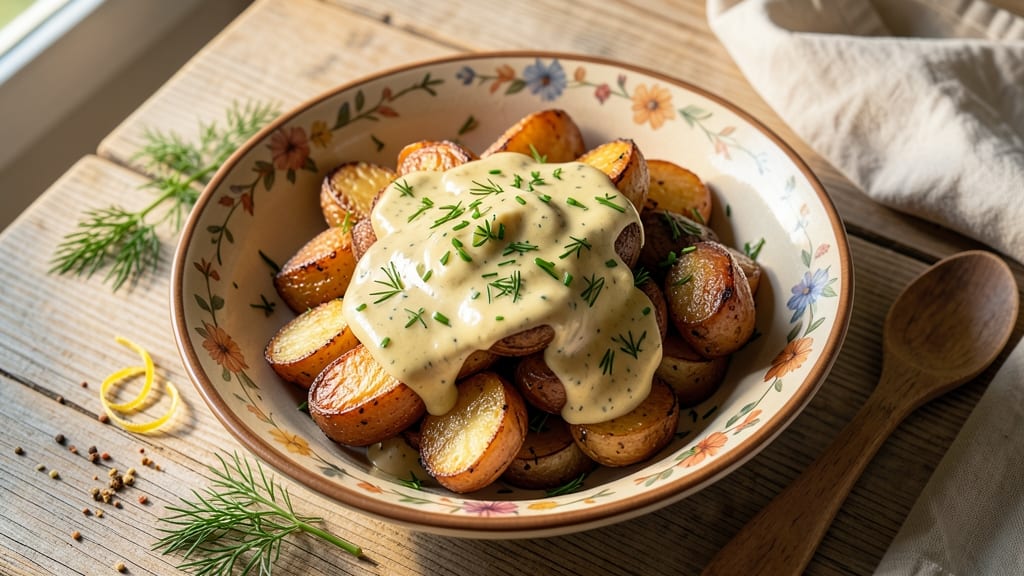
This baked German potato salad recipe delivers the perfect balance of crispy golden potato tops and a creamy, tangy mustard-vinegar heart that's become a staple at my family gatherings.
The secret lies in baking the potatoes whole until tender, then slicing them to reveal that satisfying contrast—crispy edges meeting velvety insides. My grandmother's handwritten notes mentioned this dish for Sunday dinners, though she never specified exact measurements, just "until the vinegar sings."
What makes this recipe special is how it transforms simple ingredients into something restaurant-worthy. The dressing—a classic German blend of vinegar, mustard, and herbs—cuts through the richness of the potatoes while adding depth.
I've found that baking the potatoes first creates that coveted crispy texture without frying, and the creamy dressing binds everything together beautifully. It's the kind of dish that tastes even better the next day, making it perfect for meal prep.
By the time you're done, you'll have a potato salad that's crispy on top, creamy in the middle, and packed with bright, herby flavors. The combination of textures and tastes makes it a standout side dish for holidays or weeknight dinners.
This recipe delivers on that perfect balance—just like my grandmother always did, though with a little more precision. Serve it warm or chilled, and don't be afraid to add bacon or pickles if you like extra texture. Here's how to make it happen in your kitchen!
Ingredients for baked german potato salad
Six simple ingredients transform into crispy-topped, creamy German potato salad magic.
| Ingredient | Amount | Notes |
|---|---|---|
| Russet Potatoes 🥔 | 3 lb | Medium size, unpeeled for texture |
| Yellow Mustard 🌶️ | ½ cup | Dijon preferred for depth |
| White Vinegar 🍶 | ½ cup | Apple cider vinegar works too |
| Mayonnaise 🥫 | ½ cup | Full-fat for creaminess |
| Fresh Dill 🌿 | ¼ cup | Chopped, stems removed |
| Fresh Chives 🌱 | 2 tbsp | Finely chopped for brightness |
| Granulated Sugar 🍚 | 1 tbsp | Balances tangy flavors |
| Salt 🧂 | 1 ½ tsp | Kosher or sea salt |
| Black Pepper 🌶️ | ½ tsp | Freshly ground preferred |
| Olive Oil 🫒 | 2 tbsp | For tossing baked potatoes |
| Garlic Cloves 🧄 | 2 cloves | Minced for dressing |
| Optional Bacon 🥓 | 6 oz | Cooked and crumbled |
| Optional Pickles 🥒 | ½ cup | Diced for texture |
The potatoes are the star—Russet works best for that crispy texture. Grab the medium-sized ones (about the size of a tennis ball) from the produce section—they're consistent and bake evenly. If you're short on time, pre-cut frozen potatoes (like those from Trader Joe's) save 30 minutes of peeling. Just don't skip scrubbing them clean first—dirt turns to grit in the oven. My grandmother always said "good potatoes make good salad," and she wasn't wrong. Look for firm ones with no sprouts or soft spots—those are the ones that'll hold their shape through baking.
No Dijon mustard? Regular yellow plus a pinch of sugar mimics that depth. Vinegar too sharp? Apple cider vinegar softens the bite. The herbs can be swapped—parsley at half the amount works if you're out of dill, but trust me on the fresh dill for that classic German flavor. For the bacon, thick-cut from Costco gives the best texture (crispy edges, tender middle), but any cooked bacon will do. Pickles? The kosher dill variety from the deli section adds that perfect tangy crunch—skip them if you prefer it simpler. The dressing keeps for 5 days in the fridge, so make extra for sandwiches.
Baked potatoes keep 3 days in the fridge—reheat at 350°F for 15 minutes if making ahead. The dressing? 1 week in a sealed jar. I always make a double batch of dressing because it's used in so many other things—deviled eggs, anyone? Store the salad in layers (potatoes first, then dressing) to keep the crispy tops intact. Leftovers? Freeze the dressing separately—it thaws beautifully for next-day salads. And if you're serving a crowd, double the potatoes and dressing, but keep the ratio the same—this recipe scales perfectly.
Why You'll Love This Recipe
- No Boil, No Stress: I swear by this method—just toss whole Russets with oil, salt, and vinegar, then bake until tender. No peeling, no chopping, no mess. The vinegar cuts through the richness of the mayo while keeping those edges crispy.
- Tangy-Creamy Magic: That bright yellow mustard and sharp white vinegar cut through the richness of the mayo, while the fresh dill adds a bright, herbal lift. It’s creamy but never heavy—more like a tangy, herby hug in salad form.
- Weeknight Workhorse: This is my go-to for potlucks, picnics, or lazy Sundays. Pack it in jars for lunch, serve it cold at BBQs, or eat it straight from the pan when I’m too tired to care. Honestly, it’s the only potato salad I’ll make anymore.
- Budget-Friendly Leftovers: Russets are cheap, and this recipe stretches easily. Make a big batch, and it’ll keep for days—better than takeout, cheaper than salads from the store, and still tastes fresh. (Yes, even on a Tuesday night.)
Step-by-step instructions for baked German potato salad
This method delivers that perfect contrast—crispy potato skins and a tangy, creamy dressing that clings to every bite.
Prep and Bake the Potatoes for Crispy Tops
Preheat your oven to 425°F and line a large baking sheet with parchment paper. Scrub the 3 lb Russet Potatoes clean but leave the skins on—they'll add texture. Poke each potato all over with a fork (about 6-8 holes per potato) to let steam escape, which prevents them from exploding in the oven.
Toss the potatoes with 2 tbsp Olive Oil and 1.5 tsp Salt until evenly coated. Spread them in a single layer on the baking sheet, leaving about 1 inch between each potato. Bake for 45-50 minutes until the skins are deep golden brown and crispy, and you can easily pierce them with a fork. Real talk: don't skip the poking—it makes all the difference for even baking.
Make the Tangy Mustard-Vinegar Dressing
While the potatoes bake, whisk together 0.5 cup Yellow Mustard, 0.5 cup White Vinegar, 0.5 cup Mayonnaise, 1 tbsp Granulated Sugar, 0.5 tsp Black Pepper, and 2 cloves Garlic Cloves (minced) in a medium bowl. The sugar balances the tanginess of the vinegar, while the garlic adds depth. Taste and adjust seasoning—you want it bright and slightly sharp, not overpowering.
Stir in 0.25 cup Fresh Dill and 2 tbsp Fresh Chives (chopped). Here's the thing—fresh herbs make all the difference. If you're using dried, reduce to 1 tbsp and add it later to preserve flavor. Let the dressing sit while the potatoes finish baking—this lets the flavors meld.
Assemble the Salad for Maximum Flavor
Let the baked potatoes cool for 10 minutes before handling—they'll be scorching hot. Cut each potato into 8-10 wedges, keeping the skins intact where possible. Transfer the wedges to a large bowl and pour the dressing over them. Gently toss everything together until every wedge is coated. The skins should stay crispy, while the insides soften slightly from the dressing.
If you're using the optional ingredients, fold in 6 oz cooked and crumbled bacon and 0.5 cup diced pickles now. The bacon adds smoky richness, while the pickles cut through the creaminess. Taste again and adjust seasoning—you might need a pinch more salt or pepper, depending on your preferences.
Chill and Serve for Perfect Texture
Cover the salad and refrigerate for at least 1 hour (or up to 24 hours). Chilling lets the flavors develop and the dressing soak into the potatoes. When ready to serve, give it a final toss to redistribute the dressing and crisp up the skins again.
Serve this German potato salad at room temperature—it's best when the contrast between the crispy skins and creamy dressing is at its peak. The salad keeps well in the fridge for 3-4 days, making it perfect for meal prep. Trust me, the first bite of that crispy skin with the tangy, herby dressing is worth every step!
Pro Tips For Making Baked German Potato Salad
- PARBOIL THEN BAKE: Cut the Russets into even 1-inch chunks—no need for perfection, just consistency—and boil them in salted water for exactly 8 minutes. Drain well, then bake at 400°F (200°C) for 25-30 minutes. The parboil ensures they finish tender without turning to mush, and the high heat gives that crispy edge German potato salad needs.
- USE THE RIGHT MUSTARD: Skip the Dijon—this dish demands classic yellow mustard for that tangy, sharp kick. Mix in 2 tablespoons of the good stuff (like French’s) with the vinegar and mayo, then let it sit for 10 minutes before tossing. The flavors meld better, and the salad won’t taste like a sad lunchbox relic.
- DON’T SKIP THE CHILL: Fresh dill wilted into warm potatoes? Nope. Toss the dressing with the cooled potatoes, then refrigerate for at least 2 hours—overnight is ideal. The cold lets the flavors marry, and the dill stays bright. (Yes, even if you’re impatient like me.)
- TOAST THE DILL: Give those fresh dill sprigs a quick 30-second toast in a dry pan over medium heat right before mixing. The edges crisp slightly, adding a subtle depth that raw dill can’t match. It’s a small step, but it makes the salad taste like it came from a German grandmother’s kitchen.
Creative variations of baked german potato salad
Classic German Style
This version stays true to my grandmother's handwritten notes—no shortcuts, just the essentials. Use white wine vinegar instead of apple cider for a more traditional tang, and add 1 tsp caraway seeds (lightly toasted) to the dressing for that authentic German flavor.
Caraway might sound unusual, but it's the secret ingredient that ties everything together. Serve it warm with smoked sausages or roast pork for a true German Sunday dinner experience. 🥔
Smoky Bacon Twist
For a heartier version, swap the optional bacon for thick-cut smoked bacon and cook it until extra crispy. Crumble it directly over the warm salad so the edges stay crunchy. Add 2 tbsp smoked paprika to the dressing for a subtle smoky depth that pairs perfectly with the crispy potato skins. This version is a crowd-pleaser at summer BBQs—just
Vegan Mustard Dressing
Skip the mayo and use ½ cup vegan mayo (like Just Mayo) plus 2 tbsp olive oil to keep it creamy. For extra richness, stir in 1 tbsp nutritional yeast—it adds a cheesy, umami note that balances the tangy dressing. Use apple cider vinegar and add ½ tsp onion powder to mimic the depth of traditional mustard. This version holds up beautifully for potlucks and keeps all the crispy-topped magic. 🌱
Herb-Forward Spring Version
When spring herbs are at their peak, swap the dill for ½ cup fresh chervil and 2 tbsp chopped tarragon. Add 1 tbsp lemon zest to the dressing for brightness and a splash of dry vermouth (just 1 tsp) for complexity.
This lighter version pairs perfectly with grilled fish or as a side for Easter dinner. The herbs wilt slightly when chilled, so add them fresh just before serving. ✨
Sweet Potato Fusion
Swap Russet potatoes for 3 lb sweet potatoes and roast them at 400°F until caramelized. Make the dressing with ½ cup maple syrup instead of sugar, and add 1 tsp cinnamon to the mix.
Top with crumbled feta cheese and toasted pecans for a sweet-savory twist. This version works beautifully as a side for Thanksgiving or as a standalone dish with a drizzle of honey. 🍠
Spicy Kick Option
For heat lovers, add 1 tbsp hot honey to the dressing and fold in 2 tbsp chopped jalapeños (seeds removed). If you want it smoky-spicy, swap the jalapeños for 1 tbsp chipotle powder> mixed with 1 tbsp water.
This version pairs perfectly with grilled chicken or as a side for tacos. The heat cuts through the creaminess and makes every bite exciting. 🌶️
Nutrition facts
Frequently asked questions
Why do German potato salads have crispy tops?
Baking the potatoes whole first creates that signature crispy texture that sets this salad apart. The skins become golden and crunchy while the insides stay tender—perfect for holding the creamy dressing. My grandmother always said "crispy skins make happy eaters!"
Can I make this ahead of time?
Make the dressing up to 5 days ahead and store it separately. Bake the potatoes 1 day ahead and refrigerate—reheat at 350°F for 15 minutes before assembling. The flavors develop beautifully overnight, making it perfect for meal prep. Just toss with fresh dressing before serving.
What's the secret to the dressing not making the potatoes soggy?
The key is baking the potatoes first so they're dry inside. When you cut them into wedges, the crispy skins protect the tender centers from absorbing too much dressing. Add the dressing gradually and toss gently—just until everything's coated. The 1 hour chilling time helps the potatoes absorb flavor without getting mushy.
Is there a way to make this without mayo?
Yes! For a lighter version, replace the mayo with ½ cup Greek yogurt plus 1 tbsp olive oil. The yogurt adds creaminess while keeping it tangy. Or try ½ cup sour cream for extra richness. Both work beautifully and cut down on calories while keeping that classic texture.
How do I know when the potatoes are done baking?
They're ready when the skins are deep golden brown and crispy, and a fork slides in easily with no resistance. The internal temperature should reach 205°F. If you're unsure, cut one open—it should be perfectly tender all the way through with no hard centers.