
Salads
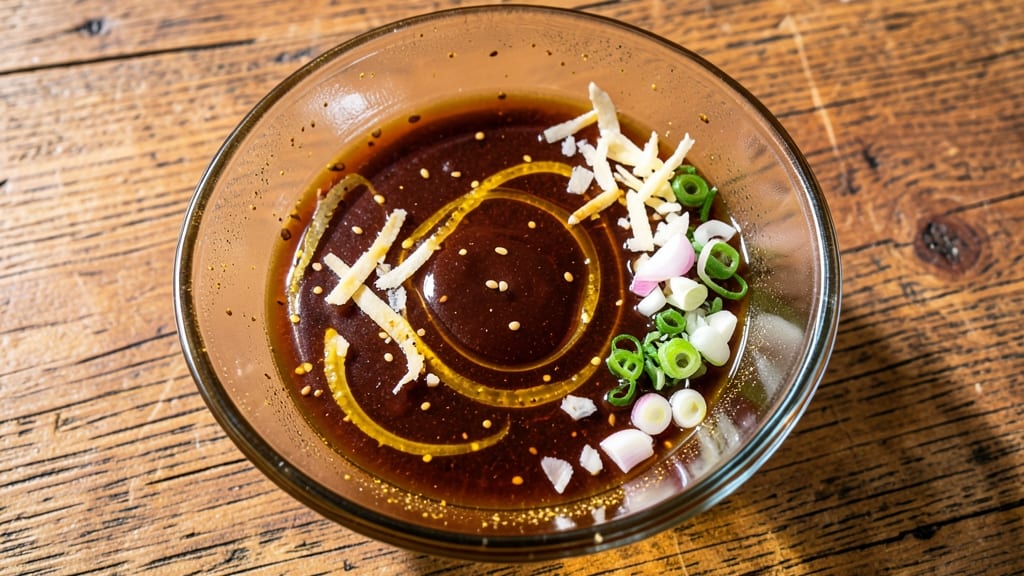
This Asian vinaigrette salad dressing recipe transforms simple ingredients into a bold, umami-rich sauce that elevates any dish. The perfect balance of sweet, spicy, and tangy flavors comes together in just minutes, with a smooth texture that clings beautifully to greens or marinates proteins effortlessly.
I developed this recipe after craving that signature Asian restaurant dressing at home—now you can recreate it with pantry staples.
The secret lies in the combination of rice vinegar and soy sauce, which form the tangy, savory base, while a touch of honey or maple syrup adds just the right sweetness. Fresh ginger and garlic bring warmth, while sesame oil delivers that signature nutty depth.
Unlike store-bought versions, this dressing stays fresh for up to a week in the fridge, making it ideal for meal prep.
What makes this dressing truly versatile is its dual-purpose nature—drizzle it over fresh greens, toss it with noodles, or use it as a marinade for chicken or tofu. The flavors deepen as it sits, so making a batch ahead ensures you’re always ready for a quick, flavorful meal.
No special equipment is needed, just a whisk and a jar for storage.
Ready in just 10 minutes, this dressing is perfect for weeknight salads, lunchboxes, or even as a finishing touch for grilled dishes. The key is balancing the ingredients precisely, so each spoonful delivers that perfect harmony of sweet, spicy, and umami.
Here’s how to make it—simple, foolproof, and restaurant-quality at home.
Ingredients for asian vinaigrette salad dressing
Nine ingredients transform into restaurant-quality dressing with just minutes of whisking.
| Ingredient | Amount | Notes |
|---|---|---|
| Rice Vinegar 🍶 | ½ cup | White or seasoned variety preferred |
| Sesame Oil 🫒 | 1 ½ tbsp | Toasted for authentic flavor |
| Low-Sodium Soy Sauce 🥢 | ¼ cup | Kikkoman preferred for balance |
| Fresh Ginger 🌿 | 1 tbsp | Finely grated, aromatic |
| Garlic Cloves 🧄 | 2 cloves | Minced, aromatic intensity |
| Honey 🍯 | 2 tbsp | Wildflower preferred for depth |
| Sesame Seeds 🌾 | 1 tbsp | Toasted, for texture and aroma |
| Sriracha 🌶️ | 1 tbsp | Adjust for heat preference |
| Toasted Sesame Oil 🫒 | ½ tbsp | For finishing, nutty aroma |
The rice vinegar and soy sauce form the dressing's soul—Kikkoman soy sauce delivers that perfect umami punch without overwhelming saltiness. For the vinegar, Mushroom or seasoned rice vinegar adds depth, but classic white works too. Fresh ginger and garlic are non-negotiable here; organic ginger from the produce section (not the jarred kind) gives the brightest flavor. Toast your sesame seeds in a dry pan for 30 seconds—they add crunch and aroma that store-bought versions miss. Trader Joe's has pre-toasted seeds if you're short on time, but toasting yourself makes all the difference.
No sesame oil? Avocado oil at half the amount works in a pinch, though it lacks that nutty depth. Substitute honey with maple syrup or agave nectar for vegan versions. Sriracha too spicy? Reduce to 0.5 tbsp and add 0.5 tbsp of honey for sweetness. The garlic can be roasted for a mellow flavor—just wrap cloves in foil and bake at 400°F for 10 minutes. For extra umami, add 1 tsp of fish sauce (if not vegetarian) or 1 tsp of coconut aminos as a substitute. The dressing thickens as it sits, so whisk again before using if it separates.
This dressing keeps beautifully for 1 week in the fridge, with flavors deepening over time. Store it in a glass jar with a tight seal—the sesame oil oxidizes if exposed to light. For meal prep, double the batch and portion into small containers. The sesame seeds can be toasted fresh each time you use it, or stored separately in an airtight container for 2 weeks. Freezing isn't recommended—the texture changes, and the oils separate. If it does thicken, just whisk in a splash of warm water to restore consistency.
Why You'll Love This Recipe
- No Pantry Panic: I keep a bottle of this in my fridge because it’s the one dressing I never have to improvise. Just rice vinegar, a splash of sesame oil, and a quick minced garlic-ginger mash—no fancy ingredients, no last-minute store runs.
- Umami Bomb: That low-sodium soy sauce and toasted sesame oil combo? It’s the kind of flavor that makes you pause mid-bite. The ginger adds a zing that cuts through greasy takeout or bland veggies—honestly, it’s the secret weapon in my salad drawer.
- Lunchbox Hero: Between us, this dressing is my go-to for packed lunches. It keeps for a week in the fridge, and I’ll mix it into cold noodles, toss it with store-bought greens, or even drizzle it over grilled chicken. No reheating, no fuss—just flavor that travels.
- Budget Magic: I use this to stretch expensive ingredients. A little goes a long way, and the ingredients cost pennies. Plus, I can double the batch and freeze half for when I’m too tired to think. (Yes, even on a Tuesday night.)
Step-by-step instructions for crafting an umami-packed Asian vinaigrette
This dressing delivers perfect harmony of sweet, spicy, and tangy—easy to make, impossible to resist.
Whisk Together the Tangy Base
In a medium bowl, combine the 0.5 cup rice vinegar, 0.25 cup low-sodium soy sauce, and 2 tablespoons honey. Use a whisk to blend vigorously for 30 seconds—this ensures the honey dissolves completely and the flavors meld. The mixture should look smooth and glossy, with no visible streaks of honey.
Here's the thing—balance is everything. The rice vinegar provides the bright acidity, while the soy sauce adds that signature umami depth. The honey rounds out the sharpness, creating a foundation that's both complex and approachable. Taste as you go: if it's too sharp, add a touch more honey; if it's too sweet, a splash of rice vinegar will bring it back.
Infuse with Aromatics and Heat
Add the 1 tablespoon finely grated fresh ginger and 2 minced garlic cloves to the vinegar mixture. Stir well to distribute the aromatics evenly. Then, drizzle in the 1.5 tablespoons sesame oil while whisking continuously. This step is where the dressing starts to develop its signature complexity—the ginger adds a warm, slightly peppery note, while the garlic contributes a bold, aromatic punch.
Next, stir in the 1 tablespoon sriracha. Start with the full amount, but be prepared to adjust based on your heat preference. The sriracha introduces a vibrant, spicy kick that cuts through the richness of the sesame oil. If you're sensitive to heat, you can reduce this to ½ tablespoon and add more later if needed. The dressing should now have a deep, reddish hue from the sriracha and a tantalizing aroma that hints at the layers of flavor to come.
Finish with Toasted Sesame Oil and Texture
Remove the bowl from the whisk and let the dressing sit for 2 minutes. This brief rest allows the flavors to fully integrate. Then, stir in the 0.5 tablespoons toasted sesame oil and 1 tablespoon toasted sesame seeds. The toasted sesame oil adds a nutty, almost buttery richness that elevates the dressing to restaurant-quality, while the sesame seeds contribute a delightful crunch and visual appeal.
Give it one final taste and adjust the seasoning if needed. If the dressing feels too thick, thin it with 1 teaspoon of warm water at a time until it reaches a pourable consistency—it should coat the back of a spoon but still flow freely. The texture should be silky, not cloying, with a subtle sheen that signals readiness. This dressing is best used immediately, but it will keep in the refrigerator for up to 5 days, though fresh is always best.
Pro Tips For Making Asian Vinaigrette Salad Dressing
- Peel Ginger Like a Pro: Use a spoon’s back to scoop off the skin in one long strip—no peeling knife required. I learned this the hard way after slicing my thumb three times in a row. For this dressing, you only need about 1 teaspoon of grated ginger, so don’t overdo it unless you’re a fan of that sharp, medicinal bite.
- Toast Sesame Seeds First: Dry-toast 1/2 teaspoon of sesame seeds in a small pan over medium-low heat for 30 seconds until fragrant. Crush them lightly with a spoon and mix into the dressing—this adds depth without overpowering. I skip this step sometimes, but the dressing tastes noticeably richer when I don’t.
- Whisk Soy Sauce Last: Add low-sodium soy sauce to the dressing just before serving—it darkens and oxidizes over time, turning your bright vinaigrette muddy. If you’re prepping ahead, keep it separate and stir it in right before tossing with salad. Trust me, your dressing will look fresher longer.
- Mince Garlic Fine: Pulse garlic in a food processor for 2-3 seconds or use a microplane for a paste—this blends better than chopped cloves and prevents graininess. I was skeptical until I tried it; now I never go back to mincing by hand for dressings. Aim for about 1 teaspoon of minced garlic for balance.
Perfect pairings for asian vinaigrette salad dressing
Salad Pairings
This dressing shines on Asian-inspired greens like baby bok choy, shiso leaves, or butter lettuce—the delicate textures contrast beautifully with its bold flavors. I love tossing it with mixed greens (spinach, arugula, romaine) and adding shredded carrots, edamame, and cucumber for crunch.
For extra depth, top with toasted almonds or crispy fried shallots. 🥗
Try it with warm noodle salads like soba or rice noodles—toss freshly cooked noodles with the dressing and sliced bell peppers, scallions, and cilantro. The dressing clings perfectly to the noodles without making them soggy. For a cold sesame noodle salad, chill the noodles first to prevent overcooking.
Protein Marinades
Use this dressing as a quick marinade for chicken, tofu, or shrimp—just coat the protein and let it sit for 15-30 minutes before cooking. I marinate boneless chicken thighs for grilling or stir-frying, and the result is juicy, flavorful meat with a sticky glaze.
For extra tenderness, add 1 teaspoon of cornstarch to the dressing before marinating.
For tofu, press and cube it first, then marinate for 30 minutes before pan-frying or baking. The dressing caramelizes beautifully on the tofu, creating a crispy exterior. For shrimp, marinate for just 10 minutes to avoid overcooking—grill or sauté until pink and opaque.
Dipping Sauces
This dressing doubles as a dipping sauce for spring rolls, dumplings, or fresh spring onions. The balance of sweet, spicy, and umami makes it irresistible with crispy wontons or egg rolls.
I like serving it in a small bowl with chopsticks for easy dipping—it’s especially great after a meal to cleanse the palate.
For a vegetarian twist, pair it with crispy tofu bites or roasted seaweed snacks. The sesame seeds add texture, while the sriracha gives a satisfying kick. Store extra dressing in a small glass jar in the fridge for quick dips all week.
Garnish Ideas
Elevate your dish with fresh garnishes like thinly sliced scallions, cilantro, or microgreens. A sprinkle of crushed peanuts adds crunch, while lime zest brightens the flavors. For a smoky touch, drizzle with a few drops of chili oil before serving. 🌿
For a luxurious finish, top with soft-boiled quail eggs or avocado slices. The creamy avocado balances the dressing’s tanginess, while the eggs add a rich, protein-packed element. These garnishes turn simple salads into restaurant-worthy meals.
Nutrition facts
Frequently asked questions
Can I make this dressing without sesame oil?
Yes, but the flavor will be different. Use 1 tbsp avocado oil or neutral oil as a substitute, but reduce to half the amount since sesame oil has a stronger flavor. For authenticity, add ½ tsp toasted sesame paste (available in Asian markets) to mimic the nutty depth.
How do I adjust the heat level?
Start with the full 1 tbsp sriracha, then taste and adjust. For milder heat, reduce to ½ tbsp and add ½ tbsp extra honey to balance. If you love spice, add ½ tsp gochujang (Korean chili paste) for deeper, smoky heat. Always taste before adding more!
Can I use this dressing as a marinade?
It works perfectly for chicken, tofu, or shrimp. Marinate proteins for 15-30 minutes (longer for tofu). For extra tenderness, add 1 tsp cornstarch to the dressing before marinating. Discard any leftover marinade that touched raw meat to prevent bacteria.
Why did my dressing separate?
This happens when oils and vinegar aren't fully emulsified. Whisk vigorously for 1-2 minutes to combine. If it still separates, add 1 tsp Dijon mustard or a pinch of xanthan gum (½ tsp) to stabilize. Store in a tightly sealed jar to prevent future separation.
What's the best way to store leftovers?
Keep in an airtight glass jar in the fridge for up to 1 week. The flavors deepen over time! For longer storage, freeze for 1 month (texture may change slightly). Always stir before using—it thickens as it sits. Toast sesame seeds fresh each time for best flavor.