
Salads
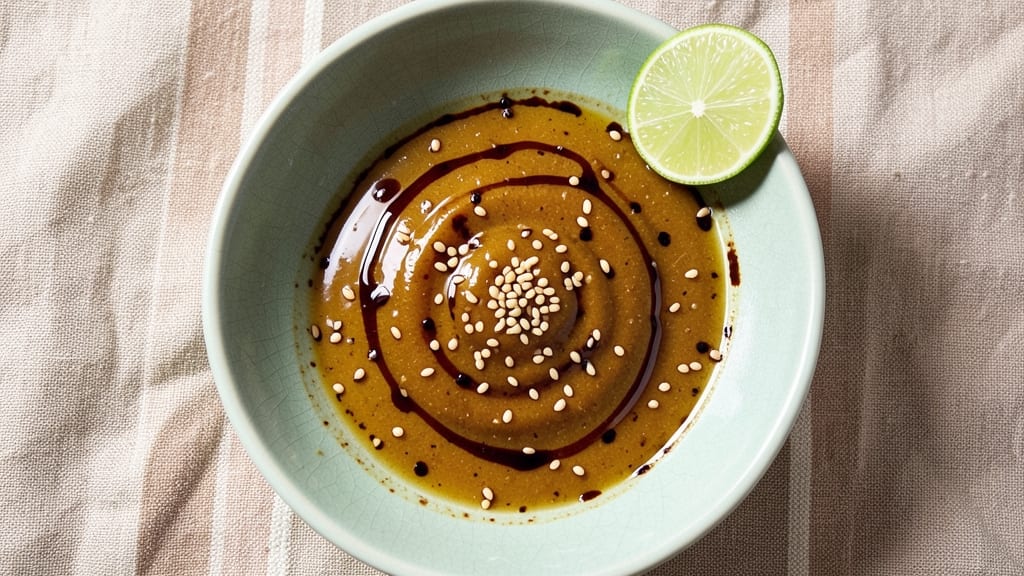
This Asian slaw salad dressing recipe delivers a perfect balance of toasted sesame warmth and bright lime zing—ideal for cutting through crisp cabbage and carrots.
The secret lies in combining toasted sesame oil with tangy rice vinegar and a touch of sweetness, creating a dressing that elevates any slaw from ordinary to extraordinary. With just 5 simple ingredients and 5 minutes of prep, you’ll have a dressing that’s restaurant-quality yet effortless to make at home.
The foundation of this dressing is a harmonious blend of umami and acidity, where soy sauce adds depth, lime juice provides freshness, and a pinch of sugar balances the flavors.
Toasted sesame oil infuses the dressing with nutty richness, while a splash of rice vinegar keeps it bright and tangy. The result is a dressing that’s versatile enough to pair with Asian-inspired slaws, grilled meats, or even noodle dishes.
What makes this dressing truly special is its ability to enhance, not overpower—the flavors meld seamlessly with the crunch of shredded cabbage, carrots, and any additional veggies. The dressing stays fresh in the refrigerator for up to 5 days, making it perfect for meal prep or batch cooking.
Whether you’re serving it at a potluck or simply brightening up your lunch, this dressing is a game-changer.
For an extra kick, add a dash of chili flakes or a drizzle of honey to customize it to your taste. The simplicity of the ingredients ensures you won’t need to hunt for specialty items, and the foolproof method guarantees consistent results every time.
Let’s get started on this flavor-packed dressing!
Ingredients for asian slaw salad dressing
Five simple ingredients blend into a dressing that transforms any slaw into a flavor explosion.
| Ingredient | Amount | Notes |
|---|---|---|
| Toasted Sesame Oil 🫒 | ½ cup | High-quality, nutty aroma |
| Rice Vinegar 🍶 | ¼ cup | Seasoned preferred for depth |
| Fresh Lime Juice 🍋 | ¼ cup | Freshly squeezed, no pulp |
| Low-Sodium Soy Sauce 🍜 | 2 tbsp | Kikkoman preferred for balance |
| Granulated Sugar 🍚 | 1 tbsp | Or light brown sugar |
| Toasted Sesame Seeds 🌾 | 1 tbsp | For garnish, optional |
| Red Chili Flakes 🌶️ | ½ tsp | Adjust for heat preference |
| Fresh Ginger 🌿 | 1 tsp | Grated, for extra zing |
The toasted sesame oil is non-negotiable here—Kadoya or La Tourangelle are top-tier choices, but any good brand works. Look for a deep, nutty aroma rather than a light, almost flavorless oil. Fresh lime juice is where the brightness comes from, so Mexican Key limes (if available) pack extra punch. The ginger is optional but adds a subtle warmth that rounds out the dressing beautifully. For the rice vinegar, seasoned varieties like Mushroom or Red Vinegar add depth without extra effort. Avoid the clear, unseasoned kind—it’s too one-dimensional for this dressing.
No toasted sesame oil? Light sesame oil plus a pinch of smoked paprika gets you close, though it won’t have that same rich, toasted depth. Swap the lime juice for lemon juice plus a pinch of sugar if you’re out, but you’ll lose some of that signature zing. The soy sauce can be regular, but low-sodium is ideal—you’ll taste the other flavors more clearly. For a sweeter touch, honey or maple syrup works 1:1 with the sugar. If you’re feeling adventurous, a dash of fish sauce (just ½ tsp) adds umami magic, but keep it subtle.
This dressing keeps beautifully in the fridge for up to 5 days—shake it well before using, as the sesame seeds and ginger will settle. For longer storage, freeze it in ice cube trays and pop out just what you need. The ginger and lime juice will mellow slightly over time, so fresh is always best, but it’s still delicious after a week. If you make a big batch, store it in a small jar so it doesn’t get lost in the fridge. Trust me, you’ll be reaching for this dressing constantly—it’s that good.
Why You'll Love This Recipe
- Five-Ingredient Magic: I swear by this combo—just whisk, taste, adjust. No fancy gadgets, no stress. That toasted sesame oil alone transforms it from "salad dressing" to "flavor bomb," and the lime keeps it bright without overpowering.
- Umami Tang Kick: Honestly, the balance here is next-level: the soy sauce adds depth, the lime cuts through, and the sugar just ties it all together. It’s the kind of dressing that makes you pause mid-bite and think, "Wait, how is this so good?" (Yes, even on a Tuesday night.)
- Meal Prep MVP: This dressing lasts in the fridge for a solid week—no weird separation, no weird flavors. I drizzle it on prepped slaw for work lunches, toss it with cold noodles, or even glaze grilled chicken. It’s my secret weapon for keeping meals interesting without extra effort.
- Budget Brightener: Between us, this costs pennies per serving. You’re using pantry staples, not specialty bottles, and the lime and vinegar stretch further than you’d think. Plus, the sugar is just a pinch—no waste, all flavor. My wallet and taste buds thank me every time.
Step-by-step instructions for Asian slaw salad dressing
This vibrant dressing comes together in minutes with bold flavors that elevate any slaw.
Whisk Together the Base Ingredients
In a medium bowl, combine the 0.5 cup toasted sesame oil, 0.25 cup rice vinegar, and 0.25 cup fresh lime juice. I like to use a whisk for this step—it creates a smooth emulsion right away. The toasted sesame oil adds that nutty depth, while the rice vinegar and lime juice bring bright acidity to balance the richness.
Add the 2 tablespoons low-sodium soy sauce and 1 tablespoon granulated sugar, whisking until the sugar fully dissolves. This is where the umami and sweetness meld together. Taste the mixture at this point—it should already have a complex base flavor, but we're just getting started.
Infuse with Ginger and Chili
Grate the 1 teaspoon fresh ginger using a fine grater or microplane, then add it to the bowl. The fresh ginger gives this dressing its signature zing and warmth. Stir it in thoroughly so it distributes evenly throughout the mixture.
Next, sprinkle in the 0.5 teaspoon red chili flakes. This is where you can adjust to your heat preference—add more if you love spice, or leave it as is for a gentle kick. Let the mixture sit for 1 minute so the flavors can meld together. You'll notice the aroma become more complex and inviting.
Finish with Toasted Sesame Seeds
Transfer the dressing to a small jar or airtight container. Sprinkle the 1 tablespoon toasted sesame seeds on top—these aren't just for garnish, but also add a subtle crunch and extra nutty flavor when you shake it up.
Seal the container and give it a good shake to fully incorporate all the ingredients. Let it sit for 5 minutes before using, which allows the flavors to truly marry together. The dressing should have a glossy sheen and a balance of sweet, tangy, spicy, and umami notes that make it perfect for any slaw.
Adjust and Serve
Before drizzling over your slaw, give it another taste and adjust as needed. Need more sweetness? Add a pinch of sugar. Want more acidity? A splash of lime juice. The beauty of this dressing is how customizable it is—just a few shakes can transform it to your liking.
Drizzle generously over your favorite slaw—whether it's cabbage-based, carrot-heavy, or a mix of both. The dressing will cling beautifully to the crisp vegetables, adding layers of flavor with every bite. Store any leftovers in the refrigerator for up to 1 week, shaking well before each use.
Pro Tips For Making Asian Slaw Salad Dressing
- WHISK IN STAGES: Mix the soy sauce and sugar first—this dissolves the sugar completely before adding vinegar and lime. I learned this the hard way when my dressing ended up grainy, and no amount of shaking fixed it.
- USE COLD LIME JUICE: Strain the lime juice through a fine-mesh sieve or cheesecloth to remove seeds and pulp, then chill it in the fridge for 10 minutes before mixing. The cold juice brightens the dressing and prevents the sesame oil from separating later.
- DON’T OVERMIX AFTER ADDING SESAME OIL: Stir just until the sesame oil is lightly emulsified—overworking it turns the dressing into a thick paste. A quick 10-second shake is all you need; the oil will blend naturally as it sits.
- SWAP SUGAR FOR HONEY: For a smoother texture and deeper flavor, replace half the sugar with a 1:1 honey-to-sugar ratio. It cuts the sharpness of the vinegar and adds a subtle floral note that works especially well with cabbage-based slaws.
Perfect pairings for this recipe
Slaw Pairings
This dressing shines with shredded napa cabbage and jicama—their crisp textures contrast beautifully with the nutty richness. I like to add thinly sliced red bell peppers and cilantro for extra freshness. For a heartier slaw, toss in shredded carrots and edamame—the dressing clings perfectly to their surfaces. 🥬
For a protein boost, pair with grilled shrimp skewers or crispy tofu cubes. The dressing’s tangy-sweet balance cuts through the richness of fried or seared proteins.
I often serve it alongside teriyaki-glazed chicken for a complete meal. The umami from the soy sauce in the dressing complements the caramelized flavors of the glaze.
Drink Pairings
A sparkling jasmine tea with lemon slices is my go-to beverage pairing—its floral notes complement the dressing’s toasted sesame and lime. For something stronger, a light lager like Asahi or Sapporo keeps the palate clean and refreshing. The crispness of the beer balances the dressing’s richness without overpowering it. 🍺
If you prefer wine, a dry Riesling or Pinot Grigio works beautifully. The acidity in both wines mirrors the dressing’s tangy elements, while their crisp finish cleanses the palate. For a non-alcoholic option, try yuzu soda—its citrusy flavor enhances the lime in the dressing while adding a fizzy contrast.
Global Variations
For a Thai-inspired twist, swap the lime juice for lemongrass-infused water and add 1 tsp fish sauce. The dressing takes on a deeper, more complex flavor profile that pairs well with Thai basil and bean sprouts.
I love using this version with sweet potato noodles for a fusion dish. 🌶️
A Korean-inspired version replaces the rice vinegar with 1 tbsp gochujang (Korean chili paste) and adds 1 tsp honey. The result is a spicy-sweet dressing that works perfectly with kimchi or bulgogi beef.
For extra depth, stir in 1 tsp toasted sesame paste—it adds a creamy texture that’s hard to resist.
Unexpected Uses
This dressing isn’t just for salads—it’s amazing on cold noodle dishes like ramen or udon. Toss it with cooked soba noodles, shredded cucumber, and avocado for a refreshing summer meal. The nutty sesame and tangy lime elevate the dish instantly. 🍜
Drizzle it over grilled or roasted vegetables like eggplant or zucchini for a quick side dish. The dressing’s acidity helps tenderize the vegetables while adding layers of flavor. I also use it as a dipping sauce for spring rolls or fresh spring roll wrappers—it’s a game-changer for appetizers.
Nutrition facts
Frequently asked questions
Can I make this dressing without toasted sesame oil?
You can substitute with light sesame oil plus ½ teaspoon smoked paprika for depth, though the flavor won't be identical. For a completely different profile, try 1 teaspoon peanut oil—it adds a mild nutty note that works surprisingly well. Just remember, toasted sesame oil gives that signature nutty aroma that's hard to replicate!
How long does this dressing last in the fridge?
The dressing stays fresh for up to 5 days when stored in an airtight container. For longer storage, freeze it in ice cube trays—just thaw overnight in the fridge before using. The ginger and lime juice may mellow slightly over time, but the dressing remains delicious and safe to eat for 1 week.
Can I use this dressing on non-slaw dishes?
This versatile dressing works beautifully on grilled meats, cold noodle salads, or even as a dipping sauce for spring rolls. The tangy-sweet balance cuts through rich flavors while adding a bright contrast. Try it on teriyaki chicken or crispy tofu for an unexpected flavor boost!
What if my dressing turns cloudy or separates?
This can happen if the oil and vinegar separate—just give it a good shake before using! For extra stability, whisk in 1 teaspoon cornstarch mixed with 1 tablespoon water to create a natural emulsifier. The dressing should thicken slightly and stay well-blended. If it's too thick after adding the cornstarch, thin it with a splash of water.