
Salads
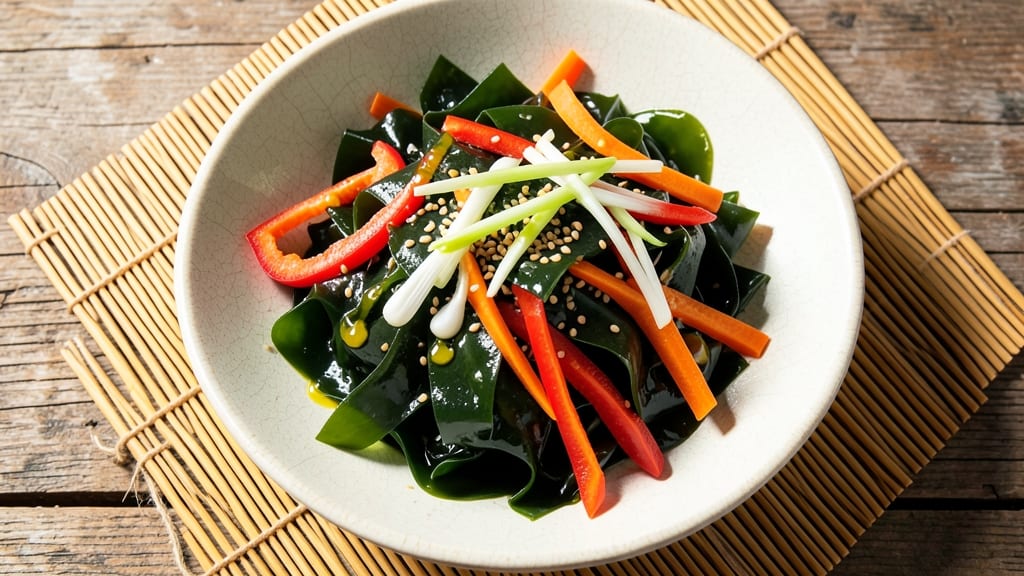
This Asian seaweed salad recipe transforms delicate seaweed into a crispy, wok-fried delight with a bright citrus-lime dressing that cuts through the umami richness.
The secret lies in proper preparation—soaking the seaweed just long enough to soften without losing its natural texture, then searing it in a hot wok until golden and fragrant.
I developed this recipe after discovering how much my family loved the contrast of crispy edges and tender centers, paired with the zing of fresh lime and sesame.
What sets this salad apart is the balance of textures and flavors—crispy seaweed, crunchy vegetables, and a dressing that’s both tangy and slightly sweet. The process is straightforward: wash and soak the seaweed, chop the vegetables, and toss everything together with a quick sesame-soy-vinegar dressing.
No complicated techniques, just a method that delivers restaurant-quality results at home. The key is high heat for the seaweed, which ensures that crispy texture you crave.
By the time you’re done, you’ll have a salad that’s vibrant, satisfying, and packed with flavor—perfect as a light meal or a refreshing side dish. The citrus-lime dressing adds a refreshing lift, while sesame seeds and scallions provide a final garnish that ties everything together.
This recipe is a game-changer for anyone looking to elevate their seaweed dishes with a little extra crunch and brightness.
Serve it alongside grilled fish, sushi, or even as a standalone dish for a quick, nutrient-packed meal. The beauty of this recipe is its versatility—it’s ready in under 20 minutes and keeps well in the fridge for a few days, making it ideal for meal prep. Let’s get started!
Ingredients for asian seaweed salad
Crispy seaweed and vibrant veggies meet zesty citrus—here’s what makes this salad shine.
| Ingredient | Amount | Notes |
|---|---|---|
| Dried Asian Seaweed (Wakame) 🍃 | 4 oz | Dried sheets for crispy texture |
| Carrots 🥕 | 2 medium | julienned into thin matchsticks |
| Red Bell Pepper 🌶️ | 1 medium | thinly sliced into strips |
| Scallions 🧅 | 4 whole | white and green parts sliced |
| Sesame Seeds 🌿 | 2 tbsp | toasted for garnish |
| Lime Juice 🍋 | ½ cup | freshly squeezed |
| Rice Vinegar 💧 | ¼ cup | seasoned preferred |
| Sesame Oil 🫒 | 1 tbsp | toasted sesame oil |
| Soy Sauce 🍶 | 2 tbsp | low-sodium preferred |
| Maple Syrup 🍯 | 1 tbsp | for subtle sweetness |
| Sesame Dressing Oil 🫒 | ¼ cup | neutral oil for frying |
| Fresh Ginger 🧄 | 1 tbsp | grated finely |
| Garlic Cloves 🧄 | 2 cloves | minced finely |
| Salt 🧂 | ½ tsp | kosher preferred |
| Black Pepper 🌶️ | ¼ tsp | freshly ground |
The seaweed is the star—Wakame sheets from Asian markets or the seaweed section at Whole Foods work best. Look for thin, dry sheets that snap when bent. If you can't find dried, fresh nori sheets will work in a pinch, but they won't crisp the same way. The carrots and bell pepper should be julienned into thin matchsticks—a mandoline makes this easy, but a sharp knife works too. For the scallions, grab the longest green onions you can find—they add the most color and crunch. Toast your sesame seeds in a dry pan for 30 seconds until fragrant; skip this step and they'll taste bland.
No sesame oil? Toasted peanut oil works in a pinch, though it'll have a different flavor profile. Running short on lime juice? Substitute lemon juice at 1:1 ratio, but add an extra pinch of sugar to balance the tartness. The maple syrup can be swapped for agave nectar or coconut sugar, though maple has a more complex flavor. For the dressing oil, avocado oil has a neutral taste and high smoke point—don't use olive oil, as it'll burn at high heat. If you're missing ginger, a pinch of ground ginger at half the amount will do, though fresh is always better. The soy sauce? Tamari works too—just check for gluten if needed.
Seaweed keeps best in an airtight container with a paper towel to absorb moisture—good for 3 days in the fridge. Prep the veggies ahead and store them separately in the fridge for up to 2 days. The dressing can be made a day ahead and stored in a sealed jar. For maximum crispiness, fry the seaweed fresh—it loses its crunch within 10 minutes of cooking. Portion leftovers into single-serving containers for easy grab-and-go meals. The flavors actually improve after 24 hours as everything melds together.
Why You'll Love This Recipe
- Five-Minute Soak: I swear by that quick wakame soak—just toss the dried sheets in water, and boom, you’ve got texture without the fuss. No boiling, no waiting hours; the seaweed plumps up in minutes while I chop the rest.
- Umami Bomb: That first bite of rehydrated wakame? Pure ocean magic. The crisp carrots and bell pepper add crunch, but it’s the sesame seeds and scallions that turn this into something ridiculously good—salty, sweet, fresh all at once.
- Lunchbox Legend: Between us, this salad keeps perfectly for days. Pack it in bento boxes, toss it in rice bowls, or serve it alongside grilled fish—it’s my go-to for picnics, work lunches, or when I’m too tired to cook.
- Budget Brightener: I buy wakame in bulk—it lasts forever—and the veggies? Whatever’s on sale. A little goes a long way, and honestly, it’s cheaper than takeout and healthier. Plus, the sesame seeds add that fancy touch without breaking the bank.
Step-by-step instructions for crispy Asian seaweed salad
This method delivers perfectly wok-fried seaweed with a satisfying crunch and vibrant citrus dressing.
Prepare and Rehydrate the Seaweed
Place the 4 oz dried Asian seaweed (wakame) in a heatproof bowl and cover it with 2 cups hot water (just off boil). Let it soak for 5-7 minutes until it softens and expands. The seaweed should become pliable and slightly translucent—this indicates proper rehydration. Drain thoroughly in a colander, pressing gently to remove excess water.
While the seaweed soaks, julienne the 2 medium carrots into thin matchsticks using a sharp mandoline or vegetable peeler. Thinly slice the 1 medium red bell pepper into strips, and separate the 4 whole scallions into white and green parts. Finely grate the 1 tbsp fresh ginger and mince the 2 cloves garlic cloves. These prep steps ensure everything is ready for quick cooking.
Wok-Fry the Vegetables and Seaweed
Heat a wok or large skillet over high heat until smoking. Add ¼ cup of the sesame dressing oil and swirl to coat. Add the julienned carrots and red bell pepper strips, stirring-fry for 2-3 minutes until they begin to soften but remain crisp. Add the garlic and ginger, cooking for 30 seconds until fragrant.
Push the vegetables to one side of the wok and add 1 tbsp sesame oil. Place the drained seaweed in the hot oil and stir-fry for 1-2 minutes until it turns a vibrant green and develops a crisp texture. Combine everything and cook for another 1 minute until all ingredients are heated through and the seaweed maintains its crunch. Remove from heat and transfer to a large bowl.
Toast the Sesame Seeds and Make the Dressing
In the same wok, dry-toast the 2 tbsp sesame seeds over medium heat for 1-2 minutes until they turn golden brown and release their nutty aroma. Set aside to cool. In a small bowl, whisk together the 0.5 cup lime juice, 0.25 cup rice vinegar, 2 tbsp soy sauce, 1 tbsp maple syrup, 0.5 tsp salt, and 0.25 tsp black pepper. The dressing should be bright and tangy with a touch of sweetness.
Slowly drizzle in the remaining ¼ cup sesame dressing oil while whisking continuously. The dressing should emulsify into a glossy, silky consistency. Taste and adjust seasoning if needed—this is your flavor base, so balance is key.
Combine and Garnish
Pour the dressing over the wok-fried vegetables and seaweed. Toss gently but thoroughly to ensure every piece is evenly coated. The seaweed should maintain its crisp texture while absorbing the dressing's vibrant flavors. Let the salad sit for 5 minutes to allow the flavors to meld.
Divide the salad among 4 serving plates and garnish each portion with the toasted sesame seeds and sliced scallions. The contrast of the crispy seaweed and vegetables against the bright dressing creates a visually stunning dish. Serve immediately while the seaweed is at its crispest and the dressing is still glossy.
Pro Tips For Making Asian Seaweed Salad
- SOAK SEAWEED IN COLD WATER: I learned this the hard way—hot water turns wakame into a mushy, flavorless blob. Use room-temperature or cold water, and let it sit for 10-15 minutes until it’s tender but still holds shape. If you’re impatient, give it a quick squeeze to test—it should yield slightly, not collapse.
- JULIENNE CARROTS FAST: Skip the knife entirely for this. Use a mandoline or the shredding blade on a food processor—it’s 10 times faster and gives you those perfect, even ribbons. Just pulse instead of running it continuously, or you’ll end up with carrot dust.
- DRESSING LAST MINUTE: Don’t toss everything together too early, or the seaweed will turn into a sad, waterlogged mess. Add the dressing (soy sauce, sesame oil, rice vinegar, etc.) right before serving. If you’re serving a crowd, keep the dressing separate and let guests mix it themselves—way less cleanup.
- TOAST SESAME SEEDS: I was skeptical until I tried it—lightly toasting sesame seeds in a dry pan for 30 seconds until they smell nutty makes a real difference. They’ll add depth to the salad, and the crunch won’t turn to paste after 10 minutes. Just watch them like a hawk; they burn faster than you think.
Flavor customization for this recipe
Spicy Sesame Kick
For a bold twist, add 1 tbsp gochujang (Korean chili paste) or ½ tsp sriracha to the dressing. The heat balances beautifully with the citrus and umami of the seaweed. I love pairing this with 1 tsp toasted chili oil drizzled on top—just enough to make your lips tingle. 🌶️
Citrus Variations
Swap lime juice for yuzu juice (if available) for a subtly floral note, or use lemon juice plus 1 tsp honey> to sweeten the tang. For a tropical vibe, add ¼ cup mango purée> to the dressing—it’s surprising how well it complements the seaweed’s oceanic flavor.
Umami Boost
Elevate the depth with 1 tbsp miso paste> (white or red) stirred into the dressing, or add 2 tbsp toasted bonito flakes> (for non-vegan versions) for a smoky, savory punch. I also like tossing in ½ cup shredded daikon radish> for a refreshing crunch.
Sweet-Tangy Fusion
Balance the salad’s brightness with 1 tbsp rice malt syrup> or agave nectar> in the dressing. For a dessert-like finish, top with mandarin orange segments> and crushed peanuts>. The contrast of sweet, tangy, and salty is pure magic. 🍊
Herbal Infusions
Add fresh herbs like thinly sliced cilantro> or shiso leaves> for a fragrant twist. For a more robust flavor, infuse the dressing with 1 tbsp finely chopped lemongrass> (steeped in the rice vinegar for 10 minutes before mixing).
The aroma alone makes this salad feel like a restaurant dish.
Crunchy Add-Ins
Boost texture with ½ cup toasted edamame> or crushed wasabi peas> for a spicy crunch. I also love adding thinly sliced cucumber> (peeled) to keep the salad refreshing. These additions turn a simple salad into a textural masterpiece. 🥜
Nutrition facts
Frequently asked questions
Can I use fresh seaweed instead of dried?
Fresh nori sheets can work, but they won't achieve the same crispy texture as dried wakame. If substituting, lightly toast fresh nori in a dry pan for 10-15 seconds per side to add crunch, then chop into strips. The flavor will be more delicate, so boost umami with an extra 1 tbsp soy sauce in the dressing.
How do I store leftovers without losing crispiness?
Store the wok-fried seaweed and veggies separately in airtight containers. Keep the dressing in a separate jar. When ready to serve, quickly reheat the veggies in a dry pan for 1-2 minutes to restore crunch, then toss with fresh dressing. For extra crispiness, add 1 tsp sesame oil when reheating.
What's the best way to make this recipe gluten-free?
Use tamari instead of soy sauce and ensure your rice vinegar is certified gluten-free. For extra umami, add 1 tbsp coconut aminos to the dressing. All other ingredients are naturally gluten-free, and the crispy seaweed technique remains unchanged.
Can I make this salad ahead of time?
Prep all ingredients except the final tossing—store veggies and seaweed separately, and make dressing separately. Assemble just before serving to maintain crispness. The flavors actually meld better overnight, so it's perfect for meal prep! Just reheat components separately before combining.
Why did my seaweed turn mushy instead of crispy?
Over-soaking or using too much water during rehydration causes mushiness. Always use 2 cups hot water for 4 oz dried seaweed and drain thoroughly. For crispiness, wok-fry on high heat for exactly 1-2 minutes—don't overcrowd the pan. A well-heated wok is key to that perfect texture!