
Salads
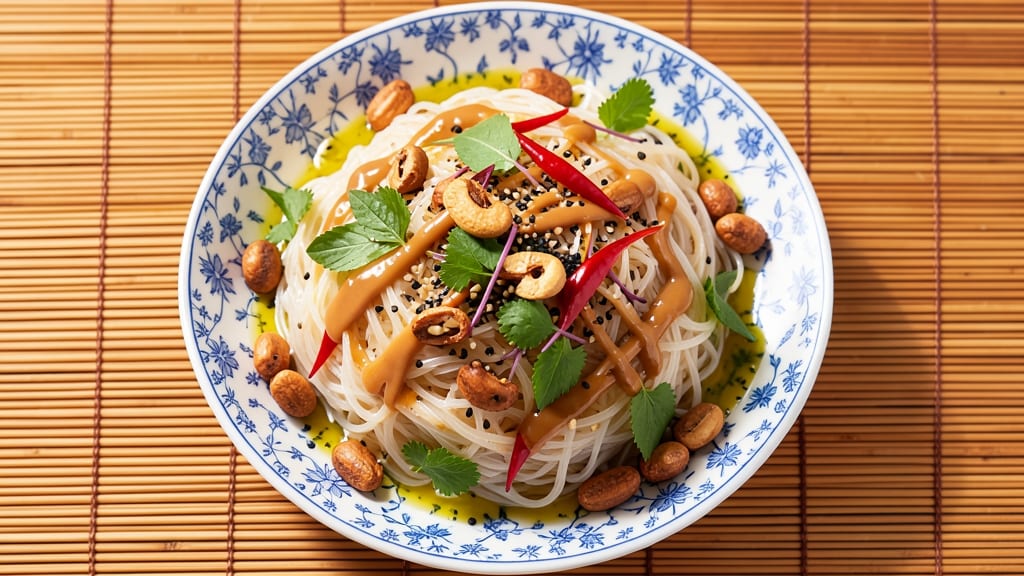
This collection of Asian salad recipe ideas transforms simple ingredients into vibrant, flavor-packed dishes that bring restaurant-quality meals to your table. 🌟 From crispy rice noodles with tangy peanut dressing to refreshing summer rolls and zesty green papaya salad, each recipe delivers bold flavors and satisfying textures that balance crunch, freshness, and umami.
These dishes are designed to be adaptable—whether you're serving a light lunch, meal prepping for the week, or preparing for a gathering.
The beauty of Asian salads lies in their versatility and ability to highlight seasonal produce while delivering complex flavors with minimal effort.
Whether you're craving the bright acidity of a Vietnamese summer roll, the nutty richness of a Thai-inspired salad, or the hearty satisfaction of a Korean bibimbap-inspired bowl, these recipes offer something for every palate.
Each dish balances fresh vegetables, proteins, and aromatic dressings to create a harmonious bite that's both nutritious and indulgent.
What sets these Asian salads apart is their ability to elevate everyday ingredients into extraordinary meals. The tangy peanut dressing for rice noodles, for example, transforms simple rice noodles into a satisfying main course, while the crisp texture of fresh herbs and vegetables adds a refreshing contrast.
These recipes are also designed with flexibility in mind—many can be easily adapted for vegetarian or vegan diets by swapping proteins or adjusting dressings.
Perfect for weeknight dinners, potlucks, or picnic lunches, these Asian salad recipes bring a taste of Asia to your kitchen without requiring specialized ingredients or techniques. Let's dive into the recipes that will inspire your next meal—each one a celebration of fresh flavors and vibrant textures.
Ingredients for asian salad recipe ideas
Transform simple pantry staples into a vibrant Asian-inspired dish with bold textures and tangy depth.
| Ingredient | Amount | Notes |
|---|---|---|
| Rice Noodles 🍜 | 8 oz | Thin or medium width preferred |
| Peanuts 🥜 | ½ cup | Roasted, unsalted for dressing |
| Peanut Butter 🥜 | ¼ cup | Natural, unsweetened preferred |
| Soy Sauce 🍶 | ¼ cup | Low-sodium preferred |
| Lime Juice 🍋 | ¼ cup | Freshly squeezed |
| Sesame Oil 🫒 | 1 tbsp | Toasted for aroma |
| Honey 🍯 | 1 tbsp | Substitute maple syrup if needed |
| Garlic Cloves 🧄 | 3 cloves | Minced for dressing |
| Fresh Ginger 🌿 | 1 tbsp | Grated, fresh preferred |
| Red Bell Pepper 🌶️ | 1 whole | Thinly sliced, seeds removed |
| Carrots 🥕 | 1 whole | Julienned or matchstick cut |
| Cucumber 🥒 | 1 whole | English or Persian, sliced |
| Red Onion 🧅 | ¼ whole | Thinly sliced |
| Fresh Mint Leaves 🌿 | ¼ cup | Chopped, stems removed |
| Crushed Peanuts 🥜 | 2 tbsp | For garnish, toasted |
The peanut butter and soy sauce form the dressing's heart—look for natural peanut butter without additives for the best flavor. Fresh ginger and garlic are non-negotiable; buy organic if possible to avoid bitterness. For the vegetables, Asian markets often carry better-quality bell peppers and cucumbers with superior crunch. If you can't find English cucumbers, regular Persian ones work perfectly. The rice noodles should be thin-width for optimal texture, but medium works in a pinch—just soak them slightly longer.
No peanut butter? Blend roasted peanuts with a splash of oil for a quick substitute. Out of soy sauce? Tamari or coconut aminos work beautifully. Fresh ginger too strong? Reduce to 0.5 tbsp and add 0.5 tbsp more honey to balance. The dressing keeps well for 5 days in the fridge, so make extra. For extra crunch, toast the crushed peanuts in a dry pan for 2 minutes—they'll add incredible texture to every bite. The carrots can be spiralized for a fun presentation twist, but julienne works just as well.
Store the dressing separately in an airtight jar for up to 5 days—the flavors meld beautifully overnight. The vegetables last 3-4 days in the fridge if wrapped in paper towels. For meal prep, portion the dressing into small containers to prevent sogginess. This dish reheats poorly, so assemble just before serving for the best texture. The peanut garnish adds last-minute crunch—don't skip it!
Why You'll Love This Recipe
- No-Cook Base Ready: I keep a bag of rice noodles in my pantry—just add boiling water, wait five minutes, and boom, you’ve got your foundation. No chopping, no fuss, and honestly? That’s half the battle won before you even think about dressings.
- Peanut Butter Magic: Here’s what sold me—the creamy peanut butter and crunchy peanuts team up for a flavor that’s ridiculously satisfying. A splash of lime brightens it up, and suddenly, you’ve got a salad that tastes like a hug (but better).
- Lunchbox Hero: This salad holds up perfectly for meal prep—pack it in containers, and it’s still fresh and flavorful by day three. My kids grab it for school, and I eat mine cold at my desk. (Yes, even on a Tuesday night.)
- Budget-Friendly Crunch: Peanuts and peanut butter stretch this dish far without breaking the bank. I’ve made it for $3 a serving, and it’s still the kind of meal that feels special. Not the prettiest, but the taste makes up for it every time.
Step-by-step instructions for crunchy rice noodles with tangy peanut dressing
Perfect balance of textures and flavors—crisp rice noodles meet vibrant vegetables in this refreshing Asian-inspired salad.
👨🍳 Step 1: Prepare the Peanut Dressing
In a medium bowl, combine the 0.25 cup peanut butter, 0.25 cup soy sauce, 0.25 cup lime juice, 1 tbsp honey, 1 tbsp sesame oil, 3 cloves minced garlic, and 1 tbsp grated fresh ginger. Whisk vigorously until completely smooth—this ensures all flavors meld evenly. The mixture should be thick but pourable, with a rich peanut aroma that's slightly tangy from the lime.
Gradually add 0.5 cup roasted peanuts while continuing to whisk. The peanuts should be finely chopped but not ground into a paste—this adds texture to the dressing. Taste and adjust seasoning: add a pinch more soy sauce if it's too sweet, or a splash of lime juice if it needs more tang. Here's the thing—this dressing is the heart of the salad, so don't rush this step.
🍳 Step 2: Cook and Cool the Rice Noodles
Bring a large pot of water to a rolling boil and add the 8 oz rice noodles. Cook for 4-5 minutes until they're tender but still hold their shape—you want al dente noodles that'll crisp up slightly when chilled. Drain immediately and rinse under cold water for 30 seconds to stop the cooking process and prevent them from sticking together.
Transfer the noodles to a large mixing bowl and toss with 1 tbsp sesame oil while still warm. This step is crucial—it prevents the noodles from clumping and gives them a subtle nutty aroma. Let them cool completely to room temperature before assembling the salad. If they're still warm when mixed with vegetables, they'll turn mushy.
🥘 Step 3: Prep and Assemble the Vegetable Medley
In a separate large bowl, combine the 1 whole red bell pepper (thinly sliced), 1 whole carrot (julienned), 1 whole cucumber (sliced), and 0.25 whole red onion (thinly sliced). Add the 0.25 cup chopped fresh mint leaves and toss gently to distribute. The vegetables should be crisp and vibrant—this is the fresh counterpoint to the rich peanut dressing.
Add the cooled rice noodles to the vegetable mixture and gently fold everything together. Here's where it gets fun—toss just until combined, being careful not to overmix. You want each bite to have a mix of textures: the chewy noodles, crisp vegetables, and fresh mint. If the vegetables start to wilt, add them to the bowl just before serving to maintain their crunch.
🥘 Step 4: Combine and Garnish
Pour the peanut dressing over the noodle-vegetable mixture and toss gently but thoroughly. The dressing should coat everything evenly without making it soggy. If it's too thick, add 1-2 tablespoons of water to loosen it slightly. The salad should look glossy with pockets of peanut bits throughout—this visual tells you it's properly combined.
Transfer to serving plates and immediately sprinkle with the 2 tbsp crushed peanuts. This final garnish adds the perfect crunchy contrast to the soft noodles. Serve immediately while the vegetables are still crisp and the dressing is vibrant. For best results, assemble the salad just before serving to maintain optimal texture.
Pro Tips For Making Asian Salad Recipe Ideas
- SOAK NOODLES UNTIL JUST FLEXIBLE: Rice noodles stick together like glue when over-soaked, but under-soaked ones turn to dust. Fill a bowl with hot (not boiling) water, add noodles, and check after 5 minutes—poke one with a fork. It should bend but not snap. Drain immediately and rinse with cold water to stop cooking. I learned this the hard way after serving a salad with noodles that fell apart mid-bite.
- TOAST PEANUTS IN BATCHES: Peanuts burn faster than you think, especially in a crowded pan. Spread them in a single layer over medium heat, stirring every 30 seconds, and pull them off when they’re golden—not brown. Overcrowding = uneven toasting, and you’ll end up with a mix of crispy and raw. Use a slotted spoon to transfer them straight to a bowl with ice water to halt cooking. (Yes, it’s weird, but it works.)
- STIR PEANUT BUTTER VIGOROUSLY: Store-bought peanut butter separates, and if you don’t whisk it first, your dressing will look like a science experiment gone wrong. Mix 1 tablespoon of peanut butter with 1 tablespoon of hot water in a small bowl until smooth, then add the rest of your dressing ingredients. This emulsifies it instantly—no clumps, no floating oil. I was skeptical until I tried it; now I won’t make dressing any other way.
- BALANCE SOY AND LIME GRADUALLY: Soy sauce and lime juice are a power duo, but dumping them in all at once can turn your dressing into a sad, one-dimensional sauce. Start with 1 teaspoon of soy sauce and 1 teaspoon of lime juice, taste, then adjust. You’re aiming for bright, not sour, and savory, not salty. I skip this when I’m lazy, but the dish is noticeably better when I don’t. Trust the process.
Pro cooking tips for great asian salad recipe ideas
Noodle Texture Secrets
Rice noodles are the star of this salad, so cook them al dente—they should be tender but still hold their shape after 4-5 minutes in boiling water. The key is rinse them immediately with cold water for 30 seconds to stop cooking and prevent sticking.
I always toss them with 1 tbsp sesame oil while warm to add aroma and prevent clumping. Let them cool completely before mixing with vegetables to avoid sogginess. 🍜
Dressing Balance
The peanut dressing needs perfect harmony between sweet, salty, and tangy. Start with 1 tbsp honey for sweetness, but taste as you go—some peanut butters are sweeter than others. The soy sauce provides saltiness, while lime juice adds bright acidity.
I like to whisk in 0.5 cup chopped roasted peanuts for texture, but don't grind them—you want visible bits for crunch. If the dressing seems too thick, thin it with 1-2 tbsp water before tossing. 🥜
Vegetable Prep Tricks
For maximum crunch, slice all vegetables just before assembling the salad. Thinly sliced red bell pepper and julienned carrots should be firm, not limp. Use a sharp chef's knife for clean cuts—dull blades crush vegetables, making them watery.
The red onion adds sharpness, but soak it in ice water for 5 minutes before slicing to mellow its bite. Fresh mint leaves should be chopped just before serving to preserve their vibrant color and aroma. 🥕
Assembly Timing
This is where many home cooks go wrong—assemble the salad last. Mix the peanut dressing with the noodles and vegetables right before serving to maintain crisp textures. If you prep everything ahead, store the dressing separately and toss it just before eating.
The crushed peanuts should go on last for that perfect crunch contrast. I like to serve this salad at room temperature, but if it's been chilled, let it sit for 10 minutes before serving to revive the vegetables' texture. ⏰
Garnish Like a Pro
The final garnish makes all the difference. Toast the crushed peanuts in a dry pan for 2 minutes until golden—this adds depth of flavor and prevents them from turning greasy. Sprinkle them just before serving so they stay crisp.
For extra flair, add a few sesame seeds or thinly sliced green onions. The contrast between the creamy peanut dressing and crisp garnishes is what makes this salad truly special. 💫
Make-Ahead Shortcuts
While this salad is best served fresh, you can prep components ahead. Cook the noodles and store them in an airtight container with a damp paper towel to keep them from drying out. Make the dressing separately and store it in the fridge for up to 5 days.
Chop all vegetables and store them in separate containers—add them to the salad just before serving. This way, you can assemble the dish in 10 minutes when you're ready to eat. The dressing keeps well, so double the batch for future meals. 📅
Nutrition facts
Frequently asked questions
Can I make these Asian salads without rice noodles?
For a gluten-free option, swap rice noodles for shirataki noodles or zucchini noodles. You can also use cucumber ribbons or thinly sliced cabbage for a low-carb version. The key is maintaining that satisfying crunch—just adjust the dressing quantity slightly since vegetables absorb less liquid.
How can I make these salads spicier?
Add a kick by mixing 1-2 teaspoons of sriracha or fresh chili paste into the dressing. For heat without bulk, include thinly sliced Thai bird's eye chilies or red chili flakes in the garnish. Start with small amounts—Asian salads often have subtle heat that builds with each bite.
Are there vegetarian or vegan versions of these salads?
Most Asian salads are naturally vegetarian, but you can make them vegan by using vegan peanut butter and coconut aminos instead of soy sauce. For protein, add tofu cubes, edamame, or marinated mushrooms. The peanut dressing already works perfectly for plant-based diets—just verify all ingredients are vegan.
Can I use these dressings on other dishes?
Yes! The peanut dressing works beautifully with grilled chicken, steamed veggies, or even as a dipping sauce for spring rolls. The lime-ginger dressing pairs well with shrimp skewers or rice bowls. Just adjust the thickness—some dishes need a thinner consistency than salads.
What's the best way to store leftovers?
Store the dressing separately in an airtight container for up to 5 days. Keep cooked noodles in a sealed container with a damp paper towel to maintain moisture. For vegetables, store them separately in a sealed container lined with paper towels to absorb excess moisture. Assemble the salad fresh for best texture, but you can pre-chop all ingredients ahead of time.