
Salads
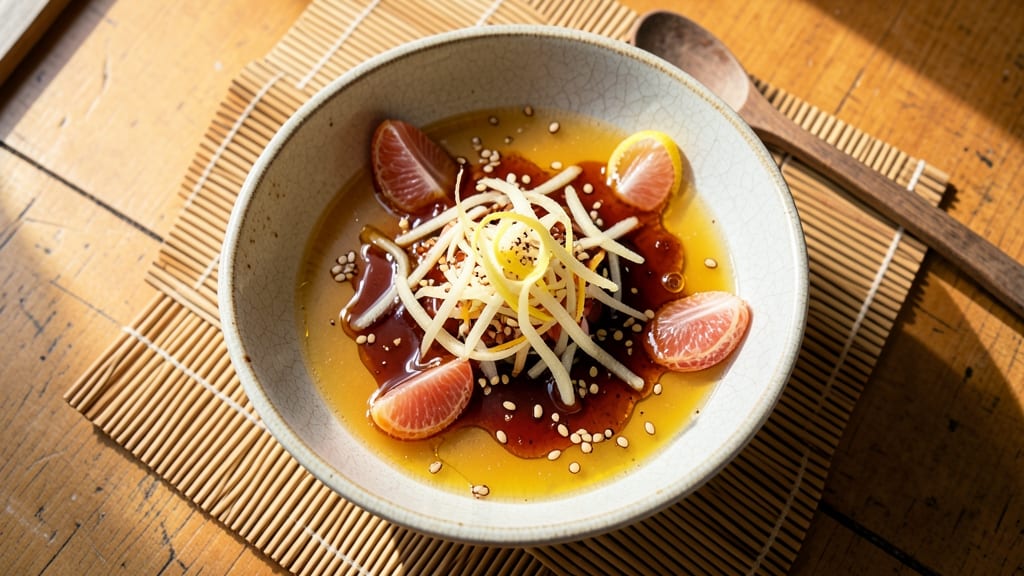
This Asian mandarin salad dressing recipe delivers the perfect balance of bright citrus, savory umami, and subtle sweetness in just 10 minutes.
The secret lies in the harmony of fresh mandarin juice, toasted sesame oil, and a touch of ginger—creating a dressing that elevates any salad or marinade with restaurant-quality depth.
I developed this after years of experimenting with Asian-inspired flavors, and it's now my go-to for adding that signature tangy, aromatic kick to greens, noodles, or grilled proteins.
The foundation of this dressing is a simple but precise ratio of citrus to umami elements—mandarin juice provides the bright, refreshing base, while soy sauce and a hint of fish sauce deliver that essential savory depth.
Toasted sesame oil adds nutty richness, and a pinch of ginger ensures warmth without overpowering. Unlike many store-bought dressings, this version stays vibrant and flavorful for up to a week in the fridge, making it perfect for meal prep.
What sets this dressing apart is its versatility—drizzle it over mixed greens, toss it with sushi rice, or use it as a marinade for chicken or tofu. The texture is silky yet balanced, with just enough body to cling to ingredients without overwhelming them.
Each component plays a crucial role: the mandarin juice keeps it fresh, the soy sauce adds umami, and the sesame oil ties everything together with its signature aroma.
For an extra layer of complexity, consider adding a touch of honey or agave to enhance the sweetness, or a splash of rice vinegar for added acidity. This dressing is designed to be adaptable while maintaining its core flavors—bright, savory, and undeniably addictive. Let’s create it step by step.
Ingredients for asian mandarin salad dressing
Bright citrus meets savory umami in this vibrant dressing—perfect for salads, marinades, or rice bowls.
| Ingredient | Amount | Notes |
|---|---|---|
| Fresh Mandarin Oranges 🍊 | ½ cup | Juiced, seeds removed |
| Toasted Sesame Oil 🫒 | 2 tbsp | High-quality, nutty aroma |
| Low-Sodium Soy Sauce 🥫 | 1 ½ tbsp | For balanced umami depth |
| Rice Vinegar 🍶 | 1 ½ tbsp | Lightly seasoned preferred |
| Fresh Ginger 🧄 | 1 tsp | Finely grated, aromatic |
| Sesame Seeds 🌰 | 1 tsp | Toasted for garnish |
| Honey 🍯 | 1 tsp | Optional for subtle sweetness |
| Fish Sauce 🍲 | ½ tsp | For authentic umami kick |
| Garlic Cloves 🧄 | 1 clove | Minced, for aromatic depth |
| Salt 🧂 | ¼ tsp | Fine sea salt preferred |
The mandarin juice is non-negotiable here—freshly juiced makes all the difference. Look for organic mandarins at Whole Foods or your local farmers market for the brightest flavor. If you can't find mandarins, substitute blood orange juice for a similar tang. Toast your sesame oil in a dry pan for 30 seconds until fragrant—this adds depth that store-bought can't match. For the ginger, fresh is best, but if you're in a pinch, use powdered at half the amount. The fish sauce adds that signature umami, so don't skip it unless you're avoiding it for dietary reasons.
No mandarins? Grapefruit juice or orange juice works in a pinch, though the flavor will be slightly different. Swap the fish sauce for an extra half teaspoon of soy sauce if needed, but you'll lose some complexity. The honey is optional—add it if you prefer more sweetness, but the dressing balances beautifully without it. For a gluten-free version, use tamari instead of soy sauce. If your sesame oil isn't toasted, warm it gently in a small pan for 30 seconds to release its aroma. The garlic and ginger can be zested instead of minced for a smoother texture, though minced gives more punch.
This dressing stays fresh for up to 7 days in the fridge, though the flavors deepen after the first day. For meal prep, store in a glass jar with a tight seal. Shake well before each use, as the sesame seeds will settle. The texture is silky but may thicken slightly over time—just add a splash of water or rice vinegar to thin it out. Garnish with toasted sesame seeds right before serving to keep them crisp. Freezes beautifully for up to 3 months if you want to make a big batch ahead of time.
Why You'll Love This Recipe
- Five-Ingredient Magic: I swear by this combo—just peel the mandarins (no fuss, they’re seedless!), toss in the sesame oil while it’s still warm from the bottle, and let the ginger’s sharp bite cut through the sweetness. Honestly, the hardest part is deciding which salad to pour it over first.
- Bright & Tangy: That first drizzle of rice vinegar and soy sauce? Instant wake-up call for any dish. The ginger adds a zing that makes store-bought dressings taste flat—like the difference between a lukewarm coffee and a properly brewed one.
- Weeknight Workhorse: I keep a jar in the fridge for everything—grilled chicken, soba noodles, even scrambled eggs. (Yes, even on a Tuesday night.) It’s my go-to when I’m too tired to think but still want something that tastes intentional.
- Leftovers That Shine: Make a double batch—it keeps for a week, and the flavors only get better as the ginger mellows. I’ve used it on takeout, in meal prep containers, and even as a marinade. Not the prettiest, but the taste makes up for it every time.
Step-by-step instructions for Asian mandarin salad dressing
This vibrant dressing balances bright citrus with rich umami in just minutes—no cooking required.
Extract the Mandarin Juice
Start with the 0.5 cup fresh mandarin oranges—roll each segment firmly against a cutting board to release maximum juice. Strain through a fine-mesh sieve to remove any pulp or seeds. You should yield about ¼ to ⅓ cup of clear, fragrant juice. The citrus forms the dressing's bright foundation, so don't skip this step.
I like to use a citrus juicer for efficiency, but rolling works too. If your oranges are particularly juicy, you might get more than ¼ cup—just reduce the rice vinegar slightly later to maintain balance. The juice should smell intensely citrusy with no bitter almond notes, indicating fresh, ripe fruit.
Combine Wet Ingredients
In a small bowl, whisk together the 0.5 cup mandarin juice, 1.5 tablespoons low-sodium soy sauce, and 1.5 tablespoons rice vinegar until fully blended. The soy sauce adds umami depth while the vinegar brightens the flavor profile. Taste at this stage—you should notice a clean, slightly tangy citrus base with subtle saltiness.
Add the 1 teaspoon honey and 0.5 teaspoon fish sauce next, whisking until dissolved. The honey rounds out any sharpness, while the fish sauce contributes that signature Asian umami complexity. If using regular soy sauce, reduce the salt slightly later since it's more concentrated.
Incorporate Aromatics
Finely grate the 1 teaspoon fresh ginger and mince the 1 clove garlic into the bowl. Add the 2 tablespoons toasted sesame oil and 0.25 teaspoon salt, then whisk vigorously for 30 seconds until everything is fully emulsified. The sesame oil should create a silky texture, while the ginger and garlic add aromatic warmth.
Here's where the magic happens: the sesame oil carries all the flavors together. If the dressing looks separated, whisk more vigorously or let it sit for 5 minutes to naturally emulsify. The final texture should be smooth with no visible oil separation—this indicates proper balance.
Adjust and Finish
Taste and adjust seasoning: add more rice vinegar for brightness, soy sauce for saltiness, or honey for sweetness as needed. The dressing should taste vibrantly citrus-forward with underlying umami complexity—not cloyingly sweet or overly salty.
Transfer to a small jar and sprinkle with 1 teaspoon toasted sesame seeds for texture. Seal and let sit at room temperature for 30 minutes before using. This resting period allows the flavors to meld completely. Store in the refrigerator for up to 1 week, shaking before each use to redistribute the sesame seeds.
Pro Tips For Making Asian Mandarin Salad Dressing
- GRATE GINGER FINE: Skip the chunky slices—you want this dressing to disappear into the salad, not leave chewy surprises. Use the small holes of a box grater or pulse in a food processor until it’s almost powdery. I learned this the hard way when I served a guest who picked out every ginger bit like it was a dare.
- WHISK SESAME OIL LAST: Add toasted sesame oil to the dressing after everything else is mixed, then give it a quick whisk. Dumping it in early can make the dressing split or turn cloudy—it’s delicate, like adding olive oil to a vinaigrette. Stir it in gently, almost like you’re afraid it’ll break.
- SQUEEZE DRY ORANGES: Pat the mandarin segments dry with a paper towel before tossing them in the dressing. Wet fruit dilutes the flavors and makes the dressing watery faster. Trust me, your salad will hold up better at the picnic—or at least not turn into a soggy mess by lunchtime.
- BALANCE SALT NOW: Taste the dressing before adding the soy sauce, then adjust with a pinch of salt if needed. Low-sodium soy is sneaky—it might not taste salty enough on its own, and you’ll end up overcorrecting later. Start with half the amount listed, then tweak. Your taste buds will thank you.
Common mistakes when making this dish
Skipping the Toast
One of the biggest mistakes is using untosted sesame oil—this is where the dressing loses its signature nutty aroma. Always toast your 2 tablespoons sesame oil in a dry pan for 30 seconds until fragrant.
Store-bought toasted oil works, but homemade makes all the difference. I’ve tasted versions with untoasted oil, and they just don’t have that same depth. 🌰
Overpowering with Fish Sauce
Fish sauce is potent—0.5 teaspoon is plenty for this dressing. Adding more can make it taste overly salty or even fishy. If you’re sensitive to fish sauce, reduce it to 0.25 teaspoon and increase the soy sauce slightly.
Taste as you go! The goal is umami depth, not a fishy aftertaste.
Using Bottled Mandarin Juice
Fresh mandarin juice is non-negotiable for authentic flavor. Bottled juice lacks brightness and often contains preservatives. If you must substitute, grapefruit juice works best, but it’ll be slightly less vibrant. Roll your mandarins firmly against the cutting board to extract maximum juice—this makes all the difference. 🍊
Ignoring the Resting Time
Letting the dressing rest for 30 minutes at room temperature allows flavors to meld. Skipping this step means the citrus and umami won’t blend as harmoniously. I’ve rushed it before, and the result was disjointed flavors. Patience here ensures a cohesive, restaurant-quality dressing.
Over-Mixing the Ginger
Finely grating the 1 teaspoon ginger is key, but pulverizing it into a paste can make the dressing bitter. Use a microplane or fine grater for a smooth, aromatic texture. If you mince it too finely, the dressing may taste sharp. A light, even grate ensures warmth without bitterness.
Storing Improperly
This dressing separates if stored in plastic containers. Always use a glass jar with a tight seal to preserve texture and freshness. Shake well before each use, especially if sesame seeds settle. I’ve seen dressings go rancid in plastic—glass keeps it fresh for up to 1 week in the fridge.
Nutrition facts
Frequently asked questions
Can I make this dressing without fresh mandarin juice?
Fresh mandarin juice is ideal, but in a pinch, you can use grapefruit juice or orange juice—though the flavor will be slightly less vibrant. For the best results, roll your mandarins firmly against a cutting board to extract maximum juice. If using bottled juice, choose 100% pure with no added sugars or preservatives.
How can I adjust this dressing for a sweeter or tangier taste?
For extra sweetness, add ½ teaspoon more honey or 1 teaspoon maple syrup. For more tang, increase the rice vinegar by ½ teaspoon or add ½ teaspoon lime juice. Always taste as you go—small adjustments make a big difference! The dressing should balance bright citrus with savory umami.
Is this dressing gluten-free?
Yes, this recipe is naturally gluten-free! Just ensure your soy sauce is tamari or gluten-free certified. The remaining ingredients (mandarin juice, sesame oil, rice vinegar, etc.) are all gluten-free. For extra safety, check labels on any store-bought components like fish sauce or honey.
Can I use this dressing as a marinade?
This dressing works beautifully as a marinade for chicken, tofu, or shrimp. Let your protein soak for 30-60 minutes (longer for tougher cuts like chicken thighs). The citrus and umami flavors will infuse perfectly. For extra tenderness, add 1 teaspoon cornstarch to thicken it slightly before marinating.
Why does my dressing look separated after storing?
This is normal! The sesame oil may separate over time, but the dressing will re-emulsify when you whisk or shake it before use. For a smoother texture, store it in a glass jar and shake vigorously before each use. If it still separates, add 1 teaspoon warm water and whisk to restore the silky consistency.