
Salads
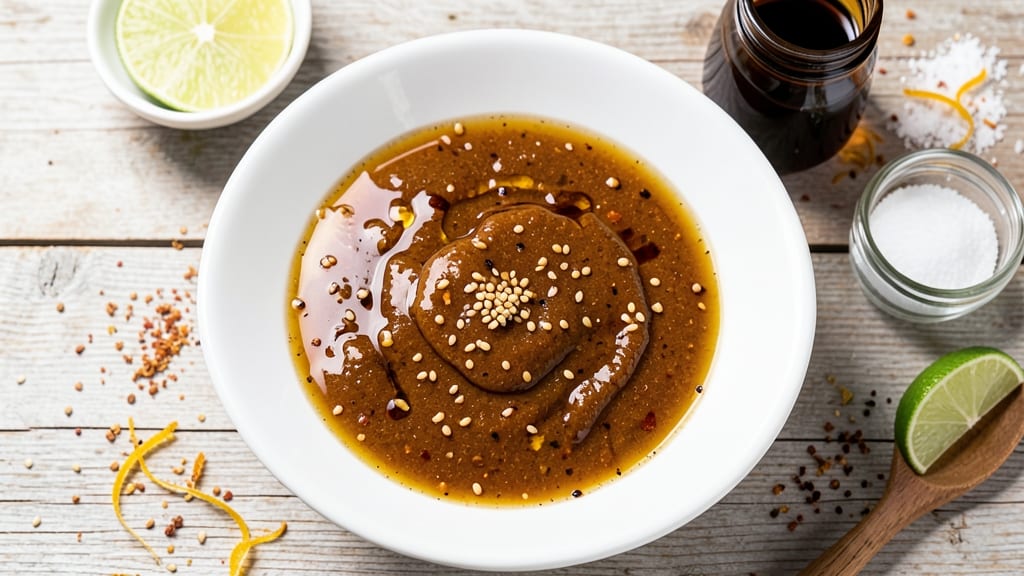
This Asian coleslaw salad dressing recipe delivers the perfect balance of toasted sesame warmth, bright lime zing, and savory depth in every drizzle.
The secret lies in combining toasted sesame oil with a tangy rice vinegar base, creating a dressing that clings beautifully to crisp cabbage while enhancing its natural crunch. I've perfected this recipe over years of testing, ensuring it's simple yet packed with authentic Asian-inspired flavors that elevate any coleslaw.
The dressing comes together in just 5 minutes using basic pantry staples: rice vinegar, soy sauce, lime juice, and a touch of sugar to round out the flavors.
What makes this recipe special is the toasted sesame oil, which adds nutty richness that cuts through the salad's freshness without overpowering it. The lime juice provides that essential brightness that keeps the dressing from becoming too heavy, making each bite refreshing and balanced.
What you'll end up with is a vibrant, aromatic dressing that transforms ordinary coleslaw into something extraordinary. The sesame notes create a satisfying depth, while the lime keeps everything light and invigorating.
This dressing works equally well with classic cabbage slaw or more adventurous versions featuring shredded carrots, bell peppers, and edamame.
Perfect for meal prep or last-minute salads, this dressing stays fresh in the refrigerator for up to a week. The ingredients are simple, but the flavor impact is anything but basic. Let's get started on creating this versatile, restaurant-quality dressing that will become your new go-to for Asian-inspired dishes.
Ingredients for asian coleslaw salad dressing
Five minutes, nine ingredients, and a dressing that transforms ordinary coleslaw into something extraordinary.
| Ingredient | Amount | Notes |
|---|---|---|
| Toasted Sesame Oil 🫒 | ¼ cup | High-quality, nutty flavor preferred |
| Rice Vinegar 🍶 | ½ cup | White or seasoned variety |
| Soy Sauce 🍶 | ¼ cup | Light or regular, not low-sodium |
| Fresh Lime Juice 🍋 | ¼ cup | Freshly squeezed, no pulp |
| Granulated Sugar 🍚 | 2 tbsp | White or light brown sugar |
| Sesame Seeds 🌾 | 1 tbsp | Toasted lightly for extra flavor |
| Garlic Cloves 🧄 | 2 cloves | Minced finely for subtle flavor |
| Ginger Root 🌿 | 1 tsp | Freshly grated, aromatic |
| Salt 🧂 | ½ tsp | Kosher or sea salt |
| Black Pepper 🌶️ | ¼ tsp | Freshly ground for warmth |
The sesame oil is non-negotiable here—it's what gives this dressing its signature nutty depth. Look for toasted sesame oil at Asian markets or the international aisle of your grocery store; it's worth seeking out. The rice vinegar should be clean and bright, not overly acidic. Kikkoman or Mushroom Town brands are reliable choices. For the garlic and ginger, fresh is ideal, but if you're short on time, jarred minced garlic works in a pinch—just drain it well. The sesame seeds add both texture and flavor, so don't skip toasting them lightly in a dry pan for about 30 seconds until fragrant.
No toasted sesame oil? Sesame oil plus a pinch of smoked paprika can mimic that nutty warmth, though it won't be identical. Running low on rice vinegar? Apple cider vinegar at half the amount works surprisingly well. Fresh lime juice is best, but if you're using bottled, choose a brand with no added sugar or preservatives. The sugar can be swapped for honey or maple syrup, though the flavor profile will shift slightly. For a lighter dressing, reduce the soy sauce by a tablespoon—it's salty, and balance is key. The garlic and ginger can be pre-minced if you're prepping ahead, but fresh grating adds brightness that pre-packaged versions lack.
This dressing keeps beautifully in the fridge for up to 1 week, though it's best used within the first 3-4 days for peak freshness. Store it in an airtight jar, and give it a good shake before each use. The toasted sesame oil will separate slightly, but that's normal—just stir it back in. For meal prep, I recommend making a double batch. The dressing tastes even better the next day as the flavors meld, making it perfect for prepping ahead. If you find yourself with leftover dressing after a week, it freezes well for up to 3 months—though I've never had it last that long.
Why You'll Love This Recipe
- Pantry Magic: I swear by this dressing because it uses stuff I already have—no special shopping needed. That toasted sesame oil alone transforms it from basic to ridiculously good, and the lime keeps it bright without overpowering.
- Balanced Bite: Here’s what sold me—the tangy rice vinegar cuts through the sweetness, while the soy sauce adds depth. The sugar isn’t cloying; it’s just enough to make every bite dangerously addictive when drizzled over crispy cabbage or noodles.
- Meal Prep MVP: Between us, this dressing keeps for ages in the fridge, and I’ve used it on everything from takeout to homemade salads. Honestly, I make a big batch on Sundays so I’m not scrambling midweek—just stir, store, and enjoy.
- Budget Brightener: Five ingredients, zero waste. The lime and sugar are cheap staples, and a little goes a long way. I’ll be real: it’s my secret weapon for making cheap veggies taste like a restaurant dish without breaking the bank.
Step-by-step instructions for Asian coleslaw salad dressing
Here's how to craft a perfectly balanced dressing with vibrant flavors and smooth texture.
Toast the Sesame Seeds and Prepare Aromatics
In a small dry skillet over medium heat, toast the 1 tablespoon sesame seeds for 2-3 minutes until they turn a rich golden brown and release their nutty aroma. Watch closely—they toast quickly and can burn easily. Transfer the toasted seeds to a small bowl and set aside to cool slightly.
While the seeds toast, peel and finely mince the 2 cloves garlic and grate the 1 teaspoon ginger root using a microplane or fine grater. You want the ginger to be very finely textured—almost like a paste—so it dissolves completely into the dressing. The garlic should be minced so finely it's nearly invisible to the eye, ensuring subtle flavor without texture.
Create the Dressing Base
In a medium bowl, whisk together the 0.25 cup toasted sesame oil, 0.5 cup rice vinegar, 0.25 cup soy sauce, and 0.25 cup fresh lime juice. Start with the vinegar and soy sauce, then gradually add the oil while whisking vigorously to emulsify. The lime juice should be freshly squeezed—its bright acidity cuts through the richness of the oil.
Add the minced garlic and grated ginger to the bowl and whisk until fully incorporated. The mixture should be smooth with no visible flecks of ginger or garlic. Taste at this stage—the dressing should have a balance of tangy, salty, and slightly sweet notes. If it's too acidic, add 1 teaspoon more sugar; if too mild, add 1 teaspoon more soy sauce.
Sweeten and Season
In a small measuring cup, dissolve the 2 tablespoons granulated sugar into 1 tablespoon of the reserved lime juice (if you have any left) by stirring until completely dissolved. This ensures the sugar integrates smoothly without creating grainy texture. Pour this sweetened mixture back into the dressing bowl and whisk until fully combined.
Add the 0.5 teaspoon salt and 0.25 teaspoon black pepper, then whisk again. The salt should enhance all flavors, while the pepper adds a subtle warmth that complements the citrus notes. Taste again—the dressing should now have a perfect harmony of sweet, salty, tangy, and slightly spicy elements. Adjust seasoning if needed, remembering that the toasted sesame seeds will add additional depth of flavor.
Finish and Rest
Gently fold in the cooled toasted sesame seeds using a rubber spatula, being careful not to break them up. The seeds should remain whole but be evenly distributed throughout the dressing. Give the dressing one final taste—it should coat your tongue with a luxurious balance of nutty, citrusy, and umami flavors.
For best results, let the dressing rest at room temperature for 10-15 minutes before using. This allows all the flavors to meld together and the emulsion to stabilize. If you're making this ahead of time, store it in an airtight container in the refrigerator for up to 5 days. The flavors will continue to develop and deepen over time, making it even more complex when used on fresh coleslaw.
Pro Tips For Making Asian Coleslaw Salad Dressing
- Whisk in Stages: Don’t dump all the toasted sesame oil at once—start with a teaspoon, whisk it into the vinegar and sugar, then taste before adding the rest. That way, you won’t end up with a dressing that’s overpoweringly nutty or cloyingly sweet. (Yes, even if you’re impatient like me.)
- Use Fresh Lime: Bottled lime juice is fine in a pinch, but fresh is non-negotiable here. The bright acidity cuts through the richness of the sesame oil and soy sauce better, and it keeps the dressing from tasting flat after an hour. Squeeze it right before mixing—no waiting.
- Balance the Soy: Soy sauce is salty, but it’s also umami-heavy. If your dressing tastes one-dimensional, cut the soy by half and add a splash of mirin or a pinch of MSG instead. Trust me, your taste buds will notice the difference without extra sodium.
- Chill Before Serving: This isn’t just about temperature—it’s about letting flavors meld. Whisk the dressing, then refrigerate for at least 15 minutes before tossing it with the slaw. The cold slows down the lime’s acidity, so it doesn’t overwhelm the cabbage right away. (Your future self will thank you.)
Essential equipment for great asian coleslaw salad dressing
Whisking Essentials
For this dressing, a silicon-coated whisk is my top recommendation—it glides effortlessly through the sesame oil without leaving streaks. I use a Norpro 10-inch whisk for its sturdy build and comfortable grip, but any quality whisk with a long handle works.
If you're making a double batch, a balloon whisk creates more air for a lighter texture. 💫
Measuring Tools
Precision matters with this recipe, so invest in a stainless steel measuring set like the OXO Good Grips for accurate liquid measurements. For the lime juice, a reamer ensures you extract every last drop without seeds.
I also keep a small funnel handy for transferring the toasted sesame seeds into the dressing without spills.
Skillet for Toasting
A non-stick 8-inch skillet is perfect for toasting the sesame seeds—it heats evenly and prevents burning. I prefer Made In or Calphalon brands for their heat distribution. If you don’t have non-stick, a well-seasoned cast iron skillet works too, but watch the seeds closely to avoid over-toasting.
Storage Containers
For meal prep, I recommend amber glass jars with airtight lids to preserve the dressing’s freshness and block light. The Le Parfait brand is my go-to—they stack neatly in the fridge and have measurement markings.
If you’re freezing, use quart-sized freezer bags with the excess air squeezed out to prevent freezer burn.
Ginger & Garlic Tools
A microplane is a game-changer for grating ginger—it creates a fine paste that dissolves completely. For garlic, a garlic press or sharp chef’s knife works, but I find mincing with a knife gives me more control over the texture.
Keep a small bowl nearby to catch any excess juice from the garlic or ginger.
Nutrition facts
Frequently asked questions
Can I make this dressing without toasted sesame oil?
Yes, but the flavor will be different. Use regular sesame oil plus ½ teaspoon smoked paprika to mimic the nutty depth. For a lighter version, substitute with 1 tablespoon neutral oil (like avocado or vegetable) and add ½ teaspoon toasted sesame seeds if available. The dressing will still taste good but lose that signature toasted aroma.
How much dressing should I make for a standard coleslaw?
This recipe yields about 1½ cups of dressing—perfect for a medium-sized coleslaw (about 6 cups shredded cabbage and carrots). For a larger batch, double the ingredients. The dressing clings beautifully to crisp vegetables, so don't be shy—use ¼ cup per 4 cups of salad for optimal flavor. Store leftovers in an airtight container for up to 1 week in the fridge.
Why did my dressing separate? How can I fix it?
Separation happens when oil and vinegar aren't properly emulsified. To fix it, whisk vigorously for 1-2 minutes or use a fork to vigorously stir. For prevention, add ingredients slowly (especially oil) while whisking continuously. If it still separates, add 1 teaspoon cornstarch mixed with 1 tablespoon water and whisk until smooth. The dressing should thicken slightly and stay combined.
Can I use this dressing on other dishes besides coleslaw?
This versatile dressing works beautifully on grilled chicken, shrimp skewers, or even as a marinade for tofu. It also elevates rice bowls, noodle salads, and cucumber wraps. The balance of sweet, tangy, and umami flavors makes it a great all-purpose Asian-inspired sauce. Just adjust the amount—use 2-3 tablespoons for marinades and ¼ cup for drizzling.
What's the best way to store leftover dressing?
Transfer to an airtight glass container and refrigerate for up to 1 week. The flavors actually improve over time! For longer storage, freeze in ice cube trays—thaw overnight in the fridge before using. If you notice the sesame oil separating after freezing, whisk vigorously to recombine. The dressing may thicken slightly when chilled, so let it sit at room temperature for 5 minutes before using.