
Salads
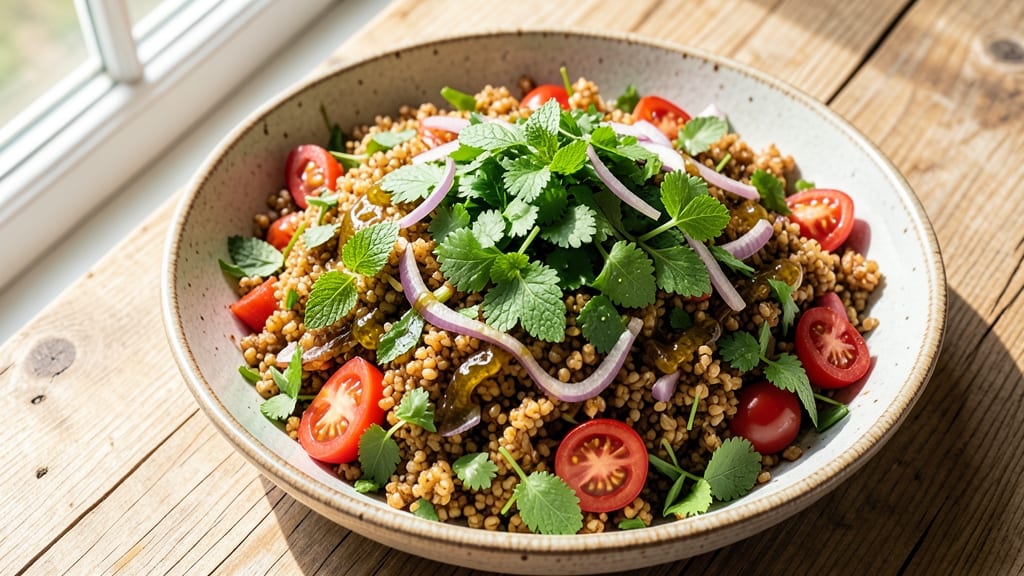
This Arabic tabbouleh salad recipe brings the vibrant flavors of the Levant to your table with its signature bright parsley and nutty bulgur. The dish is a staple across Lebanon, Syria, and Palestine, where it’s served as a refreshing mezze or side.
What sets it apart is the balance of fresh herbs, lemony brightness, and the subtle chew of bulgur wheat—each bite is a burst of Mediterranean freshness that pairs perfectly with grilled meats or as a standalone dish.
The key to authentic tabbouleh lies in the preparation: soaking the bulgur until tender but still with a slight bite, then chopping the parsley finely enough to release its aromatic oils.
A squeeze of fresh lemon juice and a sprinkle of sumac elevate the flavors, while olive oil binds everything together. Unlike many salads, tabbouleh tastes even better after resting for 30 minutes, allowing the flavors to meld and the bulgur to absorb the dressing.
This recipe delivers a vegetarian-friendly dish packed with nutrients and texture—crisp herbs, tender bulgur, and a tangy dressing that keeps it lively. It’s also naturally gluten-free if you use certified gluten-free bulgur, making it adaptable to dietary needs without sacrificing authenticity.
Serve it at room temperature or chilled, and watch how it transforms any meal into a celebration of fresh, vibrant flavors.
For an extra touch, consider adding diced cucumber or fresh mint for a modern twist while keeping the traditional essence intact. Whether you’re hosting a mezze spread or simply craving a bright, herbaceous salad, this tabbouleh recipe is your go-to for effortless elegance. Let’s get started!
Ingredients for arabic tabbouleh salad
Bright parsley, nutty bulgur, and zesty lemon create this Levantine classic's signature freshness.
| Ingredient | Amount | Notes |
|---|---|---|
| Fine Bulgur Wheat 🌾 | 1 cup | Certified gluten-free if needed |
| Fresh Flat-Leaf Parsley 🌿 | 2 cups | Stems included, finely chopped |
| Fresh Mint Leaves 🍃 | ½ cup | Chopped, optional for modern twist |
| Medium Tomatoes 🍅 | 3 whole | Ripe, diced, seeds removed |
| Extra-Virgin Olive Oil 🫒 | ½ cup | High-quality, fruity variety |
| Fresh Lemon Juice 🍋 | ¼ cup | From 2-3 lemons, freshly squeezed |
| Ground Sumac 🍊 | 1 tbsp | For tangy brightness, optional |
| Diamond Crystal Kosher Salt 🧂 | 1 ½ tsp | Adjust to taste |
| Freshly Ground Black Pepper 🌶️ | ½ tsp | Freshly cracked preferred |
| Medium Cucumber 🥒 | 1 whole | Diced, optional for texture |
| Red Onion 🧅 | ¼ whole | Finely diced, optional for depth |
The bulgur is the backbone of authentic tabbouleh—fine bulgur soaks up the dressing beautifully, while coarse varieties stay too chewy. Whole Foods or Middle Eastern markets carry the best quality, but any gourmet grocery store should have it. For gluten-free adaptation, seek certified bulgur wheat, which maintains the same texture once hydrated. The parsley should be the star: bright green, no yellowing, and stems included for extra flavor. If using mint, opt for fresh Persian mint from the produce section—it's more aromatic than spearmint.
No sumac? Substitute with lemon zest or a pinch of dried oregano for earthy notes, though sumac's tang is irreplaceable. Running short on parsley? Cilantro works at half the amount, but the flavor profile shifts slightly. For tomatoes, San Marzano canned tomatoes save time—just peel and dice. The cucumber and red onion are optional but add welcome crunch and depth; skip them if you prefer the classic version. When chopping the parsley, aim for a fine, almost paste-like texture—this releases the aromatic oils that define tabbouleh.
Bulgur absorbs dressing beautifully, so soak it for 20-30 minutes before mixing with herbs. Store leftovers in an airtight container for 3-4 days in the fridge, though flavor peaks within 24 hours. For make-ahead convenience, prepare the dressing and chop herbs separately, then combine just before serving. This salad thrives at room temperature, so let it sit for 30 minutes before serving to allow flavors to meld—patience is key for authentic taste.
Why You'll Love This Recipe
- No Soak Struggles: I’ll be real—bulgur’s reputation for needing hours of soaking is overblown. Just 15 minutes in hot water, and you’ve got that perfect al dente bite. No fancy tools, no waiting around—just toss it in while you chop herbs.
- Herb-Packed Punch: That bright, zesty mix of parsley and mint? It’s like a breath of fresh air in every bite. The tomatoes add juicy sweetness, and the olive oil ties it all together with a rich, silky finish. Honestly, it’s the kind of flavor that makes you want to eat it straight from the bowl.
- Meal Prep MVP: Between us, this salad keeps for days in the fridge—flavors actually deepen over time. Pack it in lunches, serve it at picnics, or use it as a side for grilled meats. My go-to for summer BBQs, and it’s always the first to disappear.
- Budget Brightener: Fresh herbs and tomatoes can feel pricey, but a little goes a long way here. A single bunch of parsley and mint stretches across multiple meals, and bulgur is dirt cheap. Plus, you’re getting a nutrient-packed dish that feels fancy without the grocery bill.
Step-by-step instructions for Arabic tabbouleh salad
Here's the method for vibrant, aromatic tabbouleh that captures the essence of Levantine cuisine.
Toast the Fine Bulgur Wheat
Place the 1 cup fine bulgur wheat in a fine-mesh strainer and rinse under cold water until the water runs clear. This removes excess starch that would otherwise make the bulgur gummy. Transfer the rinsed bulgur to a small saucepan and toast it over medium heat for 2-3 minutes, stirring constantly with a wooden spoon.
You're looking for a nutty aroma and slightly golden color—this dry toasting enhances the bulgur's texture and flavor. Once toasted, remove the pan from heat and immediately pour in 1 cup boiling water. Cover with a lid and let it sit for 10 minutes. The bulgur should absorb the water completely and become tender but still retain a slight bite.
Prepare the Vegetable Base
Finely chop the 2 cups fresh flat-leaf parsley and 0.5 cup fresh mint leaves, including stems for maximum flavor. In a large mixing bowl, combine the chopped herbs with the cooked bulgur. Add the 3 whole medium tomatoes, seeded and diced, the 1 whole medium cucumber, diced, and the 0.25 whole red onion, finely diced. Mix gently to distribute all ingredients evenly.
This is where the salad's signature brightness begins to develop. The parsley and mint should dominate the flavor profile, while the tomatoes and cucumber add juicy freshness. The red onion contributes a subtle sharpness that balances the dish. Taste at this stage—you'll notice the herbs are still quite vibrant but need the dressing to come together.
Create the Dressing
In a small bowl, whisk together the 0.5 cup extra-virgin olive oil, 0.25 cup fresh lemon juice, 1 tbsp ground sumac, 1.5 tsp diamond crystal kosher salt, and 0.5 tsp freshly ground black pepper. The sumac adds a distinctive tangy brightness that's essential to authentic tabbouleh. Whisk until the dressing is emulsified and smooth, with no visible oil separation.
This dressing should be vibrant yellow-green from the olive oil and lemon juice, with a fine texture that will evenly coat each component. If you prefer a more intense flavor, you can increase the sumac to 2 tablespoons, but start with the recipe amount to maintain balance. The dressing should taste bright, slightly tangy, and properly seasoned—this is your flavor foundation.
Combine and Rest
Pour the dressing over the vegetable mixture and toss gently but thoroughly with your hands or a large spoon. The salad should become immediately more cohesive, with the dressing clinging to each herb and vegetable piece. Let the tabbouleh sit at room temperature for 15-20 minutes before serving. This resting period allows the flavors to meld and the bulgur to absorb any remaining dressing.
During this time, you'll notice the salad's color deepen and its aroma intensify. The bulgur will soften slightly more, and the herbs will release their essential oils, creating that signature tabbouleh fragrance. Taste again after resting—you may need to adjust seasoning, particularly if you used a particularly salty sumac or if your tomatoes were very juicy.
Serve with Confidence
Transfer the tabbouleh to a serving platter and fluff gently with a fork to separate any clumped bulgur. Serve immediately while the herbs are at their peak freshness. For best presentation, arrange the salad in a circular pattern with the parsley and mint leaves visible at the center, creating a vibrant visual focal point.
This tabbouleh should be vibrant green with pops of red from the tomatoes and onion, and it should be bright, tangy, and herbaceous with each bite. The bulgur should be tender but still hold its shape, providing a pleasant texture contrast to the fresh vegetables. Serve with warm pita bread or grilled meats for a complete Middle Eastern meal experience.
Pro Tips For Making Arabic Tabbouleh Salad
- SOAK BULGUR LONGER: I used to eyeball the 15-minute soak time, but bulgur needs a solid 20-25 minutes in hot water—it should be tender enough to fluff with a fork but still hold shape. Cold water makes it gummy; hot water (just off boil) speeds it up without overcooking.
- CHOP PARSLEY COARSE: That fine, confetti-like parsley? Too much. Aim for ¼-inch pieces—big enough to see but still bright. I learned this the hard way when my first batch turned into parsley soup. Flat-leaf holds up better than curly, so use that if you can.
- SALT THE BULGUR: Skip the salt in the soaking water—it’ll make the bulgur mushy. Instead, toss it with lemon juice after draining, then mix in salt (about ½ tsp per cup) while fluffing. The acid brightens the flavor, and the salt balances the herbs.
- USE TOMEDIO TOMATOES: Cherry tomatoes? Too sweet. Medium tomatoes (like Roma or beefsteak) add depth without overpowering. Core and dice them small—about ¼-inch cubes—and toss them in last so they stay firm. If you’re short on time, a quick pulse in a food processor works, but chop by hand for better texture.
Dietary considerations for this recipe
Vegetarian Powerhouse
Tabbouleh is a complete vegetarian protein source thanks to the bulgur wheat, which contains about 6 grams of plant-based protein per serving. The parsley and mint add vitamin K and vitamin A, essential for bone health and vision, while the tomatoes provide lycopene, a powerful antioxidant.
This makes it a nutrient-dense dish perfect for meat-free meals. 💚
Gluten-Free Adaptation
For a gluten-free version, simply use certified gluten-free bulgur wheat—it absorbs the dressing just like regular bulgur but contains no gluten. I recommend Bob's Red Mill gluten-free bulgur, which maintains the same texture when properly hydrated. Always check labels to ensure no cross-contamination with gluten-containing grains.
Low-Calorie, High-Fiber
With only about 120 calories per serving, this salad is ideal for those watching their calorie intake. The bulgur and vegetables provide 4 grams of fiber per serving, supporting digestion and keeping you full longer.
The lemon and olive oil add healthy fats that help with nutrient absorption, making it a balanced, satisfying dish.
Allergen Considerations
Tabbouleh is naturally free from common allergens like dairy, eggs, and shellfish. However, always double-check your sumac and olive oil for potential cross-contamination if allergies are a concern. The fresh herbs and vegetables are typically safe for most people with food sensitivities, making this a great option for shared meals.
Sumac Substitutes
If you're avoiding sumac due to allergies or taste preferences, try lemon zest for brightness or dried oregano for earthiness. For a tangy kick, a pinch of dried cranberry powder works surprisingly well. Just remember, sumac's unique tartness is hard to replicate—these are backup options only. 🍋
Nutrition facts
Frequently asked questions
Why is parsley the star ingredient in tabbouleh?
Parsley provides the signature fresh, bright flavor that defines authentic tabbouleh. Its high chlorophyll content gives the salad its vibrant green color, while the stems add earthy depth when finely chopped. Using flat-leaf parsley (not curly) ensures maximum flavor—it's more aromatic and less bitter. The stems are never wasted in traditional recipes!
Can I make tabbouleh ahead of time?
Yes, but with a key trick: prepare the dressing and chop all ingredients separately, then combine just before serving. The bulgur and herbs can be stored separately in airtight containers for 2 days in the fridge. Mix everything together only when ready to eat—this preserves the crisp texture and prevents wilting. The flavors actually improve after resting for 30 minutes at room temperature.
What if I can't find fine bulgur?
Use coarse bulgur instead, but soak it for 15 minutes longer (about 25 minutes total) to achieve the same tender texture. For a quicker alternative, try quinoa (cooked and cooled) or couscous, though the texture will differ slightly. The key is achieving a similar bite—neither should be mushy. Toasting the grain first still enhances flavor even with these substitutes.
How do I prevent my tabbouleh from getting soggy?
Sogginess happens when bulgur absorbs too much moisture. To prevent this:
- Drain any excess water after toasting,
- Use ripe but firm tomatoes, and
- Add dressing gradually. For extra insurance, mix in 1 tablespoon olive oil before adding the lemon dressing—this creates a protective barrier. Serve immediately after resting to enjoy the perfect balance of crisp herbs and tender bulgur.
What's the best way to serve tabbouleh?
Tabbouleh shines as a mezze (appetizer) or side dish, but it's also satisfying enough as a light main course. For a complete meal, pair it with warm pita bread, grilled lamb or chicken, and hummus. The salad's bright acidity cuts through rich meats beautifully. In Lebanon, it's often served with olives and pickles for a full spread. For a modern twist, top with crumbled feta or toasted pine nuts.