
Salads
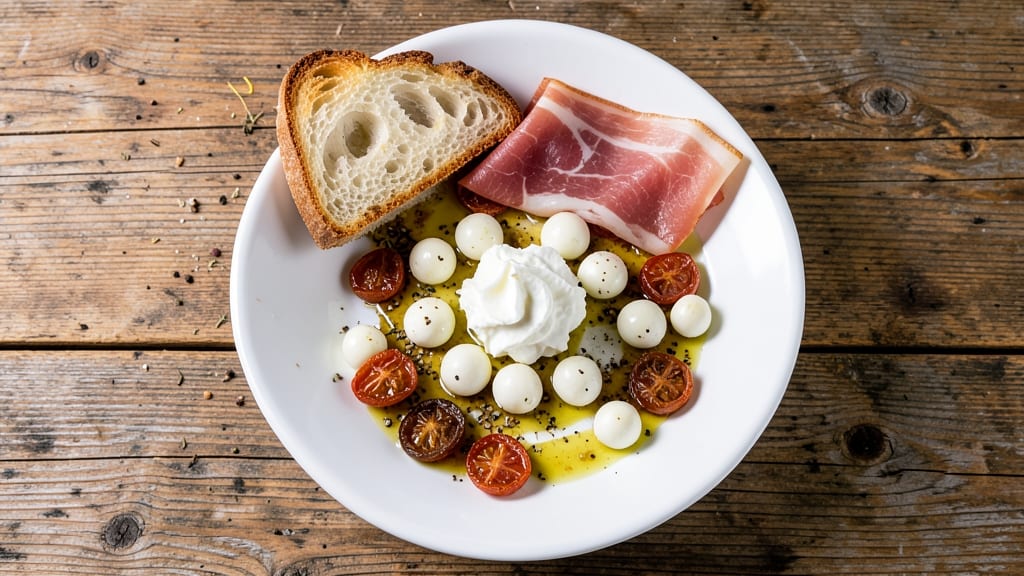
Transform your next gathering with this antipasto salad platter recipe, where Italian tradition meets modern flair on a single, showstopping board. The secret lies in balancing textures—crispy crostini, creamy cheeses, and marinated vegetables—while letting bold flavors shine without overwhelming.
I've perfected this spread over years of hosting, and it never fails to impress, whether you're serving a casual weekend brunch or a festive holiday appetizer.
This isn't just a salad platter—it's a foolproof assembly of Italian staples that comes together in under 30 minutes with minimal effort. Think prosciutto wrapped around melon, briny olives alongside fresh mozzarella, and toasted baguette slices topped with whipped ricotta and sun-dried tomatoes.
The key is portioning ingredients thoughtfully so every bite delivers a mix of salty, sweet, tangy, and umami notes, creating harmony on the plate.
What makes this recipe stand out is the presentation—layering ingredients in an artful yet approachable way that feels intentional, not fussy. The crostini add crunch, the cured meats bring richness, and the marinated vegetables add brightness, all while keeping prep simple.
Whether you're a seasoned host or a first-timer, this platter delivers restaurant-quality results with ingredients you can find at any grocery store.
For those looking to modernize the classic, swap in vegan mozzarella or marinated artichokes, and don't forget the finishing touches—fresh basil, cracked black pepper, or a drizzle of high-quality olive oil.
The possibilities are endless, but the foundation remains the same: fresh, bold, and impossible to resist. Let's build this platter step by step.
Ingredients for antipasto salad platter
Italian-inspired charcuterie with bold flavors and artful presentation—just 14 ingredients for a showstopping spread.
| Ingredient | Amount | Notes |
|---|---|---|
| Baguette 🍞 | 1 whole | Crusty, sliced into 1/2-inch pieces |
| Extra-Virgin Olive Oil 🫒 | ¼ cup | High-quality, fruity variety |
| Prosciutto 🥓 | 8 oz | Thinly sliced, high-quality |
| Fresh Mozzarella 🧀 | 1 lb | Whole ball, sliced into 1/4-inch pieces |
| Sun-Dried Tomatoes 🍅 | ½ cup | Oil-packed, chopped |
| Whole-Grain Mustard 🥫 | 2 tbsp | For whipped ricotta |
| Ricotta Cheese 🧈 | 1 cup | Whole-milk, room temperature |
| Kalata Olives 🫒 | 1 cup | Pitted, brined |
| Honey 🍯 | ¼ cup | Wildflower or clover variety |
| Cantaloupe 🍈 | 2 cups | Cubed, ripe and sweet |
| Fresh Basil Leaves 🌿 | ¼ cup | Thinly sliced, for garnish |
| Black Peppercorns 🌶️ | 1 tsp | Freshly cracked |
| Diamond Crystal Kosher Salt 🧂 | 1 tsp | For finishing |
| Balsamic Glaze 🍷 | 2 tbsp | For drizzling |
The baguette is non-negotiable—skip the soft French bread and grab a crusty, artisanal loaf from the bakery section. Toasting it in the oven until golden adds that perfect crunch. For the prosciutto, Whole Foods or high-end grocers carry the best quality—look for thin, delicate slices that won't overwhelm the platter. Fresh mozzarella should be milky and soft; if it's rubbery, it's past its prime. The sun-dried tomatoes? Oil-packed from Trader Joe's are my go-to—they're consistent and flavorful. Don't skip the whole-grain mustard in the ricotta mix; it adds just the right tang to balance the creaminess.
No prosciutto? Soppressata or salami works in a pinch. Ricotta too thick to whip? Add a splash of heavy cream. Olives not brined? Quick-pickle them in water, vinegar, and salt for 20 minutes. Cantaloupe too sweet? Balance it with the salty olives and peppery prosciutto. The balsamic glaze can be swapped for aged balsamic vinegar if you're in a hurry—simmer it with a pinch of sugar to thicken. For the honey, avoid the cheap grocery store kind—local farmers' markets often have small jars of wildflower varieties that elevate everything.
Toasted crostini stay crisp for 4 hours at room temperature if stored in an airtight container. Fresh mozzarella and ricotta should be used within 2 days—cover them tightly with plastic wrap. The prosciutto and olives keep for 1 week in the fridge, while the sun-dried tomatoes last 6 months in their oil. Assemble the platter 1 hour before serving to let flavors meld. For extra presentation, arrange ingredients in concentric circles or use a marble board for that authentic Italian trattoria feel.
Why You'll Love This Recipe
- No-Cook Magic: I swear by this—just slice the baguette, drizzle that olive oil, and toss in the prosciutto and mozzarella. Zero oven time, zero stress, and still feels like a restaurant spread.
- Salty-Sweet Crunch: Between the prosciutto’s first bite and the mozzarella’s creamy pull, it’s a flavor party. Add the sun-dried tomatoes? Instant umami bomb that makes you reach for seconds without thinking.
- Party on a Plate: Bring it to a picnic, a game day, or just a lazy Sunday—it’s the kind of platter everyone grabs without asking. Honestly, I’ve served it at weddings and potlucks, and it always clears first.
- Leftovers? More Like Leftovers: The baguette stays fresh for days, and the cured meats only get better as they sit. I’ll be real: I’ve repurposed the extra mozzarella into a quick caprese the next night—no waste, all flavor.
Step-by-step instructions for Italian-inspired charcuterie with crunchy crostini
Assemble this elegant antipasto platter with precise layering and flavor balance.
Prepare the Whipped Ricotta Spread
In a medium bowl, combine the 1 cup ricotta cheese with the 2 tablespoons whole-grain mustard and 0.25 cup honey. Using an electric mixer on medium speed, whip until light and airy—about 3-4 minutes. The mixture should hold soft peaks when the whisk is lifted, creating a smooth, spreadable texture perfect for crostini.
Transfer to a small serving dish and cover with plastic wrap, pressing directly on the surface to prevent a skin from forming. This step ensures the ricotta remains creamy and ready to spread without lumps when you're ready to assemble the platter.
Create the Crostini Base
Preheat your oven to 400°F. Arrange the 1 whole baguette on a baking sheet, sliced into ½-inch pieces (about 24-28 pieces). Brush each slice generously with the 0.25 cup extra-virgin olive oil—about ½ teaspoon per slice—using a pastry brush for even coverage.
Bake for 8-10 minutes until the edges are golden brown and crisp. Watch closely after 6 minutes—they crisp quickly. Remove from the oven and transfer to a wire rack to cool completely. The crostini should be sturdy enough to hold toppings without breaking, providing the perfect crunchy foundation for your antipasto platter.
Assemble the Antipasto Components
On a large serving platter, create a visual triangle by arranging the 8 oz prosciutto in overlapping folds at one corner, the 1 cup kalata olives scattered loosely in the center, and the 2 cups cantaloupe cubes fanned along the opposite edge. Place the 1 lb fresh mozzarella slices in a loose cluster near the prosciutto, and scatter the 0.5 cup chopped sun-dried tomatoes around the perimeter.
For the ricotta crostini, spread 1 teaspoon of whipped ricotta onto each of 12 crostini slices, then top with a mozzarella slice and a prosciutto fold. Arrange these in a small cluster on the platter. The remaining crostini can be served separately or used as garnishes for individual portions.
Finish with Garnishes and Drizzles
Just before serving, sprinkle the 0.25 cup fresh basil leaves thinly sliced over the platter, focusing on the cantaloupe and mozzarella areas. Crack the 1 teaspoon black peppercorns over the prosciutto and olives, then lightly dust with 1 teaspoon diamond crystal kosher salt to enhance all components.
Drizzle the 2 tablespoons balsamic glaze in elegant zigzags across the platter, avoiding the ricotta crostini to prevent sogginess. The glaze should glisten without pooling, creating visual contrast against the vibrant colors of the antipasto. Serve immediately while the crostini remains crisp and all components are at their peak texture and flavor.
Pro Tips For Making Antipasto Salad Platter
- TOAST BAGUETTE IN BATCHES: Don’t try to toast the whole loaf at once—it’ll steam and turn soggy. Cut the baguette into 1-inch slices, toss them on a baking sheet, and toast in two rounds at 375°F (190°C) for 5-6 minutes per batch. The crust will stay crisp, and you won’t waste time waiting for a crowded tray.
- DRY MOZZARELLA FIRST: Fresh mozzarella releases water like a sad sponge. Pat each ball thoroughly with paper towels, then let it air-dry on a wire rack for 10 minutes. This keeps your salad from turning into a watery mess—trust me, you’ll notice the difference when slicing.
- SKIP PRE-CUT PROSCIUTTO: Store-bought prosciutto slices are convenient but often dry and lack depth. Buy a whole leg, slice it yourself with the grain, and let the slices rest at room temp for 15 minutes before arranging. The fat will redistribute, making every bite juicier and more flavorful.
- BRINE THE TOMATOES: Sun-dried tomatoes lose their pop when mixed with oily dressings. Soak them in warm water for 10 minutes first, then drain and pat dry. This rehydrates them just enough to soften without turning mushy—plus, they’ll cling to the mozzarella like they’re supposed to.
Regional styles of these flavors
Northern Italian Style
In regions like Lombardy and Piedmont, antipasto platters focus on rich, hearty elements like proscuitto di Parma and aged pecorino cheese. Swap the fresh mozzarella for shaved pecorino and add marinated artichoke hearts (tossed with olive oil, garlic, and lemon zest) for a tangy contrast.
Use brioche crostini instead of baguette—their buttery richness pairs beautifully with fontina cheese and dried porcini mushrooms. 🌿
Southern Italian Twist
Down in Sicily and Calabria, the platter becomes vibrant with fresh seafood and bold spices. Add marinated anchovies (soaked in white wine vinegar) alongside cured sardines, and scatter chopped capers over the mozzarella.
For a sweet touch, include orange segments (tossed with chili flakes) and almonds lightly toasted with cinnamon. The balsamic glaze can be replaced with a spicy arancini sauce for extra heat. 🍊
Venetian-Inspired
Venice’s antipasto platters often feature creamy spreads and fresh river fish. Replace the ricotta with whipped buratta (mixed with lemon zest and black pepper) and add smoked trout slices alongside the prosciutto.
Use polenta crostini (cut into triangles) for a rustic base, and top with pickled onions and fresh radishes. Garnish with microgreens and a drizzle of truffle oil for an elegant touch. 🍃
Modern Fusion Approach
For a contemporary twist, blend Italian classics with global flavors. Swap prosciutto for spicy soppressata and add avocado slices (tossed with lime and salt) for creaminess. Include marinated jalapeños and pickled red onions for heat, and top with crumbled feta instead of mozzarella.
Use gluten-free crostini (made with almond flour) to accommodate dietary needs while keeping the crunch. 🌶️
Coastal Tuscan Version
Tuscany’s coastal areas emphasize olive oil, seafood, and fresh herbs. Add marinated mussels (cooked in white wine and garlic) and grilled calamari rings to the platter. Include fresh figs (sliced and drizzled with honey) alongside the cantaloupe, and scatter roasted rosemary sprigs for aroma.
Use ciabatta crostini and top with whipped ricotta mixed with lemon zest for a bright, citrusy note. 🌊
Vegetarian-Friendly Adaptation
Skip the cured meats entirely and focus on marinated vegetables, cheeses, and legumes. Use roasted eggplant (tossed with balsamic) and marinated white beans (with garlic and parsley) as protein substitutes.
Add grilled zucchini and roasted red peppers for texture, and top with vegan mozzarella (like Miyoko’s). Garnish with sunflower seeds and fresh thyme for a fragrant finish. 🥕
Nutrition facts
Frequently asked questions
How far ahead can I prepare this antipasto platter?
Most components can be prepped 1-2 days ahead—just store them separately. The crostini stay crisp for 4 hours at room temperature if kept in an airtight container, while cheeses and cured meats keep well for 3-5 days. Assemble the platter 1 hour before serving to let flavors meld and crostini maintain their crunch.
Can I make this gluten-free?
Swap the baguette for gluten-free crostini (almond flour or gluten-free bread) and use gluten-free mustard in the ricotta spread. For extra crunch, add toasted nuts like almonds or walnuts to the platter. The rest of the ingredients are naturally gluten-free.
What's the best way to store leftovers?
Separate components in airtight containers: cheeses and cured meats last 5-7 days in the fridge, while crostini lose crispness after 1 day. Reheat crostini in a 350°F oven for 5 minutes to restore crunch. Most antipasto ingredients taste better fresh, so plan for leftovers to be minimal.
How do I adjust for a larger crowd?
Double all ingredients and use a large wooden board or slate platter for serving. For 8+ people, add extra crostini (2-3 per person), double the ricotta spread, and include additional cured meats like salami or soppressata. Keep the same ratio of components for balance.
What if I don't have prosciutto?
No problem! Use salami, soppressata, or even smoked turkey as substitutes. For a vegetarian option, add marinated artichokes or roasted red peppers instead. The key is maintaining the salty, savory contrast that complements the sweet and creamy elements.