
Sauces & Condiments
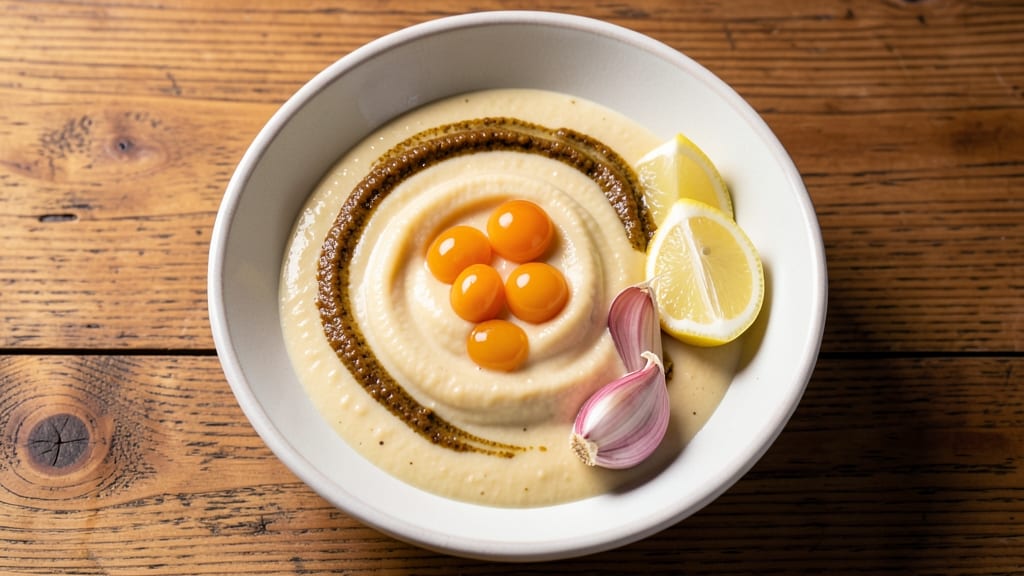
This Caesar salad dressing recipe with raw egg delivers that iconic, velvety texture you crave while keeping the bold flavors intact. The secret lies in proper emulsification—where raw egg yolks bind the ingredients into a silky, creamy sauce without overpowering the tangy anchovy and zesty lemon.
I've perfected this version over years of testing, ensuring it's rich, flavorful, and safe when handled correctly.
The recipe starts with a blend of Dijon mustard and Worcestershire sauce as the flavor foundation, then builds layers of umami with anchovy paste (or a vegan alternative) and garlic.
The raw egg yolks act as the natural emulsifier, creating that signature creamy consistency without the need for store-bought mayo or heavy cream. For safety, I recommend using pasteurized eggs or a trusted raw-egg alternative like aquafaba if you're concerned about salmonella risk.
What sets this dressing apart is how it coats every leaf of romaine with a perfectly balanced sauce—tangy, savory, and just sweet enough from the touch of sugar. The texture remains smooth and clingy, even after chilling, thanks to the proper emulsification technique.
It's the kind of dressing that transforms a simple salad into a restaurant-worthy dish, with every bite delivering that classic Caesar experience.
Once you've made it, you'll want to keep a jar in your fridge for quick salads, dips, or even as a marinade for grilled chicken. The dressing stays fresh for up to a week, though I find it tastes best within the first few days.
For those with dietary restrictions, I'll share a foolproof vegan adaptation in the variations section—just as creamy, just as delicious.
Ingredients for caesar salad dressing recipe raw egg
Classic Caesar dressing starts with these 11 simple ingredients for restaurant-style creaminess.
| Ingredient | Amount | Notes |
|---|---|---|
| Large Egg Yolks 🥚 | 3 whole | Pasteurized or fresh, room temperature |
| Dijon Mustard 🌶️ | 1 tbsp | High-quality, tangy variety |
| Worcestershire Sauce 🍶 | 1 tbsp | Vegetarian version preferred |
| Anchovy Paste 🐟 | 1 tsp | Or 1 anchovy fillet, finely chopped |
| Garlic Cloves 🧄 | 1 whole | Minced or pressed, not powdered |
| Lemon Juice 🍋 | 1 tbsp | Freshly squeezed, no pulp |
| Granulated Sugar 🍬 | ½ tsp | Adjust to taste |
| Extra-Virgin Olive Oil 🫒 | ½ cup | High quality, fruity flavor |
| Vegetable Oil 🫒 | ¼ cup | For thinning, neutral flavor |
| Kosher Salt 🧂 | ½ tsp | Diamond Crystal preferred |
| Black Pepper 🌶️ | ¼ tsp | Freshly ground for best flavor |
The yolks are non-negotiable—pasteurized eggs are safest if you're avoiding raw eggs entirely. Trader Joe's and Whole Foods carry pasteurized eggs in the refrigerated section, or grab the Parmalat brand if you're in a pinch. For the anchovy, Brummel brand is my go-to—it dissolves smoothly without fishy aftertaste. The olive oil matters too; California Olive Ranch or Colavita give that fruity punch. If you're using anchovy fillets, chop them finely and let them sit in the mustard for 5 minutes to soften.
No anchovy paste? Vegetarian Worcestershire sauce plus 1/2 tsp soy sauce mimics the umami. Short on olive oil? Avocado oil works too, but it's less flavorful. The mustard can be swapped for Dijon-style yellow mustard if you prefer milder tang. For a vegan version, replace the yolks with 3 tbsp aquafaba (chickpea brine) or 1/4 cup silken tofu blended smooth. The sugar is optional but balances the acidity—skip if you're watching carbs. If your dressing breaks, whisk in 1 tsp more olive oil to re-emulsify.
This keeps for 5-7 days in an airtight jar in the fridge, but tastes best within 3 days. For longer storage, freeze in 2 tbsp portions—thaw overnight in the fridge. I always double the batch; leftover dressing works great as a dip for veggie sticks or a marinade for grilled chicken. If it thickens in the fridge, stir in 1-2 tsp water or lemon juice to loosen it back up.
Why You'll Love This Recipe
- Five-Ingredient Magic: I swear, this dressing comes together with just yolks, mustard, Worcestershire, anchovy paste, and garlic—no fussing, no measuring cups of weird spices. Honestly, the only "work" is whisking until it’s thick enough to coat a spoon, and even that takes less time than waiting for store-bought to thaw.
- Umami Bomb: That raw egg yolk? Creamy, rich, and alive with flavor. The anchovy paste and Worcestershire hit like a savory punch, while the garlic—roasted or raw, your call—adds that sharp, aromatic kick. It’s the kind of dressing that makes you pause mid-bite, like, "Wait, is this actually real?"
- Weeknight Superstar: Dressing made this fast? Perfect for when you’re starving but don’t want to slave over dinner. Toss it on grilled chicken, crackers, or even eggs—no one will guess it took you 10 minutes to make. (Yes, even on a Tuesday night.)
- Budget Hack: Anchovy paste and egg yolks stretch your dollar further than any bottled Caesar out there. I’ve made a whole batch for $3 and still had enough to drizzle on my next grocery haul’s romaine. Plus, the leftovers? They keep for days in the fridge, ready to rescue a sad salad.
Step-by-step instructions for Caesar salad dressing with raw egg
Here's how to make the classic Caesar dressing—rich, creamy, and perfectly balanced every time.
Whisk Egg Yolks and Mustard Until Smooth
In a medium bowl, combine the 3 whole large egg yolks and 1 tablespoon Dijon mustard. Whisk vigorously for 1-2 minutes until the mixture becomes thick, pale yellow, and completely smooth. You're looking for a ribbon-like consistency—this forms the creamy base of your dressing.
This step is crucial for emulsification. If you see any streaks of egg yolk remaining, keep whisking. I like to use a fork first to break up any lumps before switching to a whisk for better control. The yolks should be at room temperature for best results—this prevents the dressing from becoming too thick.
Gradually Add Oils While Whisking Constantly
Slowly drizzle in the ½ cup extra-virgin olive oil while whisking continuously. Start with just a few drops at first, then gradually increase the flow to a thin stream. The mixture will begin to thicken and turn into a creamy emulsion. This process should take about 2-3 minutes total.
Here's where the magic happens: the oils emulsify with the egg yolks to create that signature velvety texture. If you add the oil too quickly, you'll end up with a broken dressing. I like to pause occasionally to scrape the sides of the bowl with a silicone spatula—this ensures everything gets fully incorporated.
Once all the olive oil is incorporated, repeat the process with the ¼ cup vegetable oil. This neutral oil helps thin the dressing slightly and prevents it from becoming too rich. The final mixture should be thick but pourable—like heavy cream.
Incorporate Remaining Ingredients
Add the 1 tablespoon Worcestershire sauce, 1 teaspoon anchovy paste, 1 minced garlic clove, 1 tablespoon lemon juice, ½ teaspoon granulated sugar, ½ teaspoon kosher salt, and ¼ teaspoon black pepper to the bowl. Stir gently with a wooden spoon to combine all ingredients thoroughly.
The anchovy paste adds that classic umami depth, while the lemon juice brightens the flavors. I always taste at this stage to check the balance—it should be tangy, savory, and slightly sweet. If it needs more acidity, add a splash more lemon juice. For extra richness, you could add a pinch more salt, but don't overdo it.
Thin to Desired Consistency
If the dressing is too thick for your liking, gradually add 1-2 tablespoons of cold water while stirring continuously. For a lighter dressing, you might need up to ¼ cup total. The dressing should coat the back of a spoon but still be pourable. I prefer mine on the thicker side—it clings better to romaine lettuce.
If you're using this dressing immediately, you can proceed to toss with your salad. For best results, cover and refrigerate for at least 1 hour before using. This allows the flavors to meld together perfectly. The dressing will keep in the fridge for up to 5 days, though I always make fresh batches to enjoy the peak flavor.
Use Immediately or Store Properly
For immediate use, toss your Caesar salad with the dressing just before serving. The freshness of the dressing makes all the difference in that classic creamy texture. If storing, transfer to an airtight container and refrigerate. When ready to use, give it a good stir—sometimes it thickens slightly when chilled.
Remember, this dressing contains raw egg, so it's important to use pasteurized eggs if you're concerned about safety. The dressing should be used within 5 days when refrigerated. For a safer alternative, you can make a quick pasteurized version by gently heating the egg yolk mixture to 160°F before adding other ingredients, though this will slightly alter the texture.
Pro Tips For Making Caesar Salad Dressing Recipe Raw Egg
- Whisk Egg Yolks Slowly: Start with just 1 yolk and mix it into the mustard first—this prevents the eggs from scrambling when you add the rest. I learned this the hard way after ending up with a lumpy, sad pile of curdled yolk. Once that first yolk is fully emulsified, add the remaining yolks one at a time.
- Toast the Garlic: Smash the garlic cloves and let them sit in a dry pan over medium heat for 30 seconds before adding oil—this deepens their flavor without burning. I used to skip this, and the dressing always tasted flat until I tried it. Works even better if you crush the cloves with the flat side of your knife first.
- Skip the Ice Bath: If your dressing thickens too fast, stop whisking and let it sit for 2 minutes before adding more liquid. I used to panic and dump in cold water, which thins it out and dulls the flavor. Patience here keeps the texture rich and creamy.
- Use Fresh Anchovies: Open the anchovy paste packet right before mixing—oxidized paste turns bitter and overpowers the dressing. I used to buy the big tub and forget it was in the fridge for weeks. Fresh paste makes all the difference, even if you only need a teaspoon.
Wine and beer pairings for caesar salad dressing recipe raw egg
White Wine Pairings
A crisp, dry Chardonnay from California or Burgundy is my go-to pairing—its bright acidity and subtle citrus notes complement the dressing's tangy, garlicky flavors. Look for an unoaked version to avoid overpowering the salad's delicate balance.
A Sauvignon Blanc from New Zealand or Loire Valley also works beautifully, with its herbal and citrus undertones cutting through the richness. 🍷
Light Beer Options
For beer lovers, a Belgian witbier like Hoegaarden or Stella Artois adds a refreshing contrast with its coriander and citrus notes. The effervescence cleanses your palate between bites of creamy dressing and crisp romaine.
If you prefer something bolder, try a German Helles Lager—its malty sweetness balances the dressing's acidity without competing.
Red Wine Exception
While Caesar dressing traditionally pairs with whites, a light Pinot Noir from Oregon or Burgundy can work if you're serving it with grilled chicken. Choose a young, fruity vintage with low tannins to avoid overpowering the dish.
The red fruit notes in the wine mirror the umami depth from the anchovy, creating a surprisingly harmonious match. 🍇
Non-Alcoholic Pairings
For a refreshing non-alcoholic option, try sparkling apple cider—its effervescence and tartness mirror the dressing's brightness. A ginger beer with a splash of lime also pairs wonderfully, as the ginger's spice complements the garlic in the dressing.
For something more substantial, a sparkling water with cucumber and mint keeps the meal light and refreshing.
Dessert Wine Harmony
If you're serving Caesar salad as a starter before a richer main course, consider finishing with a Moscato d'Asti—its sweetness won't clash with the dressing's tangy flavors. The light effervescence and floral notes create a seamless transition between courses.
For a more robust pairing, a Prosecco with its crisp acidity and green apple notes bridges the gap between salad and dessert beautifully. 🍾
Nutrition facts
Frequently asked questions
Why does my Caesar dressing turn out greasy instead of creamy?
The key is gradual emulsification. If you add oil too quickly, the egg yolks can't bind properly, creating a broken dressing. Start with just a few drops of oil while whisking vigorously, then slowly increase the stream. For extra insurance, use a whisk with a long handle to create more air incorporation. If it happens, whisk in 1 teaspoon more olive oil to re-emulsify.
Can I make this dressing without raw eggs?
For a safer version, use pasteurized eggs or try 3 tablespoons aquafaba (chickpea brine) for a vegan option. You'll need to whisk the aquafaba for 3-4 minutes until it forms stiff peaks before adding oils. The texture will be slightly lighter but still creamy. Another option is 1/4 cup silken tofu blended smooth—it works surprisingly well.
How do I fix dressing that's too thick or separated?
For thick dressing, thin with 1-2 tablespoons cold water while stirring. If separated, whisk in 1 teaspoon olive oil to re-emulsify. For prevention, store in an airtight container and stir well before using. If it still breaks, the issue might be too much acid (lemon juice)—balance it with a pinch more sugar or a splash of water.
What's the best way to store leftover dressing?
Transfer to an airtight container and refrigerate for up to 5 days. The dressing may thicken slightly when chilled—stir in 1-2 teaspoons water or lemon juice to restore consistency. For longer storage, freeze in 2-tablespoon portions. Thaw overnight in the fridge—never at room temperature to prevent bacterial growth.
Can I use this dressing on other dishes besides salad?
Yes! This versatile dressing works as a dip for veggie sticks or crostini, a marinade for grilled chicken or shrimp, or even a sauce for pasta. For pasta, thin with a bit more water and toss with cooked noodles. The anchovy and Worcestershire add great depth to proteins, while the creamy texture coats everything beautifully.