
Salads
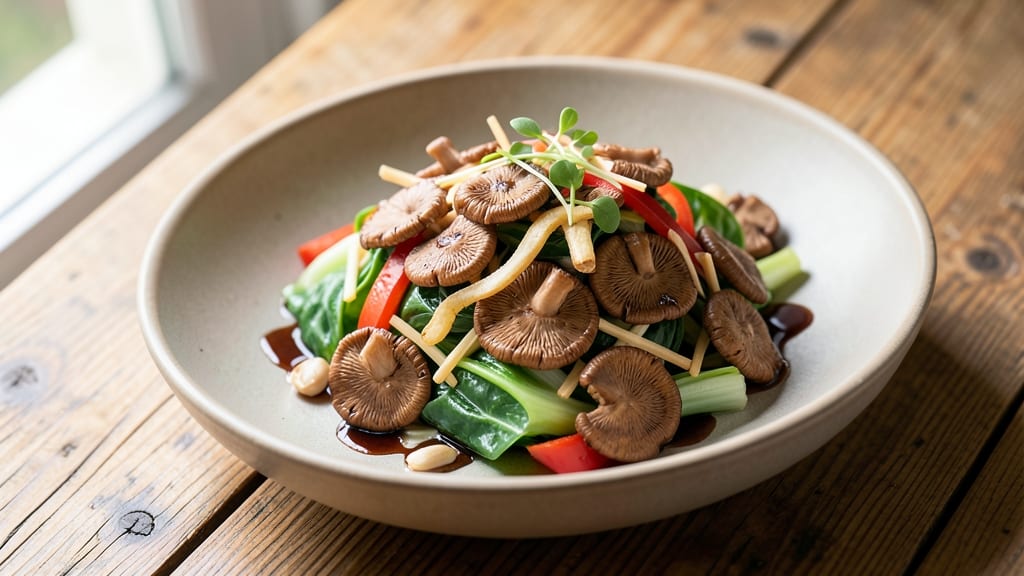
This black fungus salad recipe transforms a humble ingredient into a symphony of silky texture and umami depth, perfect for vegetarian meals or elegant gatherings.
The key lies in properly rehydrating the black fungus—soaking it until tender yet still holding its delicate structure—before pairing it with crisp vegetables and a bright dressing.
I developed this recipe after discovering how much richer the flavor becomes when the fungus absorbs just the right amount of liquid, creating that signature chewy-yet-silky bite.
The beauty of this dish is its versatility—prepare it cold for a refreshing salad or lightly stir-fry the ingredients for a warm, aromatic version.
Traditional preparations often include garlic, soy sauce, and sesame oil, but I’ve added a modern twist with a touch of chili crisp for heat and a splash of lime for brightness. The result? A salad that’s both comforting and exciting, with layers of flavor in every bite.
What makes this recipe stand out is the contrast of textures: the crunchy vegetables, the silky fungus, and the creamy dressing all come together harmoniously. It’s a dish that feels special yet simple to assemble, making it ideal for weeknight dinners or special occasions.
The umami-rich black fungus serves as the star, while the supporting ingredients elevate it to something truly memorable.
Whether you’re serving this as a side or a main course, the salad’s vibrant colors and complex flavors will impress. The dressing can be adjusted to your taste—sweeter, tangier, or spicier—so you can tailor it to your preferences.
Let’s bring this dish to life with a few simple steps and ingredients you likely already have on hand.
Ingredients for black fungus salad
A symphony of textures and umami—this salad transforms simple ingredients into something extraordinary.
| Ingredient | Amount | Notes |
|---|---|---|
| Dried Black Fungus (Wood Ear Mushrooms) 🍄 | 1 oz | Rehydrated in hot water |
| Baby Bok Choy 🥬 | 4 whole | Stems sliced thinly |
| Shiitake Mushrooms 🍄 | 6 whole | Stems removed, caps sliced |
| Red Bell Pepper 🌶️ | 1 whole | Thinly sliced, seeds removed |
| Fresh Ginger 🧄 | 1 tbsp | Finely grated, fresh preferred |
| Garlic Cloves 🧄 | 3 cloves | Minced, fresh preferred |
| Sesame Oil 🫒 | 1 tbsp | Toasted, for aroma |
| Lime Juice 🍋 | 2 tbsp | Freshly squeezed |
| Chili Crisp 🔥 | 1 tbsp | Adjust for heat preference |
| Low-Sodium Soy Sauce 🥄 | 2 tbsp | For umami depth |
| Extra-Virgin Olive Oil 🫒 | 2 tbsp | For dressing |
| Toasted Sesame Seeds 🌰 | 1 tbsp | For garnish |
| Diamond Crystal Kosher Salt 🧂 | ½ tsp | For seasoning |
| Black Pepper 🌶️ | ¼ tsp | Freshly ground |
The black fungus is the heart of this dish, so source dried wood ear mushrooms from an Asian market or specialty store—they’re often sold in bulk and keep for months. Look for pieces that are dark, pliable, and free of grit. Trader Joe’s carries a good quality pre-packaged version if you’re short on time. Fresh ginger and garlic should be vibrant—no shriveled cloves or dull-colored roots. For the bok choy, choose heads with crisp stems and tightly packed leaves, a sign of freshness. Shiitake mushrooms should be firm with tightly closed caps, indicating they haven’t dried out. The chili crisp is non-negotiable for that signature heat—Lao Gan Ma is the gold standard, but any brand with a smooth, oily texture works.
No fresh ginger? Substitute with 0.5 tbsp ground ginger, but you’ll lose some brightness. Running out of sesame oil? Avocado oil or light olive oil works in a pinch, though the flavor won’t be identical. Prefer less heat? Reduce the chili crisp to 0.5 tbsp or swap for 1 tsp sriracha. The soy sauce can be regular or tamari, but low-sodium is ideal to avoid overpowering the delicate flavors. For the red bell pepper, any color works—just ensure it’s firm and free of soft spots. The dressing can be adjusted to taste: more lime for brightness, more olive oil for richness.
Rehydrate the black fungus in 4 cups hot water for 20-30 minutes until pliable but still holding shape—drain and pat dry before slicing. Store the dried fungus in an airtight container for up to 6 months, while fresh ginger lasts 2 weeks in the fridge wrapped in a damp towel. The salad components keep separately for 3-4 days in the fridge, allowing you to assemble as needed. For best texture, toss the vegetables with the dressing just before serving—this preserves the crunch and prevents sogginess. The chili crisp stays potent for 6 months unopened in a cool, dark place.
Why You'll Love This Recipe
- No-Soak Shortcut: I’ll admit, I used to dread prepping dried black fungus—until I discovered soaking it in warm water for just 10 minutes. That’s it. No overnight soaking, no waiting hours. The texture? Still perfect—chewy yet tender—without any fuss.
- Umami Bomb Combo: Between the earthy black fungus, meaty shiitakes, and that fresh ginger kick, every bite feels like a flavor explosion. The red bell pepper adds a bright crunch, but honestly? The real star is how those mushrooms soak up the dressing like a sponge—no blandness here.
- Lunchbox Legend: This salad holds up like a champ. Pack it the night before, and it’s still crisp and satisfying the next day. My kids actually ask for it—yes, even on a Tuesday night—and it’s the only salad that survives my toddler’s “I don’t like this” phase.
- Pantry Stash Winner: Black fungus lasts forever, shiitakes freeze beautifully, and bok choy stays fresh longer than most greens. I batch-cook this when I spot dried mushrooms on sale, then mix and match with whatever’s in the fridge. Budget-friendly and zero waste? That’s my kind of recipe.
Step-by-step instructions for black fungus salad
Transform delicate dried black fungus into a vibrant, umami-rich salad with contrasting textures and bold flavors.
Rehydrate the Dried Black Fungus
Place the 1 oz dried black fungus in a heatproof bowl and pour 2 cups boiling water over it. Let it soak for 15-20 minutes until fully rehydrated and pliable. Gently squeeze out excess water using your hands—you want the texture to remain tender but not soggy. This step is crucial as improper rehydration can make the fungus either too soft or too chewy.
Once rehydrated, use a sharp knife to cut the black fungus into ¼-inch wide strips. Set aside on a clean plate. The fungus should now have a silky, almost translucent appearance with a delicate crunch. Avoid over-handling, as it can become mushy.
Prepare the Vegetable Components
Slice the stems of the 4 whole baby bok choy into ¼-inch thick half-moons and separate the leaves. For the 6 whole shiitake mushrooms, remove the stems and slice the caps into ¼-inch thick pieces. Thinly slice the 1 whole red bell pepper lengthwise, then cut into ¼-inch strips, removing seeds and membranes first.
Finely grate the 1 tbsp fresh ginger using a microplane or fine grater, and mince the 3 cloves garlic into a paste using a knife or garlic press. These aromatics will form the flavor base of your dressing. Keep all prepared vegetables in separate bowls until ready to combine.
Create the Dressing
In a small bowl, whisk together the 2 tbsp extra-virgin olive oil, 2 tbsp lime juice, 2 tbsp low-sodium soy sauce, 1 tbsp toasted sesame oil, 1 tbsp chili crisp, 0.5 tsp kosher salt, and 0.25 tsp black pepper. The dressing should be smooth with a vibrant, slightly tangy aroma. Taste and adjust the balance—add more lime for brightness or soy sauce for umami depth.
In a separate small bowl, combine the grated ginger and minced garlic with 1 tablespoon of the dressing. Let this mixture sit for 5 minutes to allow the flavors to meld. This infusion will deepen the aromatic profile of your salad.
Assemble the Salad
In a large mixing bowl, combine the rehydrated black fungus, baby bok choy, shiitake mushrooms, and red bell pepper. Gently toss everything together with your hands or a spatula, being careful not to bruise the delicate vegetables. The goal is to distribute the ingredients evenly while preserving their individual textures.
Pour the remaining dressing over the salad and toss gently until everything is evenly coated. The salad should glisten slightly from the dressing, indicating proper distribution. Let it sit for 5 minutes to allow the flavors to penetrate all components.
Garnish and Serve
Transfer the salad to a serving platter and sprinkle evenly with 1 tbsp toasted sesame seeds. The seeds will add a final textural contrast and nutty depth to each bite. Serve immediately while the ingredients are still crisp and the dressing is vibrant.
This black fungus salad delivers a perfect balance of silky texture from the rehydrated fungus, crisp crunch from the vegetables, and complex umami flavors from the dressing. Each component should be distinct yet harmonious, creating a visually stunning dish that's as impressive to eat as it is to look at.
Pro Tips For Making Black Fungus Salad
- SOAK BLACK FUNGUS LONG: Dried wood ear mushrooms need at least 30 minutes in warm water—45 if they’re thick—to soften properly. I learned this the hard way when my salad had chewy, stubborn bits that ruined the texture.
- TRIM BOK CHOY CLEANLY: Use a sharp knife to slice the baby bok choy into even ½-inch pieces, starting from the base and working upward. Uneven cuts mean some parts overcook while others stay crunchy—no one wants that.
- STOP SHIITAKES HALFWAY: Cook shiitake mushrooms just until they’re tender but still hold shape—about 3-4 minutes in a hot pan. Overcooking turns them mushy, and that’s a shame since they’re the salad’s star.
- GINGER JUICE NOT PASTE: Grate fresh ginger and squeeze out excess liquid with your hands before adding it to the salad. The juice dilutes flavor, and you want that zingy kick—not a watery mess. Trust me, it matters.
Wine and beer pairings for this dish
Crisp White Wine
For this umami-rich salad, I recommend a dry Riesling or Sauvignon Blanc from New Zealand—both wines cut through the funky depth of the black fungus while complementing the citrusy lime and chili crisp.
A 2022 Cloudy Bay Sauvignon Blanc from Marlborough offers bright green apple and grapefruit notes that refresh your palate between each silky bite. Serve slightly chilled (45-50°F) to enhance its crisp acidity. 🍷
Light-Bodied Beer
A Japanese lager like Asahi Super Dry or Sapporo provides the perfect balance—its subtle malt sweetness and clean finish won’t overpower the salad’s complex flavors.
For a craft option, try a Belgian witbier such as Stella Artois Wit with its coriander and orange peel notes, which mirror the ginger and lime in the dressing. Keep the beer well-chilled (38-40°F) to preserve its crispness. 🍺
Rosé for Warm Versions
If you’re serving the salad warm (stir-fried style), a dry Provence rosé like Whispering Angel or Château d’Esclans works beautifully. The strawberry and citrus notes harmonize with the caramelized mushrooms and black fungus, while its acidity cleanses the palate.
Opt for a 2022 vintage or newer to ensure freshness. Serve at 50-55°F for optimal balance. 🍇
Non-Alcoholic Pairings
For a refreshing non-alcoholic option, try sparkling yuzu soda—its citrusy effervescence mirrors the lime in the dressing. Alternatively, a ginger beer like Feather’s (with 1 oz lime juice added) enhances the salad’s spicy and umami layers.
Serve both over ice for a crisp, vibrant contrast to the rich textures. 🥤
Dessert Wine Contrast
End the meal with a dry sparkling wine like Prosecco or Cava to reset your palate after the salad’s bold flavors. The effervescence and light fruitiness provide a refreshing counterpoint, making the umami experience feel complete.
A 2022 La Marca Prosecco is my go-to for its crisp acidity and bright apple notes. 🥂
Nutrition facts
Frequently asked questions
How do I know when black fungus is properly rehydrated?
The fungus should become pliable and slightly translucent after 15-20 minutes in hot water, but still hold its shape when squeezed gently. Over-soaking (30+ minutes) will make it mushy, while under-soaking (10 minutes) leaves it chewy. The ideal texture is silky yet firm—like a well-cooked pasta.
Can I substitute fresh wood ear mushrooms for dried?
Fresh wood ear mushrooms work but require different prep: slice them thinly (1/8-inch) and sauté for 3-4 minutes in sesame oil until tender. They’re less chewy than rehydrated dried fungus, so add 1 extra cup to match the texture. Fresh versions are harder to find—check Asian markets or specialty stores.
What if I don’t have chili crisp? What’s the best substitute?
Mix 1 tsp sriracha with 1 tsp honey for heat and sweetness, or use ½ tsp gochujang (Korean chili paste) for deeper umami. For no-spice options, add ½ tsp smoked paprika or a pinch of cayenne. The dressing will still work—just adjust other flavors (more lime for brightness, more soy sauce for depth).
How far ahead can I prep this salad?
Prep all components 1 day ahead (rehydrate fungus, chop veggies, make dressing) and store separately in airtight containers. Keep the dressing separate until serving to maintain crispness. Rehydrated fungus stays fresh for 2 days in the fridge—just pat dry before using. The best texture comes from tossing everything 10 minutes before serving.
Is this salad safe for people with mushroom allergies?
This recipe contains wood ear mushrooms (black fungus), which are different from common allergy-triggering mushrooms like portobello or shiitake. However, if someone has a severe mushroom allergy, they should avoid all types. For a safe alternative, substitute with extra-firm tofu (cubed and pan-fried) or crispy baked chickpeas for texture. Always check with a doctor first.