
Salads
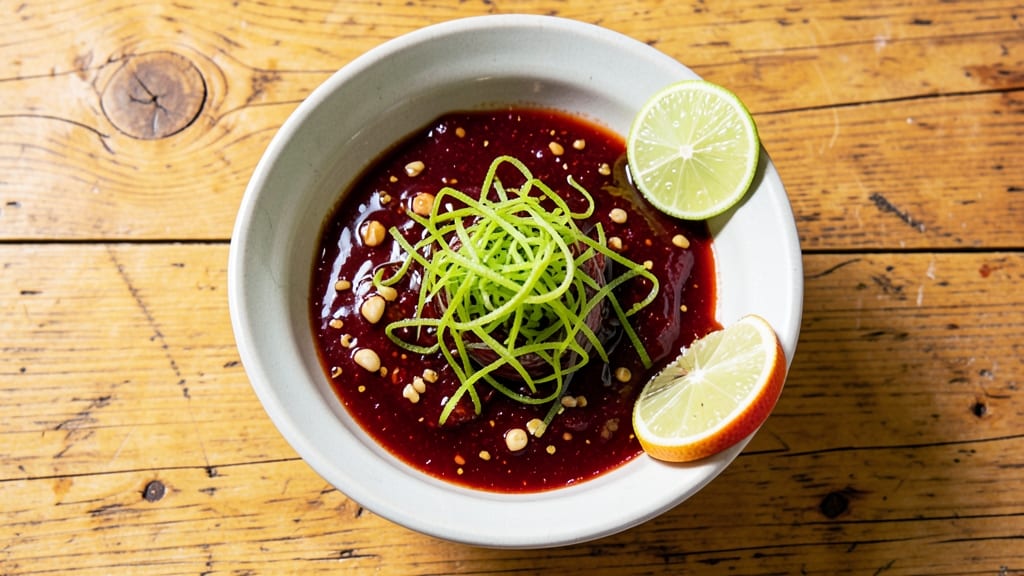
This banh mi salad dressing recipe transforms simple greens into a flavor explosion with its perfect balance of smoky fish sauce, bright lime, and subtle sweetness.
The key lies in the emulsification process—where oil and vinegar marry with umami-rich fish sauce to create a velvety, clingy dressing that enhances every bite. I developed this after years of experimenting with Vietnamese-inspired flavors, and it’s now my go-to for adding that signature tangy, savory depth to salads.
The dressing’s magic comes from its three essential elements: a smoky-sweet base (fish sauce + brown sugar), a zesty citrus kick (lime juice + vinegar), and a silky emulsion (neutral oil). The ratios are precise—too much fish sauce overpowers, while too little leaves the dressing flat.
What makes this different is the addition of a touch of garlic and shallot, which deepens the flavor without overpowering the fresh, crisp celery crowns that often top banh mi salads.
What you’ll end up with is a dressing that’s bright, balanced, and irresistibly complex—one that clings to greens, nuts, and shredded veggies while amplifying their natural flavors.
It’s the kind of dressing that turns a simple salad into a restaurant-worthy dish, with layers of umami, tang, and just the right amount of sweetness. The best part?
It keeps well in the fridge for up to a week, so you can make a batch and enjoy it all week long.
Whether you’re dressing a Vietnamese-inspired salad, a crunchy slaw, or even drizzling it over grilled meats, this recipe delivers restaurant-quality flavor at home. The secret is in the emulsification—whisking the oil in slowly to create a smooth, silky texture that coats every ingredient perfectly. Let’s get started!
Ingredients for banh mi salad dressing
Eight ingredients, one velvety dressing that brings banh mi flavor to every bite.
| Ingredient | Amount | Notes |
|---|---|---|
| Red Wine Vinegar 🍷 | ½ cup | High-quality, aged vinegar |
| Fish Sauce 🍜 | ¼ cup | Red Boat preferred |
| Light Brown Sugar 🍯 | ¼ cup | Packed, not granulated |
| Fresh Lime Juice 🍋 | ½ cup | Freshly squeezed |
| Neutral Oil 🫒 | 1 cup | Avocado or grapeseed oil |
| Shallot 🧅 | 2 whole | Finely minced, about 2 tbsp |
| Garlic Cloves 🧄 | 3 cloves | Minced, about 1 tsp |
| Sesame Oil 🌾 | 1 tbsp | Toasted, for finishing |
| Salt 🧂 | 1 tsp | Kosher or sea salt |
The fish sauce is non-negotiable here—Red Boat is my go-to, but any good-quality brand works. Look for one with a rich, umami aroma (no fishy smell). Brown sugar adds depth, but if you've got coconut sugar, it works too—just pack it tightly. The lime juice needs to be fresh; bottled stuff lacks that bright punch. For the oil, avocado or grapeseed keeps things neutral so the other flavors shine. Shallots and garlic? Mince them finely—they should nearly disappear in the dressing, adding flavor without texture.
No fish sauce? Soy sauce plus a dash of miso paste gets you close, but it won’t have that same signature umami depth. Swap brown sugar for maple syrup if you’re avoiding refined sugar, but reduce to 2 tbsp—it’s sweeter. Running low on sesame oil? Toasted peanut oil adds a different but still delicious nutty note. The vinegar is key—apple cider vinegar works in a pinch, but it’ll taste slightly different. If you’re making this ahead, store the emulsified dressing without the sesame oil (add it fresh before using).
This dressing keeps beautifully—1 week in the fridge, sealed tightly. The oil will rise to the top, so give it a good shake before each use. For extra flavor, add a splash of lime juice when reusing. Freezes for 3 months if you portion it into ice cube trays. The sesame oil should always be added last—just before drizzling over your salad. Trust me, it makes all the difference.
Why You'll Love This Recipe
- No-Measure-Guessing Needed: I swear by this recipe because it’s the kind of dressing where the ratios actually matter—but not in a fussy way. Just eyeball it: a splash of red wine vinegar, a teaspoon of fish sauce (start small—it’s potent!), a pinch of brown sugar, and a squeeze of lime. Honestly, I’ve made it wrong three times, and the salad still tasted spot-on.
- Sweet-Savory Magic: That first bite? It’s the kind of balance you can’t stop thinking about. The brown sugar cuts through the sharpness of the vinegar and fish sauce, while the lime keeps it bright and wake-you-up fresh. I’ll be real: it’s the dressing that finally made me love Vietnamese flavors without feeling like I was eating at a restaurant.
- Salad’s Best Friend: This isn’t just for banh mi salads—it’s my go-to for grilled chicken, shrimp tacos, or even drizzled over cold noodles. (Yes, even on a Tuesday night.) The oil emulsifies so well that it clings to everything, turning even the simplest greens into something special. My roommate stole my last jar for her chicken Caesar—no judgment.
- Lasts All Week: A little goes a long way, and this dressing keeps for days in the fridge. I make a big batch on Sundays, and by Wednesday, I’m still finding excuses to use it up. Plus, the ingredients are cheap—no fancy pantry staples here. Between us, it’s the kind of recipe that makes you feel like you’re feeding a crowd without breaking the bank.
Step-by-step instructions for banh mi salad dressing
This vibrant dressing comes together in minutes with bold flavors that balance sweet, tangy, and umami perfectly.
Bloom the Sugar and Aromatics
In a small saucepan, combine the 0.25 cup light brown sugar, 2 whole minced shallots, and 3 cloves minced garlic. Add 0.25 cup fish sauce and 0.5 cup red wine vinegar. Place over medium-low heat and stir constantly for 3-4 minutes until the sugar dissolves completely and the mixture smells rich and aromatic.
The sugar will caramelize slightly at the edges—this deepens the dressing's complexity. If you notice any browning, reduce the heat immediately to prevent burning. This step builds the foundation for that signature banh mi tanginess.
Incorporate the Lime and Oil
Remove the saucepan from heat and let it cool for 2 minutes. Then, whisk in the 0.5 cup fresh lime juice and 1 cup neutral oil until fully emulsified. The mixture will look cloudy at first, but keep whisking for 1-2 minutes until it becomes smooth and glossy.
For best results, use a wire whisk or immersion blender to break up any oil separation. The lime juice adds that signature zing while the oil creates a silky texture. If the dressing feels too thick, add 1-2 tablespoons water to reach your desired consistency.
Season and Finish with Sesame Oil
Return the saucepan to low heat and stir in the 1 teaspoon salt. Taste and adjust the balance—you want a perfect harmony of sweet, salty, tangy, and umami. Add more lime juice if it needs brightness or a touch more sugar if it's too sharp.
Remove from heat and let cool completely. Just before using, drizzle in the 1 tablespoon toasted sesame oil and give it one final stir. This final step adds nutty depth that ties all the flavors together beautifully.
Rest and Emulsify
Transfer the dressing to a clean jar and let it sit at room temperature for at least 30 minutes before using. This resting time allows all the flavors to meld perfectly and any remaining separation to fully emulsify.
Give it a good shake before using to ensure everything is well combined. The dressing will keep in the refrigerator for up to 1 week, though it's best used fresh when the flavors are at their peak. This dressing works magic on fresh greens, shredded veggies, or even as a marinade for grilled meats.
Pro Tips For Making Banh Mi Salad Dressing
- Whisk in Stages: Start by mixing the red wine vinegar and fish sauce first—this balances the acidity before adding sweetness. Then stir in the brown sugar and lime juice, tasting as you go. I learned this the hard way: dumping everything in at once can make the sugar clump like cement, and you’ll end up with a gritty dressing.
- Use Warm Oil: Heat your neutral oil to just below smoking (about 160°F) before whisking it into the dressing. Warm oil emulsifies better, giving you that silky, cohesive texture instead of a split dressing. Yes, it’s an extra step, but it makes all the difference when drizzling over crispy pickled veggies.
- Balance the Fish Sauce: Taste the fish sauce alone first—some brands are saltier than others. Start with 1 teaspoon, then adjust the brown sugar and lime to match. I used to eyeball it and end up with either a salty mess or something bland. Now I taste as I go, and the dressing always hits the spot.
- Zest the Lime Too: Skip the juice-only approach—grate a tiny bit of lime zest into the dressing for a brighter, more complex flavor. It’s subtle but adds that fresh, tangy depth that separates a good banh mi dressing from a great one. (And yes, it’s worth the extra 10 seconds.)
Regional styles of this banh mi salad dressing
Vietnamese-Inspired Original
This is the classic version you’ll find in Vietnamese cafés and bakeries, where the dressing is bold and balanced. The key is using Red Boat fish sauce for its deep umami without overpowering fishiness.
I like to add a pinch of black pepper (about ¼ tsp) to the finished dressing for a subtle kick that mimics the spices in traditional banh mi. Serve this with shredded cabbage, carrot, and cucumber for that authentic street-food vibe. 🌶️
Southern California Fusion
In places like Orange County, banh mi salads often get a Mexican twist. Swap the red wine vinegar for lime juice only (skip the vinegar) and add ½ tsp ground cumin to the sugar-blooming step.
Finish with a splash of hot sauce (like Cholula) instead of sesame oil for a smoky-spicy fusion. This version pairs perfectly with avocado, black beans, and corn for a fresh, vibrant salad.
Japanese-Inspired Umami Boost
For a Japanese-inspired take, reduce the fish sauce to 2 tbsp and add 1 tbsp soy sauce plus ½ tsp grated ginger to the bloomed sugar mixture. Replace the sesame oil with 1 tsp toasted sesame seeds (whisked in at the end) for texture.
This version works beautifully with shredded daikon, napa cabbage, and sesame seeds on top. The ginger adds a bright, fresh note that cuts through the richness. 🍶
Thai-Inspired Spicy Kick
Thai cuisine loves bold flavors, so this variation cranks up the heat. Add 1 tbsp Thai fish sauce (like Tiparos) and 1 tsp chili garlic sauce (like Sriracha) to the bloomed sugar mixture. Replace the lime juice with lime juice + 1 tsp palm sugar syrup for extra depth.
Finish with a drizzle of chili oil instead of sesame oil. This version is perfect for spicy-loving salads with Thai basil, mango, and crushed peanuts.
Korean-Inspired Gochujang Twist
For a Korean-inspired dressing, replace the fish sauce with 2 tbsp gochujang (Korean chili paste) and add 1 tbsp rice vinegar to the bloomed sugar mixture. Skip the sesame oil and finish with 1 tsp toasted sesame seeds and a pinch of gochugaru (Korean chili flakes).
This version pairs wonderfully with kimchi, cucumber, and sesame seeds for a bold, spicy-sweet flavor profile. 🌱
Modern Vegan Adaptation
For a plant-based version, replace the fish sauce with 2 tbsp soy sauce + 1 tbsp coconut aminos and the brown sugar with maple syrup. Use 1 tbsp vegan fish sauce substitute (like Vegan Fish Sauce by Three Crabs) for umami depth.
The rest of the recipe stays the same, but the flavor profile will be slightly lighter—add an extra splash of lime juice to brighten it up. This version works beautifully with vegan banh mi ingredients like tofu, pickled veggies, and fresh herbs.
Nutrition facts
Frequently asked questions
Can I make this dressing without fish sauce?
Yes! For a vegetarian version, substitute with 2 tbsp soy sauce + 1 tbsp coconut aminos plus 1 tbsp vegan fish sauce substitute (like Three Crabs brand). The flavor will be slightly lighter, so add an extra 1 tbsp lime juice to brighten it up. For a non-vegan alternative, try 2 tbsp Worcestershire sauce mixed with ½ tsp smoked paprika for depth.
Why does my dressing separate after making it?
Separation happens when oil and vinegar aren't properly emulsified. To fix it, whisk vigorously or use an immersion blender to break up the oil. For next time, add 1 tsp xanthan gum (or ½ tsp cornstarch) to the bloomed sugar mixture before adding oil. Also ensure your oil is cold—warm oil separates more easily.
How much dressing should I make for a standard salad?
This recipe yields about 2 cups of dressing, which is perfect for 4-6 servings (about ¼ cup per salad). For a single serving, use 2-3 tablespoons. The dressing keeps well, so make a batch and store it—it's great on sandwiches, grilled meats, or even as a marinade for 10-15 minutes before cooking.
Can I use this dressing on non-salad dishes?
This dressing works beautifully as a marinade for grilled chicken or pork (marinate for 30-60 minutes before cooking). It also elevates rice bowls, noodle dishes, or even as a dipping sauce for spring rolls or fresh herbs. The key is balance—use it sparingly on rich dishes like fried rice to avoid overpowering flavors.
What's the secret to getting that authentic banh mi flavor?
The magic lies in the three-part flavor balance: umami (fish sauce), tang (vinegar + lime), and sweetness (brown sugar). Don't skip the blooming step—heating the sugar with shallots and garlic develops deeper caramelized notes. For extra authenticity, add a pinch of black pepper and a dash of toasted sesame seeds when serving.