
Sauces & Condiments
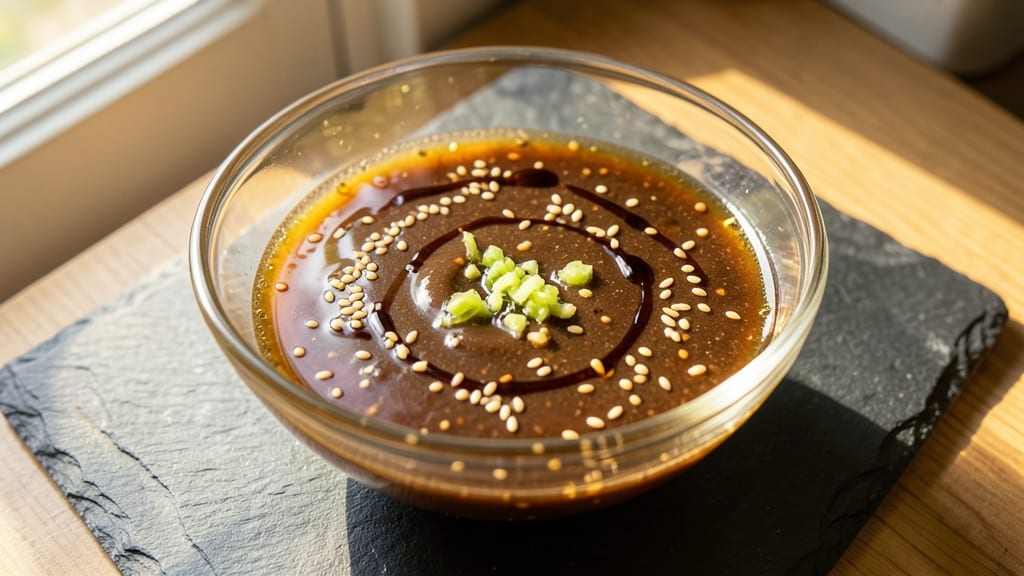
This Asian beef salad dressing recipe transforms ordinary greens into a flavor explosion with its umami-packed sesame-ginger glaze. The perfect balance of tangy soy, fresh ginger, and nutty sesame creates a dressing that elevates any salad—whether paired with tender beef strips, crisp vegetables, or both.
I developed this recipe after years of experimenting with Asian-inspired flavors, and it consistently delivers that restaurant-quality depth at home.
The secret lies in the three-stage process: first toasting sesame seeds for maximum aroma, then simmering the sauce until the flavors meld, and finally emulsifying it with a touch of honey for smoothness.
This dressing isn't just about flavor—it's about texture too, with tiny sesame seeds adding crunch to every bite. The ginger provides a bright kick, while the soy sauce delivers that signature umami richness that makes this dressing irresistible.
What makes this recipe truly versatile is how it adapts to any dish. Use it as a marinade for beef before grilling, a dipping sauce for spring rolls, or the star of your Asian-inspired salad.
The dressing keeps well in the fridge for up to two weeks, making it perfect for meal prep. For dietary flexibility, I'll show you how to easily adapt it for vegan or gluten-free needs without sacrificing flavor.
Once you try this dressing, you'll never go back to store-bought versions. The combination of toasted sesame, fresh ginger, and balanced soy creates a harmony that's both simple and sophisticated.
Whether you're hosting a dinner party or just craving something fresh and flavorful, this recipe delivers every time. Let's get started on making your salads unforgettable.
Ingredients for asian beef salad dressing
Nine ingredients, three stages—this dressing delivers restaurant-quality depth every time.
| Ingredient | Amount | Notes |
|---|---|---|
| Toasted Sesame Seeds 🌰 | 2 tbsp | Lightly toasted for aroma |
| Fresh Ginger Root 🧄 | 2 tbsp | Finely grated, peel removed |
| Low-Sodium Soy Sauce 🍶 | ½ cup | Kikkoman preferred for balance |
| Rice Vinegar 🍶 | 0.3 cup | White or seasoned variety |
| Honey 🍯 | 2 tbsp | Wildflower for floral notes |
| Sesame Oil 🫒 | 1 tbsp | Toasted sesame oil preferred |
| Garlic Cloves 🧄 | 3 cloves | Minced for depth of flavor |
| Extra-Virgin Olive Oil 🫒 | 0.3 cup | For emulsification |
| Cornstarch 🌾 | ½ tsp | For thickening consistency |
| Red Pepper Flakes 🌶️ | ½ tsp | Adjust for heat preference |
The sesame seeds are non-negotiable for that signature nutty crunch. Toast them in a dry pan for 2-3 minutes until golden—don't walk away, or they'll burn. Kikkoman soy sauce gives the perfect umami balance, but any good-quality low-sodium soy works. Fresh ginger is key here; peel and grate it yourself for maximum brightness. I always grab extra ginger at Whole Foods or my local Asian market—they keep it fresher than the grocery store. The honey should be wildflower if you can find it; Manuka honey adds an extra layer of complexity but isn't required.
No sesame oil? Avocado oil at half the amount works in a pinch, though it won't have that toasty flavor. Substituting rice vinegar? Apple cider vinegar is fine, but you'll lose some of that delicate sweetness. Want to make this vegan? Swap the honey for agave nectar—it blends just as smoothly. The cornstarch is optional but helps create that perfect silky texture; arrowroot powder works too if you prefer. For gluten-free needs, ensure your soy sauce is certified gluten-free—most regular brands contain wheat. The red pepper flakes can be omitted entirely if you prefer a milder dressing.
This dressing keeps beautifully in an airtight jar in the fridge for up to two weeks. The flavors actually improve over time as everything melds together. For extra shelf life, add a thin layer of olive oil on top before sealing—keeps it fresh for months. I always make double batches because it disappears so fast. The texture might thicken slightly when chilled, so give it a quick whisk before using. Perfect for meal prep—just grab a small jar for your lunchbox.
Why You'll Love This Recipe
- No Blender Needed: I’ll be real—this dressing comes together with just a whisk and a jar. Toasted sesame seeds and fresh ginger get minced by hand (or pulsed briefly in a food processor), then stirred into soy sauce, rice vinegar, and honey until it’s silky smooth. No fancy equipment, no waiting for a machine to catch up.
- Umami Bomb: That first swirl of ginger and soy sauce on your tongue? Chef’s kiss. The low-sodium soy sauce keeps it savory without overpowering, while the honey rounds out the sharpness of rice vinegar. Sprinkle in toasted sesame seeds at the end, and suddenly your salad—or grilled chicken or noodles—tastes like it’s from a late-night food cart.
- Dressing for Everything: Honestly, this isn’t just for salads. Drizzle it over steamed greens, toss it with cold soba noodles, or use it as a marinade for beef skewers. It’s my go-to for quick lunches, potlucks, or even a fancy dinner when I’m too tired to think. The ginger’s zing cuts through rich dishes, and the honey keeps it from feeling too heavy.
- Lasts All Week: Between us, I make a big batch on Sundays and keep it in the fridge. The rice vinegar and honey preserve it perfectly—no weird textures or off flavors. Plus, it’s budget-friendly: a little goes a long way, and you’re using pantry staples. My kids even ask for it on their sandwiches now. (Yes, even on a Tuesday.)
Step-by-step instructions for umami-packed sesame-ginger glaze
This vibrant dressing balances sweet, tangy, and savory notes perfectly for Asian-inspired beef salads.
Toast Sesame Seeds and Prep Aromatics
Heat a dry skillet over medium-low heat and toast the 2 tablespoons toasted sesame seeds for 1-2 minutes, stirring constantly until fragrant and golden. Remove immediately and set aside—they'll lose aroma if left too long. In a small bowl, finely grate the 2 tablespoons fresh ginger root, removing any fibrous bits. The ginger should look like a pale yellow paste with no visible strings.
While the seeds toast, mince the 3 cloves garlic into a fine paste using a microplane or knife. This creates a smoother texture that won't clump in the dressing. I like to press the garlic through a garlic press for maximum flavor extraction. Keep all prepped ingredients within easy reach—they'll be used in quick succession.
Combine Wet Ingredients and Simmer
In a medium saucepan, whisk together the 0.5 cup low-sodium soy sauce, 0.3 cup rice vinegar, 2 tablespoons honey, 1 tablespoon sesame oil, and 0.3 cup extra-virgin olive oil. Place the pan over medium heat and bring to a gentle simmer, stirring occasionally. You'll see the mixture bubble softly—this activates all the flavors and helps them meld together.
Simmer for 5-6 minutes until the mixture reduces slightly and coats the back of a spoon. The aroma should be complex—bright from the vinegar, deep from the soy, and floral from the honey. If you notice the sauce thickening too quickly, add 1 tablespoon water to maintain balance. This reduction step is crucial for developing the dressing's rich umami character.
Thicken and Incorporate Aromatics
In a small bowl, whisk together 0.5 teaspoon cornstarch with 1 tablespoon cold water until smooth. Slowly pour this slurry into the simmering sauce while stirring constantly. The dressing should begin to thicken immediately—it should coat the back of a spoon but still flow smoothly. If it's too thick after 1 minute, add another ½ teaspoon cornstarch mixed with water.
Remove the pan from heat and stir in the grated ginger, minced garlic, and 0.5 teaspoon red pepper flakes. Let the mixture sit for 2-3 minutes to allow the spices to bloom. The dressing should now have a glossy sheen and a complex flavor profile—sweet from the honey, tangy from the vinegar, savory from the soy, and a subtle kick from the ginger and garlic.
Finish with Toasted Sesame Seeds
Transfer the dressing to a bowl and let it cool to room temperature. The texture should thicken slightly as it cools—this is normal. Just before serving, sprinkle in the toasted sesame seeds and gently stir to distribute them evenly. The seeds add a nutty crunch that contrasts beautifully with the smooth sauce.
For best results, use the dressing immediately or store it in an airtight container in the refrigerator for up to 5 days. Before using, give it a quick stir—sometimes the seeds settle to the bottom. This dressing pairs beautifully with thinly sliced beef, crisp vegetables, and fresh herbs, creating a perfect balance of textures and flavors in every bite.
Pro Tips For Making Asian Beef Salad Dressing
- GRATE THAT GINGER FINE: DESCRIPTION: I learned this the hard way—chunky ginger bits make the dressing taste like you forgot to blend it. Use the smallest holes on your grater (or a microplane) and go slow. You want it almost paste-like, not just diced. Trust me, your salad will thank you.
- MIX IN STAGES: DESCRIPTION: Dumping all ingredients at once leads to clumping, especially with honey and sesame seeds. Start with the wet ingredients (soy sauce, vinegar, honey) and whisk until smooth. Then add the ginger and toasted sesame seeds last—they’ll distribute better and keep the texture silky.
- TOAST SESAME SEEDS LOW: DESCRIPTION: High heat burns them fast, turning them bitter. Use a dry nonstick pan on medium-low and stir constantly for 2-3 minutes until golden. They’re done when they smell nutty—if you walk away, you’ll regret it.
- SWAP HONEY FOR MAPLE: DESCRIPTION: Sounds weird, but it works: maple syrup adds depth without overpowering the soy and vinegar. Use a 1:1 ratio, but reduce the vinegar slightly (start with 1 tablespoon less) since maple’s earthiness balances acidity better. I skip this when I’m lazy, but the dressing tastes more complex.
Best sauces and condiments for this recipe
Classic Pairings
This dressing shines brightest with thinly sliced flank steak or ribeye—marinate the beef for 30-45 minutes in half the dressing before grilling or searing. The umami flavors meld perfectly with the beef's natural richness.
For a vegetarian twist, toss it with shredded cabbage, edamame, and cucumber for a refreshing Asian-inspired slaw. 🥗
Unexpected Uses
Don't limit this to salads! Use it as a dipping sauce for spring rolls or grilled shrimp skewers—the sesame and ginger add incredible depth. I also drizzle it over steamed jasmine rice with a soft-boiled egg for a quick lunch.
The dressing's versatility makes it a pantry staple for any Asian-inspired meal.
Vegan Adaptation
Swap the honey for 2 tbsp agave nectar and ensure your soy sauce is vegan-certified (like San-J brand). The texture and flavor remain identical—just as rich and balanced.
For extra protein, toss it with tofu or tempeh instead of beef. The ginger and sesame still deliver that signature Asian flavor profile without any animal products. 🌱
Gluten-Free Option
Use tamari instead of soy sauce (look for certified gluten-free brands like San-J Tamari). The flavor remains deep and savory, though slightly more robust. For extra thickness, add ½ tsp xanthan gum to the cornstarch slurry.
This version works perfectly with grilled chicken or shrimp while keeping the dish safe for gluten-sensitive diners.
Heat Adjustments
For mild heat, reduce the red pepper flakes to ¼ tsp—the ginger and garlic still provide brightness. If you love spice, add ½ tsp gochujang (Korean chili paste) for a smoky-sweet kick.
I often keep a small jar of the spicy version on hand for beef lettuce wraps or pho bowls**. The heat builds gradually with each bite, making it irresistible. 🌶️
Nutrition facts
Frequently asked questions
Can I make this dressing without sesame oil?
Yes! If you don't have sesame oil, substitute 1 tbsp avocado oil or neutral oil like canola. While it won't have the same toasty flavor, it'll still work well. For extra depth, add ½ tsp toasted sesame paste (available in Asian markets) to compensate for the missing aroma. The texture will remain smooth, but the flavor profile will be slightly different.
How long does this dressing keep in the fridge?
The dressing stays fresh for up to 2 weeks when stored in an airtight container. For longer storage, pour a thin layer of olive oil over the top before sealing—this preserves freshness for 3-4 months in the freezer. Always give it a good stir before using, as the sesame seeds may settle.
What's the best way to thin this dressing if it's too thick?
If your dressing thickens too much, simply whisk in 1 tsp warm water at a time until you reach your desired consistency. For a smoother texture, you can also add ½ tsp extra sesame oil—this helps emulsify the mixture without altering the flavor significantly. Avoid adding too much liquid at once, as this can break the dressing's balance.
Can I use this dressing on non-salad dishes?
This versatile glaze works beautifully as a marinade for grilled meats, a dipping sauce for spring rolls, or even a topping for steamed rice. The sweet-savory balance makes it perfect for enhancing any Asian-inspired dish. For extra richness, brush it on proteins during the last 5 minutes of cooking.
Why did my dressing separate?
Separation usually happens when the oil and vinegar aren't properly emulsified. To fix it, whisk vigorously or use a blender for 10-15 seconds to recombine the ingredients. For prevention,