
Sauces & Condiments
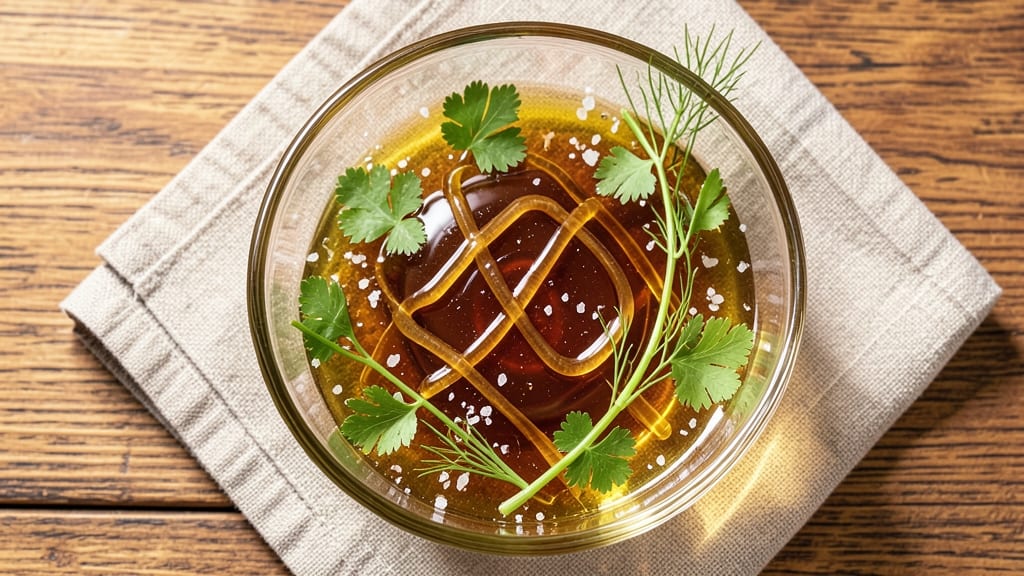
This healthy apple cider vinegar salad dressing delivers a perfect balance of sharp tang and herbal freshness—no artificial ingredients in sight. The secret lies in combining raw apple cider vinegar with high-quality olive oil, fresh herbs, and just enough honey for natural sweetness.
I developed this recipe after realizing most store-bought dressings relied on processed sugars and preservatives, and it's become a staple in my kitchen for its clean flavor and versatility.
The beauty of this dressing is its simplicity: just five core ingredients that work together to create a dressing with bright acidity, earthy depth, and herbal brightness. The vinegar cuts through rich ingredients while the olive oil adds richness, and the honey balances the sharpness without overpowering.
Fresh herbs like parsley or dill add a burst of freshness that elevates even the simplest salads or roasted vegetables.
What makes this dressing truly special is how it transforms ordinary meals into something extraordinary. Drizzle it over mixed greens for a refreshing bite, toss it with roasted sweet potatoes for extra flavor, or use it as a marinade for grilled chicken.
The dressing keeps well in the fridge for up to two weeks, making it perfect for meal prep and batch cooking.
For those watching their health, this dressing is a game-changer—packed with antioxidants from the apple cider vinegar, healthy fats from the olive oil, and natural sweetness from the honey. It’s the kind of dressing that proves healthy eating can still be delicious and satisfying. Let’s get started!
Ingredients for apple cider vinegar salad dressing recipe healthy
Five wholesome ingredients transform into a vibrant, antioxidant-rich dressing perfect for health-conscious meals.
| Ingredient | Amount | Notes |
|---|---|---|
| Raw Apple Cider Vinegar 🍏 | ⅓ cup | Unfiltered with mother preferred |
| Extra-Virgin Olive Oil 🫒 | ½ cup | Light or fruity variety |
| Raw Honey 🍯 | 2 tbsp | Unprocessed, local preferred |
| Fresh Flat-Leaf Parsley 🌿 | ¼ cup | Finely chopped, stems removed |
| Fresh Dill 🌿 | 2 tbsp | Chopped, stems removed |
| Diamond Crystal Kosher Salt 🧂 | ½ tsp | Fine grain preferred |
| Freshly Ground Black Pepper 🌶️ | ¼ tsp | Freshly cracked preferred |
| Garlic Cloves 🧄 | 1 whole | Minced, for depth of flavor |
The apple cider vinegar should be unfiltered with the mother—this cloudy sediment contains beneficial enzymes and probiotics that enhance both flavor and nutritional value. Whole Foods Market or Trader Joe's typically carry high-quality brands like Bragg or Zevia. For the olive oil, California-made varieties like Corto or Lucini offer excellent balance between peppery and buttery notes. Fresh herbs are non-negotiable here; garden-fresh parsley and dill from local farmers markets provide the brightest herbal profile. If using dried herbs, reduce to one-third the amount and toast them lightly in a dry pan for 30 seconds to intensify their flavor.
No raw honey? Pure maple syrup works as a 1:1 substitute, though it adds a distinct earthy note. Short on fresh herbs? Dried basil or tarragon can replace up to half the parsley, but taste first—some dried herbs can be overly potent. For a lower-sugar option, reduce honey to 1.5 tbsp and add 1 tsp lemon juice to enhance acidity. The garlic clove can be omitted entirely if you prefer milder flavor, but it adds wonderful depth. Store-bought dressings often contain preservatives and artificial flavors—this version relies solely on natural ingredients for its clean, bright profile.
This dressing maintains peak freshness for up to 2 weeks when stored in a glass jar in the refrigerator, though the flavors actually improve slightly after 3-4 days as the ingredients meld. For longer storage, transfer to a sterilized glass bottle and keep for up to 3 months in the freezer. Shake vigorously before each use as the ingredients naturally separate. The dressing pairs beautifully with roasted vegetables, grilled proteins, and mixed greens, making it ideal for meal prep. For an extra boost, add 1 tsp Dijon mustard to the jar before sealing—it emulsifies beautifully and adds subtle complexity.
Why You'll Love This Recipe
- Five-Ingredient Magic: I swear by this dressing—just shake, taste, adjust. No fancy techniques, no measuring cups (eyeball it), and you’re done in under two minutes. The parsley and dill chop themselves if you’re feeling lazy; I toss in whole stems and let the vinegar do the work.
- Tangy-Sweet Balance: That raw honey and apple cider vinegar combo? It’s like a hug for your taste buds—bright, sharp, then this luscious sweetness that lingers. The olive oil ties it all together without overpowering, and honestly? It’s the kind of dressing that makes you want to eat salads every day.
- Works Anywhere: Drizzle it on greens, toss it with roasted veggies, or use it as a marinade for chicken. I’ve even poured it over grilled fish—it cuts through the richness like a dream. Between us, it’s my go-to for meal prep because it elevates everything without trying too hard.
- Lasts All Week: Make a big batch—it keeps in the fridge for ages (I’m talking 10+ days) and only gets better as the flavors meld. No weird science, no spoilage; just pure, reliable flavor. Plus, the ingredients are cheap—this is my budget-friendly secret for fancier meals without the fancy price tag.
Step-by-step instructions for apple cider vinegar salad dressing
A balanced blend of acidity, sweetness, and herbal brightness—this dressing delivers vibrant flavor without compromising nutrition.
Combine the Base Ingredients
In a medium bowl, pour the 0.5 cup extra-virgin olive oil and 0.33 cup raw apple cider vinegar. Whisk vigorously with a fork or small whisk for 30 seconds until the mixture begins to emulsify slightly. The vinegar will initially separate, but keep whisking—this creates a stable foundation for the dressing.
I always use a glass bowl for this step, as it lets me monitor the color transformation. You'll see the olive oil's golden hue mellow into a pale amber as it integrates with the vinegar's clarity. This initial emulsification is crucial for preventing separation later.
Incorporate Sweetness and Aromatics
Add the 2 tablespoons raw honey and 1 whole minced garlic clove to the bowl. Whisk continuously for 1 minute until the honey dissolves completely and the garlic is fully distributed. The mixture should now have a smooth, syrupy consistency with a subtle garlic aroma.
This is where the dressing's flavor profile begins to develop. The honey not only sweetens but also helps balance the vinegar's sharpness while the garlic adds depth. If you're using unfiltered vinegar with mother, you might notice tiny sediment—this is normal and adds complexity to the dressing.
Add Herbs and Seasonings
Gently fold in the 0.25 cup finely chopped fresh flat-leaf parsley and 2 tablespoons chopped fresh dill using a rubber spatula. Sprinkle the 0.5 teaspoon Diamond Crystal kosher salt and 0.25 teaspoon freshly ground black pepper over the mixture, then give it 10-15 gentle stirs to combine without breaking down the herbs.
The herbs should be evenly distributed but still visible—this ensures each bite gets that fresh herbal punch. I like to press the herbs lightly against the side of the bowl first to remove any excess moisture before adding them, which prevents the dressing from becoming watery.
Final Emulsification and Taste Adjustment
Return to whisking for 1 full minute until the dressing achieves a silky, homogeneous texture. Taste immediately—you should detect bright acidity from the vinegar, sweetness from the honey, and herbal notes from the parsley and dill. The garlic should provide a subtle, lingering warmth.
If the dressing tastes too sharp, add 1 more teaspoon honey; if it needs more acidity, add 1 teaspoon vinegar. For extra depth, you can even add a pinch of onion powder or mustard powder at this stage. The dressing should coat the back of a spoon without feeling greasy—a sign of proper balance.
Rest and Serve
Transfer the dressing to a clean jar with a tight-sealing lid. Let it rest at room temperature for 15-20 minutes before using. This resting period allows the flavors to meld completely and the emulsion to stabilize. The dressing will thicken slightly as it sits.
When ready to use, give it one final shake before drizzling. This dressing keeps in the refrigerator for up to 1 week, though I find it's best used within 3-4 days for maximum freshness. The herbs will retain their vibrant color and flavor during this time, making every pour taste like it was just made.
Pro Tips For Making Apple Cider Vinegar Salad Dressing Recipe Healthy
- Whisk in stages: Start by combining the apple cider vinegar and honey first—this lets the honey dissolve smoothly without graininess. Only then add the olive oil in a slow stream while whisking vigorously; stopping midway to scrape the bowl ensures no streaks form. (Yes, it’s fussy, but the result is silky.)
- Use room-temp honey: Cold honey thickens the dressing and makes it clump. Let your honey sit out for 10–15 minutes before measuring—just enough to soften it slightly. If you’re in a hurry, warm the jar under hot water for 30 seconds, then dry it off. Trust me, the texture difference is noticeable.
- Chop herbs fine: Tear parsley and dill by hand instead of chopping—it releases more flavor. Aim for tiny pieces, no bigger than a sesame seed, so they distribute evenly. If you’re lazy (like me), pulse them briefly in a food processor, then give them a quick toss with your fingers to break up any clumps.
- Balance the ratios: The classic 3:1 oil-to-acid ratio works, but this dressing benefits from a slight tweak: bump the honey to 1 part per 2 parts vinegar. That extra touch of sweetness mellows the sharpness without making it cloying. Start with 1 tablespoon honey to 2 tablespoons vinegar, then adjust to taste.
Troubleshooting this recipe
Separation Solutions
The most common issue with homemade dressings is oil-vinegar separation, but this recipe is designed to resist it. If you notice separation after storage, simply shake the jar vigorously for 10-15 seconds—the herbs and honey act as natural emulsifiers.
For extra stability, add ½ teaspoon Dijon mustard when making the dressing. If separation persists, whisk the ingredients together again before using. 💫
Herb Overload Prevention
Fresh herbs can make dressings taste bitter if overused. To avoid this, press herbs against the bowl's side to remove excess moisture before adding them. If your dressing tastes too strong, dilute with 1-2 tablespoons water or lemon juice to balance the flavor.
For milder dressings, reduce herbs to ⅓ the amount (e.g., ⅛ cup parsley instead of ¼ cup).
Sweetness Balance Issues
If the dressing tastes too sweet, add 1 teaspoon apple cider vinegar to sharpen the acidity. For less sweetness, reduce honey to 1.5 tablespoons and add ½ teaspoon lemon juice to enhance brightness.
If it’s too tart, add ½ teaspoon honey or 1 teaspoon maple syrup to smooth the flavor. Always taste as you go—adjustments are easy at this stage! 🍯
Thickness Adjustments
Dressings can thicken naturally over time. If yours is too thick, thin with 1-2 teaspoons water or lemon juice. For a thicker consistency, let it sit at room temperature for 30 minutes before storing.
If it separates after thinning, whisk again before using. For a creamy texture, blend in 1 tablespoon Greek yogurt or avocado (great for vegan options).
Flavor Melding Tips
For deeper flavor, let the dressing rest in the fridge for 24 hours before using—this allows ingredients to meld. If it tastes flat, add a pinch of smoked paprika or garlic powder for complexity.
For a spicy kick, stir in ¼ teaspoon red pepper flakes or 1 teaspoon hot sauce. Always taste and adjust to your preference! 🌶️
Storage Mistakes
Never store dressing in a metal container—it reacts with the vinegar, altering flavor. Use glass jars with airtight lids to preserve freshness. If mold appears (rare with this recipe), discard immediately.
For longer storage, freeze in ice cube trays and thaw as needed. Label jars with the date to track freshness—this dressing stays vibrant for 2 weeks in the fridge. ❄️
Nutrition facts
Frequently asked questions
Can I make this dressing without honey?
Yes! For a lower-sugar option, replace the honey with 1.5 tablespoons maple syrup or 1 tablespoon agave nectar. You can also use ½ teaspoon vanilla extract for depth, though the flavor will be subtly different. The dressing will still taste balanced, just with a slightly different sweetness profile.
How long does this dressing keep fresh?
This dressing stays fresh for up to 2 weeks when stored in a clean glass jar in the refrigerator. For best flavor, use it within 3-4 days—the herbs retain their freshness and vibrant color during this time. If you need to store it longer, freeze in ice cube trays for 3 months.
What if my dressing separates?
Separation is normal with homemade dressings. Simply shake the jar vigorously for 10-15 seconds before using. For extra stability, add ½ teaspoon Dijon mustard when making it. The herbs and honey act as natural emulsifiers, so the dressing should blend smoothly after shaking.
Can I use this dressing on foods other than salads?
This versatile dressing works beautifully on roasted vegetables, grilled chicken, fish, and even as a marinade for tofu or tempeh. Try drizzling it over avocado toast or using it as a dip for crudités. The bright acidity cuts through rich flavors, making it perfect for balancing heartier dishes.
Why does my dressing taste too sharp?
If the dressing tastes too sharp, balance it by adding ½ teaspoon honey or 1 teaspoon maple syrup to mellow the acidity. You can also add ½ teaspoon lemon juice to enhance brightness without overpowering. Taste as you go—small adjustments make a big difference! The dressing should have a bright tang with a smooth finish.