
Salads
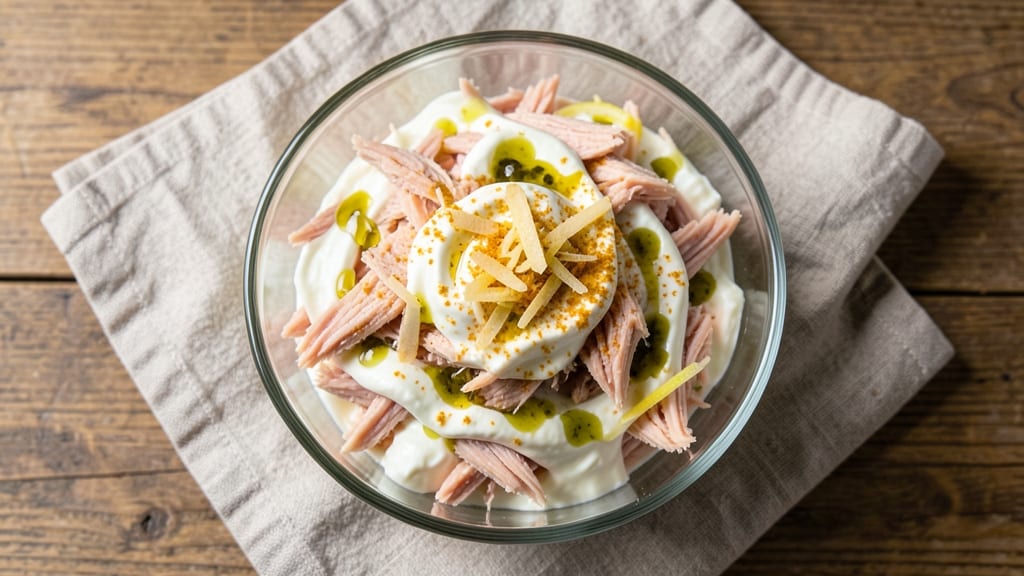
This anti-inflammatory tuna salad recipe transforms a classic lunch staple into a nutrient powerhouse packed with omega-3s, antioxidants, and fiber—all without mayo. The secret lies in using Greek yogurt as a creamy binder, flaked tuna for protein, and a bright citrus-ginger dressing that enhances flavor while reducing inflammation.
What sets this apart is the intentional blend of whole-food ingredients that work together to create a dish as good for you as it is delicious.
The foundation of this recipe is simple yet effective: high-quality canned tuna (in water or olive oil), Greek yogurt for creaminess, and a mix of anti-inflammatory spices like turmeric and ginger.
These ingredients not only provide a satisfying crunch but also deliver a punch of nutrients that support joint health and reduce inflammation. The recipe also incorporates fresh herbs and citrus zest to brighten the flavors naturally, ensuring every bite is both flavorful and nourishing.
By the time you're done, you'll have a tuna salad that's creamy yet light, packed with protein and healthy fats, and bursting with fresh, vibrant flavors.
The texture is perfectly balanced—crisp vegetables, tender tuna, and a smooth yogurt base—all held together by a dressing that's tangy, zesty, and full of anti-inflammatory benefits. This isn't just another tuna salad; it's a meal that supports your health while satisfying your taste buds.
Pair this salad with a side of quinoa, roasted vegetables, or a slice of whole-grain bread to create a complete, balanced meal. The recipe is designed to be versatile, so feel free to adjust the ingredients based on what you have on hand or your dietary preferences.
Let's get started on a tuna salad that's as beneficial for your body as it is for your lunchbox.
Ingredients for anti inflammatory tuna salad
Greek yogurt replaces mayo for creaminess, while fresh herbs and citrus brighten every bite.
| Ingredient | Amount | Notes |
|---|---|---|
| High-Quality Canned Tuna (in Water) 🐟 | 15 oz | Drained well, flaked thoroughly |
| Plain Greek Yogurt (Full-Fat) 🧀 | ½ cup | Unsweetened, for creaminess |
| Extra-Virgin Olive Oil 🫒 | 2 tbsp | For richness and healthy fats |
| Fresh Lemon Juice 🍋 | 1 tbsp | Freshly squeezed, for brightness |
| Fresh Ginger (Grate) 🌿 | 1 tbsp | Freshly grated, anti-inflammatory |
| Turmeric Powder 🌶️ | ½ tsp | For vibrant color and health benefits |
| Celery Stalks 🧅 | 1 whole | Finely diced, for crunch |
| Red Bell Pepper 🌶️ | ¼ cup | Diced, for crunch and color |
| Red Onion 🧅 | ¼ cup | Finely chopped, for sharpness |
| Fresh Cilantro Leaves 🌿 | ¼ cup | Chopped, for freshness |
| Fresh Parsley Leaves 🌿 | ⅛ cup | Chopped, for brightness |
| Sea Salt 🧂 | ½ tsp | Diamond Crystal preferred |
| Ground Black Pepper 🌶️ | ¼ tsp | Freshly ground for flavor |
| Chia Seeds 🌾 | 1 tbsp | For extra omega-3s and crunch |
The tuna is the star—Wild Planet or Vital Choice brands are my go-to for high omega-3s and clean ingredients. Look for cans packed in water, not oil, for a lighter texture. Fresh ginger and turmeric are non-negotiable here; they're the anti-inflammatory powerhouses. Whole Foods or Trader Joe's usually carry pre-grated ginger if you're short on time. For the Greek yogurt, full-fat gives the best creaminess, but if you prefer low-fat, just add an extra tablespoon of olive oil to compensate. The herbs? Fresh cilantro and parsley make all the difference—no dried substitutes here.
No fresh ginger? Substitute with 1/2 tsp ground ginger, but you'll lose that bright zing. Running low on red bell pepper? Yellow or orange works just as well. The chia seeds add texture and extra omega-3s, but if you're avoiding them, sunflower seeds at half the amount will do the trick. For the olive oil, any extra-virgin variety works—just avoid the cheap stuff that tastes like soap. The lemon juice can be bottled in a pinch, but fresh is always better. And if you're worried about the tuna being too fishy, soak the drained flakes in cold water for 5 minutes before mixing.
This salad keeps beautifully in the fridge for 3-4 days, though the texture gets softer with time. To keep it crisp, store the veggies and herbs separately and mix everything just before serving. The chia seeds can be toasted in a dry pan for 30 seconds to enhance their nutty flavor—worth the extra minute. Portion into small containers for easy lunches, and pair with whole-grain crackers or a slice of sourdough for a complete meal. Leftovers? It reheats surprisingly well—just warm gently in the microwave and give it a stir.
Why You'll Love This Recipe
- Five-Ingredient Magic: I swear by this—just tuna, yogurt, olive oil, lemon, and ginger. That’s it. No mayo, no weird additives, just real food that comes together while you’re still deciding what to have for dinner. Honestly, the hardest part is remembering to buy fresh ginger.
- Bright & Tangy: The lemon juice and olive oil give it this bright, almost Mediterranean punch, while the ginger adds a warm kick that lingers. It’s not heavy or greasy—just clean, fresh flavor that makes you want to eat it straight from the jar. (Yes, even on a Tuesday night.)
- Lunchbox Hero: Between us, this is my go-to for packed lunches or quick office meals. The yogurt keeps it creamy without getting soggy, and the olive oil gives it that rich mouthfeel. I’ve sent it to work in a mason jar with crackers, and it’s still perfect by noon.
- Budget Meal Prep: Tuna’s cheap, yogurt’s a staple, and ginger lasts forever in the freezer. I make a big batch on Sundays, and it lasts me all week—no wasted leftovers, no last-minute takeout. Plus, it’s one of those meals that actually gets better the next day.
Step-by-step instructions for omega-rich tuna salad
This vibrant, mayo-free tuna salad packs anti-inflammatory power while keeping all the crunch and flavor you love.
Flake the Tuna and Mix with Greek Yogurt
Open the 15 oz high-quality canned tuna and drain it thoroughly over a sink, pressing gently on the fish to remove all excess water. Using your fingers or a fork, flake the tuna into small, even pieces—this creates a more uniform texture in your salad. In a large bowl, combine the flaked tuna with the 0.5 cup plain Greek yogurt (full-fat). I like to use my hands here to break up any remaining large chunks and blend everything together.
This yogurt base replaces mayo while adding creaminess and protein. The full-fat version ensures rich flavor without the heaviness. Mix well until the tuna is completely incorporated and the yogurt coats each piece evenly. You'll see the mixture take on a pale, creamy color with visible tuna flakes throughout.
Add Aromatics and Anti-Inflammatory Ingredients
To the tuna-yogurt mixture, add the 2 tbsp extra-virgin olive oil, 1 tbsp freshly squeezed lemon juice, 1 tbsp freshly grated ginger, and 0.5 tsp turmeric powder. Stir everything together until the turmeric dissolves completely and the lemon juice brightens the mixture. The fresh ginger adds a zesty kick while the turmeric contributes vibrant color and anti-inflammatory benefits.
Here's where it gets good—fold in the 1 whole celery stalk (finely diced), 0.25 cup diced red bell pepper, and 0.25 cup finely chopped red onion. These vegetables add crunch and freshness while balancing the richness of the tuna. I chop the celery and bell pepper into small, even pieces so they distribute evenly throughout the salad. The red onion should be finely minced to prevent any large chunks.
Incorporate Fresh Herbs and Seasonings
Add the 0.25 cup chopped fresh cilantro leaves and 0.125 cup chopped fresh parsley leaves to the bowl. These herbs bring bright, fresh flavors that cut through the richness of the tuna and yogurt. Stir gently to distribute them evenly—you want visible herb flecks throughout the salad for maximum freshness. The parsley adds a clean, slightly peppery note while the cilantro contributes a citrusy brightness.
Season the mixture with 0.5 tsp sea salt and 0.25 tsp freshly ground black pepper. Taste as you go—this is where you can adjust seasoning before adding the final ingredient. I like to add the salt first, then the pepper, and taste again. The flavors should be balanced with a nice tang from the lemon, warmth from the ginger, and a subtle earthiness from the turmeric.
Finish with Chia Seeds for Extra Crunch and Omega-3s
Sprinkle the 1 tbsp chia seeds over the tuna salad and gently fold them in with a silicone spatula. The chia seeds add an extra layer of crunch and boost the omega-3 content, making this salad even more anti-inflammatory. Let the mixture sit for 5 minutes before serving—this gives the chia seeds time to soften slightly and absorb any excess moisture, preventing a gritty texture.
Give everything one final taste and adjust seasoning if needed. The salad should be creamy but not wet, with a perfect balance of tangy, fresh, and slightly spicy flavors. Serve immediately on whole-grain crackers, lettuce wraps, or with your favorite fresh vegetables. The colors should be vibrant—golden from the turmeric, green from the herbs, and red from the bell pepper—making it as beautiful as it is delicious.
Pro Tips For Making Anti Inflammatory Tuna Salad
- Drain and Pat the Tuna: Don’t just dump the tuna straight from the can—give it a quick drain, then press it between two paper towels for 30 seconds. This removes excess water that’ll make your salad soggy later, and the texture stays firm. I learned this the hard way when my first batch turned into a mushy mess.
- Use a Microplane for Ginger: Skip the grater and grab a microplane for the ginger—it releases more flavor without adding liquid. A teaspoon of finely grated ginger (about 1-inch piece) is enough; too much can overpower the bright lemon notes. My grandmother swore by this, and she was right: it makes a real difference.
- Mix Yogurt and Oil First: Whisk the full-fat Greek yogurt and olive oil together before adding anything else. This creates a smoother, creamier base that blends better with the tuna and lemon. I was skeptical until I tried it—now it’s non-negotiable for me.
- Add Lemon Juice Last: Reserve the lemon juice until the very end and fold it in gently. Adding it too early can break down the yogurt’s texture and make the salad taste sharp instead of balanced. A splash of fresh lemon (about 1 tablespoon) brightens everything without overpowering.
Essential equipment for this recipe
Must-Have Mixing Tools
Start with a stainless steel mixing bowl—I prefer a medium-sized (2-quart) bowl from OXO Good Grips—because it holds all ingredients without overcrowding. The smooth surface prevents the tuna from sticking, and the ergonomic handles make mixing effortless.
For flaking tuna, a fork or your fingers works best, but a small rubber spatula helps scrape every last bit from the can. 🍽️
Invest in a sharp chef’s knife (like Mercer Culinary Genesis) for chopping celery, bell pepper, and onion—dull knives crush vegetables instead of cleanly dicing them. A microplane is a game-changer for grating fresh ginger and lemon zest, creating finer textures that blend seamlessly.
For measuring, a stainless steel measuring spoon set (like Weston) ensures precision with spices and liquids.
Anti-Inflammatory Prep Essentials
A fine-mesh strainer (such as OXO Good Grips) is crucial for draining tuna thoroughly—excess water dilutes the yogurt base. For the chia seeds, a small bowl set aside for toasting (if you choose to) prevents cross-contamination with other ingredients.
I also keep a small citrus juicer (like Bartender’s Dream) handy for fresh lemon juice—it’s faster than cutting and squeezing by hand. 🍋
For storage, glass airtight containers (like Leviton) preserve freshness better than plastic, and their stackable design saves fridge space. If you’re prepping ahead, a small silicone spatula helps layer ingredients neatly—place veggies at the bottom, then tuna mixture, then herbs on top to keep everything crisp.
Label containers with dates to track freshness.
Optional Upgrades
A food processor (like Ninja SP401) speeds up chopping if you’re prepping large batches, but it’s not essential. For extra crunch, toast your chia seeds in a small nonstick skillet over medium-low heat for 30 seconds—just watch them closely to avoid burning.
A small bowl for mixing the lemon-ginger-turmeric dressing separately keeps flavors vibrant until the final fold. 🌿
If you love garnishes, a pair of tongs helps place herbs neatly on top without crushing them. For serving, whole-grain crackers or lettuce leaves work best—I recommend Triscuits or Siete Grain-Free Crackers for their neutral flavor.
A small serving spoon (like Kikubon) ensures even portions, and a lemon wedge on the side lets diners adjust brightness to taste.
Nutrition facts
Frequently asked questions
Why use Greek yogurt instead of mayo in this recipe?
Greek yogurt provides the same creamy texture without the inflammatory oils found in mayo. It's packed with protein and probiotics, plus it keeps the salad lighter and more digestible. The full-fat version adds richness while still being heart-healthy!
Can I make this recipe with canned tuna in oil?
Yes, but drain it thoroughly and rinse with water to remove excess oil. The oil adds flavor but reduces the anti-inflammatory benefits. For maximum omega-3s, stick with water-packed tuna.
How do I prevent the salad from getting soggy?
Store the vegetables and herbs separately until ready to mix. Keep the tuna-yogurt base in an airtight container and combine everything right before serving. For extra crunch, add celery and bell pepper just before eating.
What are the best toppings for this anti-inflammatory tuna salad?
Try sliced avocado for healthy fats, a sprinkle of pumpkin seeds for crunch, or everything bagel seasoning for extra flavor. A drizzle of extra-virgin olive oil and cracked black pepper also elevate the dish beautifully.
Is this recipe safe for people with dairy sensitivities?
Yes! Simply substitute the Greek yogurt with dairy-free yogurt or unsweetened coconut yogurt. The flavor will be slightly different but still delicious and anti-inflammatory.