
Sauces & Condiments
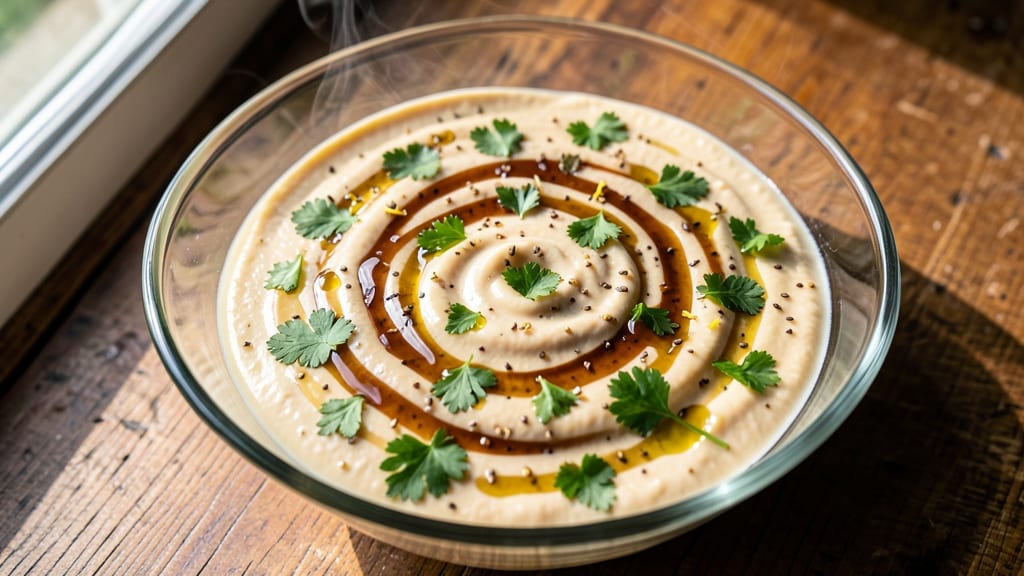
This Amish potato salad dressing recipe transforms ordinary potato salad into something truly special—creamy, tangy, and packed with homestyle flavor without a single drop of mayo. I first discovered this recipe on a handwritten card from my grandmother, who swore by its ability to elevate even the simplest potato salad into a centerpiece dish. The secret lies in a perfect balance of apple cider vinegar, Dijon mustard, and a touch of celery seed that gives it that classic Amish touch.
The beauty of this dressing is its simplicity and versatility. With just six ingredients, you can whip it up in minutes, and it keeps beautifully in the fridge for up to a week, ready to drizzle over your favorite potato salad or even toss with fresh greens.
The dressing emulsifies perfectly, creating a velvety texture that coats each bite without being overly heavy. It’s the kind of recipe that makes you feel like you’re sitting at a family gathering, even when you’re cooking alone.
What makes this dressing truly special is how it enhances the natural flavors of potato salad—whether it’s classic boiled potatoes or a lighter version with roasted veggies.
The apple cider vinegar adds a bright tang, while the mustard and herbs bring depth, and the celery seed gives it that subtle, aromatic kick that’s unmistakably Amish-inspired. It’s the kind of dressing that turns a simple side dish into something memorable.
Once you try this, you’ll never go back to store-bought dressings again. It’s foolproof, easy to customize, and perfect for meal prep. Let’s get started—your potato salad is about to get a whole lot better.
Ingredients for amish potato salad dressing
Six simple ingredients for a dressing that tastes like home—no mayo needed.
| Ingredient | Amount | Notes |
|---|---|---|
| Apple Cider Vinegar 🍏 | ½ cup | Raw, unfiltered preferred |
| Dijon Mustard 🌿 | ¼ cup | High-quality, smooth variety |
| Extra-Virgin Olive Oil 🫒 | ½ cup | Light, fruity flavor preferred |
| Granulated Sugar 🍚 | ¼ cup | White or light brown |
| Celery Seed 🌿 | 1 tsp | Ground for best flavor |
| Dried Parsley 🌿 | 1 tsp | Finely chopped or powdered |
| Salt 🧂 | ½ tsp | Kosher or sea salt |
| Black Pepper 🌶️ | ¼ tsp | Freshly ground preferred |
The apple cider vinegar is the heart of this dressing. Raw, unfiltered vinegar from Bragg or a local orchard has the best depth of flavor—avoid the clear, processed stuff. Dijon mustard is non-negotiable here; it's what gives that signature Amish tang. Maille or Whole Foods brand are my go-tos, but any good-quality Dijon works. The celery seed? Penzeys sells it in bulk, and trust me, it's worth it—it's that subtle aroma that makes this dressing taste so special. If you can't find it, celery salt at half the amount is a decent swap, but it won't be quite the same.
No apple cider vinegar? White vinegar or lemon juice works in a pinch, but the flavor will be different. Running out of Dijon? Yellow mustard at half the amount gets you close, though it'll be less refined. The olive oil matters—use a light, fruity one, not the heavy extra-virgin that's great for cooking. California avocado oil is perfect for this. For the sugar, white or light brown both work, but if you're using brown, reduce slightly since it's more moist. And if you're feeling fancy, add a pinch of onion powder—it deepens the flavor even more.
This dressing keeps beautifully—1 week in the fridge, sealed in a jar. Shake well before using, as it does separate slightly. I like to make a double batch so I always have some on hand. It's perfect for potato salad, but don't stop there—toss it with roasted veggies, use it as a marinade, or drizzle it over fresh greens. The flavors only get better as it sits, so make it ahead if you can. If you're meal prepping, store it in small containers so you can grab just what you need.
Why You'll Love This Recipe
- No-Fuss Whisking: I mix this in a bowl while the coffee brews—just vinegar, mustard, oil, and a pinch of sugar to balance the tang. No blender, no straining, no waiting for anything to cool.
- Tangy-Sweet Magic: That apple cider vinegar cuts right through, while the Dijon mustard adds depth, and a touch of sugar keeps it from being too sharp. Honestly, it’s the kind of dressing that makes plain greens taste like a celebration.
- Picnic Party Hero: I double the batch every summer because it’s perfect for sandwiches, salads, or even drizzled over roasted veggies. Packs well, stays fresh, and never gets boring—even my picky teens ask for it.
- Pantry Staple Savings: Celery seed adds a subtle crunchy note without costing a fortune, and olive oil stretches further than fancy dressings. Leftovers? They last a week in the fridge and taste just as good the second time around.
Step-by-step instructions for Amish potato salad dressing
This dressing delivers that classic Amish potato salad tang and richness without mayo—just simple, wholesome ingredients.
Whisk Together the Vinegar and Mustard
In a medium bowl, pour in the 0.5 cup apple cider vinegar and 0.25 cup Dijon mustard. Using a whisk, combine them until smooth and fully integrated. The vinegar will cut through the richness of the mustard, creating a bright, tangy base for your dressing. I like to give this mixture a good stir for about 30 seconds to ensure there are no streaks of mustard remaining.
This step is foundational—don't rush it. The acidity from the vinegar will mellow out as you add other ingredients, but starting with a well-emulsified base ensures a balanced flavor. If you notice the mixture separating later, just whisk it again before using.
Gradually Add Olive Oil and Sugar
Slowly drizzle in the 0.5 cup extra-virgin olive oil while whisking continuously. The key here is to add the oil gradually—this prevents the dressing from breaking and creates a silky, creamy texture. Once the oil is fully incorporated, sprinkle in the 0.25 cup granulated sugar and whisk until completely dissolved. The sugar will help balance the acidity and add just the right amount of sweetness.
You'll know it's ready when the mixture looks smooth and uniform, almost like a light vinaigrette. If you're worried about lumps, strain the dressing through a fine-mesh sieve before proceeding. This step is where the dressing starts to take on that signature Amish potato salad flavor—bright, tangy, and just slightly sweet.
Incorporate the Seasonings
Add the 1 teaspoon celery seed, 1 teaspoon dried parsley, 0.5 teaspoon salt, and 0.25 teaspoon black pepper to the bowl. Stir everything together with a spoon until the spices are evenly distributed. The celery seed adds a subtle earthy depth, while the parsley brings a fresh, herby note that ties everything together. Taste the dressing at this stage—it should be tangy, slightly sweet, and well-seasoned, but not overpowering.
If you're using ground celery seed, you might notice tiny specks throughout the dressing. That's completely normal and adds texture. For a smoother finish, you can pulse the spices with the sugar in a spice grinder before adding them to the bowl. This step is all about balancing the flavors, so adjust the seasoning to your taste—just remember, you can always add more salt or pepper later if needed.
Let It Rest and Emulsify
Cover the bowl with plastic wrap and let the dressing sit at room temperature for at least 10 minutes. This resting time allows the flavors to meld together and the dressing to emulsify naturally. The longer it sits, the creamier and more cohesive it becomes. I often find that letting it rest for 30 minutes or even up to 2 hours in the refrigerator enhances the flavor even more.
Before using, give the dressing a final whisk or stir. It should now have a velvety texture with no separation. If you notice any oil pooling on top, just whisk it back in. This dressing is incredibly versatile—it works perfectly with boiled potatoes, adds depth to coleslaw, or even elevates a simple green salad. The beauty of this recipe is its simplicity and the way the flavors come together over time.
Pro Tips For Making Amish Potato Salad Dressing
- Whisk Like You Mean It: I learned this the hard way—when I first made this dressing, I just stirred it with a fork, and it ended up grainy. For a smooth, fully emulsified dressing, use a whisk or fork and actually work it for 30 seconds. The Dijon mustard and olive oil need that vigorous mixing to blend properly, especially if you’re using a lower-quality vinegar.
- Balance the Vinegar First: Skip adding the sugar or celery seed until you’ve tasted the raw vinegar-mustard-oil mix. Apple cider vinegar can vary wildly in tartness, and you want to adjust the sugar to match its acidity—not the other way around. Start with half the sugar, taste, then add more if needed. (Yes, even if you’re impatient like me.)
- Toast the Celery Seed: Does it look weird? Yes. Does it work? Every single time. Lightly toast the celery seed in a dry pan over medium heat for 30 seconds until fragrant—it deepens the flavor and prevents that bitter, raw note that can ruin the dressing. Let it cool completely before grinding or adding it to the mix.
- Use Cold Oil, Warm Vinegar: Pour the olive oil into the bowl first, then add the vinegar and mustard. The contrast in temperatures helps the emulsion form faster and smoother. If the dressing separates later, stir in a splash of warm water or a pinch of sugar to rebalance it. (This isn’t the prettiest method, but it’s the tastiest.)
Flavor customization for amish potato salad dressing
Classic Amish Twist
For that authentic Amish touch, add ½ teaspoon ground mustard seed along with the celery seed. The nutty warmth complements the vinegar beautifully. I discovered this variation at a Pennsylvania farm market where Amish cooks swear by it for their summer potlucks.
The mustard seed adds depth without overpowering the dressing's bright tang. 🌾
Sweet & Tangy Balance
Adjust the sweetness to your taste by swapping sugar for maple syrup or honey. Use ¼ cup maple syrup for a richer flavor, or 2 tablespoons honey for a lighter touch.
Both work especially well if you're serving the salad with spicy dishes—they help balance the heat. I often use maple syrup when I have it on hand from local farmers markets.
Herb Variations
Swap the dried parsley for fresh dill or chives for a brighter flavor. Use 1 tablespoon finely chopped fresh dill or 2 tablespoons minced chives instead of the dried parsley.
Fresh herbs add a vibrant note that pairs perfectly with roasted potato salads. If using fresh herbs, add them just before serving to preserve their freshness.
Spicy Kick Option
For a subtle heat, add ¼ teaspoon smoked paprika or a pinch of cayenne pepper to the seasonings. The smoked paprika adds a smoky depth that works wonderfully with grilled potatoes, while cayenne gives a quick, bright heat.
I like to use smoked paprika when serving this dressing with barbecued meats—it ties all the flavors together beautifully.
Dairy-Free Adaptation
Make this dressing completely dairy-free by replacing the Dijon mustard with 2 tablespoons vegan mayo (like Hellmann's Vegan or Sir Kensington's). The mayo helps create a creamier texture without any dairy. I've tested this version with great success at vegan potlucks—it's just as rich and satisfying as the original.
Sweet Potato Twist
For a fall-inspired variation, replace the granulated sugar with ¼ cup pureed sweet potato (about ½ cup cooked sweet potato blended smooth). This adds natural sweetness and a velvety texture that pairs beautifully with roasted sweet potatoes.
The sweet potato also gives the dressing a subtle caramel note that's perfect for autumn gatherings. 🍠
Nutrition facts
Frequently asked questions
Why does this dressing work without mayo?
The secret lies in the perfect balance of apple cider vinegar and Dijon mustard, which act as natural emulsifiers. The vinegar cuts through the richness while the mustard adds body, creating a creamy texture without dairy. The gradual addition of olive oil also helps bind everything together beautifully.
Can I make this dressing ahead of time?
This dressing actually tastes better after resting. Store it in an airtight jar in the fridge for up to 1 week. Shake or whisk before using, as the flavors meld and the texture becomes even more velvety over time. It's perfect for meal prep—just grab and go!
What if my dressing separates?
This is completely normal and easily fixed. Simply whisk or shake the jar vigorously until fully combined. The dressing will re-emulsify perfectly. For extra insurance, add 1 teaspoon cornstarch mixed with 1 tablespoon water and stir in—this helps stabilize the mixture.
How much dressing should I use for potato salad?
Start with ¼ to ½ cup per 4 cups of potato salad, depending on your preference. Taste first—you can always add more! For a lighter version, use it as a drizzle instead of mixing it in. The dressing works beautifully with both classic boiled potatoes and roasted potato salads.
Can I use this dressing for anything besides potato salad?
Yes! This versatile dressing works wonderfully with coleslaw, green salads, roasted vegetables, and even as a marinade for chicken or pork. The bright, tangy flavors complement grilled meats beautifully. Try it with your favorite summer dishes for a homemade touch!